

Cultivating the Best Organic Herbal Teas at Home: Sourcing, Preparation, and 2026 Trends
Cultivating Organic Herbal Tea at Home: Sourcing, Preparation, and 2026 Trends
Stirring a freshly brewed cup of organic herbal tea is a sensory ritual that links gardening practice to mindful sipping. Home-grown organic herbal tea gives you direct control over sourcing and processing, so you can prioritize freshness, sustainability, and flavor. This guide outlines how to select seeds, cultivate herbs, harvest and preserve them, and apply modern 2026 trends to elevate your garden-to-cup routine.
Why Homegrown Organic Herbal Tea Delivers Better Flavor and Transparency
Homegrown organic herbal tea offers a level of traceability and sensory nuance that packaged blends cannot always match. When you manage soil, harvest timing, and drying methods, you preserve volatile aromatics and delicate flavor compounds. Small-batch handling reduces processing steps and packaging, so the character of each herb is more apparent in the cup. If you’re curious about how global clean-label movements are impacting herbal products, the Herbal Extract Market Expansion: Best Organic Trends and Future Insights 2026 report provides helpful context on these new directions.
Selecting Herbs for a Homegrown Organic Tea Garden
Not all garden herbs perform equally for tea. Select varieties that suit your climate and the flavor profiles you enjoy. Focus on herbs with clear sensory signatures and complementary chemistry. Combining herbs allows you to craft blends for aroma, taste complexity, and broader plant compound variety. Novices interested in easy-to-grow, high-value plants can learn from These 8 Beginner-Friendly Plants Can Cut Supplement Costs in 2026.
Spearmint: Bright Freshness and Garden Reliability
Spearmint is a resilient perennial that adapts to containers and beds. It contributes a clean, cooling profile and pairs well with floral or citrus-forward herbs. In a cup, spearmint’s volatile oils are prominent; proper harvesting and low-heat drying retain these oils for a lively infusion.
Chamomile: Floral Sweetness for Evening Rituals
Chamomile yields apple-like floral notes and is often chosen for its gentle, honeyed aroma. It prefers sunny, well-drained sites and benefits from selective cutting of mature flower heads. Hand-harvesting blossoms at peak openness preserves aromatic esters during drying and storage. For a deep dive into chamomile’s wellness properties, see Chamomile Tea: Best Organic Wellness Benefits and Bioactive Insights for 2026.
Lemon Balm: Citrus Brightness and Versatile Blending
Lemon balm brings a citrus-laced aroma that complements both mint and floral herbs. It thrives in many garden conditions and is forgiving of moderate drought. When blended, lemon balm adds a bright finish and helps round out heavier or sweeter components. For tips on maximizing plant nutrients, Best Organic Desi Superfoods 2026: How Local Nutrients Surpass Exotic Imports for Summer Wellness illustrates how local plants often deliver surprising benefits.
Sustainable Sourcing: Seeds, Heirlooms, and Soil Health
Start with verified non-GMO seeds or organically propagated cuttings to align with clean-label preferences. Heirloom or regionally adapted cultivars can offer richer flavor and familiarity with local pests and conditions. Soil health underpins everything; prioritize organic compost, diversified plantings, and low-intervention pest management. The article Ashwagandha Bioengineering Breakthrough: Non-GMO Withanolide Production and Botanical Synergy 2026 reveals how organic, non-GMO choices are becoming central in broader herbal gardening efforts.
Building Soil and Encouraging Biodiversity
Compost and organic amendments support microbial life and steady nutrient availability. Companion planting and pollinator-friendly borders increase ecological resilience. Avoid synthetic pesticides and fertilizers to keep harvested herbs aligned with organic garden principles.
Planting, Spacing, and Crop Rotation
Provide appropriate spacing to reduce humidity and disease pressure. Rotate herb families across beds or containers to maintain nutrient balance and soil microbiome diversity. These practices extend productive seasons and steady yields for your organic herbal tea supply. Consider the intersections between garden biodiversity and climate health, as outlined in Physical Activity and Climate Change Solutions: Key Insights for 2026.
Harvesting Techniques: Timing and Gentle Handling
Timing harvests in the cooler morning hours helps preserve essential oils and volatile aromatics. Use clean, sharp scissors and make selective cuts to encourage regrowth. Rotate harvests to avoid over-harvesting individual plants, which maintains vigor across the season.
Drying and Storage Protocols for Maximum Flavor Retention
Proper post-harvest handling is essential to preserve the qualities that define premium organic herbal tea. Gentle drying and careful storage extend aromatic life and maintain desirable sensory traits.
Low-Heat Drying and Dehydration Best Practices
Air-drying in small bundles in a shaded, well-ventilated area protects heat-sensitive compounds. If using a dehydrator, select the lowest temperature setting and monitor frequently. Avoid direct sunlight and high heat to limit loss of volatile oils. For broader perspectives on herbal wellness, Understanding Herbal Supplements: Best Organic and Sustainably Sourced Insights 2026 explores storage and sourcing considerations.
Airtight Storage and Rotation
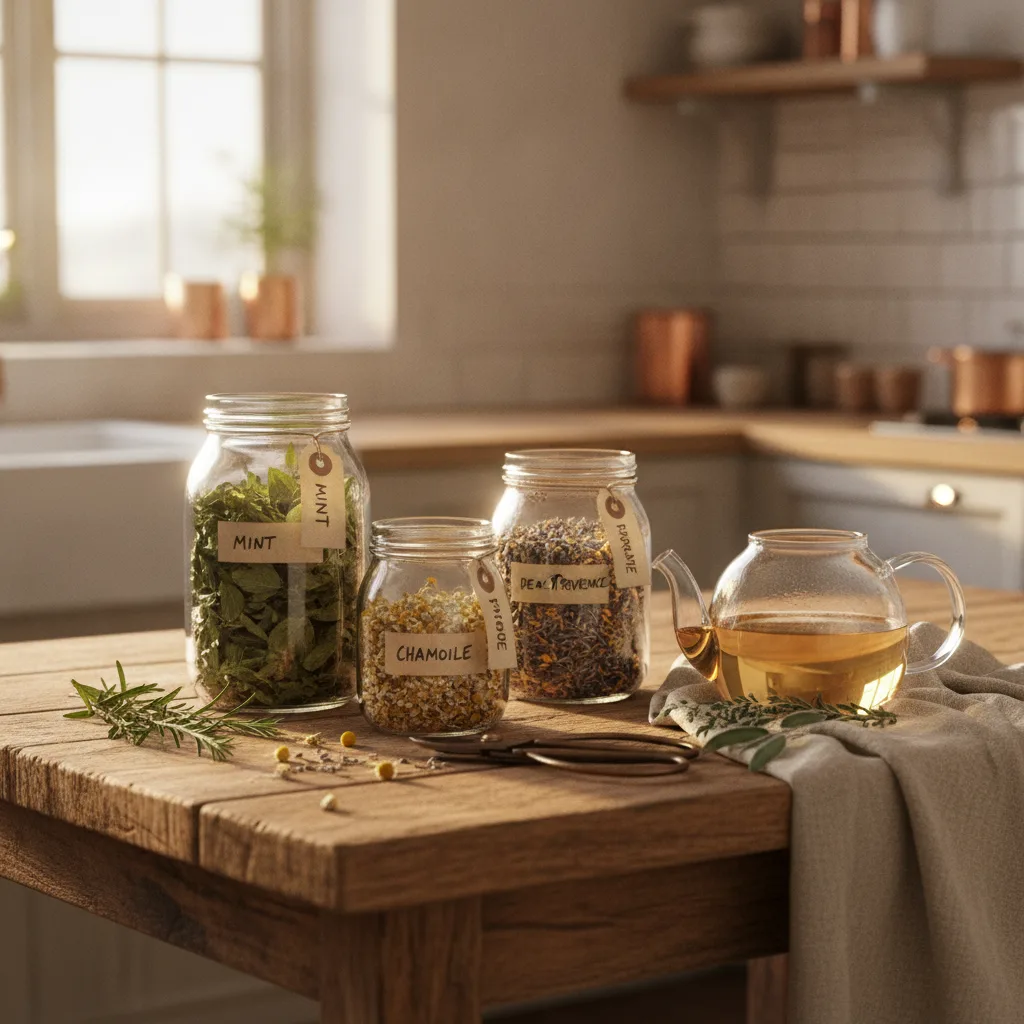
Store dried herbs in airtight glass jars away from light and heat. Label containers with harvest dates and herb names to maintain use-by awareness. For best aroma and flavor, plan to use small batches within about six months of drying.
Brewing and Extraction: Techniques to Unlock Flavor and Plant Compounds
Brewing method influences the extraction of flavors and soluble plant components. Small adjustments in temperature, time, and leaf prep can substantially change the cup’s character. If you are curious about infusing teas with additional botanicals, Lemon Peel Cinnamon Ginger Tea: Organic Insights, Bioavailability & Non-GMO Reviews 2026 offers further insight.
Water Temperature and Steep Time
Most leafy and floral herbs perform well in water from 190°F to 212°F (88°C to 100°C). Fragile flowers may prefer slightly cooler temperatures to preserve delicate esters. Steeping for 5–10 minutes is a common starting range; adjust based on taste and desired intensity.
Preparation and Pre-Steeping Steps
Lightly bruising leaves with your fingers releases aromatic oils. For woody roots or bark, longer decoctions extract more depth. Minimal handling of delicate blossoms reduces oxidation and helps retain floral nuance.
Designing Artisanal Blends: Flavor Pairing Principles
Successful blends balance top, heart, and base notes, much like culinary seasoning. Consider texture, aroma, and how volatile oil profiles interact when combining herbs. Seeking natural approaches for overall well-being? The practices described in Natural Health Hacks for Work-from-Home Vitality: Best Desk Detox Solutions 2026 echo many blending principles in herbal teas.
Classic and Seasonal Pairings
Spearmint plus chamomile creates a balanced, approachable cup. Lemon balm brightens blends and pairs well with floral or berry-forward components. Seasonal additions such as lavender, calendula, or hibiscus can introduce new dimensions while highlighting garden variety.
Thinking in Layers: Aroma, Bitterness, and Mouthfeel
Pair herbs that contrast in aroma to avoid a flat cup. Add a mildly bitter or astringent element sparingly to lend structure. Rotate blends seasonally to keep your homegrown supply exciting and fresh.
Quality Control: Tasting, Adjusting, and Documenting Recipes
Keep a brewing journal to record herb ratios, steep times, and sensory notes. Small adjustments allow you to refine blends over time. Taste tests across different harvests reveal how seasonal shifts change the profile of your organic herbal tea.

Regional Considerations for 2026: Climate, Soil, and Variety Selection
Match plant selection to local climate and soil conditions to optimize growth and flavor. Cool climates favor some florals and mints, while hotter regions support basil, lemongrass, and drought-tolerant herbs. Test small plots to determine which cultivars produce the best cupping notes in your locale. Learn more about global climate adaptation strategies in Physical Activity and Climate Change Solutions: Key Insights for 2026 referenced earlier.
Traceability, Clean-Label Trends, and the Role of Home Gardens in 2026
Consumers increasingly look for provenance and minimal processing. Homegrown organic herbal tea embodies traceability and clean-label values by making every step from seed to cup visible. Community exchanges and local seed-saving circles further strengthen transparency and regional adaptation. For more on community-driven herbal tea, read A Soothing Cup of Herbal Tea Can Begin in Your Garden, which explores hands-on perspectives about harvesting and household preparation.
Practical Next Steps: Setting Up a Dedicated Tea Bed and Seasonal Workflow
Designate a small bed or container area for your tea herbs to simplify harvest scheduling and drying logistics. Plan staggered plantings to extend the harvest window. Invest in basic drying racks, labeled jars, and a compact dehydrator for consistent post-harvest handling. For more on getting started with beginner-friendly herbs and sustainable practices, These 8 Beginner-Friendly Plants Can Cut Supplement Costs in 2026 shares practical plant choices.
Community and Knowledge Transfer: Sharing Recipes and Seed Stock
Documenting your favorite blends and seed sources preserves knowledge for future seasons. Engage with local gardening groups to trade seeds and drying techniques. Such exchanges help perpetuate sustainable practices and broaden the palette of homegrown organic herbal tea options. For community inspiration and practical stories, revisit A Soothing Cup of Herbal Tea Can Begin in Your Garden.
Closing Thoughts: Start Small, Taste Often, and Prioritize Sustainability
Cultivating organic herbal tea at home is both a practical and creative endeavor. Begin with a few adaptable herbs, refine your drying and brewing methods, and expand as your confidence grows. Prioritizing non-GMO seeds, soil health, and gentle post-harvest handling will help you enjoy consistently flavorful and transparent garden-to-cup experiences.
Start your organic herbal tea garden with a few easy herbs, invest in gentle drying and storage tools, and document your recipes. Prioritize non-GMO seed sources, soil-building practices, and sustainable growing methods to ensure consistent, transparent garden-to-cup results. Begin experimenting with small blends this season and share your findings with local gardening communities.
FAQs
-
Which herbs are easiest and most rewarding for organic herbal tea beginners?
Spearmint, lemon balm, and chamomile are ideal starter herbs. They are forgiving in a range of soils, produce reliable yields, and offer distinct sensory profiles that mix well. Begin with a few pots or a dedicated bed, and practice small harvests and low-heat drying to learn how each herb’s flavor concentrates after processing. More details on easy starter plants and their health benefits are available in These 8 Beginner-Friendly Plants Can Cut Supplement Costs in 2026.
-
How can I verify my seeds and cuttings are truly non-GMO and organic?
Choose suppliers with clear, verifiable seed descriptions and evidence of organic stewardship. Look for seed houses that document provenance and propagation methods. If seed certification is not available locally, favor known heirloom lines and community-trusted sources, and keep records of where and how plants were obtained and propagated. Insights on non-GMO practices can be found in Ashwagandha Bioengineering Breakthrough: Non-GMO Withanolide Production and Botanical Synergy 2026.
-
What is the best time of day to harvest herbs for maximum aroma and flavor?
Harvest herbs in the early morning, after dew evaporates and before midday heat intensifies. Cooler morning temperatures preserve volatile oils and aromatic esters. For flowers, harvest when blossoms are fully open but before midday heat to retain the most delicate fragrance in subsequent drying.
-
Which drying method preserves the most flavor for organic herbal tea?
Air-drying in small, shaded bundles is often best for preserving volatile aromatics. Use a well-ventilated area with low humidity. If using a dehydrator, set it to the lowest effective temperature and monitor frequently. The goal is gentle moisture removal without prolonged exposure to high heat. For a broader explanation of post-harvest handling and organic supplement care, see Understanding Herbal Supplements: Best Organic and Sustainably Sourced Insights 2026.
-
How should I store dried herbs to maintain freshness and aroma?
Store dried herbs in airtight glass jars away from direct light and heat. Label jars with harvest dates and herb names. Keep small quantities on hand and plan to use them within about six months for optimal aroma. Rotate stock and reseal containers promptly after each use.
-
What brewing parameters should I start with for leafy and floral herbs?
Begin with water between 190°F and 212°F (88°C–100°C) and a steep time of 5–10 minutes for most leafy and floral herbs. Adjust temperature slightly lower for very delicate blossoms to preserve esters. Taste and alter steeping duration or herb quantity to fine-tune the balance and intensity of your cup. Further inspiration on tea blending is available in Lemon Peel Cinnamon Ginger Tea: Organic Insights, Bioavailability & Non-GMO Reviews 2026.
-
How can I create balanced blends with homegrown herbs?
Think in layers: combine a bright top note (e.g., lemon balm), a heart note (e.g., chamomile), and a textural base (e.g., a mild mint). Start with small test batches, document ratios, and adjust gradually. Seasonal additions like lavender or calendula can add complexity and new scent dimensions. For further guidance, consult Chamomile Tea: Best Organic Wellness Benefits and Bioactive Insights for 2026.
-
What sustainable practices help maintain long-term productivity for a tea garden?
Prioritize organic composting, crop rotation, and companion planting to foster soil health and pest resilience. Avoid synthetic pesticides and fertilizers. Encourage pollinators and beneficial insects by planting diverse flowers. These methods sustain productivity and align with clean-label values for homegrown organic herbal tea.