


Complementary and Alternative Medicine Market Trends & Innovations: Best Insights for 2026
Complementary and alternative therapies are being reshaped by advances in digital health. Digital platforms now support remote consultations, guided practices, and evidence-informed education that help people make informed choices about holistic care options.
Digital delivery expanding access to complementary and alternative therapies
Telehealth and mobile platforms are extending the reach of complementary and alternative therapies into more communities. Improved connectivity, user-friendly interfaces, and secure video tools allow guided movement sessions, mindfulness coaching, and practitioner consultations to be delivered remotely. These channels reduce geographic barriers and provide on-demand options that align with varied schedules and cultural preferences. Digital wellness trends are helping users compare approaches and find botanical-based supports including Exploring Nature’s Potential: Top 5 Herbal Products for Immunity, enabling greater access and individualization.
Personalized wellness through wearables and data-driven feedback
Wearable sensors and wellness apps are enabling more personalized complementary and alternative therapies. Continuous heart-rate variability, sleep patterns, and activity trends help practitioners and users adjust breathing practices, movement routines, and lifestyle supports.
Data-informed adjustments aim to promote balanced day-to-day wellbeing and support individualized self-care plans. Practitioners are increasingly recommending tech-driven routines in conjunction with dietary support, like the powerful botanicals featured in Unlocking the Secrets of Blue Turmeric: Rare Medicinal Herb Spotlight 2026.
Cultural traditions and policy shaping ethical, sustainable growth
Longstanding traditional systems, such as Ayurvedic approaches and Traditional Chinese practices, continue to influence contemporary preferences for plant-based and manual modalities. These frameworks emphasize whole-person perspectives and sustainable relationships with nature. Consumer interest in ethically sourced botanicals, linked to prominent ingredients like ashwagandha and turmeric, signals a value shift highlighted in Ashwagandha Withanolides: Bioavailability, Safety, and Sustainable Production Insights for 2026.
Policy, digital infrastructure, and institutional support for broader access
Public sector investments in digital health infrastructure and practitioner training can increase access to complementary and alternative therapies. Initiatives that support practitioner education, remote consultation networks, and community-based outreach expand options for individuals seeking non-pharmaceutical, culturally aligned approaches. Neutral policy descriptions focus on access and integration rather than therapeutic claims.
Botanical innovation: sustainability and improved bioavailability
Consumer demand is accelerating interest in sustainably sourced, non-GMO botanicals for everyday wellness support. Ethical sourcing practices, regenerative agriculture, and third-party verification help assure ingredient integrity. Research and industry innovation are also focusing on extraction and formulation techniques that enhance the bioavailability of plant actives while maintaining sustainable production, as explored in Top 10 Ways Turmeric Supports Wellness: Bioavailable Curcumin Insights for 2026.
Advanced extraction methods that preserve phytochemical integrity
Modern extraction technologies—such as CO2 supercritical extraction, cold-press methods, and aqueous-based processes—can preserve heat- and solvent-sensitive phytochemicals. These approaches aim to deliver broad-spectrum botanical profiles while reducing environmental impact. Improved methods can support product consistency and predictable quality for practitioners and end users.
Supply-chain transparency and traceability for consumer confidence
Traceability tools, from secure digital ledgers to independent audits, are being adopted to document the sourcing journey of botanicals. Clear labeling, verifiable certifications, and accessible supply documentation help consumers evaluate sustainability credentials and non-GMO status. These measures, exemplified in Best Organic Echinacea Supplement 2026: Non-GMO & Bioavailability Insights, also support ethical sourcing and fair-labor practices across agricultural and processing stages.

Diversification of modalities and personalization
The landscape of complementary and alternative therapies now encompasses mind-body practices, hands-on bodywork, botanical-based supports, sensory modalities, and energy-focused approaches. This diversity enables practitioners and individuals to assemble personalized programs that match preferences, cultural context, and lifestyle goals. For instance, topical and nutritional innovations such as those described in Nourish Your Hair and Skin from Within: Discover the Benefits of Bamboo as a Natural Source of Collagen are making their way into more routines.
Integrating multiple modalities for individualized self-care
Combining modalities—such as breathwork with guided movement, or topical aromatherapy with educational coaching—can create cohesive self-care routines that address daily resilience and recovery. Personalization uses patient-reported outcomes and objective measures to refine recommendations and enhance usability across home and clinical settings. Exploring nutrient-dense botanicals with a strong historical backing is popular, with options such as From-seed-to-sip-harnessing-the-power-of-papaya-seed-and-leaf-in-your-smoothie-or-juice-for-optimal-health being integrated into broader wellness plans.
Distribution, education, and digital marketplaces supporting informed choice
Digital marketplaces, practitioner networks, and educational platforms offer side-by-side comparisons of sourcing, formulation, and third-party verification for herbal products and tools. These resources help people weigh sustainability, non-GMO claims, and extraction methods. Being able to reference platforms and detailed batch information allows consumers to make informed selections, as seen with Black Seed Oil Market Insights, Bioavailability Trends & Organic Demand 2026.
Regional leadership and market behavior
Different regions show distinct adoption patterns influenced by cultural norms, regulatory environments, and consumer priorities. Recognizing these patterns helps practitioners, suppliers, and educators tailor services and product development to local expectations. Across all markets, demand for safe, efficacious, and ethically sourced herbal options is on the rise, with specialty botanicals, such as those featured in Exploring Potent Plant Alkaloids: The Paradox of Poisonous Herbs 2026, drawing both research and consumer attention.
Europe: integrating tradition with modern expectations
European consumers demonstrate consistent interest in a wide range of complementary and alternative therapies, often seeking scientifically informed information alongside traditional approaches. Demand emphasizes product quality, regulatory compliance, and transparent sourcing, aligning marketplace offerings with consumer expectations for sustainability and traceability.
Global growth patterns and cross-regional exchange
Markets such as North America, Asia-Pacific, Latin America, the Middle East, and Africa each contribute to a dynamic, globally connected ecosystem. Digital learning platforms, cross-border research collaborations, and shared standards for organic and non-GMO sourcing foster cross-pollination of ideas and scalable supply-chain solutions.
Quality, bioavailability, and sustainability as central market drivers
Product developers, supply-chain managers, and practitioners are prioritizing three interlinked goals: verified ingredient quality, improved bioavailability, and responsible sourcing. Together, these focal points address consumer demand for transparent, effective, and ethically produced wellness options.
Verification systems and third-party assessments
Independent testing and certification for organic and non-GMO status, along with third-party assay data, support claims about ingredient integrity. Accessible test results and batch-level information enable practitioners and consumers to verify what is in a formulation and to make choices aligned with sustainability and safety standards.
Formulation strategies that respect plant synergy
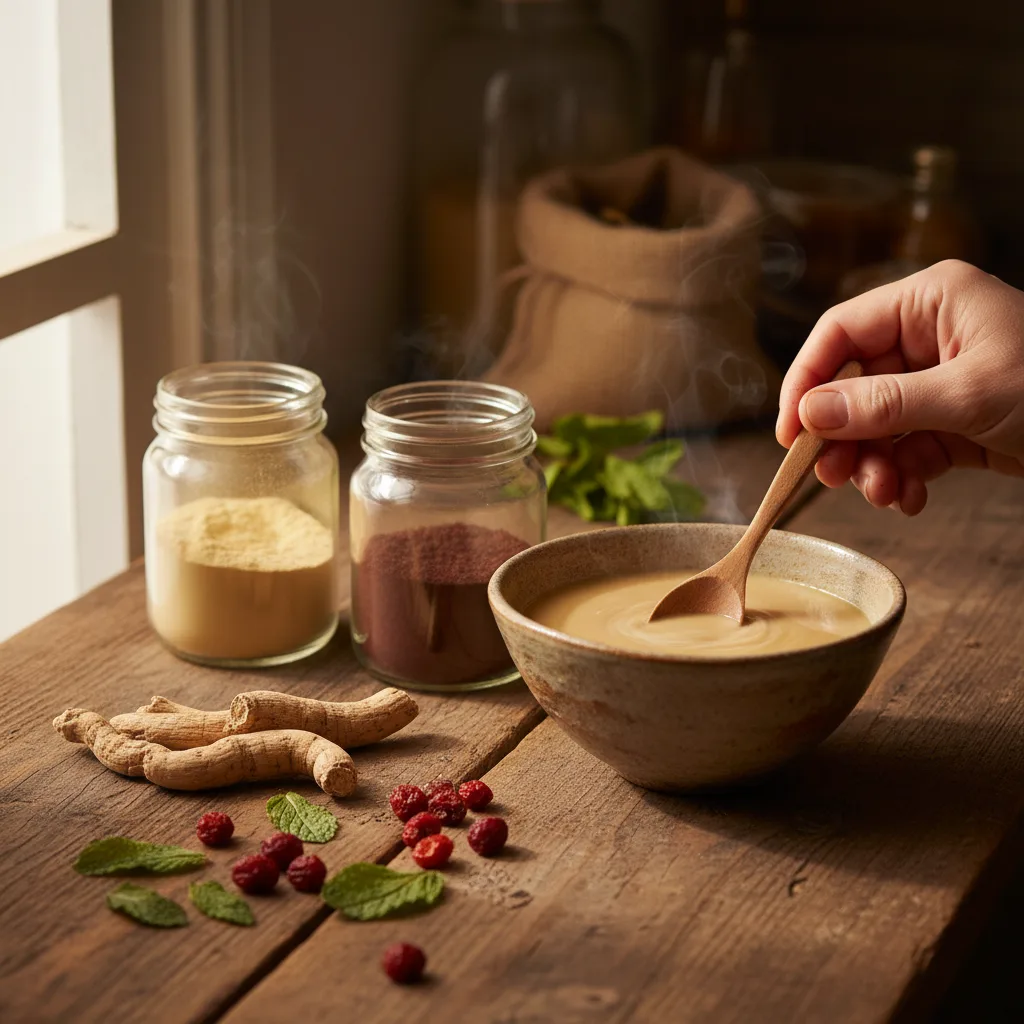
Formulators emphasize full-spectrum approaches and gentle extraction strategies that preserve the natural relationships among plant constituents. Maintaining phytochemical synergy can support predictable, consistent product profiles and aligns with consumer interest in whole-plant integrity.
Practical considerations for practitioners and wellness seekers in 2026
When evaluating complementary and alternative therapies, consider practitioner credentials, documented sourcing practices, and transparent formulation information. Digital platforms that provide evidence summaries, extraction method details, and traceability reports enhance the decision-making process for both professional and consumer audiences. For those interested in platelet health and botanical alternatives, resources such as Experience-the-healing-powers-of-papaya-leaf-boost-your-platelet-count-naturally provide practical insights.
Criteria for assessing offerings and integration strategies
Look for clear information on sourcing, extraction methods, third-party testing, and practitioner education pathways. Evaluate digital tools for privacy, security, and interoperability with other wellness resources. Prioritize options that align with personal values about sustainability and non-GMO sourcing while supporting daily routines and long-term wellness priorities.
Looking ahead: innovation shaping the field
Innovation will continue to be driven by consumer expectations for sustainability, transparency, and usability. Advances in digital delivery, supply-chain traceability, and greener extraction methods will create new pathways for safely scaling access to complementary and alternative therapies. These trends support an ecosystem focused on quality, accessibility, and informed choice.
Final perspective: empowering informed, sustainable wellness choices
The 2026 landscape favors solutions that balance time-honored practices with modern quality standards and digital accessibility. For wellness seekers and practitioners alike, the emphasis on verifiable sourcing, advanced formulation, and accessible digital tools promises a more transparent and sustainable future for complementary and alternative therapies.
Explore resources on sustainable sourcing, formation transparency, and digital delivery options to make informed choices about complementary and alternative therapies. Whether you are a practitioner or wellness seeker, prioritize verified sourcing, clear testing data, and accessible education when considering new options.
Frequently Asked Questions
How are digital health platforms changing access to complementary and alternative therapies?
Digital platforms expand access by enabling virtual consultations, guided sessions, and educational resources. They reduce geographic barriers and offer on-demand options that accommodate diverse schedules and cultural preferences. Secure teleplatforms and wellness apps also provide tools to track progress and personalize at-home practices.
What should consumers look for to evaluate sustainable botanical sourcing?
Look for third-party organic and non-GMO certifications, transparent supply-chain documentation, and evidence of ethical harvesting or regenerative practices. Traceability reports, fair-labor attestations, and accessible batch testing enhance confidence in both environmental and product integrity.
Why does bioavailability matter for botanical-based products?
Bioavailability affects the extent to which plant constituents are present in usable forms, influencing consistency and consumer experience. Thoughtful extraction and formulation can help preserve phytochemical profiles and improve predictability without implying clinical benefits or specific outcomes.
How can wearable devices be used alongside complementary and alternative therapies?
Wearables provide objective data such as heart-rate variability, sleep metrics, and activity patterns that support personalized adjustments to movement, breathing, and recovery practices. This information can guide individualized lifestyle recommendations within non-pharmaceutical wellness plans.
Are there recognized quality markers for non-GMO and organic botanicals?
Trusted markers include recognized organic seals, non-GMO verification, independent lab testing, and clear supply-chain documentation. Combined, these elements offer a holistic view of ingredient sourcing, processing practices, and product transparency.
How are digital marketplaces improving product transparency?
Marketplaces now often display sourcing information, extraction methods, certification badges, and third-party test results. Side-by-side comparisons and practitioner-reviewed education resources help consumers evaluate options against sustainability and quality criteria.
What role do extraction techniques play in product sustainability?
Extraction methods that minimize solvent use, recover more of the plant profile, and reduce energy consumption contribute to sustainability. Techniques such as CO2 extraction and water-based processes can reduce environmental impact while preserving active phytochemical profiles.
How can practitioners evaluate digital tools for client use?
Practitioners should assess data privacy, evidence summaries, interoperability, and user experience. Selecting platforms with clear privacy policies, verifiable content, and the ability to integrate client-reported outcomes helps support safe and effective client engagement.
What trends are likely to shape complementary and alternative therapies through 2026?
Key trends include stronger supply-chain traceability, improved extraction and formulation practices, wider digital access, and elevated standards for sustainability and non-GMO sourcing. These shifts emphasize transparency, quality, and usability for practitioners and consumers.