
Exploring Buyang Huanwu Decoction for Antioxidant Support: Scientific Insights 2026
Buyang Huanwu Decoction — 2026 Antioxidant and Neurological Research Overview
Buyang Huanwu Decoction is the primary focus of recent 2026 investigations linking traditional herbal formulas with antioxidant support and neurological research findings. This article summarizes peer-reviewed analyses that explore associations between Buyang Huanwu Decoction and oxidative stress markers, functional measures, and evidence quality. Readers will find methodologic context, practical considerations for botanical integration, and clear limitations found across the literature.
Why oxidative balance matters for neurological recovery and resilience
Oxidative balance influences cellular signaling and membrane integrity across tissues. In neurological contexts, episodes of reduced blood flow followed by reperfusion can generate reactive oxygen species (ROS) that stress proteins, DNA, and lipids. Research commonly measures markers such as malondialdehyde (MDA), superoxide dismutase (SOD), and glutathione peroxidase (GSH-Px) to quantify these processes.
Recent examinations of non-GMO and sustainably sourced phytochemicals have gained attention, especially in relation to neurological health and antioxidant pathways. Learn more about broader organic supplement trends in the Herbal Wellness Supplements: Insights on Non-GMO, Organic Trends for 2026 review.
Key biochemical markers measured in herbal research
Malondialdehyde (MDA) is a lipid peroxidation byproduct used to estimate oxidative damage in experimental and clinical studies. Malondialdehyde (MDA), superoxide dismutase (SOD), and glutathione peroxidase (GSH-Px) are endogenous enzymes that contribute to antioxidant defense. Observational and randomized data typically report changes in these markers as indicators of altered oxidative stress pathways.
For those interested in a more in-depth approach to evaluating herbal supplement safety, including regulatory and recall developments, see Understanding Herbal Supplement Regulation and 2026 Recall Insights.
Composition and preparation — formulation variability and analytical implications
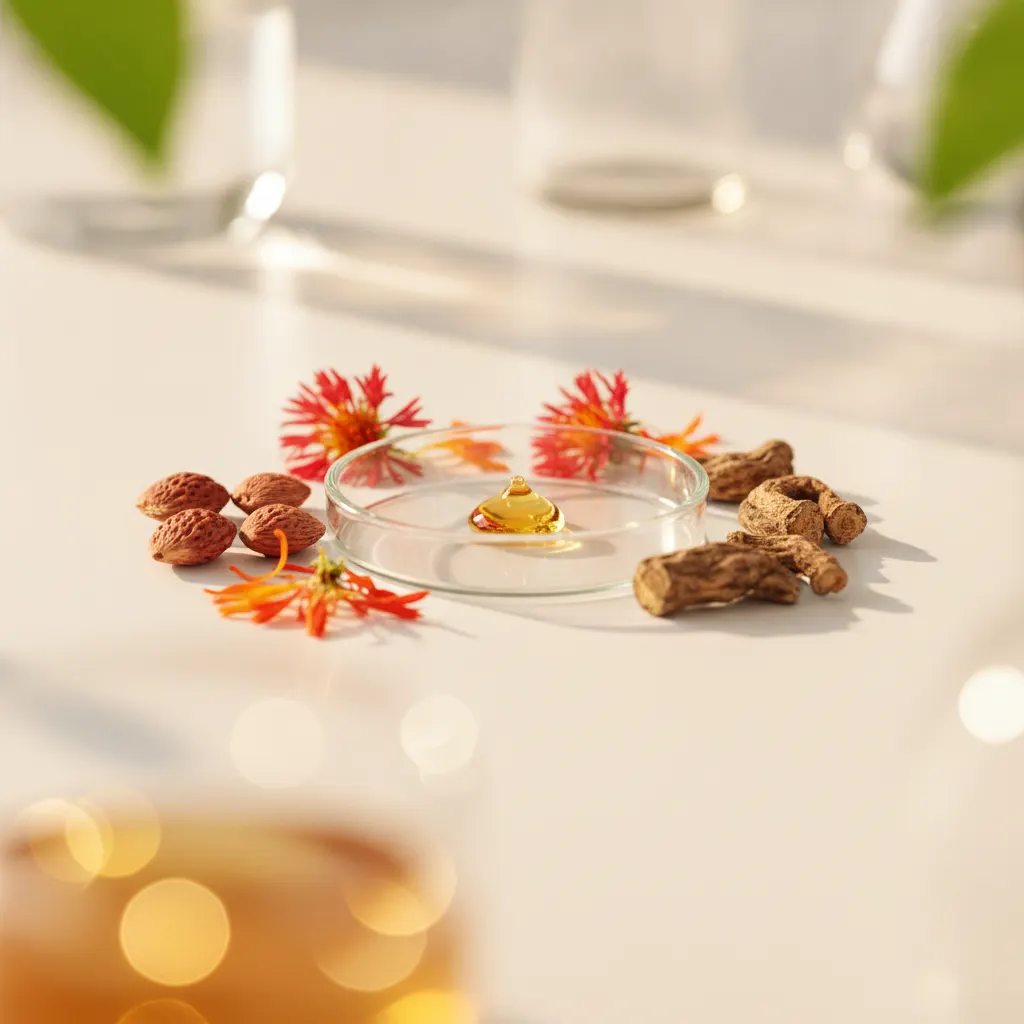
Buyang Huanwu Decoction is a multi-ingredient traditional formula containing herbs such as Astragalus root, Angelica sinensis, Chuanxiong, red peony root, peach kernel, safflower, and earthworm preparations in classical texts. Modern trials often vary ingredient ratios, extraction methods, and daily dosing, all of which influence phytochemical profiles such as polysaccharides, flavonoids, and other phenolic constituents.
Standardization challenges arise when formulas are modified. Laboratory extraction (aqueous decoction vs. concentrated granules) changes the relative content of water-soluble polysaccharides versus other phytochemicals. Such differences affect absorption, metabolic fate, and comparability across trials.
To see how other multi-herb formulations are shaping wellness in 2026, consider exploring the Konyak Herbal Formulation: Exploring Non-GMO, Sustainable Phytocompounds for Innovative Wellness in 2026.
What the 2026 meta-analyses examined regarding Buyang Huanwu Decoction
A comprehensive 2026 systematic review pooled randomized controlled trials and related clinical studies to evaluate biomarker changes and functional outcomes linked to Buyang Huanwu Decoction. The review included trials across acute, recovery, and chronic phases and compared standard care alone versus standard care plus the herbal formula as an adjunctive intervention.
The pooled dataset covered more than a thousand participants and assessed primary oxidative markers (MDA, SOD, GSH-Px) alongside standardized functional scales. The review methodology emphasized transparent selection criteria and noted variability in randomization and blinding across included studies.
Read the pooled-review methods and findings at this source: 2026 meta-analysis summary.
Findings — associations between Buyang Huanwu Decoction and oxidative markers
Across multiple trials, adjunctive use of Buyang Huanwu Decoction was associated with reduced malondialdehyde levels relative to comparator groups in pooled analyses. Reported reductions in MDA were consistent across several intervention durations, though magnitude varied with formulation and dosing.
Similarly, SOD levels tended to be higher in groups receiving the herbal formula adjunct, with greater differences appearing in trials lasting longer than four weeks. Fewer trials measured GSH-Px, and those results showed more heterogeneity and smaller sample sizes.
Broader research on herbal synergy and inflammatory modulation is also advancing, such as with Bioavailable Herbal Synergy: JI-017’s 2026 Role in Modulating Inflammatory Pathways, underscoring the value of multi-herb approaches.
For additional context and data tables in the original review, see the source study: meta-analysis details.
Functional measures and observational outcomes
Functional assessments reported in the pooled literature included widely used neurological scales and composite outcome indices. In several analyses, cohorts combining standard care with the herbal formula showed more favorable scores on these scales in pooled comparisons, though study-level heterogeneity was present.
Among herbal approaches to neurological and mood outcomes, interested readers might also reference 14 Best Natural Antidepressants for 2026: Sustainably Sourced Options for Mood Support for emerging trends in non-pharmaceutical interventions.
Important caveats include variability in outcome timing, differing adjunctive protocol details, and inconsistent blinding. As a result, observed associations should be interpreted as preliminary and hypothesis-generating rather than definitive proof of effect.
Safety signals, monitoring, and reporting limitations
Short-term observational reporting in the included trials generally showed no clear increase in adverse event frequency with adjunctive formula use. Some studies reported fewer events numerically in herbal groups, but these differences were not consistently statistically significant.
Follow-up durations tended to be limited, and rare or delayed events are unlikely to be captured. The literature emphasizes the need for standardized pharmacovigilance, explicit adverse event definitions, and longer monitoring periods in future research.
To understand broader issues about herbal safety, bioavailability, and rare risks, Navigating Rare Liver Risks of Ashwagandha: Safety, Bioavailability, and Consumer Insights 2026 provides a useful parallel case.
Standardization imperatives — dosage, sourcing, and analytical consistency
Reliable interpretation of Buyang Huanwu Decoction research requires harmonized formulation standards. Dose ranges reported across studies varied widely, which affects comparisons and meta-analytic pooling. Analytical characterization of phytochemical fingerprints and validated assays for active fractions will strengthen future evidence.
Transparency in sourcing, non-GMO certifications where applicable, and authenticated botanical identification support reproducibility. Batch testing for contaminants, heavy metals, and consistent phytochemical profiles is a best-practice recommendation echoed across the literature.
Related perspectives on non-GMO sourcing are discussed in Best Korean Vitamin C Serums 2026: Sustainably Sourced, Non-GMO Picks for Radiant Skin, which highlights similar principles in another health domain.
Evidence certainty and research gaps
The 2026 synthesis applied standard evidence frameworks and rated certainty as low to very low for many outcomes due to risk of bias, small sample sizes, and heterogeneity. For example, MDA and SOD findings were judged to have low certainty, while GSH-Px had very low certainty in the aggregated evidence.
These ratings highlight priorities for future research: larger multicenter randomized trials, pre-registered protocols, standardized formulations, and robust safety surveillance systems.
Practical considerations for integrative use and research translation
For clinicians, researchers, and informed individuals, the available evidence suggests associations between Buyang Huanwu Decoction use and changes in oxidative markers. Any consideration of adjunctive herbal use should emphasize evidence-based sourcing, clear documentation of formulation and dose, and coordination with care teams to monitor concomitant treatments.
Those designing trials should prioritize randomization transparency, blinding where feasible, validated outcome measures, and standardized adverse event reporting to raise the certainty of future findings.
Among the best practices in natural health and research innovation, the legacy described in Honoring Terry Lemerond: A Visionary Leader in Natural Health Innovation 2026 is instructive for the field’s future.
Path forward — harmonizing traditional knowledge with modern methodology
The evolving dialogue between traditional formulas like Buyang Huanwu Decoction and contemporary clinical investigation offers opportunities to refine botanical science. Progress depends on collaborative efforts to standardize preparations, apply rigorous trial designs, and deploy comprehensive analytical chemistry to define active constituents and their biological plausibility.
For researchers and readers seeking deeper methodological detail, the 2026 review provides extended methods and appendices: link to pooled review.
Summary — balanced interpretation of 2026 evidence
Buyang Huanwu Decoction appears associated with biomarker changes indicative of altered oxidative processes in aggregated trial data. Evidence quality remains variable, and safety monitoring is limited by short follow-up windows. Continued high-quality trials and standardized formulation practices are essential to clarify these associations and to support responsible integration into research and practice.
Explore evidence-based botanical research and prioritize transparent sourcing, standardized formulations, and coordinated clinical oversight. For personalized guidance, consult qualified healthcare or research professionals and select products with clear testing documentation and traceable ingredient sourcing.
FAQs
1. What is Buyang Huanwu Decoction and how is it described in modern research?
Buyang Huanwu Decoction is a classical multi-herb formula from traditional practice comprising ingredients such as Astragalus root, Angelica sinensis, and others. Modern research frames it as a complex botanical preparation whose phytochemical profile and formulation variability are important when interpreting clinical and biomarker findings. To understand more about herbal formula diversity and innovation, see the Konyak Herbal Formulation: Exploring Non-GMO, Sustainable Phytocompounds for Innovative Wellness in 2026.
2. How is Buyang Huanwu Decoction associated with antioxidant markers in 2026 studies?
Pooled 2026 studies report associations between adjunctive use of the formula and reduced malondialdehyde (MDA) alongside higher superoxide dismutase (SOD) activity. These findings are described as observational or associative rather than definitive, with variable certainty due to study heterogeneity. A recent pooled review details the biomarker associations and relevant clinical data.
3. Does the evidence show improvements in neurological scales with the formula?
Some pooled analyses found more favorable functional scores in groups receiving the formula adjunctively. However, heterogeneity in study designs, timing of assessment, and blinding reduces certainty, so these findings should be interpreted cautiously and as hypotheses for further research. See also 14 Best Natural Antidepressants for 2026: Sustainably Sourced Options for Mood Support for other approaches to neurological support.
4. What are the main limitations of the current clinical evidence?
Key limitations include inconsistent randomization and blinding, variable formula composition and dosing, small sample sizes for several outcomes, short follow-up periods, and limited standardized adverse event reporting. For comparative insight into herbal trial challenges, refer to Understanding Herbal Supplement Regulation and 2026 Recall Insights.
5. What safety considerations should be noted for research and clinical contexts?
Short-term trial reports did not consistently indicate increased adverse events, but follow-up was limited. Standardized pharmacovigilance, clear adverse event definitions, and longer monitoring periods are needed to evaluate safety reliably, especially for rare or delayed reactions. Discussions on herbal safety and bioavailability are further explored in Navigating Rare Liver Risks of Ashwagandha: Safety, Bioavailability, and Consumer Insights 2026.
6. Why is formulation standardization important for future trials?
Standardization ensures consistent ingredient ratios, extraction methods, and phytochemical profiles, enabling valid comparisons across studies. It also improves reproducibility, helps identify active constituents, and supports accurate safety and efficacy assessments. Source transparency and non-GMO practices are discussed in Best Korean Vitamin C Serums 2026: Sustainably Sourced, Non-GMO Picks for Radiant Skin.
7. What practical steps can researchers take to strengthen evidence quality?
Researchers should preregister protocols, use randomized and blinded designs when feasible, include validated outcome measures, conduct multicenter trials with adequate sample sizes, and publish full methodological details including phytochemical analyses and adverse event data. Innovation in these areas is highlighted in Honoring Terry Lemerond: A Visionary Leader in Natural Health Innovation 2026.
8. How should individuals approach herbal adjuncts based on current evidence?
Individuals interested in botanical adjuncts should prioritize evidence-based sourcing, transparent labeling, and consultation with qualified healthcare professionals. Any use should be documented alongside standard care to monitor interactions and outcomes responsibly. The broad landscape of herbal wellness practices in 2026 is described in Herbal Wellness Supplements: Insights on Non-GMO, Organic Trends for 2026.
9. Where can I find the detailed 2026 meta-analytic methods and results?
The 2026 pooled analysis includes extended methods, inclusion criteria, and data syntheses available in the source review. For direct access to the review and appendices, consult the published link provided within the article materials.