

Herbal Supplement Manufacturing Plant Setup: Best Organic Industry Guide 2026
Advanced Guide to Herbal Supplement Manufacturing Plant Setup for 2026
The herbal supplement manufacturing plant setup requires careful planning across sourcing, extraction, quality assurance, and regulatory alignment. This guide outlines scalable approaches to organic and non-GMO botanical production, emphasizing traceability, analytical rigor, and sustainable operations. It is intended for operational leaders, investors, and formulation specialists seeking practical steps to build or upgrade facilities that meet evolving market and compliance expectations. For a detailed feasibility study, see this external feasibility overview: establishing an herbal supplement manufacturing plant (feasibility study).
Design Principles for a Future-Ready Herbal Supplement Plant
A resilient herbal supplement manufacturing plant setup balances modular capacity with rigorous process controls. Start with clear zoning for quarantine, extraction, analytical labs, and finished-goods packaging to reduce cross-contamination risk.
Prioritize scalable utilities and solvent recovery systems to lower operating costs over the long term. Early decisions about layout, material flow, and cleanroom classification directly influence compliance and throughput.
Sourcing and Authenticating Organic, Non-GMO Botanicals
Sourcing begins with documented supplier qualification and Good Agricultural and Collection Practice (GACP) alignment. Long-term agreements with certified growers help secure seasonal supply and support traceability.
Require third-party certificates for organic and non-GMO status, and maintain chain-of-custody documentation for every lot. To better understand sustainable sourcing, review These 8 Beginner-Friendly Plants Can Cut Supplement Costs in 2026 for practical guidance on plant selection.
Analytical authentication should include identity and marker profiling via chromatographic methods and heavy-metal screening using ICP-MS. These checks protect product quality and demonstrate commitment to traceability and consumer trust.
Furthermore, adopting Best Practices for Safe Herbal Remedy Use: 2026 Insights for Clinicians and Wellness Seekers can enhance credibility and consumer safety.
Extraction and Concentration Technologies to Enhance Active Availability
Extraction selection should be matched to target actives and downstream dosage form requirements. Conventional hydroalcoholic and aqueous systems remain cost-effective for many botanicals.
For higher selectivity and solvent-free extracts, supercritical CO2 systems provide a clean profile and reduced thermal exposure. Learn how Moringa Leaf Powder Manufacturing: Best Organic Process & Market Outlook 2026 exemplifies extraction technology advancements for high-quality bioactive compounds.
Follow extraction with controlled concentration methods such as vacuum evaporation and drying technologies (spray drying or lyophilization) to stabilize marker compounds. Properly designed processes preserve constituent profiles and support predictable performance across batches.
Standardization and Analytical Controls That Establish Market Credibility
Standardization defines specification ranges for marker compounds and sets acceptance criteria for each batch. Implement robust in-process testing for moisture, particle size, and assay content.
Final-release testing should include identity, potency ranges, dissolution (when applicable), and microbial limits. Review Can You Trust Vitamin and Supplement Labels? Truths for 2026 Shoppers to better understand the importance of analytical transparency and compliance.
Maintaining a quality management system and documented change-control procedures helps facilities adapt formulations while preserving product integrity for domestic and export markets.
Advanced Dosage Forms and Delivery Options
A modern facility should support multiple dosage forms—capsules, tablets, softgels, tinctures, and powdered mixes—so brands can reach diverse consumer preferences. Consider vegetarian capsule options and encapsulation technologies that minimize oxygen exposure.
Discover best-in-class encapsulation in Best Organic Echinacea Supplement 2026: Non-GMO & Bioavailability Insights for improved stability and effectiveness of dosage forms.
Delivery advances such as microencapsulation and controlled-release formats can improve stability and targeted release. Design process validation protocols that demonstrate consistent content uniformity and shelf-life performance.
Facility Layout, Modular Scaling, and Environmental Controls
Modular production lines enable phased investment and faster time-to-market. Begin with core capabilities—extraction, drying, powder handling, and encapsulation—and add specialized lines (softgels, liquids) as demand grows.
Ensure HVAC and differential-pressure design meets cleanroom needs for sensitive operations. For broad operational trends, consult Nutraceutical and Medicinal Plants Market Outlook 2026.
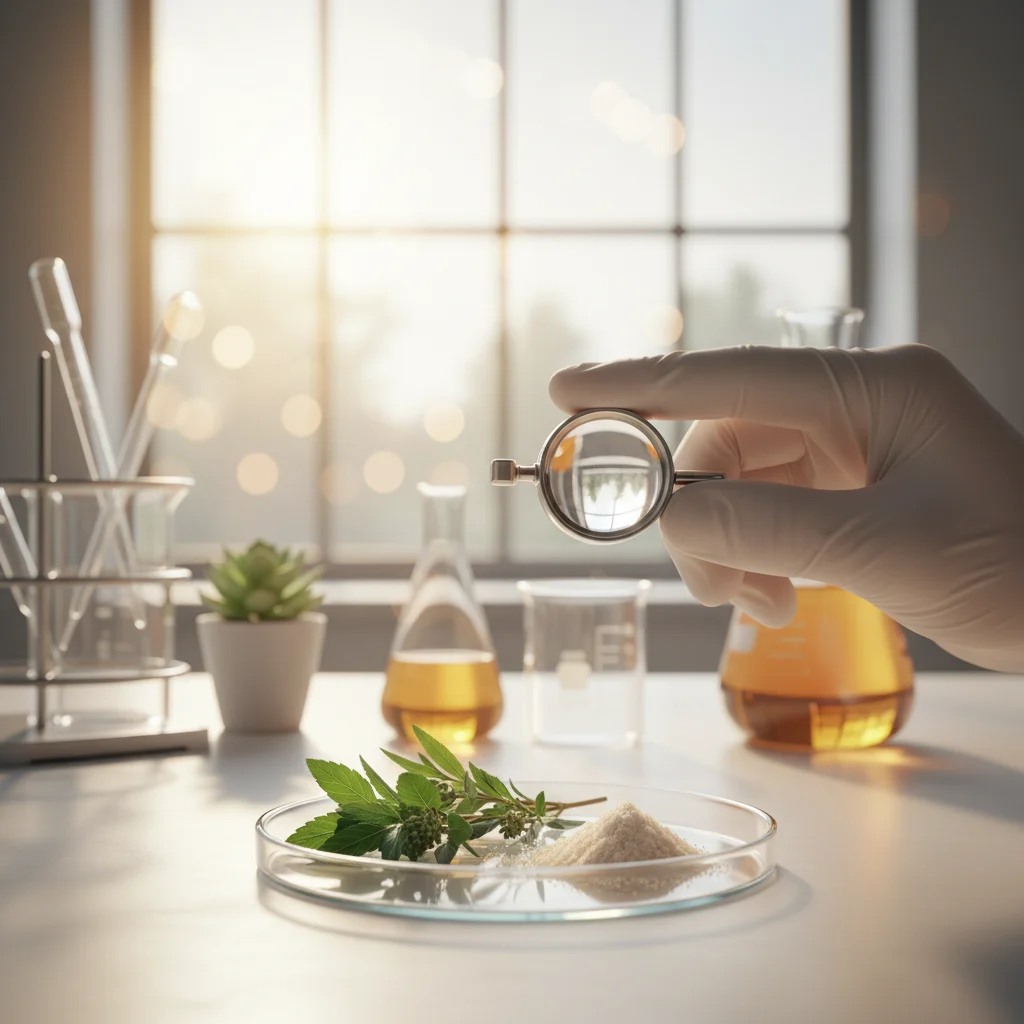
Integrate effluent treatment units and solvent recovery to reduce environmental footprint and operating cost. Sustainable waste management and recyclable packaging options support market positioning for eco-conscious buyers.
Financial Planning: Capital Allocation and Operational Cost Priorities
Capital expenditure should prioritize analytical labs, quality systems, and primary processing equipment. Typical critical assets include extraction vessels, drying systems, granulators, and encapsulation machinery. Regulatory compliance and validation costs also represent an early investment.
For effective long-term value, referencing Best Organic Desi Superfoods 2026 can guide resource allocation toward trending ingredients.
Raw materials often represent the largest ongoing cost. Procurement discipline—via long-term supplier contracts and inventory strategies—helps stabilize margins. Energy-efficient equipment and solvent recycling contribute to lower utility expenses and better long-term unit economics.
Market Segmentation and Positioning for Organic, Non-GMO Botanicals
Market demand segments include immunity-support positioning framed as resilience and wellness, adaptogenic blends aimed at stress management and mental clarity, and digestive wellness formulations that support balanced gut function.
Align product positioning with evidence-backed ingredient dossiers and clear labeling that focuses on benefits rather than medical claims. Those planning product expansions may benefit from insights in Exploring Nature’s Potential: Top 5 Herbal Products for Immunity.
Export opportunities increase when manufacturers demonstrate compliance with international standards and traceability measures. For operational leaders planning expansion, consult this feasibility overview for detailed benchmarking: establishing an herbal supplement manufacturing plant (feasibility study).
Regulatory Alignment and Certification Pathways
Early engagement with regulatory frameworks helps avoid costly redesigns. Adopt internationally recognized good manufacturing practices and prepare documentation for market-specific certifications.
Establish an in-house regulatory affairs function or third-party support to track updates and manage product dossiers for export. Quality systems and validated analytical methods are foundational to secure market access and to demonstrate ongoing compliance with authorities.
For further details, see the guide Analyzing Health Claims on Food Supplement Labels: Compliance, Consumer Understanding, and the Future of EU Regulation 2026.
Operational Excellence: Process Validation and Continuous Improvement
Documented process validation ensures reproducible output and reduces batch failures. Use statistical process control and trending to identify deviations early.
Cross-functional teams from procurement, QA, and production should meet regularly to refine specifications and supplier performance metrics. Regular internal audits and third-party inspections help maintain readiness for market-specific regulatory reviews.
Packaging, Labeling, and Sustainability Considerations
Choose packaging that protects ingredient integrity—light-blocking bottles, oxygen scavengers, or tamper-evident seals. Labeling must meet regulatory requirements for supplement facts, ingredient declarations, and country-specific statements while avoiding health claims that imply disease treatment.
For packaging and ingredient inspiration, see Herbal Beauty Products Market Trends: Bioavailable, Organic, and Sustainable Solutions 2026.
Sustainable packaging alternatives and recycled materials support brand differentiation in eco-aware markets.
Roadmap Checklist: Launching or Upgrading Your Facility
- Define capacity targets and modular investment phases.
- Secure certified organic and non-GMO supplier networks with chain-of-custody documentation.
- Select extraction and drying technologies aligned to ingredient chemistry and dosage form goals.
- Build an analytical lab with validated methods for identity, assay, and contaminants.
- Implement a quality management system and training program to support regulatory readiness.
- Pilot production, validate processes, and then scale with ongoing monitoring.
Strategic Advantages and Long-Term Value Drivers
Facilities that combine traceable sourcing, standardized extracts, and robust analytical controls attract premium channel partners. Operational agility—able to adapt formulations and dosage formats—strengthens resilience as market trends shift.
By prioritizing sustainability and transparency, manufacturers can command higher wholesale and export valuations. For investors and operators seeking a data-backed feasibility lens, refer to the operational benchmarks provided in this external study: establishing an herbal supplement manufacturing plant (feasibility study).
Next Steps: Feasibility and Planning
Ready to design an efficient, compliant herbal supplement manufacturing plant setup that emphasizes organic and non-GMO sourcing? Begin with a feasibility review of capacity, equipment, and regulatory pathways. For operational benchmarks and a sample feasibility study, consult this industry overview: https://www.openpr.com/news/4441459/establishing-an-herbal-supplement-manufacturing-plant-2026.
Frequently Asked Questions About Plant Setup
-
What are the initial regulatory priorities when planning a herbal supplement manufacturing plant setup?
Prioritize establishing a quality management system and documented GMP-compliant procedures. Secure supplier qualification documents for organic and non-GMO claims, validate analytical methods for identity and contaminants, and register products or facilities as required by target market authorities to support market access and export readiness. For regulatory documentation insights, read Analyzing Health Claims on Food Supplement Labels.
-
How should I choose extraction technology for different botanicals?
Match extraction method to the chemistry of the target actives and intended dosage form. Hydroalcoholic and aqueous extraction suit many botanicals, while supercritical CO2 offers solvent-free selectivity. Pilot studies and analytical profiling guide process parameters to protect marker compounds and maximize yield. For botanical trends, see Moringa Leaf Powder Manufacturing.
-
What key quality tests must an in-house lab perform for botanical raw materials?
Essential tests include botanical identity and marker profiling (chromatography), heavy metal screening (ICP-MS), pesticide residue analysis (GC-MS), moisture content, and microbial enumeration. These tests underpin acceptance criteria and ensure consistent input quality for downstream processing.
-
How can standardization improve product consistency and market value?
Standardization defines specification ranges for marker compounds, reducing batch variability. Consistent assays and validated processes help brands build trust and justify premium positioning in export and specialist retail channels focused on organic and non-GMO formulations.
-
What design features reduce contamination and cross-contact risk in production?
Implement physical zoning for raw material quarantine, dedicated extraction and drying areas, and separate lines for high-risk allergens. Proper HVAC design, material flow planning, and sanitation protocols prevent cross-contact and maintain product integrity throughout manufacturing.
-
Which operational metrics most influence profitability for a manufacturing setup?
Raw material cost, yield efficiency, energy consumption, and batch rejection rate drive margins. Investing in solvent recovery, efficient dryers, and supplier quality management lowers cost per unit and improves profitability over the production lifecycle. For ways to optimize costs, see These 8 Beginner-Friendly Plants Can Cut Supplement Costs in 2026.
-
What packaging choices support both stability and sustainability?
Select packaging that protects against moisture, oxygen, and light—such as HDPE bottles with desiccants or light-resistant containers—paired with recyclable or compostable secondary materials where feasible. Balancing protective function with environmental credentials enhances market appeal.
-
How do I validate a new dosage form before commercial scale-up?
Begin with a pilot batch to confirm process parameters and analytical specifications. Conduct stability testing, dissolution or disintegration (if applicable), and content-uniformity studies. Use findings to refine process controls and finalize scale-up validation protocols.
-
What are practical steps to ensure a reliable organic, non-GMO supply chain?
Develop a supplier qualification program that includes audits, GACP verification, third-party certification checks, and multi-year contracts. Maintain a chain-of-custody system and perform periodic sample testing to confirm ongoing compliance with organic and non-GMO declarations.
-
How can manufacturers prepare for international market access and export?
Align manufacturing practices with international GMP and testing standards, maintain complete documentation for traceability, and obtain market-specific certifications where needed. Early regulatory mapping and export-focused labeling help streamline market entry and buyer acceptance.