


Innovative Ways to Eat Guava: Best Organic Recipes & Non-GMO Reviews 2026
Creative Guava Recipes to Maximize Flavor and Nutrient Bioavailability
Fragrant and nutrient-dense, guava is a versatile fruit featured in many guava recipes that elevate everyday meals. Beyond simple slicing, intentional pairings and preparations can enhance both flavor and nutrient bioavailability. This guide presents practical, organic, non-GMO approaches for 2026, plus technique notes and serving ideas that make guava a reliable ingredient in plant-forward kitchens.
Why Choose Guava Recipes for Everyday Nutrition and Flavor
Guava recipes deliver a blend of fiber, vitamin C, and polyphenols in a single ingredient, making them useful for dietary variety. Thoughtful food combinations—such as pairing guava with herbs, spices, or cultured dairy—can support nutrient release and palatability. These methods prioritize whole-food integrity, minimal processing, and sustainable sourcing. If you are interested in advancing innovative, organic kitchen strategies, Advancing Plant-Based Nutrition with Organic, Sustainable Innovation in 2026 covers a broader view of plant-forward eating.
Quick Guava Chaat: A Spice-Forward Snack for Digestive Comfort
Guava chaat transforms ripe guava into a flavorful, nutrient-forward snack suitable for quick assembly. Cube the fruit, add lemon, roasted cumin, chaat-style spice blends, and a pinch of rock salt.
- Add fresh herbs like cilantro and a touch of chopped green chile for contrast.
- Serve immediately to preserve vitamin-rich components and textural crunch.
- This guava recipe showcases how spices and citrus can amplify sensory appeal and support digestion in meals.
Explore other beginner favorites in These 8 Beginner-Friendly Plants Can Cut Supplement Costs in 2026 for those new to cooking with fresh produce. For a visual reference and additional serving ideas, see this slideshow for alternate preparations: Quick guava preparation ideas.
Guava Smoothie with Ginger: Balancing Satiety and Taste
A guava smoothie blends ripe fruit with ginger, a natural sweetener like honey or maple syrup, and a liquid base such as water, plant milk, or cultured dairy. This guava recipe balances soluble fiber with gentle aromatic heat for a satisfying beverage.
- Use chilled liquids and pulpy guava for thicker texture.
- Blend briefly to maintain some fiber structure and slow-release carbohydrates.
- Add a tablespoon of protein or nut butter if you need longer satiety between meals.
Using high-fiber and vitamin-rich fruits like guava can align well with Best Organic Colon Cleanse Ingredients: Non-GMO Fiber and Herbal Support 2026, designed for digestive wellness. Blending disrupts cell walls and makes certain nutrients more available. For recipe variation, swap ginger for mint or basil, or include a citrus wedge to boost brightness.
Guava Raita: A Cooling, Probiotic-Friendly Side Dish
Guava raita pairs grated or small-cut firm guava with plain cultured yogurt, roasted cumin, and a hint of black salt. This guava recipe offers contrast: creamy, tart, and subtly sweet.
- Use unsweetened yogurt with active cultures for true probiotic synergy.
- Stir in finely chopped cucumber, fresh herbs, and a drizzle of lemon juice.
- Serve chilled as a condiment or light side that complements spicier mains.
This combination merges fresh fruit and cultured dairy, creating a balanced mouthfeel and a range of flavors that extend guava’s culinary uses beyond snacks. For those exploring innovative probiotic and plant-based dishes, Nutraceutical and Medicinal Plants Market Outlook 2026: Global Sustainability, Bioavailability Insights, and Growth Dynamics offers research-based perspective.
Guava Sabzi: Savory Preparations That Preserve Texture and Fiber
Incorporate firm, slightly under-ripe guava into a dry sabzi-style stir fry with mustard seeds, curry leaves, turmeric, and a pinch of amchur. This guava recipe holds texture when sautéed briefly, delivering both fiber and savory complexity.
- Sear spices in oil first to release aroma, then add guava cubes and cook gently.
- Keep cooking time moderate to preserve pectin and maintain pleasant chew.
- Serve with whole grains or legumes for a complete, plant-forward plate.
Gentle heat softens cell walls and can increase availability of some water-soluble nutrients while sustaining the natural structure that makes guava appealing in cooked dishes.
For readers interested in maximizing the nutritional potential of botanicals, visit Plant Extracts Market Outlook 2026: Best Organic Growth, Bioavailability Trends & Sustainable Sourcing.
Guava Leaf Tea: Traditional Brew, Modern Preparation
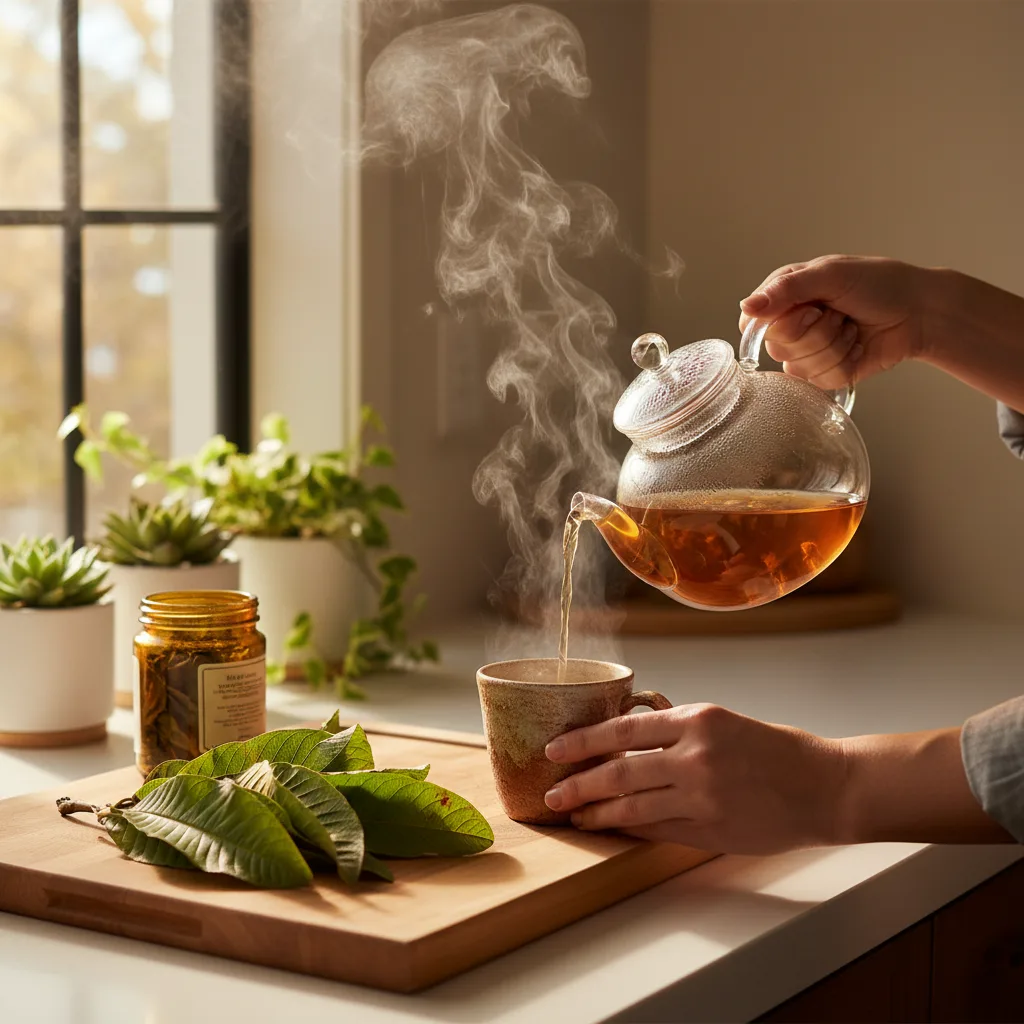
Guava leaf tea is a simple infusion made by simmering clean leaves in hot water. This guava-based beverage pulls water-soluble polyphenols into the cup and delivers a mildly astringent, earthy flavor that pairs well with mild sweeteners or citrus.
- Use freshly harvested or properly dried leaves; rinse thoroughly.
- Simmer for 8–12 minutes, then strain and enjoy hot or chilled.
- Sweeten lightly or add lemon for a bright finish.
Learn more about traditional herbal infusions and safety in Are Herbal Detox Supplements Safe? Doctors’ Warnings and 2026 Non-GMO Reviews, which addresses best practices for home-brewed teas. For a concise set of preparation examples and variations, consult this external slideshow for practical steps and visual cues: Guava leaf tea preparations.
Pairing Principles: How to Compose Guava Recipes for Best Results
Thoughtful pairings increase both palatability and the likelihood that nutrients are effectively enjoyed and absorbed. Simple rules apply across guava recipes:
- Combine guava with vitamin-C-stable ingredients like citrus to boost flavor complexity.
- Pair with cultured foods or sources of healthy fats to improve mouthfeel and meal satisfaction.
- Use spices such as cumin, ginger, and turmeric to introduce digestive-friendly flavors.
To enhance your understanding of safe, nutrient-intensive herbal options, consult Uncovering Hidden Toxins in Natural Remedies: Liver Health Risks and Safe Herbal Choices in 2026. These practical pairing choices support a diverse, nutrient-forward plate while keeping preparations approachable for home cooks.
Sourcing and Storage: Choosing Organic and Non-GMO Guava Mindfully
When possible, choose organically grown, verifiably non-GMO guava to align with environmental and purity priorities. Local and seasonal sourcing often yields superior flavor and reduces transportation impact.
- Store underripe guava at room temperature to ripen; refrigerate ripe fruit to extend freshness.
- For longer-term use, freeze peeled and chopped guava in single layers, then transfer to sealed containers for smoothies or cooked recipes.
- For leaf infusions, use leaves that have been properly washed and dried to reduce dust and surface residues.
Supporters of sustainable botanicals might appreciate Platycladus Orientalis Leaf Extract Market Outlook 2026: Innovation, Sustainability, and the Rise of Premium Botanicals, which examines the link between plant sourcing and environmental goals.

Meal-Planning and Serving Ideas for Daily Use
Incorporate guava recipes across meals to broaden dietary diversity and enjoyment. Examples:
- Breakfast: Guava smoothie with oats and a spoonful of nut butter.
- Lunch: Mixed greens with chopped guava, toasted seeds, and a citrus vinaigrette.
- Dinner: Guava sabzi alongside whole-grain flatbread or steamed rice.
- Snacks: Guava chaat or sliced guava with a dash of roasted cumin.
If you’re interested in wellness-focused eating, try Winter Comfort Foods for Radiant Skin: Best Organic Nutrition Strategies 2026 for more seasonally inspired superfood ideas. Rotating these ideas helps integrate guava into regular meal patterns while keeping recipes fresh and seasonally relevant.
Kitchen Techniques to Maximize Bioavailability and Texture
Simple technique adjustments can shift how nutrients are accessed and how pleasing a recipe is:
- Light maceration: Sprinkle guava with citrus and allow to sit five to ten minutes to soften and concentrate juices.
- Short heat: Use brief, moderate cooking to soften texture without breaking down all fiber.
- Controlled blending: Blend briefly for smoothies to retain some fiber and deliver sustained fullness.
Applying these methods across guava recipes helps optimize both eating experience and nutrient delivery.
Sustainability Considerations When Choosing Guava
Prioritize producers that practice soil health stewardship, water-efficient growing, and reduced post-harvest waste. Buying seasonal and local when available reduces carbon footprint.
- Organic and non-GMO labeling can align with these values, though local small-scale producers often follow similar sustainable practices.
- Choose minimal packaging and support suppliers who offer transparent sourcing information.
Learn more about the value of sustainable herbal gardening with Medicinal Garden Kit: 2026 Analysis of Traditional Herbal Seeds, Bioavailability, and Sustainable Gardening. These choices reflect how culinary decisions can align with broader ecological priorities.
Final Notes: Integrating Guava Recipes into Everyday Routines
Guava lends itself to many guava recipes that are accessible, flavorful, and aligned with modern priorities for organic, non-GMO, and minimally processed foods. Whether using fresh fruit or brewed leaves, these approaches emphasize whole-food synergy, practical technique, and seasonal flexibility.
For visual inspiration and alternate serving suggestions, this slideshow includes additional guava preparations and leaf tea variations: More guava ideas.
Experiment with these guava recipes—try a smoothie, a raita, and a simple leaf infusion this week. Prioritize organic, non-GMO fruit and seasonal sourcing to maximize flavor and sustainability. Use the techniques above to integrate guava into meal prep, snacks, and savory dishes for varied, whole-food enjoyment.
Frequently Asked Questions
-
What are simple guava recipes for someone new to the fruit?
Start with a guava smoothie combining ripe guava, a banana or yogurt, and a splash of milk or water. Try guava chaat—cubed guava with lemon, roasted cumin, and a pinch of salt—or a quick guava raita by folding grated guava into plain cultured yogurt with roasted cumin. You can also explore other beginner-friendly plant recipes in These 8 Beginner-Friendly Plants Can Cut Supplement Costs in 2026.
-
How do I prepare guava leaf tea safely at home?
Rinse fresh leaves thoroughly to remove dust, then simmer 8–12 minutes in clean water. Strain and enjoy hot or chilled. Use moderate quantities and avoid combining with concentrated herbal extracts; for additional safety details, see Are Herbal Detox Supplements Safe? Doctors’ Warnings and 2026 Non-GMO Reviews. If you have health conditions or take medications, consult a qualified professional before making this a regular beverage.
-
Can guava recipes fit into a plant-forward meal plan?
Yes. Guava recipes integrate well with plant-forward plates: add chopped guava to salads, blend into smoothies with plant protein, or cook guava into sabzi for savory sides. These approaches increase dietary diversity and provide fiber and phytonutrients without relying on processed ingredients. For more options, see Advancing Plant-Based Nutrition with Organic, Sustainable Innovation in 2026.
-
What herbs and spices pair best with guava in savory dishes?
Cumin, coriander, mustard seed, curry leaves, turmeric, and amchur (dried mango powder) pair well with guava’s sweet-tart profile in savory applications. Fresh herbs like cilantro, mint, and basil also brighten guava dishes and create balanced flavor contrasts.
-
How should I store guava to extend shelf life?
Store underripe guava at room temperature until it yields slightly to pressure. Once ripe, refrigerate in a sealed container to slow softening. For long-term use, chop and freeze guava in single layers on a tray, then transfer to sealed freezer bags for smoothies and cooked recipes. For sustainable storage ideas, referencing Platycladus Orientalis Leaf Extract Market Outlook 2026 may be helpful.
-
Are guava recipes suitable for meal prep?
Yes. Guava chaat and raita hold up well when components are prepped separately and combined before serving. Smoothie packs (frozen guava and fruit portions) speed morning prep. For cooked dishes like sabzi, store in airtight containers and reheat gently to preserve texture. More nutritious meal-prep ideas can be found in Winter Comfort Foods for Radiant Skin: Best Organic Nutrition Strategies 2026.
-
How can I include guava in a balanced snack?
Pair guava slices with a protein or healthy-fat source, such as a small handful of nuts, a tablespoon of nut butter, or a portion of cultured yogurt. These combinations add satiety and balance quick carbohydrates while keeping the snack minimally processed.
-
What are practical tips for choosing organic, non-GMO guava?
Look for credible labeling and, when possible, buy from local growers who disclose their practices. Seasonal produce markets and community-supported agriculture programs can provide transparency. Prioritize minimal handling and fresh-looking fruit with intact skin and pleasant aroma. Those interested in sustainability can explore Medicinal Garden Kit: 2026 Analysis of Traditional Herbal Seeds, Bioavailability, and Sustainable Gardening.
-
How do cooking methods affect guava’s texture and nutrients?
Short, moderate heating softens guava and releases some water-soluble compounds while preserving much of the fiber and texture. Extended high-heat cooking will break down pectin and may change texture significantly. Use brief sautéing or gentle simmering for savory guava recipes to maintain structure and flavor.