


Winter Comfort Foods for Radiant Skin: Best Organic Nutrition Strategies 2026
When cooler temperatures settle in and brisk winds sweep the landscape, winter comfort foods for radiant skin become especially relevant. This article focuses on how seasonal, organic ingredients and mindful meal design can support healthy skin appearance through hydration, nutrient synergy, and bioavailability. The guidance below is evidence-informed and framed to help you build a nourishing winter menu that complements topical care and overall wellness.
How winter comfort foods for radiant skin boost hydration and resilience
Cold air and indoor heating lower humidity, which can sap surface moisture and change how skin feels. Choosing hydrating winter ingredients—water-rich vegetables, warming broths, and electrolyte-containing foods—supports internal hydration and the skin’s visible suppleness. These food choices work alongside good topical routines to promote a cohesive approach to winter skin comfort.
Cucumbers, celery, winter lettuces, and cooked greens retain substantial water and supply electrolytes such as potassium and magnesium. Including water-rich produce and electrolyte sources in soups, stews, or warm salads helps maintain fluid balance and contributes to a fresher skin appearance. Small, consistent portions spread through the day maximize hydration benefits without overwhelming digestion.
Warm herbal infusions such as chamomile, rooibos, and ginger offer gentle warmth, fluid intake, and polyphenols that support antioxidant balance. Making tea a daily ritual increases overall hydration and provides a comforting, low-calorie way to deliver supportive compounds. For a deeper dive into nutritionally supportive teas, see Herbal Tea: Best Organic Rituals and Bioavailable Benefits for 2026.
Select carotenoid-rich winter vegetables to promote skin vitality
Root vegetables—like sweet potatoes, carrots, and beets—are staple winter foods and dense sources of carotenoids and phytonutrients. These compounds are associated with healthy skin appearance in observational and mechanistic research because they contribute to the pool of antioxidants available to skin cells. Prepare these vegetables with gentle methods such as roasting or steaming, enhancing nutrient content and bioavailability and flavor.
Dark leafy greens paired with citrus or winter berries form complementary nutrient profiles. Vitamin C is important for collagen synthesis and is best obtained from varied dietary sources across the day. For additional ways to support collagen production, see Nourish Your Hair and Skin from Within: Discover the Benefits of Bamboo as a Natural Source of Collagen.
Key takeaways
- Colorful winter vegetables supply a spectrum of antioxidants and carotenoids.
- Pairing vitamin C sources with greens improves uptake and functional synergy.
- Cooking choices influence nutrient retention and bioavailability.
Integrate whole grains and fiber-rich comfort foods for steady energy and skin support
Warm bowls of oats, barley porridge, or quinoa-based stews provide slow-release energy and a range of minerals linked with overall skin health. Whole grains deliver B vitamins, trace minerals, and soluble fiber for digestive comfort and consistent nutrient delivery. Learn more about traditional grains and their modern benefits with Exploring Six Centuries of Herbal Wisdom: The Roots of Healing for 2026.
Oats, in particular, have soluble fiber that’s beneficial during winter. When combined with seeds and fruit, they deliver sustained satiety and micronutrients that complement topical skin care efforts. Try overnight oats or warm porridge with chia, ground flax, and a citrus garnish for optimal nutrient variety.

Support the skin barrier with essential fats and fat-soluble vitamins
Omega-3 fatty acids, vitamin E, and provitamin A compounds from whole foods support healthy skin barrier appearance and function when consumed in a balanced diet. Integrating chia, flax, hemp seeds, walnuts, and sustainably sourced marine fish options delivers a healthy mix of fatty acids to maintain lipid balance. Pairing fat-soluble vitamins with dietary fats aids absorption.
Practical pairings like roasting colorful vegetables with healthy fats, such as olive oil or avocado, promote optimal nutrient uptake. Nuts and seeds on soups or salads add both texture and essential fatty acids, increasing the bioavailability of nutrients.
Key takeaways
- Include seeds and nuts for essential fatty acids that support barrier appearance.
- Combine fat-soluble vitamin sources with healthy fats to improve uptake.
- Diverse whole-food choices amplify nutritional benefits.
Design hearty soups and stews to lock in nutrients and deliver thermal comfort
Soups and stews are ideal winter formats for blending vegetables, legumes, grains, and herbs into nutrient-dense meals. Simmering whole-food ingredients releases water-soluble vitamins into the broth while concentrating flavors. Consistent meal timing and portioning help maintain steady energy and uptake during cold months.
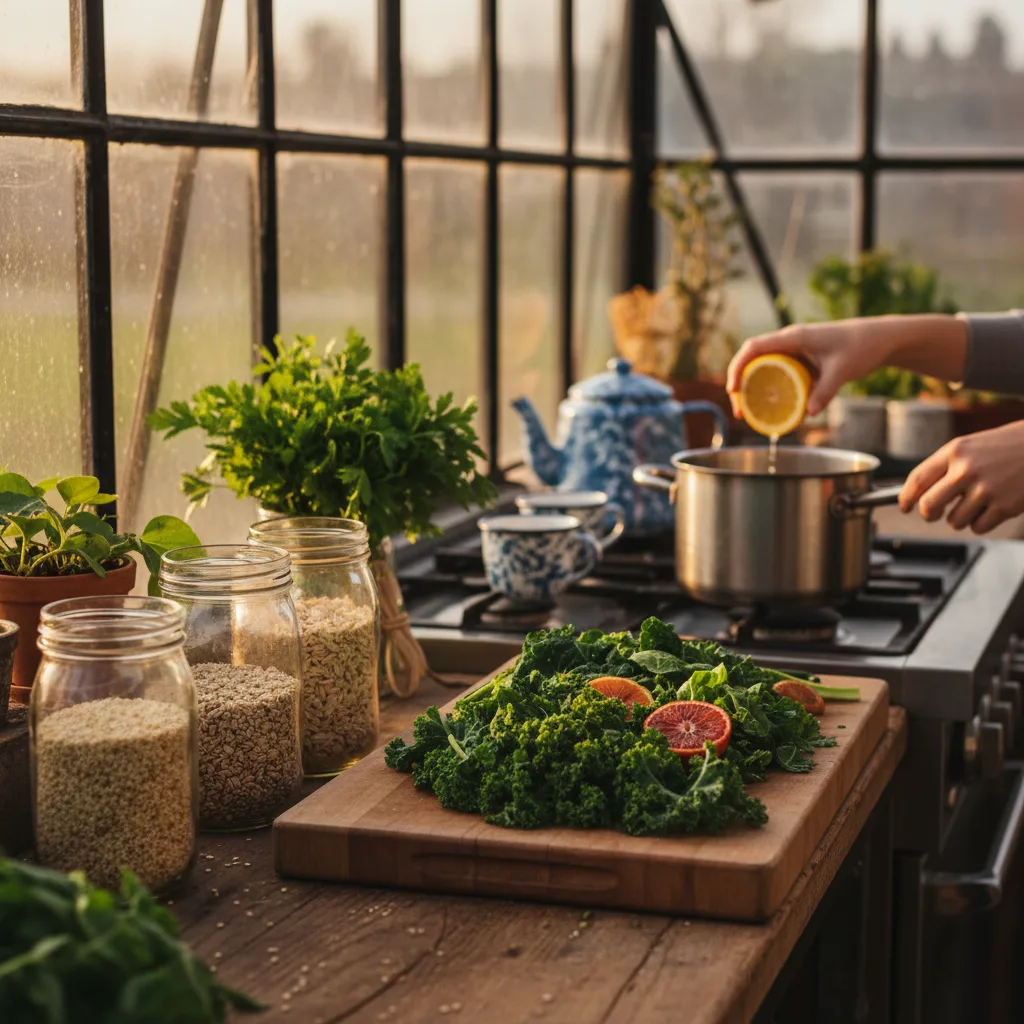
A gentle simmer preserves texture and nutrients, while adding greens late in cooking preserves vitamin C and phytonutrients. Use homemade or low-sodium broths, and finish with seeds or a drizzle of oil to enhance both flavor and fat-soluble nutrient absorption. For broader inspiration, consider referencing Exploring Six Centuries of Herbal Wisdom: The Roots of Healing for 2026.
Prioritize bioavailability: preparation techniques that improve nutrient uptake
Simple prep changes increase how much your body can extract from foods. Sprouting grains and legumes, soaking seeds, and combining vitamin C and iron-rich plants improve mineral and vitamin bioavailability. Fermentation, gentle cooking, and using healthy fats also boost how much nutrition your skin-supportive meals deliver.
Soak beans and grains overnight, lightly toast seeds for better digestibility, and add lemon or vinegar to iron-rich dishes. These techniques are easy to work into weekly routines, helping you maximize each ingredient’s benefits. For further insights into ingredient synergy and innovative preparation, see AI-Powered Natural Product Discovery: Sustainable Advancements and Bioactive Synergy in 2026.
Combine nutrition with topical winter skin care for an integrated routine
Nutrition and topical care go hand-in-hand: nourishing meals supply building blocks while moisturizers and protective products support surface hydration. This dual approach—balanced meals, good hydration, and appropriate topical care—creates a comprehensive strategy for winter skin wellness. For an expert primer on combining meal and topical routines, see How seasonal comfort meals can complement winter skincare routines.
Plan weekly menus that rotate root vegetables, greens, whole grains, and seeds to sustain nutrient variety. Prioritize local and organic ingredients for transparency and freshness. Preserving harvests by freezing or canning ensures continual access to skin-supportive nutrients year-round.
Key takeaways
- Consistent routines support reliable nutrient intake.
- Seasonal, organic ingredients often deliver strong flavor and nutrient density.
- Simple preparation methods increase bioavailability and enjoyment.
Moving forward: trends and sustainable choices for winter nutrition
Sustainable sourcing and mindful ingredient selection remain central to winter nutrition trends in 2026. Choosing responsibly grown root vegetables, certified non-GMO grains, and properly harvested seeds supports environmental health and ingredient quality. Checking origin and choosing minimally processed items lets your winter meals align with broader sustainability priorities.
Focus on variety, not single “superfood” fixes. Rotate colorful vegetables, grains, and seed types to broaden your nutrient base. Use seasonal preservation and plan nutrient-dense meals for a robust, skin-supportive winter nutrition routine.
Conclusion
Adopting winter comfort foods for radiant skin is a seasonal strategy rooted in whole foods, practical prep, and consistent habits. By combining hydrating produce, carotenoid-rich vegetables, essential fats, and planning, you support visible skin resilience and overall wellness. Refine kitchen routines and embrace local, seasonal ingredients to build a reliable foundation for skin-friendly winter meals.
Explore seasonal, organic ingredient options and practical meal ideas to support radiant skin this winter. Prioritize local, minimally processed foods and simple preparation techniques to maximize nutrient availability and enjoyment.
FAQs
-
Which winter comfort foods most effectively support a radiant skin appearance?
Root vegetables like sweet potatoes and carrots, leafy greens, citrus fruits, whole oats, seeds (chia, flax, hemp), and nuts support skin appearance. For additional traditional foods and their skin-related benefits, discover more in the article on Exploring Six Centuries of Herbal Wisdom: The Roots of Healing for 2026.
-
How does food-based hydration help skin during colder months?
Hydrating foods—like cucumbers, cooked greens, and warming broths—provide water and electrolytes that support internal balance. Combined with herbal teas, these are valuable, as shown in Herbal Tea: Best Organic Rituals and Bioavailable Benefits for 2026.
-
What role do omega-3 fatty acids play in winter nutrition for skin?
Omega-3 fatty acids from seeds, walnuts, and marine fish support your skin’s lipid environment. See more about the link between nutrition and skin with Top Adaptogens for Skin Vitality: Best Organic Botanicals & Bioactive Reviews 2026.
-
Are organic and non-GMO comfort foods preferable for skin-supportive nutrition?
Choosing organic and non-GMO ingredients may support both environmental and personal health priorities. For further insights, see Emerging Beauty and Wellness Trends: The Ultimate 2026 Non-GMO, Sustainable Guide.
-
Which cooking methods preserve skin-supportive nutrients in winter produce?
Gentle methods such as roasting, steaming, and simmering preserve carotenoids and vitamins. For market and technique trends, explore Herbal Beauty Products Market Trends: Bioavailable, Organic, and Sustainable Solutions 2026.
-
How can I increase nutrient bioavailability in winter meals?
Techniques include soaking, sprouting, pairing vitamin C with iron-rich foods, fermentation, and including healthy fats. Read more about bioavailability and ingredient synergy in Best Organic Echinacea Supplement 2026: Non-GMO & Bioavailability Insights.
-
What are easy meal-planning tips to maintain nutrient variety in winter?
Rotate root vegetables, leafy greens, grains, and seed/nut combinations. Batch-cook stews, freeze fruit, and try overnight oats. Economical plant options are discussed in These 8 Beginner-Friendly Plants Can Cut Supplement Costs in 2026.
-
How do dietary and topical routines work together for winter skin comfort?
Both supply what skin needs: internal hydration, antioxidants, healthy fats, and surface protection. For routines that blend nutrition and skin care, refer to the external guide: How seasonal comfort meals can complement winter skincare routines.