

Kratom Safety Concerns: Hospitalizations and Key Facts for 2026 Wellness
Kratom safety: Why recent hospitalization trends matter for consumers
Kratom safety is top of mind for many consumers in 2026 as usage patterns and product diversity expand. This article synthesizes surveillance data, product-quality issues, and practical guidance to support informed choices. Interest in kratom has increased alongside the wider surge of plant-based wellness products, much like those examined in the Herbal Supplements Market Trends, Segmentation, and Innovations 2026, which also highlights evolving challenges and opportunities in botanical health markets.
Kratom in the context of modern botanical use
Kratom is an herbal product made from the leaves of a Southeast Asian tree, commonly available in powders, capsules, and extracts. The modern botanical movement has seen similar growth in products such as those discussed in Latin America Herbal Supplements Market Growth & Trends: Best Organic Insights for 2026. Surveillance reports and clinical case series have highlighted increases in exposures and hospital presentations, reinforcing the importance of informed product selection and safety vigilance.
What hospitalization trends tell us about risk
National reporting systems and poison control centers have documented rising numbers of kratom exposures over the past decade. These datasets are important signals that can point to product, dosage, or use-pattern concerns. For a recent media summary of reporting trends and hospitalizations, see this news report: hospitalizations-from-natural-supplement-have-shot-up-1150.
Surveillance coverage often includes multiple contributing factors such as co-ingested substances, product contamination, or varying alkaloid content across batches. For those interested in the broader context of herbal safety, resources like Best Practices for Safe Herbal Remedy Use: 2026 Insights for Clinicians and Wellness Seekers provide important context for consumers. When interpreting hospitalization trends, it is essential to consider the role of poly-substance exposures and limitations in voluntary reporting systems.
Alkaloid composition and dose-dependent effects
Two primary alkaloids—mitragynine and 7-hydroxymitragynine—explain much of kratom’s pharmacology. These bioactive compounds can influence central nervous system receptors, and their variability influences kratom’s effects and risk profile. Dose-dependent effects are common with botanicals, similar to trends noted in Emerging Trends in the Chrysin Extract Market: Best Bioavailable and Sustainable Options 2026, where variations in active compounds can significantly change user experiences.
Kratom safety is influenced by dosage, with lower amounts typically producing stimulant-like effects and higher ones causing more sedative responses. Because product strength is not standardized, dosing consistency is a significant safety consideration. Consumers should recognize that leaf, powder, and concentrated extract forms result in different impacts and safety concerns, as is often emphasized in guides such as Are Daily Supplements Overhyped? 2026 Guide for Informed Choices.
Product diversity, engineered concentrates, and implications for safety
Commercial kratom products range from raw leaf to concentrated isolates and chemically modified alkaloids. Some concentrated forms carry substantially higher alkaloid potency, raising the potential for stronger effects and greater variability. These issues are increasingly relevant in a wellness marketplace also influenced by innovation in plant extracts, as detailed in Five Essential Medicinal Plants for 2026: Best Bioavailable, Sustainably Sourced Herbals. The presence of synthetic or engineered alkaloids complicates safety assessments, and investigative reports have noted increases in hospital visits where such products were implicated. For a recent external report summarizing exposure trends, refer to this coverage on hospitalizations.
Contamination, heavy metals, and microbial hazards
In largely unregulated markets, variability and contamination present important risks for consumers. Some products have tested positive for heavy metals, adulterants, and microbial contaminants, much like challenges faced in the Best Organic Colon Cleanse Ingredients: Non-GMO Fiber and Herbal Support 2026, where rigorous ingredient screening plays a key safety role.

Consumers aiming for assurance should look for third-party testing, accessible certificates of analysis (COAs), and independent laboratory verification—focusing not just on label claims but verified testing results.
Evidence-informed steps consumers can take
Practical steps that can reduce risk include conservative product selection, careful dosing, and verification of product quality before use.
- Review third-party lab test results and batch-specific certificates.
- Avoid products with undisclosed additives or ambiguous concentration claims.
- Use conservative dosing when trying new product forms, and monitor your responses.
- Avoid combining kratom with alcohol, sedatives, or other substances unless under professional supervision.
Practical safety steps for supplement users are outlined further in the Best Practices for Safe Herbal Remedy Use: 2026 Insights for Clinicians and Wellness Seekers, which details evidence-based approaches.
Practical sourcing guidance to support transparency
When evaluating sources, select sellers who provide COAs and traceable supply chains—just as you would for leading botanicals in the Herbal Shampoo Market Trends, Sustainability, and Bioavailable Solutions for 2026 Growth. Claims like “non-GMO” or “sustainably sourced” deserve scrutiny and should be supported by verifiable documentation.
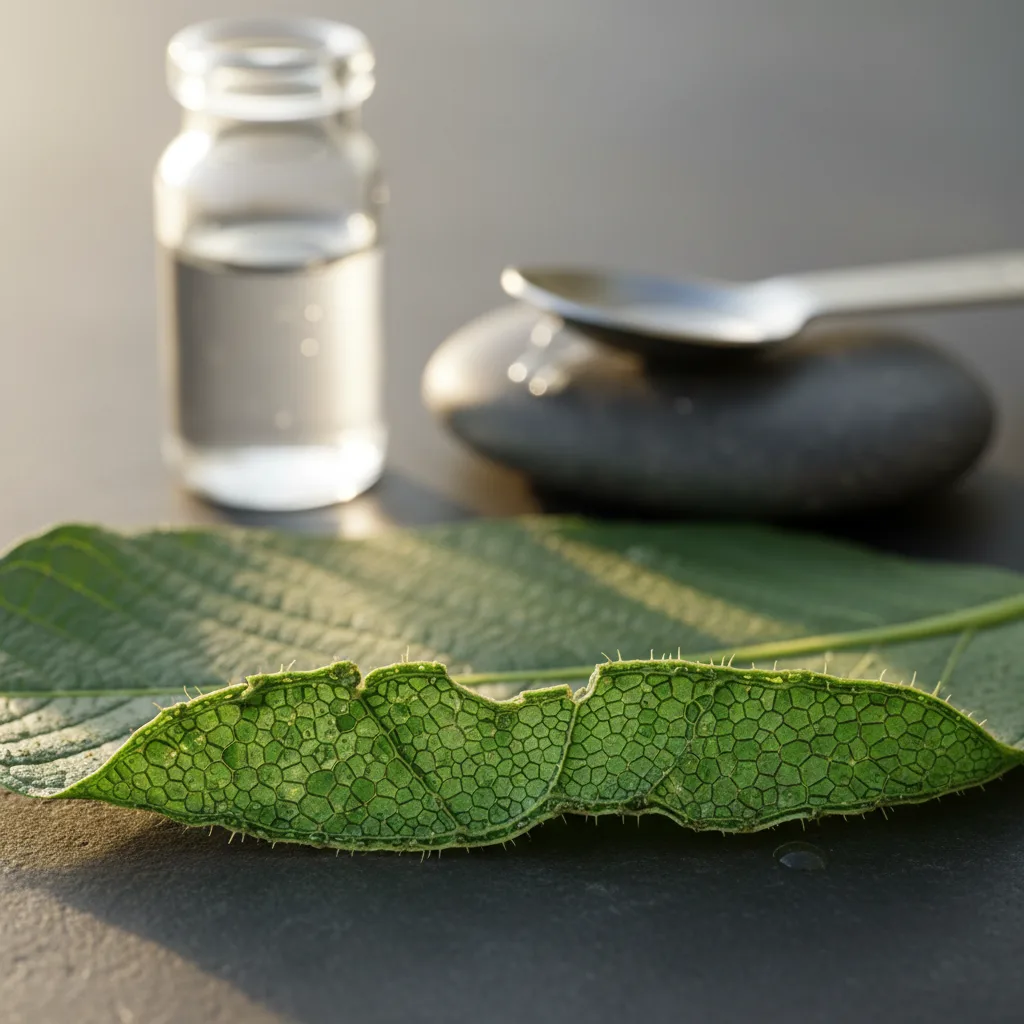
Kratom safety is strengthened by transparent labeling of alkaloid content, absence of undisclosed ingredients, and accessible contamination screening results—key hallmarks of responsible botanical sourcing.
Regulatory context and anticipated policy directions
Regulatory responses differ by region, with some jurisdictions enacting restrictions and others focusing on standards for composition and marketing. For similar industry insights, see U.S. Herbal Medicine Market Growth: Best Organic & Non-GMO Insights for 2026, which analyzes how shifting policy measures affect consumer safety and access. Stakeholders continue to monitor classification changes for concentrated or modified alkaloids and expanded testing requirements anticipated to impact kratom safety.
Monitoring personal response and when to seek help
Because individual responses vary, anyone using kratom should monitor for new or worsening symptoms and seek clinical input for concerning changes in heart rate, breathing, mental status, or other urgent signs. Professional input can help assess supplement interactions and guide safer use, echoing recommendations in resources such as Unlocking the Power of Osteopathic Medicine: Holistic Healing Insights for 2026.
Final considerations: a safety-first approach
Kratom safety depends on product composition, dosage, co-ingested substances, and manufacturing quality. The recent rise in hospital presentations, as documented in the investigative overview of hospitalizations-from-natural-supplement-have-shot-up-1150, reinforces the need for third-party verification and informed sourcing. By prioritizing transparency, rigorous testing, and conservative personal practices, consumers can make confident choices and reduce avoidable risks in 2026’s evolving kratom marketplace.
Prioritize safety when exploring kratom: choose products with transparent, batch-specific testing, conservative dosing, and clear supply-chain information. If you use prescription medications or have health concerns, seek professional guidance to reduce interaction risks and support informed, safety-focused decisions.
FAQs
-
What does ‘kratom safety’ mean and what factors determine it?
Kratom safety refers to the overall risk profile of kratom use, determined by product composition, dosage, manufacturing quality, and whether it is combined with other substances. Factors such as accurate labeling, presence of contaminants, and third-party testing, as described in the Best Practices for Safe Herbal Remedy Use: 2026 Insights for Clinicians and Wellness Seekers, play central roles.
-
Why have hospital visits related to kratom increased in recent years?
The rise in hospital visits is linked to greater use, product potency variability, engineered concentrates, and poly-substance cases. Surveillance data highlight risks and the need for stronger quality controls, paralleling broader Herbal Supplements Market Trends, Segmentation, and Innovations 2026 in quality assurance.
-
How can consumers evaluate product quality to support better kratom safety?
Consumers should review batch-specific COAs from independent labs, supply-chain transparency, and signs of GMP-style oversight. Testing for heavy metals, alkaloid profiles, and microbial contaminants is essential, as is guidance found in Herbal Shampoo Market Trends, Sustainability, and Bioavailable Solutions for 2026 Growth.
-
Are concentrated kratom extracts riskier than raw leaf for safety?
Concentrated extracts have higher alkaloid content, creating stronger and less predictable effects compared to raw leaf. This variability can increase safety challenges for consumers, especially when not fully informed, similar to issues in the Emerging Trends in the Chrysin Extract Market.
-
What precautions reduce interaction risks when using kratom?
Avoid combining kratom with alcohol, sedatives, or medications impacting the nervous or cardiovascular systems unless advised by a professional. Starting with conservative doses and maintaining a medication list for healthcare providers are prudent steps, echoing approaches in Shatavari for Women’s Health: Best Organic Adaptogen Trends 2026.
-
How important is third-party testing to kratom safety?
Third-party testing verifies potency, detects contaminants, and exposes undisclosed additives, making it critical for safety. Public COAs help consumers compare products, an approach vital to other botanicals too, as shown in Best Organic Colon Cleanse Ingredients.
-
What signs should prompt immediate medical attention after taking kratom?
Rapidly progressive symptoms such as breathing difficulty, chest pain, severe confusion, fainting, or seizures require urgent clinical evaluation. Any unusual or severe effects after supplement use should be taken seriously.
-
How do policy and regulation influence kratom safety for consumers?
Policy shifts and regulatory actions can require standardized testing and transparent labeling, directly improving kratom safety. Monitoring regulatory updates is as important for kratom as it is for other supplements in the U.S. Herbal Medicine Market Growth.