

Transformative DIY Herbal Rituals for Lasting Relief: At-Home Apothecary Practices 2026
Home Apothecary Rituals for Sustainable Well‑Being in 2026
Stepping into mindful plant practices can feel like entering a large garden of possibility. The first step to establishing home apothecary rituals is simple: commit to regular, intentional actions that support everyday well‑being. Home apothecary rituals are accessible, inexpensive, and can be adapted to personal needs using common herbs and household tools. For practical inspiration and context, review this feature for background and sourcing considerations.
How home apothecary rituals help you build consistent self‑care
Adopting home apothecary rituals encourages a routine that supports calm, focus, and nutritional variety. Rituals create predictable spaces for pause and intentionality throughout the day. Repetition of small acts—tea, aromatic baths, or infused oils—builds habits that support resilient daily patterns. When practiced consistently, these rituals help anchor time for reflection and nourishment.
Exploring practices such as daily tea infusions and simple body oils aligns with a broader holistic healing philosophy, fostering habits that enhance long-term self-care.
Create intention-driven rituals that enhance presence and sensory awareness
Intentional practice is what distinguishes a habit from a ritual. Before preparing an infusion, set an intention—what you want to cultivate in that moment. This primes attention and creates a meaning layer that enhances the experience.
Use the five senses to deepen each practice
Mindful apothecary work engages sight, touch, smell, sound, and taste. Observe herb textures and colors, feel leaves, inhale steam, listen to the pour, and savor the flavor. Each sense contributes to clearer focus and a stronger sense of presence.
Start simply with accessible tools and botanicals
You do not need specialized gear. Begin with a kettle, a good mug, and common plants like peppermint, nettle, or chamomile. As you gain confidence, add simple tools such as a strainer, glass jar for macerations, or a small mortar and pestle.
Incorporating accessible botanicals brings the benefits of herbal extracts right into your kitchen, making these rituals easy to integrate into real life.
Safety first: integrate botanicals with awareness and professional guidance
Integrating herbs into daily life requires attention to safety, especially when there are existing medications, pregnancy, lactation, or young children involved. Check interactions and suitability with a qualified healthcare professional before adding new botanicals to your routines. This reduces risk and supports informed choices.
Practical precautions for special life stages
People on prescription medications should consult their healthcare provider about herb compatibility. Pregnant or breastfeeding individuals benefit from tailored guidance on suitable botanicals. For children, choose mild herbs at appropriately reduced strengths and consult pediatric‑focused resources.
Those in lactation or pregnancy stages may find further insights in the Lactation Drink Mixes: Best Organic, Non-GMO, and Bioavailable Options for 2026 resource, for additional ingredient safety considerations.
Sourcing and quality: reading labels, testing marks, and supply ethics
Choose botanicals with transparent ingredient lists and clear sourcing statements. Look for third‑party testing and certificates that indicate purity and non‑GMO practices. Sustainable harvest and regenerative sourcing describe environmental and ethical priorities; prioritize suppliers who disclose practices and testing results.
For additional context on sourcing and cultural perspectives, see apothecary feature.
Opting for products with organic or non-GMO certifications aligns with Emerging Beauty and Wellness Trends and supports a more holistic approach to sustainable well-being.
Simple daily rhythms that support overall vitality
A consistent sequence of small rituals creates cumulative benefit for daily energy and calm. Morning, midday, and evening acts each serve a purpose and can be adapted to your schedule. Below are examples you can tailor to time and preference.
Sample daily flow
- Morning: a mineral‑rich infusion such as nettle to add trace minerals and ritualize the start of day. Keep portions moderate and consistent.
- Afternoon: a warm peppermint or ginger infusion to encourage a mindful break and digestive ease.
- Evening: a chamomile or oatstraw infusion to cue rest and reflection.
Stitching these routines together cultivates a resilient foundation for longevity with food, movement, and natural routines, supporting overall vitality in the long term.

Maximizing nutrient access: extraction methods and timing
Preparation affects the compounds you extract and how bioavailable they are. Choose techniques based on plant part and desired constituents.
Common methods and when to use them
- Infusions (steeping leaves and flowers) release water‑soluble vitamins and aromatic compounds.
- Decoctions (simmering roots or hard barks) help extract more resilient constituents from dense materials.
- Cold macerations preserve volatile oils and delicate aromatics when heat would degrade them.
Selecting appropriate extraction methods parallels current standardized approaches in global herbal formulations, ensuring optimal nutrient and bioactive compound delivery.
Supporting emotional balance with gentle botanicals
Certain plants are traditionally incorporated into daily rituals to help regulate stress responses and support calm. Oatstraw, lemon balm, and chamomile are often selected for their mild, supportive qualities. When used as part of a consistent ritual, these botanicals can help create a predictable calming routine.
Complementing these daily rituals with Siberian Ginseng (Eleuthero) for Stress & Energy can contribute to enhanced resilience, especially during demanding periods.
Digestive comfort and plant allies for everyday use
Herbs such as peppermint, dandelion, and ginger are commonly used to support comfortable digestion in routine practices. Peppermint may promote a sense of digestive ease; ginger is valued for warming support; dandelion can be included as part of bitter traditions to encourage regular digestive rhythm. Always validate appropriateness for your health profile.
Dandelion’s digestive benefits also align with Liver Health Herbal Supplements in 2026, expanding the range of plant allies for gut and liver support.
Thoughtful approaches to foundational resilience and tonic usage
Adopting gentle, ongoing tonic rituals—such as a routine root or mushroom infusion taken over weeks—can be a way to create steady nutritional variety. Choose respected, transparently sourced botanicals and stagger new additions to gauge individual responses. Consider a daily tonic as part of a wider lifestyle approach rather than a quick fix.
The ongoing use of tonic botanicals fits strategies seen in the wider U.S. Herbal Medicine Market Growth, reflecting modern trends in immune and vitality support.
Emotional and spiritual benefits of plant‑centered rituals
Plants such as rose and lemon balm are frequently used in practices that support emotional reflection and heart‑centered attention. These botanicals can be incorporated into baths, steam infusions, or simple teas to invite a softer, restorative pause in a busy day. Rituals that include sensory invitation often foster emotional clarity and self‑compassion.
Taking time for these restorative moments mirrors the cultural and personal renewal found in Renetta M. Cheston: Transforming Holistic Healing Practices for 2026.
Practical recipes and preparations
Basic herbal infusion (tea)
- Use one to two teaspoons of dried herb per cup of hot water.
- Pour water just off the boil over the herb and steep covered for five to ten minutes.
- Strain and sip slowly. Adjust strength to taste.
Simple cold maceration for delicate flowers
- Place fresh or dried flowers in a glass jar and cover with cool, filtered water or oil.
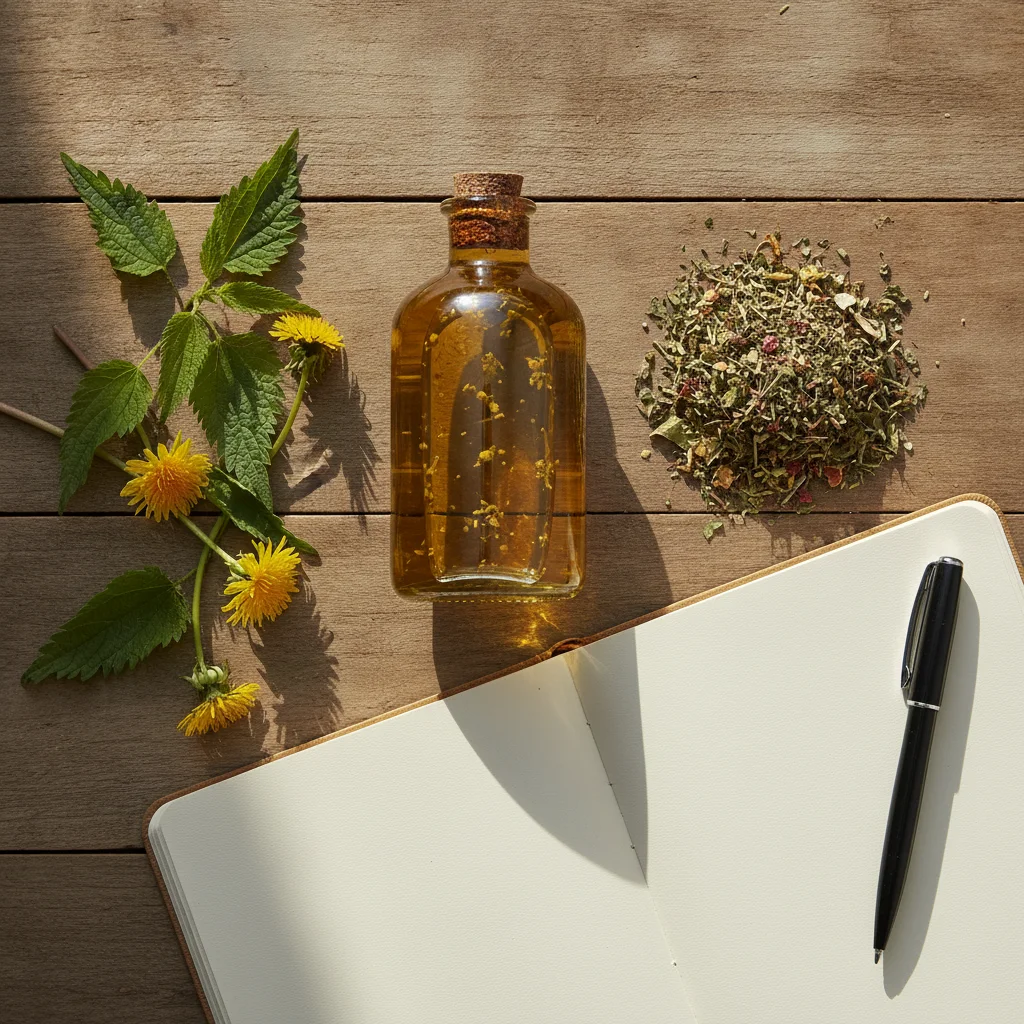
- Refrigerate for several hours to one day for water macerations; for oil macerations leave in a sunny window for several weeks, shaking daily.
- Strain and use as aromatic baths, compresses, or topical aromatics.
Integrating rituals sustainably and ethically
Select botanicals from vendors who disclose sourcing and certifications. Rotate and diversify plants to reduce pressure on any single species. Consider cultivating small amounts of common herbs at home to ensure fresh access and reduced transport footprint.
The evolution of these mindful sourcing practices parallels shifts in the broader Herbal Extracts Market Outlook 2026, where consumer interest drives transparency and sustainable supply chains.
For sourcing stories and cultural context, consult this feature as background: apothecary feature.
Closing: make ritual a reliable foundation for daily renewal
Home apothecary rituals invite intentional moments of care that, over time, create stable patterns of attention and nourishment. With mindful selection, basic safety checks, and consistent practice, these rituals can become a dependable framework for balanced living. Begin simply, track reactions, and grow your practice with curiosity and care.
Begin a mindful plant practice today: choose sustainably sourced herbs, start simple, and track your experience. Prioritize quality, transparency, and safety as you build rituals that support everyday balance.
FAQs
-
What are home apothecary rituals and how do they fit into daily life?
Home apothecary rituals involve repeated, intentional plant-based practices like infusions, baths, and oils to add structure and mindful nourishment to daily routines. They support small pauses for reflection and routine self-care and can complement holistic health strategies as explored in the Unlocking Longevity with Food, Movement, and Natural Routines | 2026 Holistic Health Guide.
-
How do I choose a primary herb to start my practice?
Select a widely available, well-tolerated herb such as chamomile, peppermint, or nettle, and factor in any medications or life stage. Resources such as the Lactation Drink Mixes guide can help those in special circumstances choose appropriate botanicals.
-
What safety steps should I take before adding new botanicals?
Review interactions with your current medications, consult a qualified practitioner as needed, and confirm suitability for pregnancy, lactation, or children. Always look for third-party tested and certified herbs, aligned with practices described in Emerging Beauty and Wellness Trends.
-
How do preparation methods affect what I get from herbs?
The preparation method impacts which nutrients and compounds are extracted. Steeping leaves and flowers (infusions) releases water-soluble compounds, simmering roots and barks (decoctions) draws out denser elements, and cold maceration preserves heat-sensitive aromatics. Following practices from Standardizing Ayurvedic Formulations can optimize results.
-
How can I ensure my herbs are sustainably sourced and high quality?
Look for transparent sourcing, testing seals, and non-GMO or organic claims. Favor reputable vendors and consider growing your own for maximum freshness. See also the Herbal Extracts Market Outlook 2026.
-
Can children participate in at‑home apothecary rituals?
Yes—use only gentle herbs at reduced strengths and consult pediatric resources. Non-ingestive practices, such as steam inhalations or baths, are preferable for children, paralleling advice seen throughout family-focused herbal resources.
-
How often should I use a herbal tonic or infusion to notice benefits?
Many notice changes after several weeks of daily use. The main goal is creating steady support, as echoed in the U.S. Herbal Medicine Market Growth, where gradual integration is emphasized.
-
How do I store prepared herbal infusions and tinctures safely?
Refrigerate water-based infusions and use within 48 hours; oil macerations keep longer in cool, dark places. Always label jars with date and ingredients to help track freshness and safety.
-
Are there simple rituals for emotional balance I can practice daily?
Yes. Try an evening chamomile or lemon balm infusion, practice intentional inhalation of herbal steam, or reflect with a calming tea. Consistency is key for emotion-focused rituals—see also Renetta M. Cheston for more holistic strategies.
-
How can I responsibly incorporate mushrooms or tonic roots into my routines?
Choose verified botanicals with thorough supplier testing and documentation. Start slowly, observe reactions, and consult professionals when needed. Incorporating these practices fits well with approaches seen in the Herbal Extracts Market Outlook 2026.