


Urban Foraging: Safely Exploring Wild Edible Plants in City Parks 2026
Rediscover Urban Foraging: Safely Finding Wild Edible Plants in City Parks
Urban foraging is an accessible way for city residents to deepen connection with local green spaces while learning plant identification and sustainable harvest practices. This guide on urban foraging focuses on safety, site selection, ethical behavior, and practical preparation so you can explore responsibly and build lasting skills.
How Urban Foraging Strengthens Community Stewardship and Local Knowledge
Urban foraging fosters civic engagement by encouraging people to observe, document, and care for neighborhood plant life. Residents who engage in mindful harvesting often become advocates for park stewardship and biodiversity-friendly management. When practiced responsibly, foraging can expand community knowledge about native and naturalized species while encouraging low-impact interaction with public landscapes. Those interested in supporting environmentally conscious habits may also explore holistic wellness practices such as Unlocking Longevity with Food, Movement, and Natural Routines | 2026 Holistic Health Guide.
Sustainable Harvesting Practices For Responsible Foragers
Responsible foragers follow clear principles to avoid depleting plant populations and to protect wildlife. Best practices include removing only a small portion of a plant population, avoiding rare or protected species, and rotating harvest sites. These actions preserve the ecological function of parks and help maintain vibrant plant communities that benefit everyone. For a deeper understanding of herbal practices and sustainability, consider the Medicinal and Aromatic Plant Market: Best Organic Trends and 2026 Global Outlook.
Ethics Checklist for Low-Impact Collection
- Take no more than a small percentage of a plant or patch at one visit.
- Avoid harvesting reproductive parts when populations are small or during critical growing periods.
- Prioritize native and abundant species and avoid areas under restoration.
Practical Plant Identification Steps Every Urban Forager Should Master
Correct identification is the cornerstone of safe urban foraging. Relying on multiple confirmation methods reduces uncertainty and increases confidence when exploring wild edible plants. You can further support your journey by learning from resources on Understanding Herbal Supplements: Best Organic and Sustainably Sourced Insights 2026.
Field Methods for Reliable Identification
Use current regional field guides and attend locally focused workshops to learn distinguishing features. Photograph several plant parts—flowers, leaves, stems, and growth habit—to compare with trustworthy references. Keep notes in a plant journal and cross-check identifications with multiple sources before any harvest. Integrating knowledge from Exploring Konyak Tribal Herbal Medicine: Natural Compounds with Promising Potential in 2026 can also broaden your understanding.
Digital Tools as Identification Aids
Mobile plant ID apps can assist with initial recognition but should be treated as supplemental. Combine app suggestions with manual comparison to guidebooks and expert input. For location-specific guidance, consult the linked park-focused resource: urban foraging reference.
Choosing Safer Harvest Sites in an Urban Setting
Urban environments present unique contamination risks that foragers must consider. Prioritizing cleaner micro-sites lowers potential exposure and supports safer use of wild edibles collected for personal consumption. For those who want greater insight into global plant-based trends and quality, see Europe Botanicals Market Outlook 2026: Best Organic Trends & Bioavailability Insights.
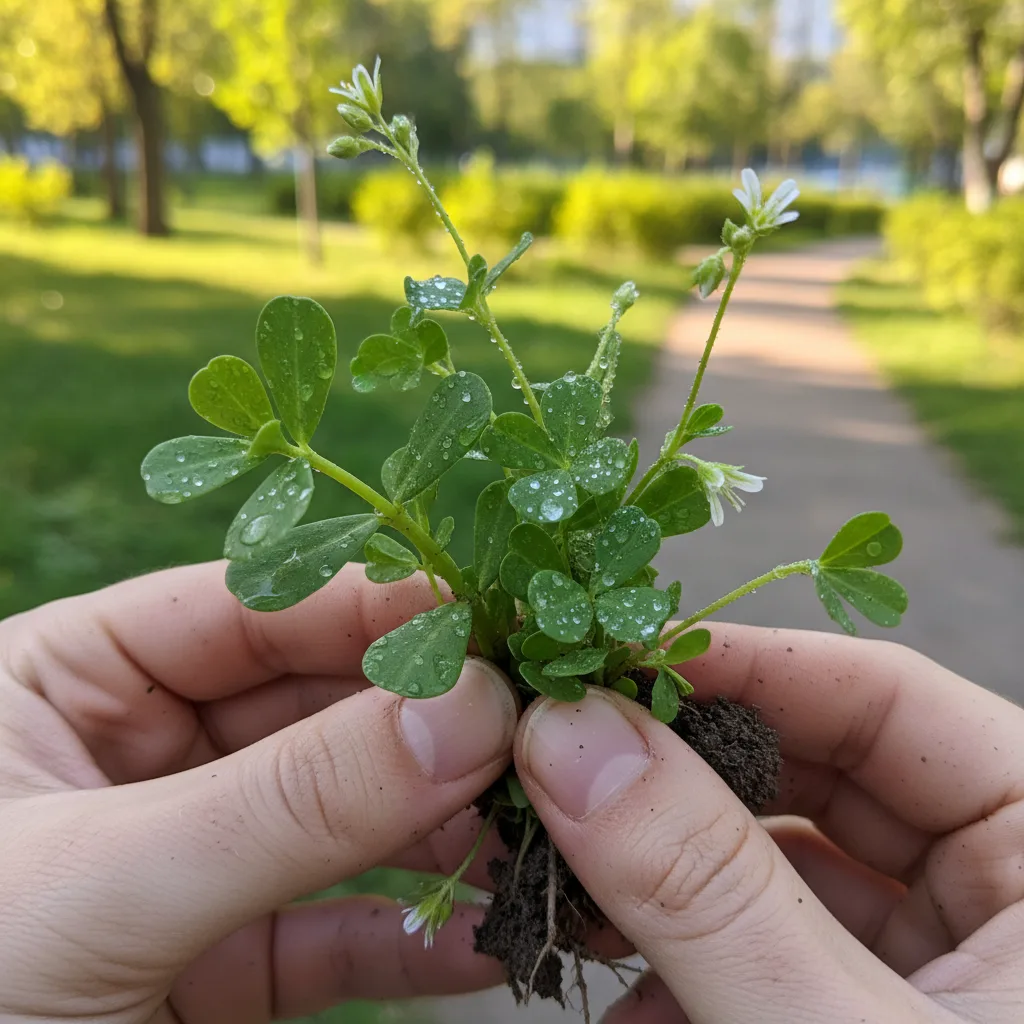
Site Selection: What to Avoid and Why
Avoid areas adjacent to busy roads, railways, industrial facilities, or fenced utility lots where runoff or airborne pollutants may accumulate. Steer clear of lawns or beds showing signs of chemical treatment. Prefer green spaces with organic maintenance practices and established naturalized planting areas. If you’re interested in additional safety protocols when sourcing natural products, reference Understanding FDA Supplement Recalls and Safe Herbal Choices: Best Practices for 2026.
Simple Field Tests and Observations
Look for healthy soil cover, absence of industrial residue, and no visible signs of recent chemical application. When in doubt, document the site and consult municipal park managers or local ecology groups before harvesting. Additional location-specific guidance is available here: park plant notes.
Legal, Social, and Safety Considerations for Urban Foragers
Foraging in public spaces intersects with municipal regulations, park rules, and social norms. Educating yourself about these factors helps ensure that foraging remains welcome and sustainable in your community. Additional context about community-driven initiatives and growth can be found in Celebrating Small Business Excellence in Madison: Community Growth and Opportunity 2026.
Checking Local Rules and Respecting Shared Spaces
Always check municipal codes and park policies before gathering any plants. Some parks permit limited, non-commercial harvesting; others prohibit collection to protect resources. When permitted, adopt a leave-no-trace attitude: fill holes, carry out litter, and avoid disrupting wildlife and other visitors.
Social Behavior and Community Engagement
Model respectful behavior by asking permission on shared community plots, sharing identification knowledge without asserting expertise, and reporting rare or problematic plant occurrences to park stewards. Engaging with local groups helps align personal foraging with broader conservation goals.
Post-Harvest Handling: Washing, Preparation, and Culinary Use
How you handle plants after harvest affects both safety and palatability. Simple, practical steps reduce residual contaminants and improve digestibility for many edible greens and roots. If you’re interested in safe and organic food trends, see Natural Food Stock Trends: Best Organic, Non-GMO Opportunities for 2026.
Cleaning Techniques
Rinse harvested plants thoroughly in clean water, and consider multiple rinses for soilier items. For roots or tubers, scrub under running water and trim exterior portions. When appropriate, blanching or cooking can improve texture and help remove transient surface residues.
Preparation Tips to Preserve Flavor and Nutrients
Minimize cooking time when you want to retain delicate flavors and micronutrients. Pair wild greens with complementary ingredients to balance bitter or astringent notes. Preserve small harvests quickly by lightly drying or cold-storing for short-term use. Herbal tea drinkers may want to consider Spearmint Tea Benefits in 2026: Non-GMO Reviews and Sustainable Wellness Insights for creative inspiration after harvesting aromatic wild herbs.
Nutritional and Ecological Benefits of Diverse Urban Foraging
Including a variety of wild edible plants in a diet can add micronutrient diversity and novel flavors that commercial produce may lack. Ecologically, informed foraging can increase public appreciation for urban biodiversity and support conservation messaging. Those who focus on plant-based wellness may be drawn to the latest in Immune Health Supplements Market Outlook 2026: Bioavailable, Organic & Non-GMO Trends.
Why a Multi-Species Approach Matters
Relying on many species helps avoid overharvesting any single plant and supports a balanced intake of different phytonutrients. Foragers who choose seasonal diversity promote sustainable harvest cycles and reduce pressure on local populations.

Building Competence: Education, Mentorship, and Community Science
Long-term responsible urban foraging is grounded in ongoing learning. Combining classroom resources, hands-on identification, and community-sourced data strengthens both personal competence and local ecological knowledge. For a broader perspective on the value of learning from traditional practices, you might explore Lactation Drink Mixes: Best Organic, Non-GMO, and Bioavailable Options for 2026.
Educational Pathways for Aspiring Foragers
Attend guided walks, join botanical clubs, and volunteer with local restoration projects to gain direct experience. Share observations with community science platforms to improve collective understanding of urban flora. For additional localized tips and case studies, see this park-focused discussion: explore park plants.
Final Checklist Before You Harvest
- Verify species with at least two reliable sources.
- Confirm site is away from likely pollution and not chemically treated.
- Check local regulations and obtain permission where required.
- Harvest minimally, and document your observations to inform future visits.
Continuing the Practice Ethically
Urban foraging is a practice best developed slowly, with humility and attention to local ecological balance. By centering safety, legality, and respect, foragers can contribute positively to urban green spaces while enjoying the educational and sensory rewards of wild edible plants.
Commit to safe, informed urban foraging by prioritizing accurate identification, legal compliance, and low-impact harvest methods. Begin with local education—join a guided walk, consult regional field guides, and connect with community stewardship groups to deepen skills and contribute to healthy urban ecosystems.
FAQs
1. What is the best first step for someone new to urban foraging?
Start by learning to identify a few common, abundant species in your region through reputable field guides and local workshops. Practice observation without harvesting, take detailed photographs, and consult experienced foragers or educators before collecting. Building a plant journal over several seasons builds reliable recognition skills and reduces the risk of misidentification. For those curious about broadening their knowledge, considering resources such as Exploring Konyak Tribal Herbal Medicine: Natural Compounds with Promising Potential in 2026 may be helpful.
2. How can I tell if a park area is safe for foraging?
Assess the location for proximity to busy roads, industrial sites, or visible runoff, and avoid areas with signs of chemical treatment. Look for healthy soils, diverse plantings, and parks that use organic management. When unsure, contact municipal park staff or local ecology groups to confirm maintenance practices before harvesting. To further ensure your safety when handling natural products, reference Understanding FDA Supplement Recalls and Safe Herbal Choices: Best Practices for 2026.
3. Are plant identification apps sufficient for safe harvesting?
Apps are a helpful supplement but should not be the sole method for confirmation. Use apps alongside printed guides, expert consultation, and field observation of multiple plant parts. In ambiguous cases, prioritize additional verification and avoid harvesting until you are confident.
4. What are low-impact harvesting techniques for urban foragers?
Take only a small portion from any patch, avoid removing reproductive structures when plants are scarce, and rotate harvesting locations. Use clean tools to limit plant injury and replace soil or cover disturbed ground after digging. These practices help sustain plant populations and protect the broader park ecosystem. For more on sustainability, see Medicinal and Aromatic Plant Market: Best Organic Trends and 2026 Global Outlook.
5. How should I prepare wild greens and roots after collecting them?
Thoroughly rinse harvested items under clean running water and use a brush for root vegetables. For some species, light blanching or cooking improves texture and digestibility. Store harvests promptly in cool conditions and process small amounts soon after collection to preserve quality.
6. Can urban foraging be part of an eco-conscious lifestyle?
Yes—practiced responsibly, urban foraging can align with eco-conscious values by emphasizing native species, minimal-impact harvesting, and local ecological knowledge. Engaging with park stewardship groups and prioritizing conservation-minded choices ensures that foraging supports broader environmental goals.
7. How do I find local rules about collecting plants in city parks?
Check municipal websites, park management pages, and posted signage at park entrances. Contact local park departments directly for clarification. Joining local naturalist clubs or community science groups can also provide insights into area-specific regulations and accepted practices.
8. What should I do if I think a plant I found is contaminated?
Avoid harvesting from that location and document the site with photographs and notes. Report concerning conditions, such as unusual residues or nearby industrial activity, to park authorities. Choosing alternate, safer sites lowers potential exposure and helps protect your health while preserving park resources.
9. How can I deepen my plant identification skills over time?
Regularly attend guided walks, take part in seasonal monitoring projects, and study specimens across growth stages. Keeping a seasonal plant journal with photos and notes enhances recognition. Cross-referencing multiple field guides and engaging with local botanical educators further refines identification accuracy.
10. What role can community science play in responsible urban foraging?
Community science platforms let foragers contribute observations that improve knowledge of plant distribution and phenology. Sharing identification records helps municipalities and researchers track invasive species, restoration success, and biodiversity trends, supporting more informed park management and safer foraging practices.