


Best Organic Supplements for Joint Support: Top Non-GMO Reviews 2026
Practical Strategies to Support Comfortable Joints: A 2026 Guide to Organic Supplements and Sustainable Sourcing
Every conversation about organic supplements for joint support should start with the basics: diet, movement, and evidence-informed supplementation. This guide focuses on organic, non-GMO options and formulation features that improve absorption and long-term value. It offers practical steps for choosing ingredients, integrating supplements into a routine, and evaluating sourcing transparency. For supplemental reading and ingredient context, see Best natural supplements for joint stiffness and comfort.
Why Prioritize Organic Supplements Within a Whole-Person Joint Health Plan
Choosing organic supplements for joint support reduces potential exposure to certain agricultural residues and aligns with sustainability priorities. Supplements are most useful when layered on a foundation of whole foods, consistent physical activity, and targeted recovery strategies. Think of these supportive elements as part of a plan that complements lifestyle foundations rather than serving as replacements.
A balanced, anti-inflammatory eating pattern supplies nutrients that create a favorable internal environment for joints. Incorporating regular strength training and flexibility work can help maintain mobility and minimize mechanical strain, while approaches such as mindfulness and sleep support recovery and overall comfort.
Exploring Bloomscrolling for Herbal Wellness: Best Organic Herb Growing and Use Tips 2026 can be valuable for those who wish to integrate homegrown herbs as part of their joint health strategy.
How to Evaluate Ingredients and Formulations for Joint Comfort
Selecting effective organic supplements for joint support involves assessing ingredient quality, form, dose, and delivery technology. Prioritize products with transparent sourcing, independent third-party testing, and clear standardized extracts when appropriate.
When evaluating sourcing, also consider the principles in Can You Trust Vitamin and Supplement Labels? Truths for 2026 Shoppers, which details how to interpret transparency claims and testing documentation.
Boswellia: Selecting standardized extracts for consistency and purity
Boswellia resin extracts are standardized to active boswellic fractions in many supplements. When choosing organic formulations, look for standardized AKBA content and documentation of sustainable harvest practices. Independent testing confirms both potency and absence of contaminants, making it easier to trust what you are taking.
- Seek standardized extracts that list active fractions and concentration.
- Verify organic or sustainably sourced claims and review third-party certificates.
- Begin with manufacturer-recommended doses and monitor outcomes over several weeks.
For additional tips on sustainable botanicals, see Chamomile Extracts Market Trends, Applications, and Global Expansion Insights 2026, which explores growing practices and ingredient traceability.
Omega-3 fatty acids: Prioritizing sustainable sources and combined EPA+DHA dosages
Omega-3s from algal oil (suitable for plant-based preferences) and responsibly sourced marine oils support healthy physiological processes relevant to joint function. Products using molecular distillation and batch testing typically ensure lower contaminant risk and higher confidence in purity.
- Prefer products that disclose EPA+DHA amounts per serving.
- For higher-dose regimens, consult a qualified professional for guidance.
- Algal oil offers a non-animal source ideal for plant-based individuals.
Those interested in related fatty acid bioavailability may benefit from Black Seed Oil Market Insights, Bioavailability Trends & Organic Demand 2026.
Curcumin: Why formulation and bioavailability matter
Curcumin’s effectiveness depends on its formulation. Selecting organic curcumin with bioavailability enhancers like piperine, or advanced delivery technologies such as micellar, phytosome, or liposomal methods, can increase absorption significantly.
- Check for standardized curcuminoid ratios and absorption-enhancing technologies.
- Combining curcumin with dietary fats may also help with uptake.
- Allow multiple weeks to evaluate perceived benefits.

For an in-depth discussion of curcumin and its effects on wellness, explore Top 10 Ways Turmeric Supports Wellness: Bioavailable Curcumin Insights for 2026.
For further ingredient context and comparative reviews, consult Best natural supplements for joint stiffness and comfort.
Collagen peptides and type II collagen: Roles in connective tissue nutrition
Hydrolyzed collagen peptides and undenatured type II collagen offer support for connective tissue nutrition. Choose products with clear statements about marine, bovine, or poultry sourcing and independent purity testing for enhanced confidence.
- Match collagen type to dietary preferences and allergen needs.
- Transparent sourcing and disclosure of peptide molecular weights can indicate higher quality.
- Combine collagen with vitamin C–rich foods for best results.
A broader view on protein-rich superfoods for tissue support can be found in Spirulina for 2026: Exploring Non-GMO, Sustainably Sourced Superfood Benefits.
Vitamin D: Maintaining status for musculoskeletal resilience
Maintaining adequate vitamin D status is fundamental for musculoskeletal resilience. Organic or sustainably sourced vitamin D3 supplements, particularly from lichen, ensure non-GMO options for plant-based routines.
- Utilize periodic blood testing to personalize vitamin D dosing.
- Lichen-derived D3 provides a plant-based, non-GMO option for supplementation.
- Regular monitoring helps ensure optimal outcomes, especially with higher doses.
If you are seeking trustworthy brands, principles discussed in Herbal Supplement Manufacturing Plant Setup: Best Organic Industry Guide 2026 can be applied to your search for clean, reliable supplement sources.
The Glucosamine and Chondroitin Conversation: Understanding the Evidence
Glucosamine and chondroitin remain among the most widely used ingredients for joint support, though the research base continues to evolve. They may serve as helpful adjuncts when used in conjunction with foundational lifestyle choices.
- Review meta-analyses and high-quality randomized studies to inform decisions.
- Trial one ingredient at a time and allow several months to assess effects.
- Choose products with independent, third-party purity testing for peace of mind.
Insights on supplement trends and market analysis are further explored in Herbal Toothpaste Market Outlook 2026: Bioavailability, Trends & Global Growth.
Practical Integration: Introducing Supplements Without Overlap or Confusion
Introduce any new supplement individually and give the body four to eight weeks to respond before adding another. Tracking perceived effects is best achieved by minimizing changes to more than one variable at a time and preventing redundant dosing.
For holistic routines that promote tissue health and resilience, Optimizing Kidney Function: Best Organic, Non-GMO, and Ayurvedic Support for Kidney Health in 2026 provides guidance relevant to broad-spectrum wellness planning.
Safety, interactions, and professional guidance
Interactions between supplements, medications, and underlying health conditions may occur. Always bring supplement plans to a qualified professional, especially for higher doses or long-term regimens, and keep a record of products, doses, and symptom changes.
Sourcing, Testing, and Sustainability: Choosing Trustworthy Brands
Transparency in sourcing, non-GMO certification, and third-party testing are crucial markers of supplement quality. Batch numbers, Certificates of Analysis, and supplier clarity are hallmarks of trustworthy brands.
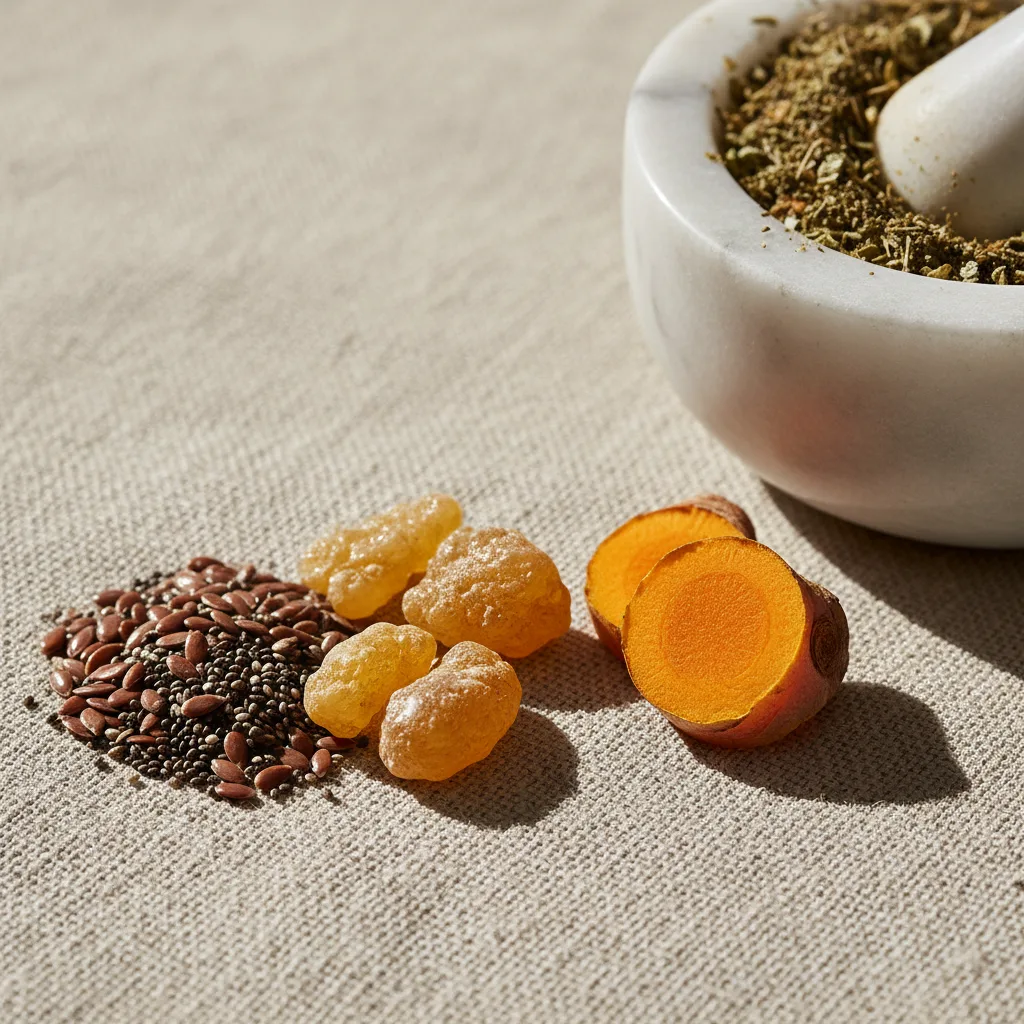
Ethical ingredient sourcing and minimal-processing commitments generally indicate higher-quality supply chains. For extra guidance, review Best Natural Summer Skincare Tips 2026: Aloe, Rose Water & DIY Rituals, which also underscores transparent ingredient sourcing practices.
For additional comparative perspectives and ingredient deep dives, see Best natural supplements for joint stiffness and comfort.
Summary: Building a Sustainable, Evidence-Informed Joint Support Routine
Selecting organic supplements for joint support can provide value when paired with targeted lifestyle strategies and careful product selection rooted in bioavailability, transparency, and phased integration. Track individual responses and engage a qualified professional for the best outcomes.
Choose organic, non-GMO supplements with transparent sourcing and third-party testing. Introduce one evidence-informed ingredient at a time, monitor outcomes for several weeks, and consult a qualified professional for personalized guidance. Learn more about ingredient options and sourcing considerations in the linked coverage above.
Common Questions About Organic Joint Supplements
-
What should I look for when choosing organic supplements for joint support?
Prioritize products with clear ingredient disclosure, third-party testing evidence, and organic or non-GMO certifications. Look for standardized extracts, transparent sourcing, and delivery systems that boost absorption. To enhance trust and consistency, learn more via Can You Trust Vitamin and Supplement Labels? Truths for 2026 Shoppers. -
How soon might I notice benefits after starting a joint support supplement?
Most supplements require consistent use for several weeks to reveal effects. A four to eight-week evaluation period is reasonable for a single ingredient. Track mobility and comfort, introducing new products one at a time. Additional guidance on evaluating supplement effects is available in Best natural supplements for joint stiffness and comfort. -
Are bioavailability enhancements important for curcumin-based supplements?
Yes. Because curcumin is poorly absorbed alone, choose supplements featuring piperine or advanced delivery systems. Review Top 10 Ways Turmeric Supports Wellness: Bioavailable Curcumin Insights for 2026 for an in-depth look at bioavailable curcumin. -
Can plant-based omega-3 supplements be effective alternatives to fish oil?
Algal oil supplies EPA and DHA without animal sources and is ideal for plant-based regimens. High-quality algal and fish oils should always disclose EPA+DHA content. For related plant-based and superfood insights, see Spirulina for 2026: Exploring Non-GMO, Sustainably Sourced Superfood Benefits. -
How do I monitor vitamin D adequacy when using supplements?
Start with a 25-hydroxyvitamin D blood test for personalized dosing. Use lichen-derived, non-GMO D3 when preferred. Review dosing needs with a professional. More label and supplement trust info appears in Can You Trust Vitamin and Supplement Labels? Truths for 2026 Shoppers. -
Should I combine glucosamine and chondroitin with other joint supplements?
It’s possible to combine them with support such as collagen or omega-3s within a larger plan. Only introduce one ingredient at a time and verify purity via independent testing. Related discussions can be found in Herbal Toothpaste Market Outlook 2026: Bioavailability, Trends & Global Growth. -
What makes third-party testing important for joint supplements?
Third-party testing confirms ingredient identity, potency, and contaminant absence. Certificates of Analysis and batch numbers prove transparency. To choose reliable supplement sources, explore Herbal Supplement Manufacturing Plant Setup: Best Organic Industry Guide 2026. -
How do sustainability and ethical sourcing affect supplement quality?
Ethical sourcing and sustainable harvesting improve traceability and can minimize environmental impact. Brands with supply chain transparency and minimal-processing pledges are often higher quality. Transparency tips are found in Best Natural Summer Skincare Tips 2026: Aloe, Rose Water & DIY Rituals.