Bloomscrolling for Herbal Wellness: Best Organic Herb Growing and Use Tips 2026
Bloomscrolling for Herbal Wellness: Cultivating Organic, Non-GMO Herbs with Intent in 2026
bloomscrolling is an intentional digital habit that directs attention toward plant-centered content, practical gardening techniques, and mindful herbal use. In 2026, bloomscrolling blends sustainable organic gardening, non-GMO choices, and simple rituals that promote resilience, clarity, and everyday vitality for people who want hands-on connection with plants.
Shift Your Daily Mindset with Plant-Centered Rituals
Embracing bloomscrolling shifts a portion of screen time toward content that models growth and care. Viewing step-by-step herb tutorials and lush garden photography encourages small, repeatable habits that are easy to translate into real-world practice. These visual, practical guides increase engagement and support more consistent gardening routines.
For those curious about new directions in herbal wellness, the Herbal Supplements Market Trends, Segmentation, and Innovations 2026 overview can offer even more insight into integrating plant habits for everyday vitality.
Why Choosing Organic, Non-GMO Herbs Matters
Opting for organic and non-GMO herb seeds and starts aligns personal practices with ecological stewardship. Organic methods prioritize soil biology and reduce synthetic inputs, while non-GMO selections preserve traditional genetics and seed diversity. Both choices contribute to resilient gardens and strengthen local biodiversity.
Those seeking further detail on purity and sustainability in the herbal world should explore the current Licorice Extract Market Outlook 2026–2036: Purity, Sustainability, and Non-GMO Trends for a broader understanding of these issues.
Selecting Seeds and Prioritizing Soil Health
Prioritize suppliers that provide clear growing practices and third-party certification when possible. Choose open-pollinated or regionally adapted varieties to increase success in local microclimates. Invest in rich, living soil amended with compost to support robust root systems and nutrient availability for more flavorful harvests.
Gardeners passionate about sustainability and tradition may find inspiration in Preserving Navajo Plant Knowledge: Traditional Healing, Organic Practices, and 2026 Herbal Insights, which explores the importance of sourcing and seed diversity.
Designing a Sustainable Herb Garden That Fits Your Life
Design decisions should reflect water availability, sun exposure, and maintenance time. Use climate-adapted herbs in drier regions, implement mulching to conserve moisture, and pair plants for pest resilience and pollinator support. These choices lower resource needs and increase long-term garden productivity.
If you’re also interested in an innovative approach to garden nutrition, Duckweed Protein: Best Organic Aquatic Superfood for Bioavailable Nutrition in 2026 reveals future-forward possibilities for sustainable plant-based diets.
Indoor Herb Sanctuaries for Small Spaces
Urban dwellers can create thriving herb setups with proper light and soil. Position south- or west-facing windows for maximum sun exposure and supplement with full-spectrum grow lights if needed. Choose containers with ample drainage and a loose organic potting mix to encourage healthy roots and repeated harvests.
For related tips on supporting radiant skin with indoor-grown herbs, visit Best Teas for Healthy, Radiant Skin: Organic Rituals and Bioactive Ingredients for 2026.
Hydroponic and Microclimate Strategies for Consistent Results
Soilless systems and careful microclimate management allow precise control over water, nutrients, and airflow. Hydroponic and aquaponic approaches can be very water-efficient and provide consistent growth for culinary herbs. Monitor humidity and airflow to reduce plant stress and support steady development of leaf flavor and aroma.
For a look at cutting-edge plant science that’s shaping herbal cultivation, review the findings in Revolutionizing Natural Product Research: Automated Plant Analysis for 2026.
Timing, Pruning, and Harvesting to Maximize Flavor and Nutrients
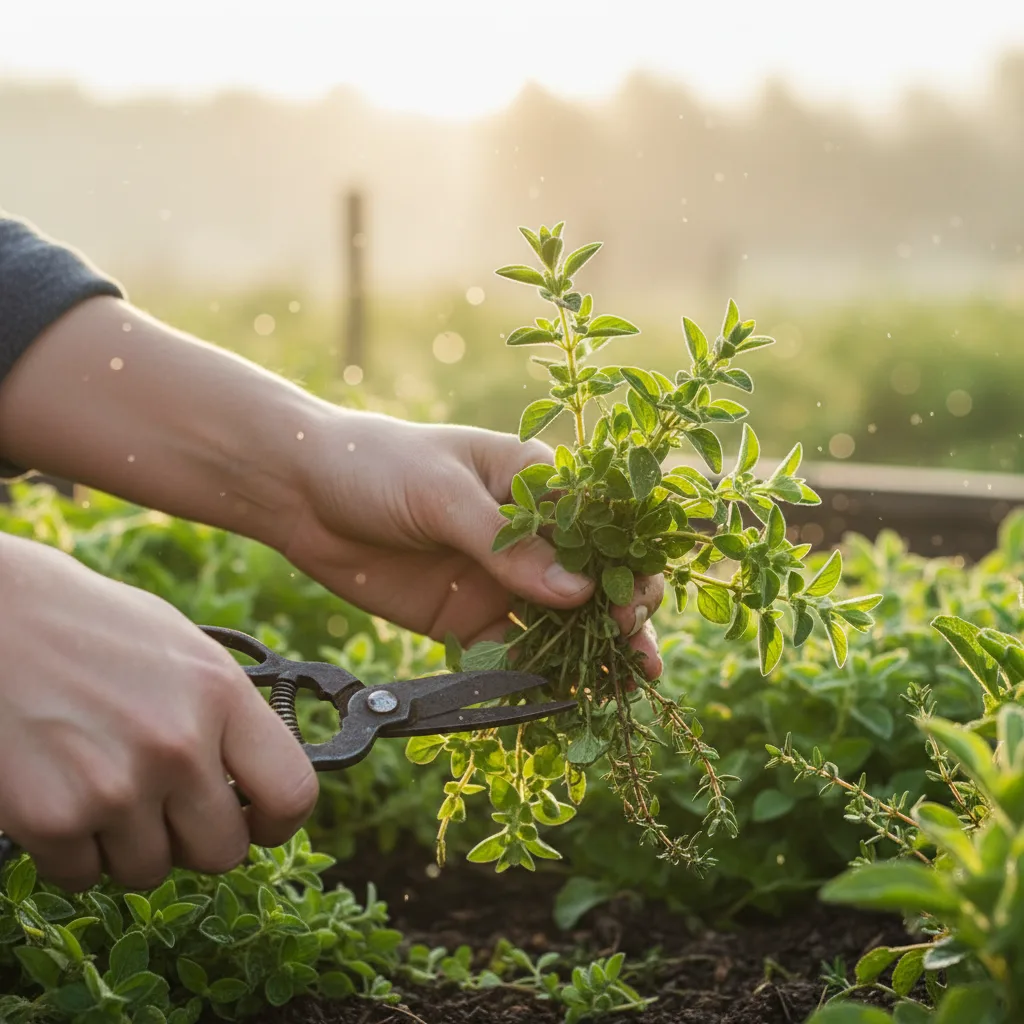
Harvest herbs in the morning after dew evaporation when essential oils and aromas are strong. Regular light pruning stimulates fresh growth and prolongs productive periods. Handle leaves gently, avoid bruising, and use clean tools to maintain plant health and quality of harvests.
Medicinal Garden Kit: 2026 Analysis of Traditional Herbal Seeds, Bioavailability, and Sustainable Gardening offers actionable guidance for maximizing your herbal yields through proper care and harvesting.
Processing and Preserving Homegrown Herbs
Quickly rinse homegrown herbs under cool water and dry with a salad spinner or absorbent towel. Store tender herbs short-term in damp paper towels inside an airtight container in the refrigerator. For longer preservation, use methods such as gentle air-drying, low-heat oven drying, or freezing in oil or ice cube trays to retain both flavor and culinary utility.
The Winter Comfort Foods for Radiant Skin: Best Organic Nutrition Strategies 2026 guide shows how preserved herbs bring freshness and nutrition to seasonal recipes.
Integrating Time-Honored Practices with Contemporary Science
Traditional systems offer insight into seasonal planting and balanced blends while modern horticulture refines techniques for nutrient management and pest resilience. Use both perspectives: test small batches of preparations and rely on observation to shape what works best for your garden, palate, and routines.
Delve into Why Moringa, Ragi, and Amla Are the Best Organic Superfoods of 2026 for a contemporary take on combining tradition and science in herbal choices.
Practical Daily Routines to Integrate Herbs into Food and Self-Care
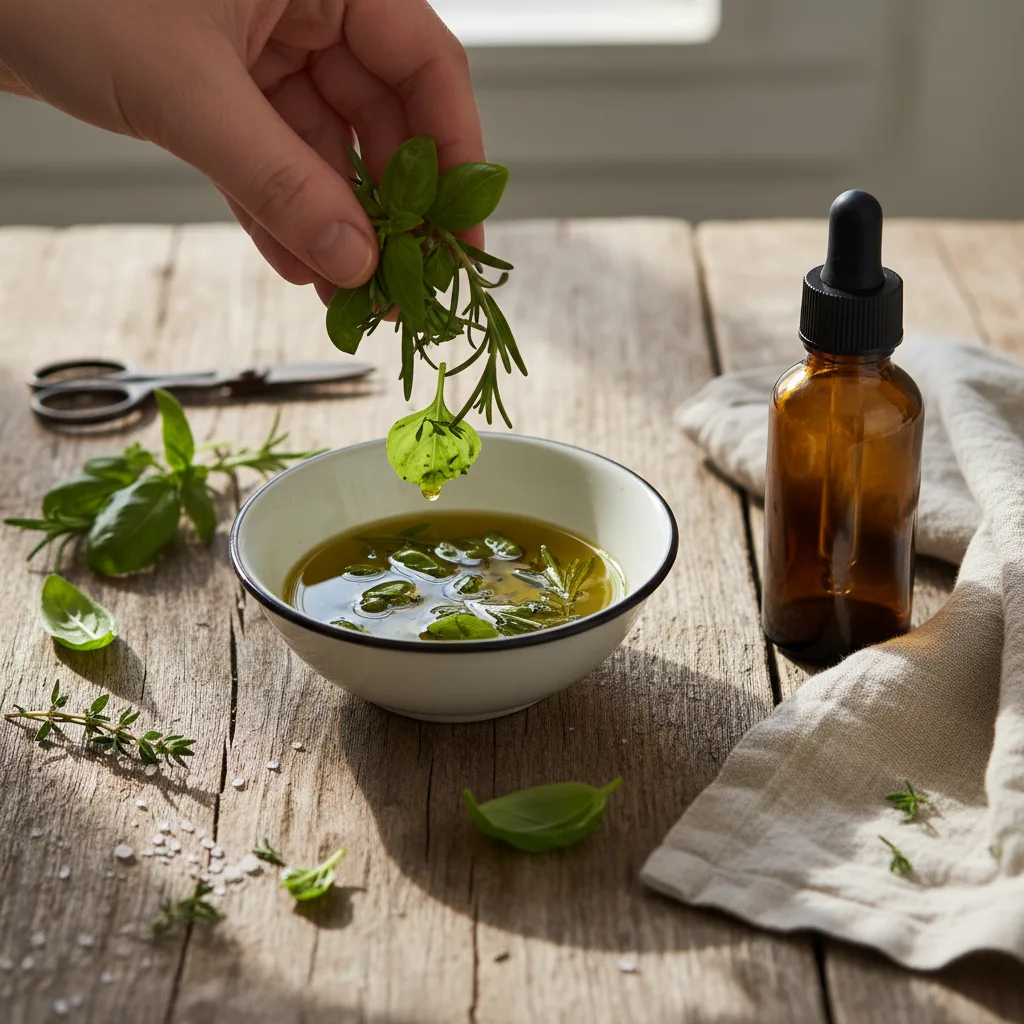
Incorporate herbs into simple menus and rituals: fold fresh leaves into salads, infuse oils for dressings, or steam aromatic sprigs for brief mindful moments. These actions enhance flavor diversity and encourage regular engagement with plant-based activities that support day-to-day balance.
Safety, Identification, and Gradual Introduction
Always confirm plant identity before consuming or using any herb. Start new herbs in small amounts to observe personal tolerance. Keep clear records of plant varieties and sources, and use safe handling practices like washing hands and utensils, and maintaining a clean workspace.
If you’re experimenting with new botanicals, it’s wise to consult sources like Understanding Echinacea: Potential Side Effects and Usage Tips for 2026 to ensure safety and proper use.
Building Community Through Seed Sharing and Learning
Local seed swaps, community gardens, and neighborhood plant exchanges accelerate learning and preserve genetic diversity. Share surplus harvests and cultivation notes to build resilient local networks. Bloomscrolling can serve as a gateway to connecting with such communities and amplifying shared stewardship.
The value of Jamu in Global Beauty: Harnessing Ancient Herbal Wisdom for Modern Skin Health in 2026 is evident in community-driven herbal sharing and learning.
Resources and Continued Learning
Explore practical interviews and community-focused garden conversations to deepen your practice. For example, a garden-focused discussion offers actionable guidance and community stories about converting doomscrolling into bloomscrolling: Garden talk on bloomscrolling and herb use.
For seasonal planning and troubleshooting, revisit hands-on guides and community conversations to refine your approach. The same garden discussion linked earlier provides examples of sustainable planting and mindful usage that many readers find helpful: Garden talk: growing and using herbs.
Next Steps: Start a Small, Intentional Bloomscrolling Project
Choose two or three adaptable herbs to begin, focusing on culinary favorites that match your light and watering conditions. Track growth, harvest times, and flavor notes. Share photos and tips within local groups or digital communities to help others grow and learn from your experiments.
For additional inspiration and a community-oriented perspective on converting digital fatigue into plant-led learning, revisit this practical conversation: Practical garden talk on bloomscrolling and herbs.
Begin a small bloomscrolling project: choose two adaptable herbs, source seeds from reputable suppliers, and commit to weekly care and short photo journaling. Share your progress with a local gardening group or online community to exchange tips and inspire others. Prioritize sustainable practices, gradual experimentation, and enjoyment over perfection.
Frequently Asked Questions about Bloomscrolling
-
What is bloomscrolling and how does it differ from doomscrolling?
Bloomscrolling is a conscious habit of engaging with plant-focused, educational content and gardening visuals instead of distressing news feeds. For those interested in new herbal wellness directions, reviewing the Herbal Supplements Market Trends, Segmentation, and Innovations 2026 can show how these habits shape healthy routines.
-
Why choose organic, non-GMO seeds for a home herb garden?
Organic and non-GMO seeds support soil health, biodiversity, and the preservation of traditional genetics. Find more about non-GMO trends in the Licorice Extract Market Outlook 2026–2036: Purity, Sustainability, and Non-GMO Trends.
-
How do I start an indoor herb garden with limited space?
Select compact, sun-loving herbs like basil, chives, and mint; use containers with good drainage and a loose organic potting mix. For beauty and health, consider ideas from Best Teas for Healthy, Radiant Skin: Organic Rituals and Bioactive Ingredients for 2026.
-
What are water-wise strategies for sustainable herb gardening?
Adopt climate-appropriate plants, apply mulch to conserve soil moisture, group plants by water needs, use efficient irrigation, and increase soil organic matter. For nutrient-packed water-wise options, see Duckweed Protein: Best Organic Aquatic Superfood for Bioavailable Nutrition in 2026.
-
How can I preserve homegrown herbs to retain flavor?
For short-term storage, use damp paper towels in an airtight container in the fridge. For longer-term, gently air-dry or freeze in oil or ice cube trays. Tips can be found in Winter Comfort Foods for Radiant Skin: Best Organic Nutrition Strategies 2026.
-
What safety steps should I take before using homegrown herbs?
Confirm plant identification, wash thoroughly, and introduce new herbs gradually. If you’re exploring new botanicals, Understanding Echinacea: Potential Side Effects and Usage Tips for 2026 provides vital guidance.
-
How can bloomscrolling help me build gardening skills quickly?
Bloomscrolling centers on short, visual tutorials and practical demonstrations. For overview and global connections, Preserving Navajo Plant Knowledge: Traditional Healing, Organic Practices, and 2026 Herbal Insights offers excellent further reading.
-
What role do pollinators and companion planting play in herb gardens?
Pollinators enhance fruit and seed set for flowering herbs, while companion planting can deter pests and attract beneficial insects. For more on productive gardens, look into Medicinal Garden Kit: 2026 Analysis of Traditional Herbal Seeds, Bioavailability, and Sustainable Gardening.
-
Are there ethical considerations when sourcing seeds and plants?
Choose transparent suppliers, regionally adapted varieties, and community seed-saving efforts. Learn how different cultures address these concerns in Jamu in Global Beauty: Harnessing Ancient Herbal Wisdom for Modern Skin Health in 2026.
-
How do I share my bloomscrolling journey with others effectively?
Document progress, share locally, and contribute practical tutorials and honest observations. Combining digital and physical sharing is explored in Herbal Supplements Market Trends, Segmentation, and Innovations 2026.