


Cat’s Claw Supplement Safety: 2026 Warnings, Synthetic Opioids, and Organic Quality
Practical Guidance for Cat’s Claw Supplement Safety in 2026: What Consumers Need to Know
Cat’s claw supplement safety is an essential consideration for shoppers in 2026, as recent investigations have exposed instances of adulteration within some retail products. This article explains botanical integrity, common adulterants such as lab-made compounds, and practical steps consumers can take to select validated, sustainably sourced Uncaria extracts. For a detailed background on investigative findings, see this public alert.
Why botanical integrity matters for cat’s claw supplement safety
Authentic cat’s claw supplements begin with correct species identification. Most legitimate formulations reference Uncaria tomentosa or Uncaria guianensis on their ingredient panels.
Accurate species naming helps ensure the expected phytochemical profile and aligns with traditional sourcing. This attention to detail is central to the Can You Trust Vitamin and Supplement Labels? Truths for 2026 Shoppers discussion on product transparency and validity.
Sustainably harvested material and transparent supply chains reduce the risk of substitution. Responsible suppliers document harvest location, part of plant used, and post-harvest handling, offering reassurance in a manner comparable to the priorities found in Emerging Beauty and Wellness Trends: The Ultimate 2026 Non-GMO, Sustainable Guide. These records form the basis for reliable certificates of analysis (COAs).
How adulteration undermines consumer trust and product safety
Adulteration can mean the addition of unlabeled synthetic compounds or substitution with unrelated botanicals. In some reported cases, supplements labeled as cat’s claw were later found to contain potent lab-made compounds.
This mirrors concerns outlined in Uncovering Hidden Toxins in Natural Remedies: Liver Health Risks and Safe Herbal Choices in 2026, where consumer safety is at risk due to contamination or mislabeling.
Unlabeled additives may change the expected effect profile and can introduce acute safety concerns. For detailed investigative findings and consumer alerts, see this source.
Identifying high-confidence products: a checklist for shoppers
- Confirm the Latin botanical name (Uncaria tomentosa or Uncaria guianensis) is listed on the label.
- Look for batch-level COAs from accredited third-party laboratories showing absence of unexpected synthetic compounds.
- Prefer certified organic or non-GMO statements when accompanied by verifiable credentials, as advocated in resources such as Adaptogens Market Expansion: Sustainable Sourcing & Bioavailable Trends 2026.
- Avoid single-source claims without traceability or products from non-regulated retail channels.
Applying these checks can bolster cat’s claw supplement safety and support wise consumer choices.
What laboratory testing should consumers request or expect?
Standardized testing helps detect adulteration and quantify expected phytochemicals. Ask for COAs that include testing for identity, purity, and contaminants. Knowing this echoes smart supplement purchasing as outlined in FDA Recall Alert: Undeclared Sildenafil in Herbal Supplements – Safety Insights 2026, where batch-level analysis protects users.
Analytical methods frequently used include LC-MS/MS and GC-MS for targeted compound screening, and untargeted high-resolution mass spectrometry for unknown adulterants. Confirm that testing was performed by an accredited lab.
Understanding commonly reported adulterants and their implications
Investigations have identified synthetic compounds in some herbal products. Certain lab-made agents related to kratom derivatives have been implicated in serious outcomes when present as undeclared ingredients, a challenge explored in Berberine Safety, Bioavailability, and 2026 Reviews: Separating Facts from Myths which highlights the necessity for ingredient verification.
The presence of such compounds in a botanical product is a sign of deliberate manipulation or cross-contamination. This undermines claims of natural origin and raises legal and safety concerns for consumers and regulators.
Reading labels the right way: red flags and positive indicators
Red flags
- Vague ingredient lists without Latin names.
- Claims of rapid psychoactive effects or sensational benefits.
- Lack of COA access or batch testing information.
Positive indicators
- Clear listing of Uncaria species and plant part (e.g., bark, root).
- Publicly accessible COAs referencing batch numbers.
- Statements about extraction method and solvent disclosure, similar to the approach of Moringa Leaf Powder Manufacturing: Best Organic Process & Market Outlook 2026.

Extraction methods and why they matter for safety and bioavailability
Extraction choice determines which phytochemicals are concentrated. Aqueous extractions favor water-soluble components and may preserve delicate alkaloids. This is especially important, in line with considerations discussed in Top Adaptogens for Skin Vitality: Best Organic Botanicals & Bioactive Reviews 2026.
Hydroethanolic methods can enhance bioavailability for certain actives but should be documented. Reputable manufacturers disclose solvents and process controls to demonstrate safe production.
Supply chain transparency: traceability, certifications, and technology
Traceability reduces the chance of substitution or contamination. Look for products that map supplier farms, harvest dates, and transport conditions, much like explored in Baobab Ingredient Market Trends, Segmentation, and Sustainable Sourcing Insights for 2026.
Emerging tools like blockchain and digital COA portals increase visibility. When supply chain steps are visible, cat’s claw supplement safety is easier to verify.
Regulatory context in 2026 and consumer protections
Regulators in multiple jurisdictions have increased scrutiny of herbal supplements following reports of undeclared synthetic compounds. Certain synthetic kratom-related substances are now scheduled in several states, creating legal risk for products that contain them.
Enforcement varies by jurisdiction, so consumers should watch for public advisories and consult state or national consumer protection notices. See the investigative alert for an example of recent regulatory responses.
Responding to a suspected adverse event involving a supplement
If a supplement appears to cause unexpected effects, stop using it and seek urgent medical attention if symptoms are severe. Bring the product packaging and any available receipts to the clinician. This response aligns with recommendations in Understanding Risks: Alternative Medicine Choices and Outcomes in Breast Health 2026, focusing on prompt action and communication with authorities.
Submit a report to your national supplement safety authority or poison control center. Reporting helps regulators identify problematic batches and issue consumer alerts.
Best purchasing practices for verified, safe cat’s claw products
- Buy from retailers or marketplaces that require supplier verification and post batch COAs. This is echoed in Herbal Toothpaste Market Trends and Insights: Best Organic Innovations by 2026, where emphasis is placed on trusted marketplaces.
- Prioritize products with clear supply chain statements and third-party testing.
- Avoid impulse purchases from unregulated vendors and convenience outlets where oversight is limited.
How manufacturers and regulators are improving standards
Industry stakeholders are adopting batch-level COAs, accredited testing panels, and public COA repositories. As seen in Revitalizing Naturopathic Principles: Bastyr’s Enduring Impact on Natural Health 2026, industry-wide improvements support consumer confidence.
Regulatory agencies are refining import controls and batch testing guidance to detect non-botanical adulterants more effectively. These measures aim to protect consumers while preserving legitimate botanical commerce.
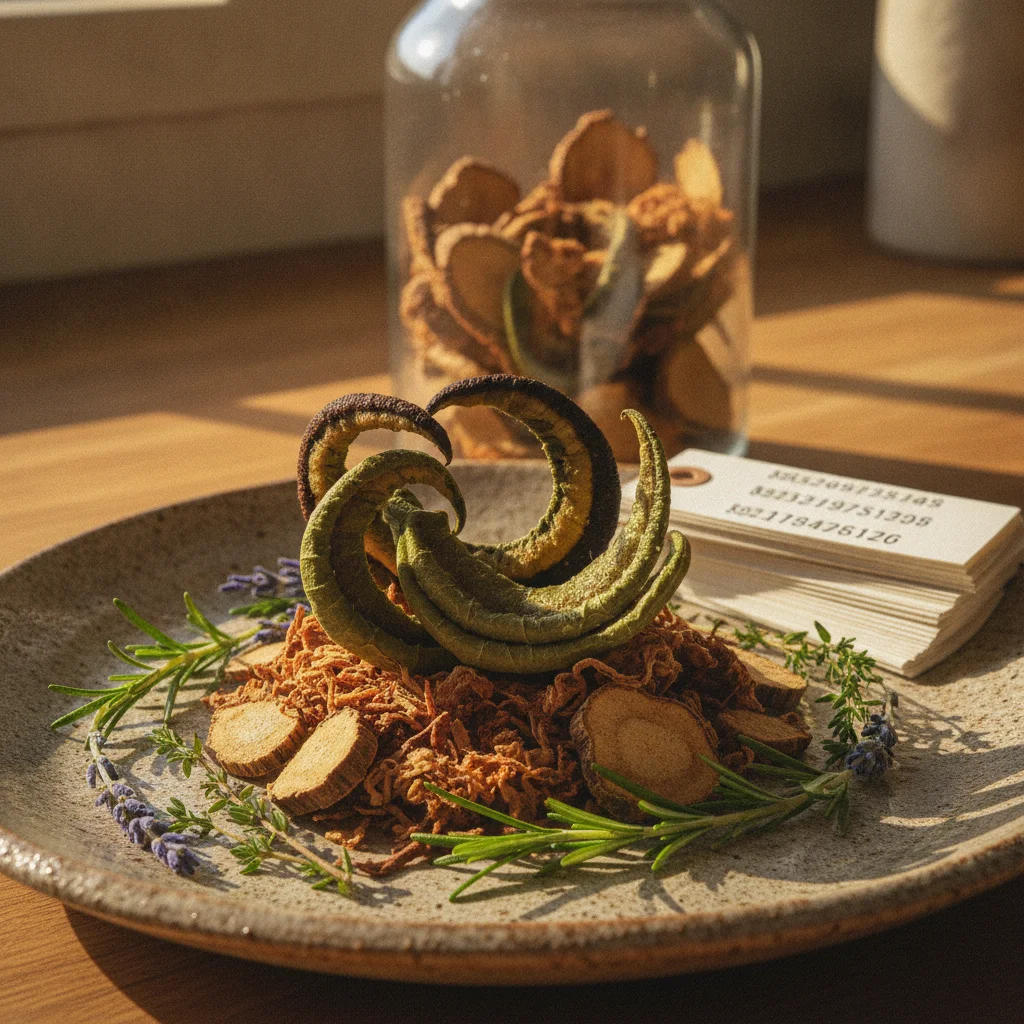
Practical takeaway: a step-by-step consumer action plan for safety
- Verify the Latin name (Uncaria spp.) and plant part on the label.
- Request or view the batch COA and check for unexpected synthetic compounds.
- Confirm third-party lab accreditation and review testing methods used.
- Avoid products with vague labeling, unexplained claims, or no traceability.
- Report any suspected adverse event to local authorities and keep packaging for evaluation.
Closing perspective: balancing traditional knowledge and modern safeguards
Cat’s claw has a long history of traditional use, and modern consumers increasingly seek verified, sustainably sourced extracts. Combining traditional heritage with rigorous testing and transparent supply chains enhances both product credibility and consumer safety, a theme emphasized in Integrative Oncology in Taiwan: How Traditional Chinese Medicine Enhances Breast Cancer Care in 2026.
Adopting the checks outlined above improves cat’s claw supplement safety and helps ensure that botanical products on the market in 2026 are authentic, tested, and traceable.
Prioritize transparency when choosing botanical supplements. Before purchasing cat’s claw, confirm the Latin species, request a batch COA from an accredited lab, and avoid vendors that cannot demonstrate traceability. If you encounter suspect products, report them to consumer protection authorities and keep packaging for evaluation.
FAQs
-
What does ‘cat’s claw supplement safety’ mean in practical terms?
Cat’s claw supplement safety refers to ensuring products truly contain the declared Uncaria species, are free from undeclared synthetic additives, and have clear batch-level testing. It emphasizes supply chain transparency, accredited third-party lab analysis, and verifiable certificates of analysis to confirm identity and purity. For more insights on safe purchasing, see Can You Trust Vitamin and Supplement Labels? Truths for 2026 Shoppers.
-
How can I tell if a cat’s claw product is authentic?
Check the label for the Latin name (Uncaria tomentosa or Uncaria guianensis), the plant part used, and batch-level COA access. Authentic products disclose extraction methods, provide third-party lab results, and trace sourcing. Vague ingredient lists or missing test reports are warning signs, similar to issues discussed in Uncovering Hidden Toxins in Natural Remedies.
-
What laboratory tests detect undeclared synthetic compounds?
Accredited labs use targeted methods such as LC-MS/MS or GC-MS and untargeted high-resolution mass spectrometry to detect known and unexpected adulterants. COAs should list methods and limits of detection. Confirm that testing was performed by an accredited laboratory. Read more at FDA Recall Alert: Undeclared Sildenafil in Herbal Supplements – Safety Insights 2026.
-
Are there legal restrictions on synthetic compounds in supplements?
Yes. In 2026, authorities in multiple jurisdictions scheduled certain synthetic compounds related to kratom derivatives, making their presence in supplements unlawful. Consumers should review public advisories and buy products with documented absence of prohibited substances.
-
What should I do if I feel unwell after taking a supplement?
Stop using the product and seek prompt medical attention if symptoms are severe. Bring the product packaging and any receipts to healthcare providers and report the event to your national consumer protection agency or poison control center to aid investigations.
-
How important is sustainable harvesting for product safety?
Sustainable harvesting helps preserve species integrity and reduces the risk of substitution. Suppliers that document sustainable practices are more likely to maintain consistent phytochemical profiles and transparent sourcing, supporting long-term product reliability and environmental stewardship. Learn more in Adaptogens Market Expansion: Sustainable Sourcing & Bioavailable Trends 2026.
-
What role do certificates of analysis (COAs) play?
COAs provide batch-level verification of identity, purity, and contaminant screening. They detail methods used, lab accreditation, and results for tested analytes. Publicly accessible COAs increase transparency and allow consumers to confirm that a product was screened for adulterants.
-
Can extraction methods affect safety or efficacy?
Yes. Extraction methods determine which phytochemicals are concentrated and can influence bioavailability. Safe manufacturers disclose solvents, temperatures, and standardization processes. Consumers should prefer products that explain extraction protocols and provide relevant testing. See Moringa Leaf Powder Manufacturing: Best Organic Process & Market Outlook 2026 for related manufacturing practices.
-
Is it safe to buy cat’s claw from convenience stores or unregulated online listings?
Purchasing from unregulated outlets increases the risk of encountering products without proper testing or traceability. For greater assurance, opt for suppliers that provide batch COAs, transparent sourcing, and third-party testing rather than impulse purchases from non-verified sellers.
-
How can I stay informed about emerging supplement safety alerts?
Monitor national consumer protection agencies, subscribe to public health advisories, and follow accredited testing lab updates. Reviewing investigative reports, such as documented public alerts, can also help you respond quickly to new findings about adulterated products.