


Emerging Insights: Natural Agents and Stem Cells in Rat Skin Healing – Best 2026 Research Review
Emerging Insights on natural agents and stem cells in skin recovery
The primary focus on natural agents and stem cells in skin recovery continues to generate important data for formulators and ingredient buyers.
This 2026 preclinical review examines comparative outcomes from a controlled rat model study, highlighting how different modalities perform in various phases of tissue repair.
The evidence-based, brand-neutral insights are valuable for researchers seeking context on bioavailability and sustainable sourcing.
Why the 2026 Rat Model Study Matters for Formulation Strategy
A robust rat model can elucidate comparative dynamics between different intervention classes.
In this study, four active interventions and an untreated control group underwent standardized circular full-thickness skin defects, with careful time-point measurement.
Such design enables ingredient developers to understand how modalities perform over time, providing groundwork for data-driven product innovation.
Experimental Design and Measurement Framework That Support Comparative Decisions
- Seventy male rats were allocated evenly among five groups, using standardized wound creation for reproducibility of baseline size and depth.
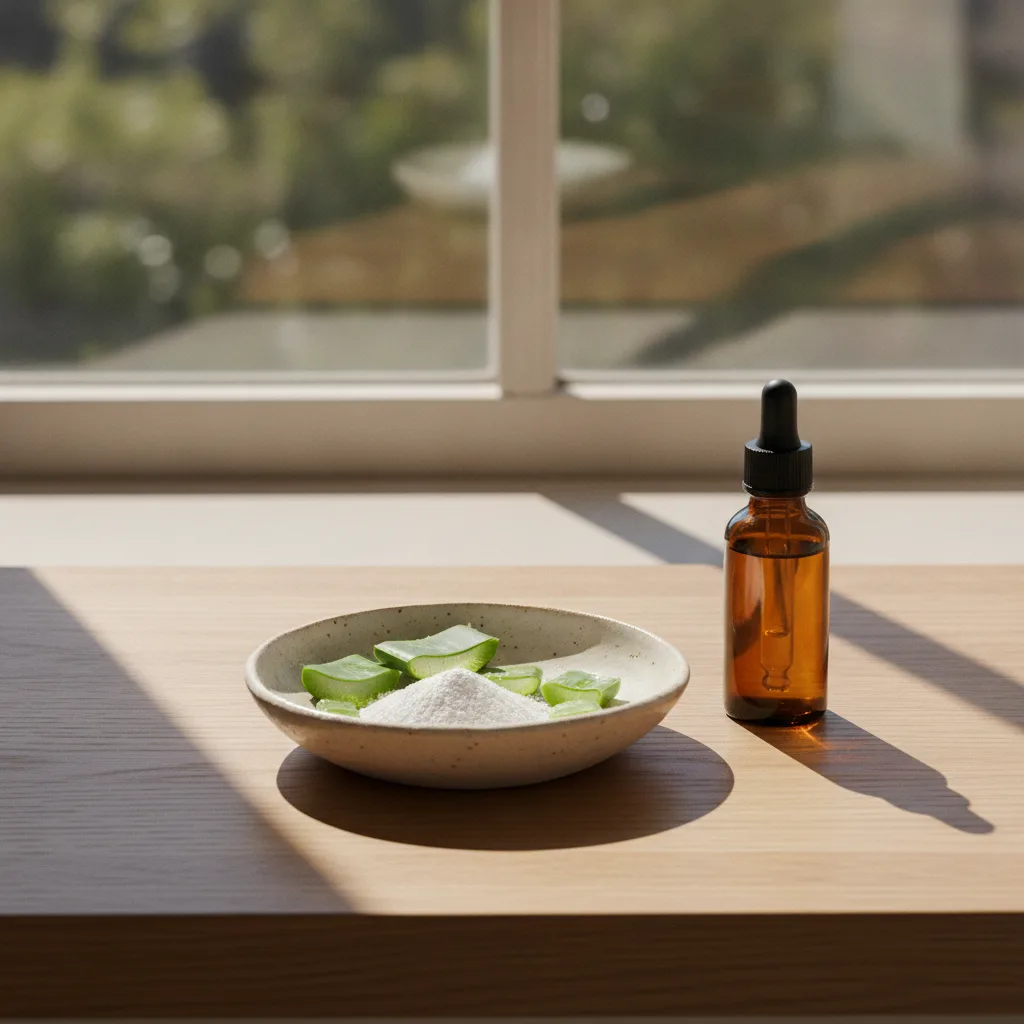
- Interventions included Aloe vera gel, chitosan, hyaluronic acid, and a cell-based stem cell preparation, with one control group receiving no treatment.
- Outcomes, including wound diameter, histology, and immunohistochemistry, were recorded on days 3, 7, and 14.
This approach aligns with evolving trends in Natural Ingredient Innovations and Industry News: Expansion, Science, and Sustainability Trends 2026, supporting ingredient evaluation based on timing and tissue-level impact.
Key Comparative Findings: Temporal Strengths of Different Modalities
The comparative results revealed temporal distinctions in modality effectiveness.
The cell-based group had the fastest contraction of wound area at day 3 and day 7. By day 14, chitosan-treated wounds displayed the greatest contraction and the most favorable tissue markers in histological assessment. Meanwhile, Aloe vera and hyaluronic acid each had measurable, consistent influence, without dominating any time point. Such insights can guide the creation of layered blends for multifaceted product strategies.
For those seeking a technical summary, refer to the 2026 preclinical comparison study for detailed methodology and outcome metrics.
Mechanistic Insights: How Natural Agents and Stem Cells Differ at a Cellular Level
Stem cell preparations triggered faster initial cellular responses and matrix remodeling markers, which is consistent with models favoring rapid tissue regeneration.
This mechanistic feature does not imply direct clinical effects in humans, but greatly informs ingredient positioning.
Chitosan’s late-stage advantage was linked to enhanced markers of collagen organization—suggesting utility in formulations designed for sustained remodeling.
Polysaccharide biocompatibility aligns with current data discussed in the Herbal Toothpaste Market Outlook 2026: Bioavailability, Trends & Global Growth.
Practical Interpretation for Ingredient Selection and Product Positioning
- Different natural agents and stem cells in skin recovery offer unique, phase-specific benefits, encouraging ingredient layering that matches healing phases through acute and remodeling windows.
- Suppliers can frame claims around supporting healthy skin recovery, not clinical cures, mirroring responsible communication approaches discussed in Revitalizing Naturopathic Principles: Bastyr’s Enduring Impact on Natural Health 2026.
- Preclinical data inform selection, but safety and efficacy require human studies and regulatory review.
Sourcing, Purity, and Bioavailability: What Matters for Wholesale and Retail
The impact of sourcing and extraction methods on bioavailability is significant.
For chitosan, traceable shellfish or fungal sources with low-impact extraction ensure purity and consistency. Similarly, cold-extracted Aloe vera, with standardized phytochemical profiling, helps preserve sensitive constituents. These practices reflect the market’s growing focus on sustainability and safety.
Bioavailability in preclinical and in vitro settings should be checked through solubility, molecular weight distribution, and formulation stability. Prioritizing such benchmarks can aid ingredient buyers in selecting functional, high-value materials. For broader market context, consult the Cocoa Fiber Market Analysis, Bioavailable Trends & Global Forecast 2026.
Analytical Techniques That Strengthen Evidence Packages
A multi-dimensional approach, combining gross morphometry, histological scoring, and immunohistochemistry, offers a richer view of tissue adaptation than single-measure methods. This combination provides a higher information yield for decision-makers.
For example, Revolutionizing Natural Product Research: Automated Plant Analysis for 2026 demonstrates how advanced analysis can support ingredient evaluation and substantiation.
Formulation Recommendations Based on Temporal Performance Profiles
- Employ a biphasic approach with agents supporting both rapid response and sustained matrix interactions.
- Utilize chitosan fractions characterized by molecular weight and deacetylation degree for tailored persistence in skin-like matrices.
- Seek botanical extracts that are rigorously standardized and tested for safety, reflecting industry best practices as seen in Uncovering Hidden Toxins in Natural Remedies: Liver Health Risks and Safe Herbal Choices in 2026.
Limitations and Responsible Translation of Preclinical Findings
Study limitations included the exclusive use of male rat models and laboratory-specific stem cell preparations, which differ from clinical-grade products. As echoed in broader reviews like Calories vs. Quality: Finding the Middle Path in Holistic Nutrition 2026, product claims should present findings as supportive preclinical evidence without making direct efficacy commitments.
Responsible translation requires caution and regulatory awareness.
Strategic Opportunities for Wholesale Buyers and Product Developers
Ingredient combinations featuring rapid-response agents paired with sustained polysaccharides may yield differentiated, multi-phase products. Selection can be further improved by considering market trends identified in Herbal Shampoo Market Trends, Sustainability, and Bioavailable Solutions for 2026 Growth, emphasizing both performance and traceable sourcing.
Diligent suppliers providing robust analytical and stability data support de-risking for large-scale formulation and subsequent review.
Summary: Evidence-Led Applications for Natural Agents and Stem Cells in Skin Recovery
The 2026 preclinical comparison confirms that natural agents and stem cells in skin recovery have unique, temporally defined properties. Early phases benefited from cell-based preparations; chitosan proved most effective during remodeling. Botanical agents like Aloe vera added supportive, consistent effects.
For ingredient buyers and formulators, responsible, evidence-aligned blending strategies—validated for bioavailability and communicated within clear regulatory frameworks—are the clearest path forward.
For in-depth technical data and the original rat model research, see the 2026 preclinical comparison study.
Explore evidence-based ingredient options that prioritize bioavailability and sustainable sourcing to support healthy skin recovery in advanced formulations. For product developers and ingredient buyers, integrating temporally complementary agents—validated via robust analytical dossiers—can improve formulation strategy while maintaining regulatory-compliant positioning.
FAQs
-
What were the main comparative outcomes in the 2026 rat model study?
Stem cell preparations produced the most rapid wound-area contraction at early points, while chitosan excelled at day 14 with greater contraction and favorable tissue markers. Aloe vera and hyaluronic acid had consistent, measurable effects but did not dominate at any single time point.
-
How should suppliers interpret ‘natural agents and stem cells in skin recovery’ data for product formulation?
The temporal phase data supports creating multi-agent formulations aimed at both fast response and longer-term matrix support, mirroring evidence-based practice trends showcased in resources like Herbal Shampoo Market Trends, Sustainability, and Bioavailable Solutions for 2026 Growth.
-
Does chitosan’s performance in the study mean it is superior for all applications?
Chitosan showed late-stage advantages for remodeling, but its use should be tailored to the intended healing phase and user requirements. For broad coverage, it’s beneficial to combine it with early-phase agents.
-
What bioavailability factors should formulators consider for botanical extracts like Aloe vera?
Evaluate extract standardization, molecular stability, solvent residue, and solubility. Cold-extraction and rigorous chemical profiling, as discussed in Advancing Botanical Science: Best Non-GMO Phytomedicine Research Award 2026, help preserve actives and ensure consistent performance.
-
Are these preclinical findings directly transferable to human products?
No; preclinical results inform mechanism and comparative effects but human safety and effectiveness require clinical trials. Product messaging must clearly position such evidence within a supportive, not definitive, context.
-
What role does sustainable sourcing play in ingredient selection?
Sustainable sourcing allows for improved traceability, consistent quality, and reduced contaminants, all crucial for reproducible formulation outcomes as highlighted in Medicinal and Aromatic Plant Market: Best Organic Trends and 2026 Global Outlook.
-
What analytical methods strengthen an efficacy evidence package for an ingredient?
A combination of gross morphometry, histological scoring, and immunohistochemistry builds a multi-faceted efficacy dossier, a modern standard for robust ingredient substantiation.
-
How should companies phrase marketing claims based on this type of research?
Use compliant language like ‘supports healthy skin recovery’ and avoid therapeutic claims. Frame statements within the preclinical data’s limits, referencing technical rigor rather than inferring clinical utility.