
Clean Beauty and Wellness 2026: Best Organic Skincare and Non-GMO Supplement Trends
How Clean Beauty and Wellness Elevates Your Daily Routine in 2026
Clean beauty and wellness is now a baseline expectation for many consumers who prioritize ingredient clarity, sustainability, and demonstrable benefits. This movement emphasizes traceable sourcing, simplified formulas, and advanced delivery methods that fit into everyday routines.
Consumers in 2026 seek products that align with personal values and support healthy skin and whole-person resilience. Transparent ingredient lists, reduced use of controversial additives, and lifecycle thinking are guiding purchase decisions.
Plant-derived actives that support skin barrier function and visible hydration
Understanding which botanical actives to include in a skincare routine helps consumers make informed choices. Ingredients like plant-derived squalane, beta-glucans, polyphenol-rich extracts, and gentle botanical oils are selected for their hydrating and barrier-supporting properties.
Many formulations now prioritize minimal processing and responsible sourcing to preserve phytonutrient integrity and reduce the risk of contaminants. For a closer look at how clean beauty formulas support skin and scalp health, explore 2026 Organic Beauty Trends: Sustainably Sourced Hair, Scalp, and Skincare Innovations.
- Organic cultivation and non-GMO sourcing improve traceability and often reduce exposure to synthetic residues.
- Modern extraction and stabilization techniques help maintain potency without adding unnecessary fillers.
How to choose additive-free formulations that minimize irritation
Choosing additive-free options can lower the likelihood of reactive responses for those with sensitive skin. Clean formulations typically exclude parabens, sulfates, and synthetic fragrances, and instead focus on humectants, emollients, and barrier-replenishing ingredients.
Clear labeling and straightforward ingredient lists make it easier to avoid known irritants and align purchases with personal sensitivities. You can learn more about non-GMO and organic practices in the Herbal Medicinal Products Market Outlook 2026: Demand, Trends & Non-GMO Insights.
- Look for short, readable ingredient lists and clear claims about what has been deliberately excluded.
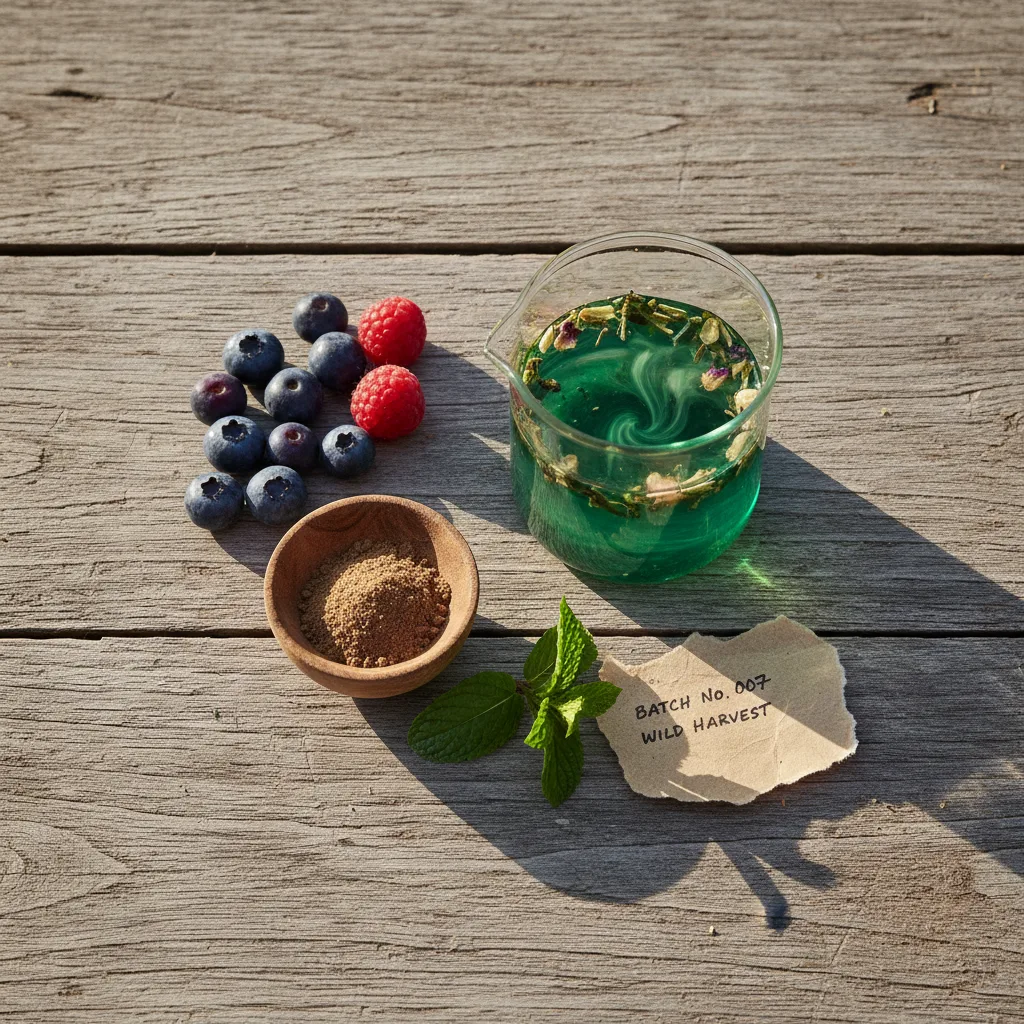
- Third-party testing and batch-level information provide transparency and confidence in product integrity.
Optimizing supplement choices by prioritizing bioavailability and source integrity
Bioavailability is a central consideration for supplement formulation in 2026. Delivery systems such as microencapsulation, liposomal carriers, and fermented nutrient forms are used to improve uptake.
Consumers prioritizing non-GMO supplements often look for formulations that combine verified ingredient sourcing with technologies designed to enhance utilization and reduce waste. For in-depth analysis on supplement innovation, see Immune Health Supplements Market Outlook 2026: Bioavailable, Organic & Non-GMO Trends.
- Enhanced delivery methods can help maximize the proportion of active components available to the body.
- Certificates, lab reports, and traceability statements help verify organic and non-GMO claims.

Traceability from farm to finished product strengthens consumer confidence
Transparent supply chains are a major differentiator in modern clean beauty and wellness. Documentation of origin, cultivation practices, and third-party audits allow purchasers to verify organic status and non-GMO assertions.
Producers emphasizing fair labor practices and regenerative agriculture appeal to consumers who weigh environmental and social impact alongside product performance. Discover the importance of agricultural practices for clean routines in Starting a Home Herbal Tea Garden: Best Organic and Non-GMO Insights for 2026.
- Traceable sourcing supports informed buying decisions and aligns with sustainability commitments.
- Independent verification bolsters credibility for organic and non-GMO claims.
Clean labeling practices that make ingredient decisions easier
Clear, standardized label disclosures reduce confusion and support comparisons across products. Helpful labels highlight active ingredient forms, origin (organic, wildcrafted, conventional), and any processing notes relevant to potency or suitability for sensitive skin.
Avoiding marketing jargon and presenting data-driven points helps consumers evaluate whether a product fits their routine. To further educate yourself about transparent labeling and best wellness practices, explore Herbs as Foundational Wellness Allies: Ancient Wisdom Meets 2026 Science.
- Labels that state forms of nutrients (e.g., magnesium glycinate vs. magnesium oxide) provide practical value.
- Batch codes and accessible quality-testing summaries increase transparency.
Sustainable packaging and lifecycle thinking for lower-impact routines
Packaging choices are increasingly part of purchase decisions. Options such as refillable formats, recycled materials, and reduced plastic footprints help minimize waste.
Brands and retailers advancing reusable or biodegradable packaging models contribute to longer-term environmental benefits and appeal to consumers seeking low-impact self-care. If you want to enhance both wellness and the environment through packaging and habits, see Eating Habits to Improve in 2026: Best Sattvic, Organic, and Planet-Aligned Nutrition.
- Prioritize products with clear end-of-life instructions and recyclable or compostable components.
- Consider concentrated formats that reduce shipping weight and packaging volume.
Adaptogens and botanical blends: formulation best practices for balance-focused support
Herbal adaptogens like ashwagandha, rhodiola, and holy basil are commonly included in modern supplement blends. In 2026, manufacturers emphasize ethically sourced, non-GMO botanicals and transparent extraction methods to maintain active profiles.
Responsible formulations avoid unnecessary fillers and present clear guidance on intended supportive uses without implying medical effects. Those interested in sustainable herbal support may find Adaptogens Market Expansion: Sustainable Sourcing & Bioavailable Trends 2026 especially insightful.
- Choose blends with standardized extracts and documentation of sourcing and extraction methods.
- Look for clear serving guidance and independent testing to validate ingredient identity and purity.
Assessing efficacy claims: what to look for in research and testing
Reliable products align marketing claims with available science and appropriate testing. Peer-reviewed research, controlled bioavailability studies, and third-party laboratory certificates help substantiate performance-related statements.
Avoiding overstatement in marketing helps consumers set realistic expectations and choose products aligned with their daily goals. For more information about organic and non-GMO certification and how they shape supplement safety, investigate Navigating Dietary Supplement Safety: Best Non-GMO Practices for 2026.
- Search for citations to published research and accessibility of test reports when possible.
- Consider whether claims describe supportive benefits rather than implying medical or curative outcomes.
Community education and responsible communication strategies
Brands and retailers that invest in consumer education build stronger relationships with buyers. Clear explanations of ingredient function, sourcing practices, and how to integrate products into routines support informed decisions.
Community resources can also include guidance on sustainability, recycling, and how to read certificates of analysis. Expand your wellness knowledge with Herbal Remedies for Cellular Support: Clinical Insights and 2026 Organic Reviews, which discusses research-backed herbal support for health routines.
- Educational content should be evidence-aligned and avoid medicalized language.
- Empowering customers with practical how-tos improves adherence and satisfaction.
How to evaluate non-GMO verifications and certifications
Non-GMO claims are strengthened by transparent certification pathways and third-party audits. Authentic verification often includes traceable seed sources, documentation of separation in processing, and lab testing protocols.
Consumers benefit when certification details are accessible and explained in plain language. For expert insight into industry trends in natural health, consider reviewing Natural Health Industry Innovation and Leadership: 2026 Insights on Organic Trends.
- Look beyond marketing badges to the certifier name, scope, and what testing is performed.
- Understand whether non-GMO statements apply to raw ingredients, finished products, or both.
Emerging ingredient science: responsibly integrating new botanicals
New botanical candidates and nutritive compounds enter product pipelines as research expands. Responsible integration requires thorough safety assessments, sustainability analysis, and clear communication about what is known and what is still under study.
This approach protects consumers and supports long-term industry credibility. See how scientific and ethical considerations are shaping supplement innovation in Hyunggae Extract and Muscle Vitality: 2026 Scientific Insights into Bioavailable Botanical Support.
- Companies should disclose study context and avoid overstating preliminary results.
- Conservation-minded sourcing prevents pressure on wild populations of newly popular botanicals.
Practical tips for building a clean-beauty and wellness routine in 2026
Start with a shortlist of core products that align with your skin and wellness priorities. Prioritize multi-functional items with transparent ingredient lists and avoid duplicate actives to reduce complexity.
For supplements, choose evidence-informed formulations with clear dosing guidance and traceability documentation. Finally, factor in packaging sustainability and end-of-life options. To see which remedies and supplements people are turning to, check Top Natural Remedies People Trust: Best Organic & Non-GMO Options for 2026.
- Perform patch tests for new topical products and consult reliable educational resources for supplement integration.
- Keep receipts of certificates and batch numbers for future reference.
Next steps for conscious shoppers and retailers
Adopt a framework that balances ingredient efficacy, sourcing ethics, and environmental impact. Prioritize products with clear third-party verification, accessible testing documentation, and transparent labels.
Whether curating a personal routine or selecting assortments for resale, this balanced approach supports longevity, trust, and alignment with evolving consumer expectations. For ongoing updates and perspective on non-GMO and organic trends in clean beauty and wellness, consult the industry summary linked below and seek products with verifiable sourcing and testing information: industry summary and updates.
Explore clean beauty and wellness resources and industry updates to inform your next purchase. Prioritize organic, non-GMO ingredients, clear sourcing, and documented testing when refining a routine or selecting assortments. For an extended industry overview and sourcing insights, review the detailed summary here: https://www.mycarrollcountynews.com/online_features/press_releases/article_47c800a6-16d4-5dfe-9506-b19487d93d98.html
Frequently Asked Questions
-
What does ‘clean beauty and wellness’ mean in 2026?
In 2026, clean beauty and wellness refers to products formulated with minimally processed, non-GMO, and often organic ingredients, clear labeling, and a focus on sustainability. It emphasizes ingredient transparency, reduced use of controversial additives, and supply-chain traceability so consumers can make informed, values-driven choices. To read more on the topic, refer to the in-depth Clean beauty and wellness insights.
-
How can I verify that a supplement is truly non-GMO and organic?
To verify non-GMO and organic claims, look for third-party certifications, accessible certificates of analysis, and detailed sourcing information. Reputable suppliers provide batch identifiers and testing records that document ingredient origin, separation controls during processing, and lab test results confirming identity and purity. Additional guidance can be found at Navigating Dietary Supplement Safety: Best Non-GMO Practices for 2026.
-
Why is bioavailability important when selecting supplements?
Bioavailability affects how effectively a nutrient form is absorbed and used by the body. Choosing formulations with proven delivery systems—such as encapsulation, liposomal carriers, or bioavailable salt forms—can increase the proportion of active components that reach target systems, supporting efficient inclusion in a wellness routine. Deep dive further at Immune Health Supplements Market Outlook 2026: Bioavailable, Organic & Non-GMO Trends.
-
What should I look for on a skincare label to avoid irritants?
Check ingredient lists for common irritants like parabens, sulfates, and synthetic fragrances if you have sensitivities. Prefer short, clear ingredient decks, and search for humectants and barrier-supporting agents such as glycerin, squalane, and beta-glucans. Patch testing new products is also recommended for sensitive skin types. Updates and innovations in skincare can be found at 2026 Organic Beauty Trends: Sustainably Sourced Hair, Scalp, and Skincare Innovations.
-
How does sustainable packaging impact product selection?
Sustainable packaging reduces waste and environmental footprint through use of recycled content, refillable systems, or compostable materials. Choosing products with clear end-of-life guidance, minimal single-use plastics, and concentrated formats supports lower-carbon distribution and less landfill pressure over a product’s lifecycle. For guidance on making planet-aligned choices, see Eating Habits to Improve in 2026: Best Sattvic, Organic, and Planet-Aligned Nutrition.
-
Are adaptogen blends appropriate for everyday use?
Adaptogen blends are formulated to support balance and resilience in daily routines; however, suitability depends on individual context and product composition. Look for standardized extracts, non-GMO sourcing, and clear usage guidance. If you take medications or have underlying health concerns, consult a qualified healthcare professional before adding new supplements. Learn about the latest trends at Adaptogens Market Expansion: Sustainable Sourcing & Bioavailable Trends 2026.
-
What role do third-party audits play in product trustworthiness?
Third-party audits and certifications validate claims about organic status, non-GMO sourcing, and manufacturing practices. They provide independent oversight that increases transparency and accountability, offering consumers documented assurance about ingredient origins and adherence to established standards. You can explore more by reading Herbal Medicinal Products Market Outlook 2026: Demand, Trends & Non-GMO Insights.
-
How can retailers present clean beauty and wellness products responsibly?
Retailers should provide transparent product information, access to certificates, and objective educational resources. Present clear distinctions between organic, wildcrafted, and conventional sourcing, and avoid overstated health claims. Curating assortments with verifiable sourcing and sustainability credentials builds long-term consumer trust. More on this at Natural Health Industry Innovation and Leadership: 2026 Insights on Organic Trends.
-
What are practical steps for introducing a cleaner skincare regimen?
Begin by simplifying your routine and selecting a few core multi-functional products with transparent ingredient lists. Introduce one new item at a time and perform patch tests to assess tolerance. Prioritize barrier-supporting actives and avoid overlapping potent actives to minimize irritation while improving consistency. Explore trusted organic solutions at Top Natural Remedies People Trust: Best Organic & Non-GMO Options for 2026.
-
How should consumers evaluate emerging botanical ingredients?
Evaluate new botanicals by reviewing peer-reviewed research, safety data, and sustainability implications. Prefer vendors who disclose study context, sourcing practices, and conservation measures. Avoid products that overstate preliminary findings and seek formulations that emphasize responsible sourcing and verified identity. Comprehensive botanical support is detailed at Herbal Remedies for Cellular Support: Clinical Insights and 2026 Organic Reviews.
References and Further Reading
- 2026 Organic Beauty Trends: Sustainably Sourced Hair, Scalp, and Skincare Innovations
- Herbal Medicinal Products Market Outlook 2026: Demand, Trends & Non-GMO Insights
- Immune Health Supplements Market Outlook 2026: Bioavailable, Organic & Non-GMO Trends
- Starting a Home Herbal Tea Garden: Best Organic and Non-GMO Insights for 2026
- Herbs as Foundational Wellness Allies: Ancient Wisdom Meets 2026 Science
- Eating Habits to Improve in 2026: Best Sattvic, Organic, and Planet-Aligned Nutrition
- Adaptogens Market Expansion: Sustainable Sourcing & Bioavailable Trends 2026
- Navigating Dietary Supplement Safety: Best Non-GMO Practices for 2026
- Herbal Remedies for Cellular Support: Clinical Insights and 2026 Organic Reviews
- Natural Health Industry Innovation and Leadership: 2026 Insights on Organic Trends
- Hyunggae Extract and Muscle Vitality: 2026 Scientific Insights into Bioavailable Botanical Support
- Top Natural Remedies People Trust: Best Organic & Non-GMO Options for 2026
- Clean beauty and wellness insights / sourcing and verification discussion