
Starting a Home Herbal Tea Garden: Best Organic and Non-GMO Insights for 2026
Crafting Calming Rituals: How a home herbal tea garden Elevates Everyday Cups
Imagine stepping outside to a dewy morning, picking fresh spearmint or chamomile from your home herbal tea garden, and brewing a cup that captures the immediate aroma and flavor of your harvest. A home herbal tea garden puts control of sourcing and freshness into your hands while celebrating sustainable practices. This guide gives practical, evidence-aware advice on plant selection, cultivation, harvest timing, drying, storage, and infusion techniques to help you brew garden-fresh teas with confidence.
Designing a Productive Home Herbal Tea Garden for Flavor, Aroma, and Sustainability
Choosing the right layout, containers, and companion plants sets the stage for a long-lived garden that yields high-quality herbs. A thoughtfully planned home herbal tea garden maximizes microclimates and makes efficient use of sunlight and water. Keep raised beds or containers near a water source and plan for rotation to maintain soil health.
Soil, Amendments, and Organic Foundations to Support Thriving Tea Herbs
Start with a loamy, well-draining mix rich in organic matter for most herbs. Compost, well-rotted manure, and leaf mold add structure and microbial life. Test pH and adjust gently for herbs that prefer neutral to slightly alkaline soil. Avoid synthetic pesticides and fertilizers to maintain an organic growing environment.
Selecting Non-GMO Seed Lines and Starter Plants with Traceability in Mind
For gardeners prioritizing provenance, choose seeds or starts labeled organic and non-GMO from transparent suppliers. Traceable seed origins help you learn plant characteristics, harvest timing, and suitability for your local climate. When acquiring seeds, review provenance notes and storage recommendations so plants establish well in your home herbal tea garden. Herbal Medicine Market Growth, Sustainability & Trends: 2026 Global Outlook offers valuable insight on sustainability practices that align with home gardening.
Plant Profiles: Spearmint, Chamomile, Lemon Balm, Lavender, and Companion Options
- Spearmint (Mentha spicata): Fast-growing and ideal for containers to control spread. Harvest young leaves for an intense, cool aroma.
- Chamomile (Matricaria or Chamaemelum species): Produces delicate flowers best harvested when petals begin to flatten. Prefers full sun and good drainage.
- Lemon balm (Melissa officinalis): Adds a citrus note and integrates well into mixed beds.
- Lavender (Lavandula angustifolia): Valuable for aroma and visual appeal; thrives in well-drained soil.
Planting a mix of these species in your home herbal tea garden encourages diverse sensory profiles and practical succession harvesting.
Planting Strategies: Containers, Polyculture, and Rotational Practices for Longevity
Contain aggressive growers like mint to prevent them from overtaking the bed. Use companion planting and polyculture to create resilient plant communities that attract beneficial insects and reduce pest pressure. Rotate planting locations seasonally to maintain nutrients and break pest cycles—principles that echo some historic uses of colonial herbs.
Harvest Timing and Techniques to Capture Peak Aroma and Flavor
Harvest in the early morning after dew has evaporated to capture concentrated volatile oils. Use clean scissors or shears and take only portions of a stem to allow plants to continue growing. For flower harvests, cut when heads are fully developed but not past peak color.
Drying Methods That Preserve Aroma and Phytochemical Complexity
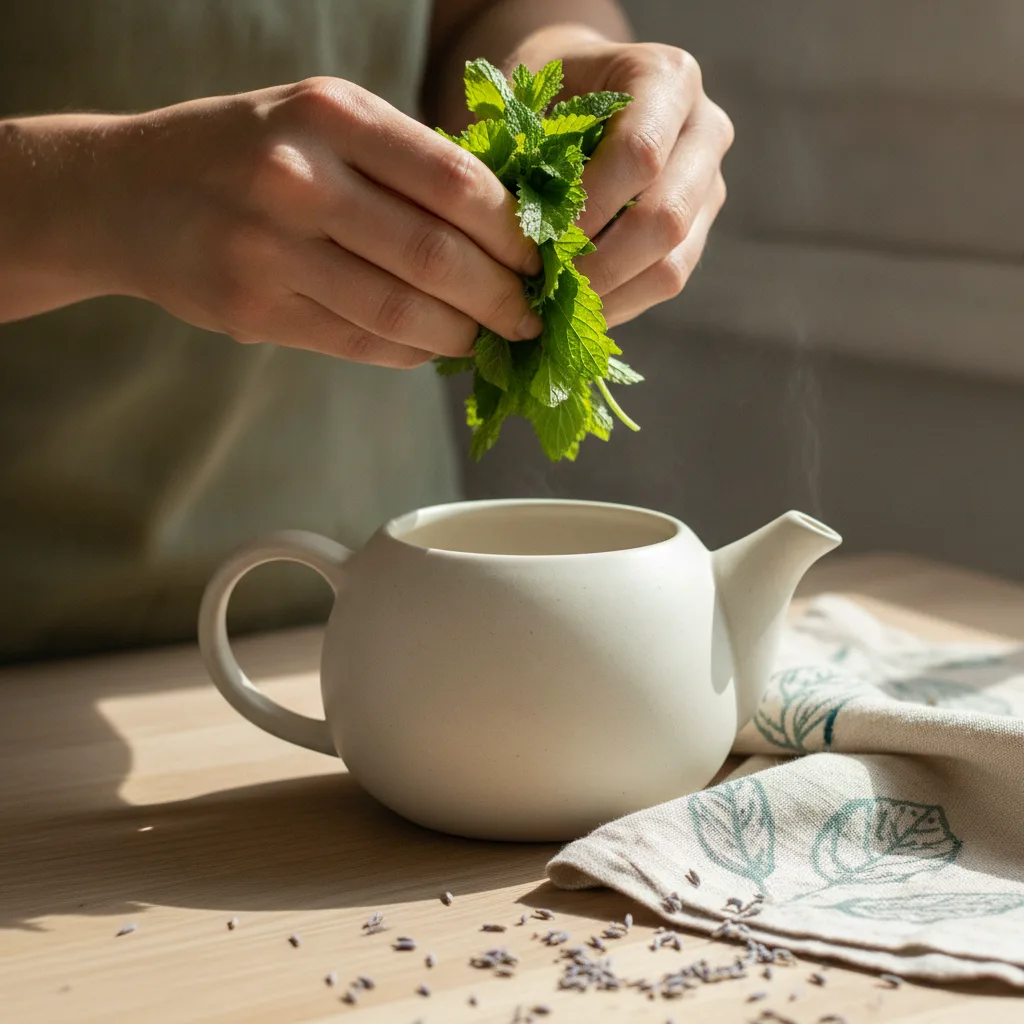
Slow air-drying in a shaded, ventilated area is the gentlest method for many delicate herbs and flowers. Hang small bunches or use low-heat dehydrators set below 95°F when needed. Check dryness by testing stems and petals; they should be crisp but not scorched. If you’re exploring broader trends in phytochemical preservation or extraction, Herbal Extracts Market Outlook 2026: Best Organic and Non-GMO Growth Trends is a useful resource.
Storage Guidelines: Airtight, Opaque, and Cool
Store dried herbs in airtight, opaque containers away from heat and moisture. Label jars with botanical names and harvest dates. Light, heat, and humidity degrade aroma and flavor over time, so small batches and regular rotation keep your pantry fresh.
Infusion Techniques to Get the Most from Fresh and Dried Herbs
- Fresh herbs: Use a small handful per 8-ounce cup and bruise lightly to release oils.
- Dried herbs: Use 1–2 teaspoons per cup; crush immediately before steeping.
- Temperature: Most herbal infusions benefit from water just below boiling to preserve nuance.
- Steeping time: Adjust 3–10 minutes by herb and taste preference.
Cover the vessel during steeping to trap volatile aromatics and present a more vivid sensory experience.
Advanced Extraction: Cold-Steeping, Decoctions, and Layered Infusions
Cold-steeping extracts different flavor and aromatic profiles and can yield a sweeter, less astringent cup. For tougher roots or barks, short decoctions may be used for culinary purposes. Experiment with layered infusions: steep one herb briefly, then add another for a secondary extract to build complexity.
Blending Principles: Balancing Aroma, Flavor, and Texture
Balance robust herbs with gentle florals to create well-rounded blends. Think in layers: base (spearmint), heart (chamomile), and finish (lemon balm or lavender). Keep a spice or citrus element in reserve to lift blends when needed. The concept of harmonizing herbal properties is a foundational part of Optimizing Metabolic Wellness with Sustainably Sourced Herbal Supplements in 2026.
Garden-to-Cup Examples: Simple Recipes to Try
- Refreshing Mint Blend: Fresh spearmint with a touch of lemon balm; bruise leaves and steep 5–7 minutes.
- Floral Calm Blend: Dried chamomile and lavender in equal parts; steep 4–6 minutes.
- Layered Cold-Steep: Fresh lemon balm and rose petal cold-steep for 4–8 hours for a light, aromatic iced infusion.
For inspiration on community gardening and local practices, consult this practical field piece about backyard herbal tea cultivation: A Soothing Cup of Herbal Tea Can Begin in Your Garden.
Community and Sourcing: Seed Exchanges, Local Networks, and Sustainability
Join local seed exchanges and community gardens to diversify your plant stock and learn region-specific cultivation tips. Sharing surplus harvests and blends fosters biodiversity and strengthens supply resilience. Medicinal and Aromatic Plant Market: Best Organic Trends and 2026 Global Outlook highlights the global importance of sustainable herbal sourcing. For local community perspectives and ideas about neighborhood gardening initiatives, refer to this accessible community article: Community Herbal Gardening Inspiration.
Troubleshooting Common Garden Issues in a Home Herbal Tea Garden
- Root-bound containers: repot and refresh potting mix.
- Poor flowering: check sunlight and soil drainage.
- Pest pressure: use manual removal, companion planting, and organic barriers.
Document issues and adjustments to learn which methods work best in your microclimate. Preserving Navajo Plant Knowledge: Traditional Healing, Organic Practices, and 2026 Herbal Insights provides perspective on maintaining traditional and organic practices through challenges.

Rituals and Use: Incorporating Garden Teas into Everyday Life
Create a simple ritual: harvest, dry or brew fresh, and take a mindful moment to enjoy aroma and flavor. Consistent small rituals help connect garden work to culinary pleasure and sensory well-being. Share blends with friends to refine recipes and build community.
Continuing the Practice: Scaling, Preservation, and Seasonal Planning
Plan for succession planting and seed-saving to maintain a steady supply. Preserve extra harvests through drying, cold storage, or small-batch freezing for fresh-note preservation. Adapting Seasonal Supplement Strategies: Best Organic, Bioavailable Picks for 2026 may provide useful insights for maintaining year-round variety. Seasonal planning allows variety year-round, even from a compact home herbal tea garden.
For a local narrative on starting a tea garden and connecting with community resources, see this piece of regional gardening perspective.
Final Notes: Practical Priorities for 2026 and Beyond
Focus on traceable seed sources, organic soil health, and low-impact cultivation. For further insights into the evolving herbal market, Moringa Leaf Powder Manufacturing: Best Organic Process & Market Outlook 2026 expands on sustainability and production practices. Keep experiments small and track results. A home herbal tea garden is both a practical source of fresh flavor and a living classroom for sustainable horticulture practices.
Begin your garden-to-cup journey: choose organic, non-GMO seeds, plan for soil health, and experiment with small blends. Start with a few containers or a raised bed and harvest mindfully to enjoy fresher, more flavorful herbal infusions from your own home herbal tea garden.
FAQs
-
How do I choose the best site to start a home herbal tea garden?
Select a spot with at least 4–6 hours of sunlight for most tea herbs, good drainage, and easy access to water. Consider microclimates on your property for heat-loving versus shade-tolerant species. If space is limited, containers near a sunny patio or balcony offer great control and portability. You can deepen your knowledge of herb selection and siting with resources such as Bloomscrolling for Herbal Wellness: Best Organic Herb Growing and Use Tips 2026.
-
Which herbs should I plant first for a productive home herbal tea garden?
Begin with versatile, easy-care species like spearmint, chamomile, lemon balm, and lavender. These herbs establish quickly, offer distinct flavor profiles, and tolerate container or bed growing. Start small, learn harvest timing, and expand as you gain confidence in their care.
-
What are practical organic soil amendments for long-term herb health?
Use compost, well-rotted manure, and leaf mold to build soil structure and microbial diversity. Add coarse sand or grit for herbs needing extra drainage. Apply organic mulch to preserve moisture and moderate temperature while feeding soil life over time. Resources like Best Organic Australian Plant-Based Nutrition: Clean Label Innovations for 2026 may inspire broader organic gardening practices.
-
When is the best time to harvest herbs for the highest aroma and flavor?
Harvest in the early morning after dew evaporates to capture volatile oils. For flowers, pick when petals are fully formed but before they begin to fade. Take small cuts to preserve plant vigor and stagger harvests to extend yields across the season.
-
What drying and storage methods preserve the most flavor for homegrown herbs?
Air-dry herbs in small bunches in a shaded, well-ventilated area or use a low-temperature dehydrator. Store dried herbs in airtight, opaque containers away from heat and humidity. Label containers with botanical names and harvest dates to maintain freshness. Explore advanced preservation approaches via the Herbal Extracts Market Outlook 2026.
-
How can I balance flavors when blending herbs from my garden?
Layer blends with a base (robust herbs), heart (middle-note herbs), and finish (floral or citrus notes). Start with small test batches and adjust ratios. Balance strong flavors like mint with gentler florals such as chamomile or lavender for a rounded cup.
-
What are low-impact pest management options suitable for an organic tea herb patch?
Rely on manual removal, beneficial insect habitat, companion planting, and physical barriers like row covers. Encourage pollinators and avoid broad-spectrum sprays. Regular observation and quick, targeted action reduce pest problems without synthetic interventions. Traditional organic approaches are discussed in Preserving Navajo Plant Knowledge: Traditional Healing, Organic Practices, and 2026 Herbal Insights.
-
How do I scale preservation to have garden teas year-round?
Plan for succession planting and staggered harvests. Preserve surplus via drying, small-batch freezing for fresh-note retention, and airtight storage. Maintain records of yield and drying conditions to replicate successful batches and maintain supply across seasons. Adapting Seasonal Supplement Strategies: Best Organic, Bioavailable Picks for 2026 offers additional strategies for year-round supply.