


Exploring Modified Xuanfu Daizhe Decoction for Resilient Digestive Support in Pets: Evidence From 2026 Case Series
Centuries-Old Formulation Adapted for Supportive Digestive Care in Pets
Persistent digestive disturbance can undermine appetite, nutrient intake, and overall wellbeing in companion animals. The modified Xuanfu Daizhe Decoction was evaluated in a 2026 clinical case series in China as a botanical regimen intended to support digestive balance in small-breed dogs and a domestic cat. This review synthesizes formulation rationale, ingredient interactions, sourcing, dosing, and monitoring approaches so caretakers and clinicians can assess potential supportive options alongside conventional care. For the full case series and methodology, see the detailed report here: full case series.
How the Modified Xuanfu Daizhe Decoction Supports Digestive Balance in Pets
The modified Xuanfu Daizhe Decoction is a historical botanical combination adapted to emphasize ingredients that support gastric motility, mucosal resilience, and balanced digestive signaling. Its use in the 2026 series focused on reducing recurrent episodes of gastric upset and stabilizing appetite, framed as supportive outcomes rather than definitive therapeutic claims. Practitioners customized blends based on systematic clinical assessment and symptom patterns, combining concentrated granules and encapsulation for precise dosing and improved bioavailability. A copy of the published clinical observations and preparation notes is available in the original report: detailed report.
Key Botanical Constituents and Mechanistic Rationale
Understanding why certain herbs were selected helps explain their complementary roles in a supportive regimen. Each listed botanical is referenced as a functional contributor rather than a curative agent.
- Inulae Flos (Xuan Fu Hua): Traditionally used to encourage downward digestive motion and support normal gastric emptying dynamics.
- Pinelliae Rhizoma (Ban Xia): Contains mucilage-associated compounds thought to influence mucosal interaction and reflexive emetic regulation.
- Glycyrrhizae Radix (Gan Cao): Employed for harmonizing formula balance and supporting gastrointestinal comfort through modulatory phytochemistry.
These types of herbal components are increasingly discussed in the context of Five Essential Medicinal Plants for 2026: Best Bioavailable, Sustainably Sourced Herbals, highlighting their relevance in integrative veterinary and human wellness.
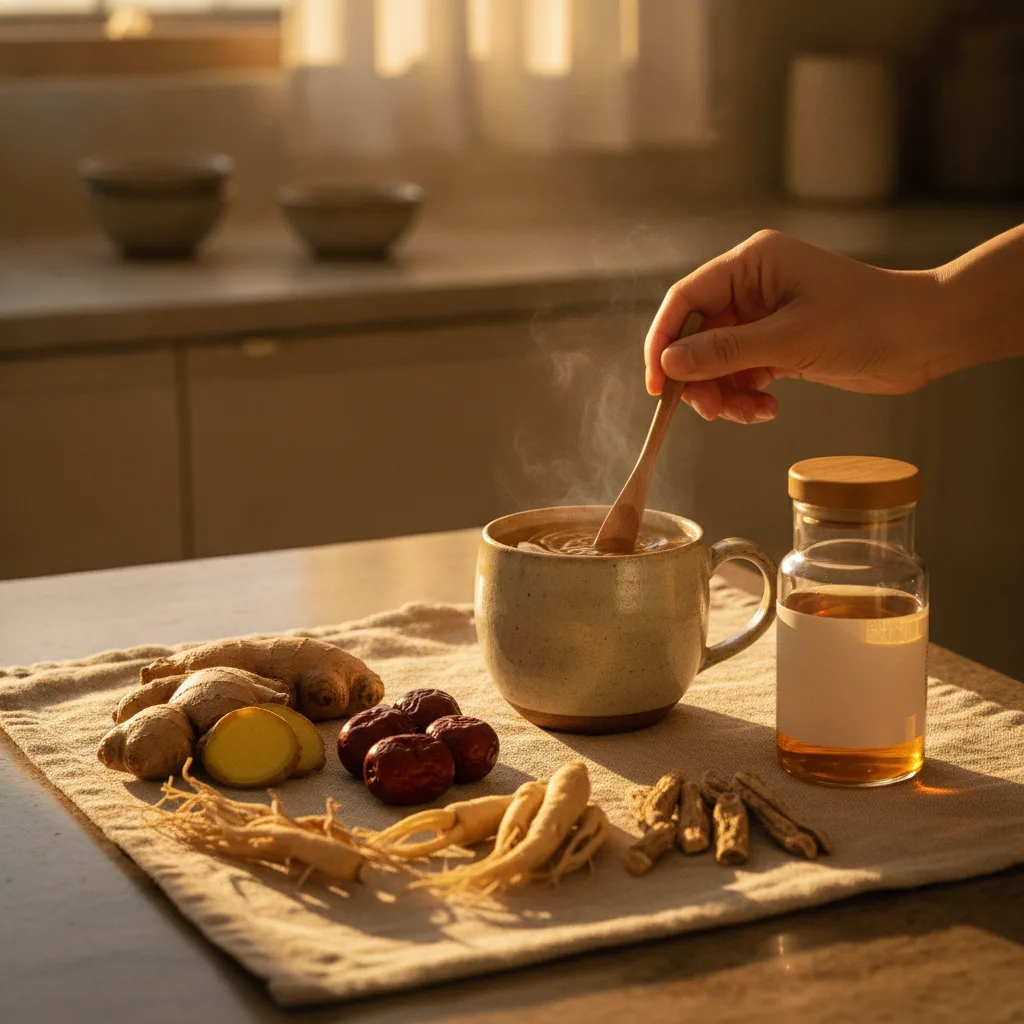
- Ginseng Radix (Ren Shen): Included for adaptogenic support aimed at maintaining energy balance and resilience under stress-induced appetite changes.
- Haematitum (Dai Zhe Shi): A mineral adjunct historically used to stabilize digestive sensation; its inclusion reflects traditional practice and requires careful quality control.
- Zingiberis Rhizoma Recens (Sheng Jiang, fresh ginger): Provides volatile oils associated with motility and secretion modulation.
- Jujubae Fructus (Da Zao, jujube): Supplies polysaccharides and other constituents proposed to soothe mucosal surfaces and aid nutrient assimilation.
Manufacturers and compounding technicians in the reported series converted these materials into concentrated granules and encapsulated doses to support consistent intake and shelf stability. The case series authors emphasized standardized extraction and third-party identity testing for each batch, paralleling standards discussed in Plant Extracts Market Outlook 2026: Best Organic Growth, Bioavailability Trends & Sustainable Sourcing.
Practical Assessment Framework Used in Case Series
The series relied on combined observational and objective assessments to inform formula customization. Language here avoids the term ‘diagnose’ and instead references structured clinical assessment.
- Clinical assessment: appetite patterns, behavior changes, stool consistency, and abdominal palpation guided initial decisions.
- Imaging and endoscopy: when available, imaging was used to rule out structural causes and to inform whether botanical support was appropriate as a complementary measure.
- Pattern-based evaluation: observational markers such as mucosal condition, hydration and peripheral signs were used to align herb selection to a specific pattern of digestive imbalance.
The systematic approach of evaluating adjunctive therapies aligns with broader Best Practices for Safe Herbal Remedy Use: 2026 Insights for Clinicians and Wellness Seekers.
Documented inclusion criteria emphasized persistent or recurring gastric symptoms for at least two weeks and incomplete stabilization under prior management, thereby identifying animals where adjunctive botanical strategies were trialed.
Customization and Dosing Principles
Responsiveness to botanical support varies with body size and clinical pattern. The case series used weight-based dosing with careful titration and close monitoring.
- Encapsulation and granules: enabled repeatable milligram dosing across different patient sizes.
- Weight-based guidance: the reported range (0.08–0.15 grams per kilogram twice daily) was applied with adjustments for tolerance and concurrent therapies.
- Duration and tapering: individualized courses lasted several weeks with follow-up assessments to determine the need for continuation or modification.
All compounding followed documented standard operating procedures to ensure ingredient identity, concentration consistency, and avoidance of contaminants. These safety measures echo the expectations in modern Complementary and Alternative Medicine Market Trends and Sustainable Growth Insights 2026.
Safety, Monitoring, and Communication Best Practices
Any botanical program for companion animals should include proactive safety measures and clear communication between caretakers and licensed clinicians.
- Baseline screening: standard bloodwork and imaging as indicated to exclude structural or metabolic contributors before initiating botanical support.
- Monitoring schedule: regular follow-up evaluations recorded symptom frequency, appetite trends, hydration status, and weight to capture response and tolerability.
- Adverse event vigilance: owners and clinicians tracked gastrointestinal upset, behavioral change, or allergic reactions and adjusted regimens accordingly.
These safeguards in the case series aimed to minimize confounding variables and to document supportive outcomes with transparency. This mirrors the evolving priorities described in Emerging Beauty and Wellness Trends: The Ultimate 2026 Non-GMO, Sustainable Guide, where consumer safety and sustainability converge.
Ingredient Sourcing and Sustainability Considerations
Quality assurance and sustainable sourcing were emphasized as core priorities in 2026 practice models.
- Non-GMO and traceable extraction: practitioners preferred certified extracts with batch-level documentation to enhance reproducibility and consumer confidence.
- Ethical harvesting: sustainable sourcing practices reduce ecological impact and align with long-term supply reliability.
- Third-party testing: identity verification, contaminant screens, and potency assays were used to ensure consistent ingredient profiles.
Transparency and responsible ingredient selection are increasingly valued in holistic product landscapes, often discussed in the context of Natural Food Innovation and Category Growth: Top Organic Trends for 2026.
Transparency in sourcing supports both safety and market expectations for eco-conscious pet care products.
Case Summaries in Context (Anonymized Observations)
Three small-animal cases illustrated how pattern-based botanical adaptation can be applied in practice. Outcomes were reported as supportive changes rather than definitive resolutions.
- Case A (small-breed dog): A warming/tonifying modification aimed at improving appetite and digestive rhythm showed decreased frequency of symptomatic episodes over a two-month monitored period.
- Case B (small-breed dog): A yin-nourishing modification focused on mucosal resilience was associated with improved feeding regularity and stool consistency within four weeks.
- Case C (domestic cat): Enhanced digestive enzyme–supporting additions correlated with fewer acute episodes and a return toward baseline activity over a month of follow-up.

Each case included ongoing monitoring and, where applicable, stepwise adjustments in composition and dose. This case-based approach underscores a growing appreciation for individualized care similar to the trends seen in Gen Z Embraces Traditional Chinese Medicine for Sustainable Wellness in 2026.
Integrative Modalities and When to Consider Referral
Complementary measures such as targeted external stimulation at traditional points were used in combination with herbs. These modalities are discussed as adjuncts rather than replacements for clinical care.
Referral to a licensed veterinary professional is appropriate when symptoms are severe, progressive, or accompanied by systemic signs. Coordinated care ensures botanical support is integrated safely with other therapeutic interventions.
Limitations of Current Evidence and Research Needs
The 2026 series offered clinical observations but was limited by small sample size, lack of blinding, and short-term follow-up. These factors restrict extrapolation.
Priority research areas include controlled trials with standardized endpoints, pharmacokinetic studies of key botanical compounds in companion species, and long-term safety surveillance. To explore related evidence gaps and advances, see the discussion in Are Daily Supplements Overhyped? 2026 Guide for Informed Choices.
Such studies would strengthen the understanding of supportive roles for these botanical blends.
Practical Takeaways for Caretakers and Clinicians
- Consider botanical regimens as supportive adjuncts that aim to promote digestive balance and symptom stabilization when used under veterinary guidance.
- Prioritize products or compounded preparations with transparent sourcing, third-party testing, and clear dosing instructions.
- Maintain open communication, use baseline screening, and follow scheduled monitoring to evaluate tolerance and effectiveness.
For additional procedural detail and observational data from the 2026 clinical description, the full case notes can be consulted here: full case series details.
Explore evidence-informed botanical options and sourcing best practices for supportive pet digestive health. Consult with a licensed veterinary professional before introducing new botanical regimens, and prioritize products with transparent testing and traceability to ensure safety and consistency.
FAQs
-
What is the modified Xuanfu Daizhe Decoction and how is it used for pets?
The modified Xuanfu Daizhe Decoction is an adapted botanical combination traditionally used to support digestive balance. In reported 2026 clinical observations, practitioners customized ingredient ratios and dosing to support appetite regulation and reduce recurrent digestive episodes, applying it as an adjunctive regimen under veterinary oversight.
-
How should dosing be adjusted for different-sized animals?
Dosing in the 2026 observations was weight-based, commonly within a range of 0.08–0.15 grams per kilogram administered twice daily. Clinicians titrated dosage according to tolerance, concurrent therapies, and clinical response, with careful monitoring and incremental adjustments.
-
Are there safety concerns with mineral inclusions in herbal formulas for pets?
Mineral components require strict quality control and appropriate dosing. Practitioners in the reported series emphasized third-party testing, batch traceability, and professional compounding to reduce contamination risk and ensure safe inclusion of mineral adjuncts in companion-animal formulas.
-
What monitoring is recommended while a pet is on a botanical digestive regimen?
Recommended monitoring includes baseline bloodwork where indicated, periodic weight checks, appetite and stool tracking, and scheduled follow-up visits. Owners should report any new or worsening symptoms promptly to enable timely adjustments to the regimen. Thoughtful monitoring parallels Best Practices for Safe Herbal Remedy Use: 2026 Insights for Clinicians and Wellness Seekers.
-
How does ingredient sourcing affect the reliability of botanical supplements?
Transparent sourcing, non-GMO certification when applicable, ethical harvesting, and third-party identity and contaminant testing improve product consistency and safety. Reliable sourcing ensures more predictable phytochemical profiles and reduces variability between batches. See also Plant Extracts Market Outlook 2026: Best Organic Growth, Bioavailability Trends & Sustainable Sourcing.
-
Can botanical support be combined with other integrative modalities?
Yes. In practice, clinicians may integrate botanical regimens with complementary approaches such as targeted external stimulation. These are considered adjunctive measures and should be coordinated with the primary veterinary plan to ensure overall safety and coherence.
-
What are important research gaps for botanical digestive support in pets?
Key gaps include randomized controlled trials to evaluate efficacy, species-specific pharmacokinetic studies, standardized outcome measures, and long-term safety data. Filling these gaps would help define appropriate roles for botanical adjuncts in veterinary care, as highlighted in Are Daily Supplements Overhyped? 2026 Guide for Informed Choices.
-
When should a pet be referred for further veterinary evaluation instead of relying on botanical support alone?
Referral is recommended when symptoms are severe, persistent, or accompanied by systemic signs such as dehydration, weight loss, or abnormal laboratory findings. Botanical support is intended as a complementary option and should not replace urgent or definitive veterinary assessment.