


Personalized Vitamins, Minerals, and Supplements Market Outlook 2026: Innovations for Wellness and Non-GMO Reviews
Why personalized vitamins, minerals, and supplements are reshaping the wellness market
The market for personalized vitamins, minerals, and supplements is expanding as consumers demand purpose-built formulations tied to lifestyle, life stage, and measurable outcomes. Early adoption centers on clean-label transparency, traceable sourcing, and data-driven digital engagement. This trend is closely related to the rapid evolution outlined in Personalized Health Agents and Multimodal AI: Redefining Everyday Wellness Support in 2026, which explores how emerging tech is driving customization across health sectors. This shift influences product design, channel strategy, and regulatory positioning across regions.
Consumer drivers fueling demand for personalized supplements
Modern buyers prioritize clarity and relevance when choosing supplements. Personalized formulations appeal because they promise relevance to a consumer’s activity level, sleep needs, or recovery goals. Retailers and manufacturers are responding with targeted portfolios and point-of-sale education that mirror the strategies found in Herbal Medicine Validation: Navigating Science, Safety, and Global Regulations in 2026.
Digital tools, including questionnaires and algorithmic recommendations, are key in converting intent to purchase. Subscription models and DTC engagement deepen relationships and enable ongoing personalization. These channels are central to the shift toward more individualized offerings. In addition, innovations such as those highlighted in How Ayurvedic Innovation Redefined Global Herbal Wellness in 2026 showcase the ways brands can enhance personalization through tradition and science.
Sustainability and clean-label attributes also shape choice. Certifications such as organic or non-GMO and transparent supply chains now factor heavily into repeat purchase behavior. Consumers reward traceability and ethical sourcing with loyalty and willingness to pay a premium, as detailed in Herbal Medicinal Products Market Outlook 2026: Demand, Trends & Non-GMO Insights.
Market segmentation opportunities: where growth concentrates for brands and retailers
Understanding segments helps define growth strategies. Each product platform carries different margin, regulatory, and channel dynamics, and personalization plays a distinct role in each. For brands targeting specific needs, referencing Optimizing Kidney Function: Best Organic, Non-GMO, and Ayurvedic Support for Kidney Health in 2026 can support targeted product development.
Multivitamins and mass-market offerings: volume focus with margin pressure
Multivitamins and basic mineral products remain a stable volume engine in many regions. However, private-label competition and price sensitivity keep margins tight. Brands that introduce personalization layers—such as targeted add-on packs or tailored dosing—can differentiate while protecting core volume.
Key approaches include clear ingredient provenance, improved bioavailability messaging, and flexible fulfillment models that enable segmented SKUs without excessive inventory overhead. Formulators can look at Vitamin Shot Market Trends and Precision Nutrition Insights for 2026 for insight on accessible personalized nutrition formats.
Specialty and benefit-specific formulas: premiumization and value capture
Specialty formulas oriented to cognitive clarity, sleep optimization, and stress resilience are high-growth opportunities. These personalized vitamins, minerals, and supplements command higher price points when supported by transparent ingredient sourcing and clear evidence of functional benefit.
Product designers should emphasize ingredient synergy, supported dosing, and delivery formats that improve adherence—gummies, drinkable powders, and capsule stacks. Subscription models often underpin lifetime value in these categories. The market for sleep-specific supplements, as reviewed in Best Organic Sleep Supplements for Adults: 2026 Non-GMO Reviews & Bioavailability Guide, demonstrates this trend.
Sports nutrition and recovery: mainstream appeal for performance and daily activity
Personalized sports nutrition blends extend beyond elite athletes to everyday consumers seeking energy, healthy muscle function, and effective recovery. Plant-based proteins, targeted amino-acid profiles, and recovery-focused formulations perform well when positioned for specific goals and life stages.
Influencer-driven discovery and targeted e-commerce placements accelerate trial in this segment.
Botanicals and herbal platforms: transparency and formulation innovation
Herbal and botanical ingredients attract interest when brands provide traceability and dosing clarity. Consumers expect organic and non-GMO credentials together with modern extraction and standardization techniques to support predictable outcomes.

Labels that communicate origin, extraction method, and interaction guidance are more likely to win trust among discerning shoppers. The importance of these elements is explored in The DNA Barcoding Debate: How a 2015 Investigation Reshaped Herbal Supplement Standards for 2026.
Pediatric and maternal nutrition: safety, format, and clarity
Products for children and pregnant or lactating people demand a higher emphasis on safety, palatable formats, and clear dosing guidance. Clean-label ingredients and third-party testing are important decision drivers, and digital educational content helps caregivers choose appropriate, evidence-informed options.
Regional dynamics shaping market strategy through 2026
Growth drivers and product preferences vary materially by region. Understanding these nuances is critical for go-to-market and regulatory planning.
Asia-Pacific: scale and rapid adoption of digital personalization
Asia-Pacific offers high-volume growth driven by urbanization and increasing per-capita wellness spend. Digital platforms and e-commerce enable rapid penetration of personalized vitamins, minerals, and supplements, especially in urban centers where consumers seek premium, traceable options. This momentum is matched by regulatory trends seen in Navigating Botanical Drug Regulation: FDA & EMA Collaboration Insights for 2026.
North America: premium channels and subscription leadership
North American consumers continue to favor premium, clean-label products through DTC and subscription models. Private label competes aggressively in mass retail, while digital-first brands leverage personalization technology to build loyalty.
Europe: regulatory maturity and sustainability expectations
Europe’s regulatory environment and eco-conscious consumers favor rigorous labeling and certified organic or non-GMO ingredients. Brands must balance innovation with a conservative regulatory approach to substantiating benefit-focused claims. Regional consumer priorities also resonate with findings on Holistic Breast Wellness: Non-GMO Herbs, Supplements, and Imaging Options for 2026.
Latin America and Middle East & Africa: infrastructure-driven opportunities
Emerging markets show strong demand for foundational vitamins while urban consumers increasingly explore premium and personalized formats. Growth correlates with retail modernization and expanded e-commerce access.
Supply chain and commercial levers for sustained advantage
Operational excellence and transparent sourcing are core competitive levers. To build resilience and trust, companies should optimize supply chains for traceability, diversify sourcing partners, and invest in quality controls and certifications. This evolving landscape is further illustrated in Unveiling WRKY Genetic Adaptations in Codonopsis pilosula: Stress Resilience Insights 2026.
Contract manufacturing flexibility supports rapid product iterations while third-party testing enhances credibility. Brands that align procurement with sustainability goals also benefit from consumer preference for responsible sourcing.
Product design priorities for personalization and efficacy perception
Formulators should prioritize bioavailability, ingredient compatibility, and user-friendly delivery formats. Evidence-based ingredient selection and clear communication of intended functional support are essential to avoid regulatory missteps.
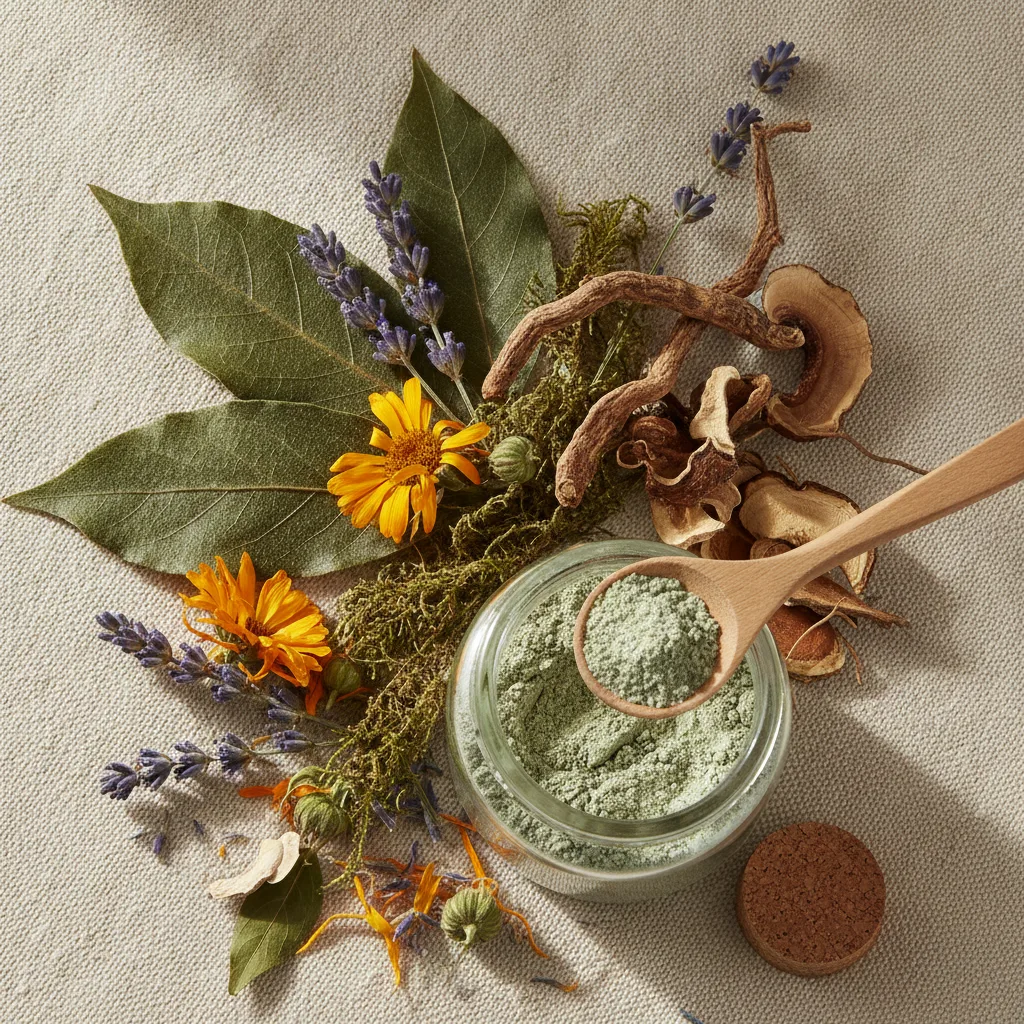
Cross-category innovation—drawing lessons from functional foods, beverages, and cosmetics—can accelerate product-market fit. Attention to flavor, stability, and dosing convenience improves adherence and reduces churn. See also 14 Best Natural Antidepressants for 2026: Sustainably Sourced Options for Mood Support for examples of effective design priorities in this area.
Data and technology: powering personalization at scale
Data-driven profiling and adaptive recommendations enable more relevant consumer matches. Platforms that integrate consumer feedback, biomarker inputs, and purchase behavior can refine formulations and offer dynamic subscription pivots.
Privacy, security, and transparent data usage policies are important to maintain trust while unlocking personalization benefits.
Marketing and education strategies that build long-term value
Educational content that explains ingredient roles, sourcing, and appropriate use supports informed purchase decisions. Thoughtful content programs coupled with third-party reviews and neutral market analysis help position brands as credible partners. For example, the analysis in Debunking TikTok Myths: Natural Supplements for MASH, Authentic Science & 2026 Non-GMO Reviews highlights the importance of credible educational outreach.
Research and market signal aggregation—such as trend reports and sector analysis—can inform product roadmaps and retail assortment choices. For a strategic overview of market drivers and forecast dynamics, see this market insights report: Vitamins, Minerals and Supplements market forecast to 2035.
Actionable priorities for 2026 planning
- Invest in traceable ingredient sourcing and clean-label credentials.
- Build adaptable DTC subscription frameworks that support personalized SKUs.
- Prioritize bioavailability research and synergistic ingredient pairings.
- Strengthen quality assurance and third-party testing to support transparent claims.
Additional market context and segmentation data can be found in the linked industry analysis, which highlights regional growth drivers and channel evolution: Vitamins, Minerals and Supplements market forecast to 2035.
Conclusion: positioning for profitable, sustainable growth with personalized strategies
Companies that combine clean-label sourcing, evidence-based formulation, and robust personalization platforms will be well placed to capture premium share through 2026. Sustainable supply chains and transparent consumer education—similar to practices described in How Mainstream Medicine Uses Natural Compounds: Insights for 2026 Wellness Seekers—will remain central to long-term loyalty and differentiation.
For more granular market segmentation and forecast detail useful for strategic planning and assortment design, consult this independent market forecast: Vitamins, Minerals and Supplements market forecast to 2035.
Explore strategic market insights and sourcing priorities that support clean-label, personalized nutrition. For an in-depth market forecast and segmentation analysis, review this industry report: https://www.indexbox.io/blog/vitamins-minerals-and-supplements-market-forecast-to-2035-driven-by-personalized-nutrition-demand/
Frequently Asked Questions
-
What is driving demand for personalized vitamins, minerals, and supplements?
Demand is driven by consumers seeking targeted support for lifestyle goals, clearer ingredient provenance, and personalized dosing. Digital tools, subscription models, and clean-label expectations also accelerate adoption by making tailored solutions easier to discover and sustain. Insights on this shift can be found in Personalized Health Agents and Multimodal AI: Redefining Everyday Wellness Support in 2026.
-
How should brands demonstrate value for personalized supplement offerings?
Brands can show value through transparent sourcing, clear dosing guidance, evidence-informed ingredient selection, and user-friendly delivery formats. Third-party testing, certifications, and educational content help consumers trust product relevance and quality, as explored in Herbal Medicine Validation: Navigating Science, Safety, and Global Regulations in 2026.
-
What role does bioavailability play in product development?
Bioavailability affects how ingredients are absorbed and utilized. Formulators should prioritize extraction methods, compatible excipients, and delivery formats that enhance uptake, illustrated by reviews in Best Organic Sleep Supplements for Adults: 2026 Non-GMO Reviews & Bioavailability Guide. Communicating these design choices improves perceived product effectiveness.
-
Which retail channels are best for personalized supplements?
Direct-to-consumer channels and subscription models are highly effective for personalized supplements due to data capture and flexible fulfillment. E-commerce marketplaces and specialty retailers complement DTC by broadening discovery and serving different consumer segments.
-
How important are certifications like organic and non-GMO?
Certifications signal commitment to sourcing and quality, influencing purchase decisions for many consumers. They are especially valuable in premium and pediatric segments, where safety perceptions and traceability are top priorities. Regional perspectives are highlighted in Herbal Medicinal Products Market Outlook 2026: Demand, Trends & Non-GMO Insights.
-
What regulatory considerations should formulators keep in mind?
Formulators must avoid unsubstantiated medical claims and adhere to region-specific labeling rules. Focus on compliant language such as ‘supports’ or ‘promotes’ healthy function, and maintain documentation for ingredient safety and testing to satisfy regulators and buyers, as emphasized in Navigating Botanical Drug Regulation: FDA & EMA Collaboration Insights for 2026.
-
How can companies make supply chains more resilient for personalized offerings?
Diversifying suppliers, investing in traceability systems, and securing long-term agreements for critical botanicals reduce risk. Robust quality assurance, contingency sourcing, and ethical procurement practices further strengthen supply chain resilience.
-
What metrics should brands track to measure personalization success?
Key metrics include subscription retention rate, average order value for personalized bundles, customer lifetime value, compliance/adherence rates, and return rates. Qualitative feedback and net promoter scores also indicate product-market fit and trust.