


Paeoniae Radix Alba: Advanced Insights on Liver Support and Herbal Synergy 2026
Paeoniae Radix Alba: Evidence-Based Use for Supporting Healthy Liver Function
Paeoniae Radix Alba is increasingly researched as a botanical that supports healthy liver function and cellular balance. In this article the primary keyword Paeoniae Radix Alba appears up front to help readers and searchers seeking evidence-informed botanical options for maintaining liver pathways, antioxidant balance, and integrative formulation strategies.
Historical Context and Contemporary Relevance for Liver Pathways
Paeoniae Radix Alba has a long history within East Asian herbal systems where it is used to promote physiological balance. Traditional formulas incorporating the root emphasize harmonizing effects across multiple systems.
Modern investigators are reassessing historical uses through contemporary phytochemistry and controlled laboratory methods. This convergence seeks to translate traditional rationales into practical guidance that supports healthy liver-related processes while remaining compliant with regulatory language. Those interested in broader traditional herbal approaches can also learn from the unlocking indigenous plant synergy between ancient and modern health systems.
Key Constituents and Their Functional Roles
Research highlights several repeatable constituents in Paeoniae Radix Alba that are relevant to liver-supportive mechanisms. The most cited is paeoniflorin, a glycoside associated with antioxidant balance and immune-modulating activity in preclinical work.
Other recurring components include albiflorin, polysaccharides, and various flavonoids. These constituents contribute to an overall activity profile that may support oxidative balance and cellular resilience when included in quality-controlled formulations. If you’re exploring antioxidants and their significance, reviewing bioavailable papaya juice benefits offers additional context on their use in wellness.
How Extraction and Processing Affect Bioavailability and Activity
Extraction technique and post-harvest processing strongly influence the chemical profile of Paeoniae Radix Alba and, consequently, its functional properties.
Low-temperature water or hydroalcoholic methods tend to preserve glycosides and heat-sensitive compounds. Such approaches are recommended when the goal is to maintain consistent constituent profiles and predictable performance characteristics.
Traceability from cultivation to finished extract is an important quality attribute. Consumers and formulators often prioritize sustainably sourced, non-GMO material with documented supply chains. Non-GMO concerns and sustainable ingredient sourcing are expanding; see current bioavailable menopause support ingredients analysis for a wider perspective.
Integrative Formulation: Synergy Without Overclaiming Therapeutic Effects
Classic prescriptions that include Paeoniae Radix Alba are multi-herb in nature. When combined thoughtfully, individual botanicals can complement each other to support metabolic and antioxidant pathways.
Synergistic formulation should be approached with standardization and safety in mind. Standardized extracts and consistent dosing frameworks help maintain predictable biochemical inputs while minimizing variability across batches.
For deeper bibliographic detail on recent narrative syntheses, see this review: narrative review on Paeoniae Radix Alba.
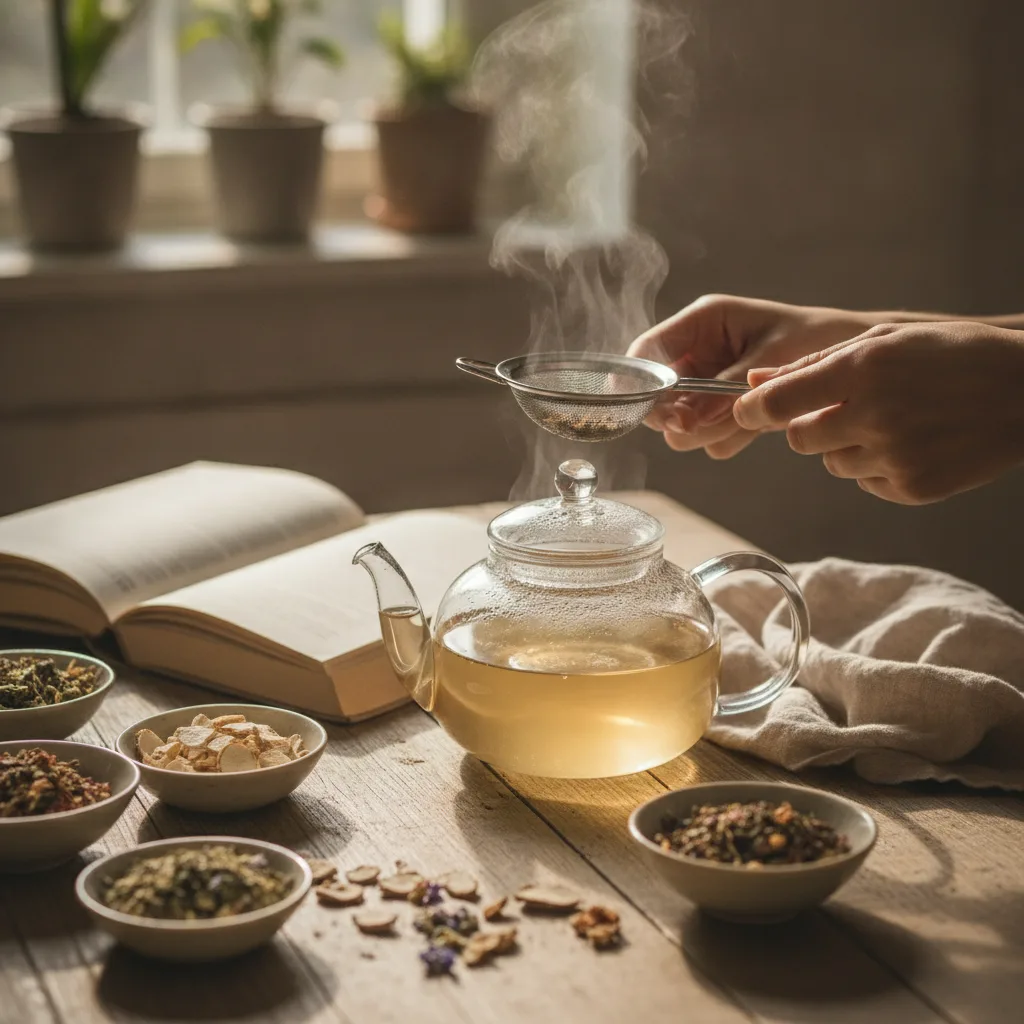
Mechanistic Themes: Oxidative Balance, Immune Modulation, and Microbiome Considerations
Across preclinical studies, consistent themes emerge regarding mechanisms by which Paeoniae Radix Alba may support healthy liver-related functions:
- Antioxidant capacity: Constituents such as paeoniflorin and various flavonoids are reported to support cellular antioxidant responses.
- Immune modulation: Glycosidic constituents are associated with balanced immune signaling in laboratory models, which can relate to maintenance of tissue homeostasis.
- Microbiome interactions: Polysaccharides and other components may interact with gut microbial communities, indirectly influencing the gut–liver axis that contributes to overall metabolic balance.
For those navigating the use of herbal products, especially regarding safety and labeling, understanding FDA supplement recalls and safe herbal choices gives valuable insights on responsible formulation.
These mechanistic observations provide a rationale for continued clinical exploration and well-controlled human research.
Applying Evidence to Practical Sourcing and Product Design
Sourcing decisions influence both safety and functional potential. For Paeoniae Radix Alba, priorities include sustainable cultivation, non-GMO status, and rigorous contaminant testing.
Manufacturing choices—such as low-heat extraction and validated downstream processing—help preserve target constituents and support consistent bioavailability. Product developers should document analytical profiles and provide transparency around extraction methods.
Findings and primary literature summaries are available in accessible reviews; see this detailed synthesis for methodology and data sourcing: narrative review on Paeoniae Radix Alba.
Safety, Standardization, and Responsible Use
Responsible integration of Paeoniae Radix Alba requires attention to standardization and interaction management. Standardized extracts reduce variability and support consistent constituent exposure.
Practitioners and formulators should consider potential botanical interactions and the overall composition of multi-ingredient products. Documentation of supply chain testing for heavy metals, pesticides, and residual solvents is essential to quality assurance. Those evaluating detoxification and liver support will find are herbal detox supplements safe highly informative for understanding modern perspectives and risks.
Research Gaps and Future Directions (2026)
Priority areas for further study include well-designed human trials, more detailed bioavailability studies, and research linking specific chemotypes to metabolic responses. Readers interested in optimal liver wellness strategies may benefit from debunking detox myths: safe approaches for optimal liver health.
Advanced formulation techniques—fermentation, micronization, and targeted delivery systems—are promising avenues to optimize constituent exposure and functional outcomes.
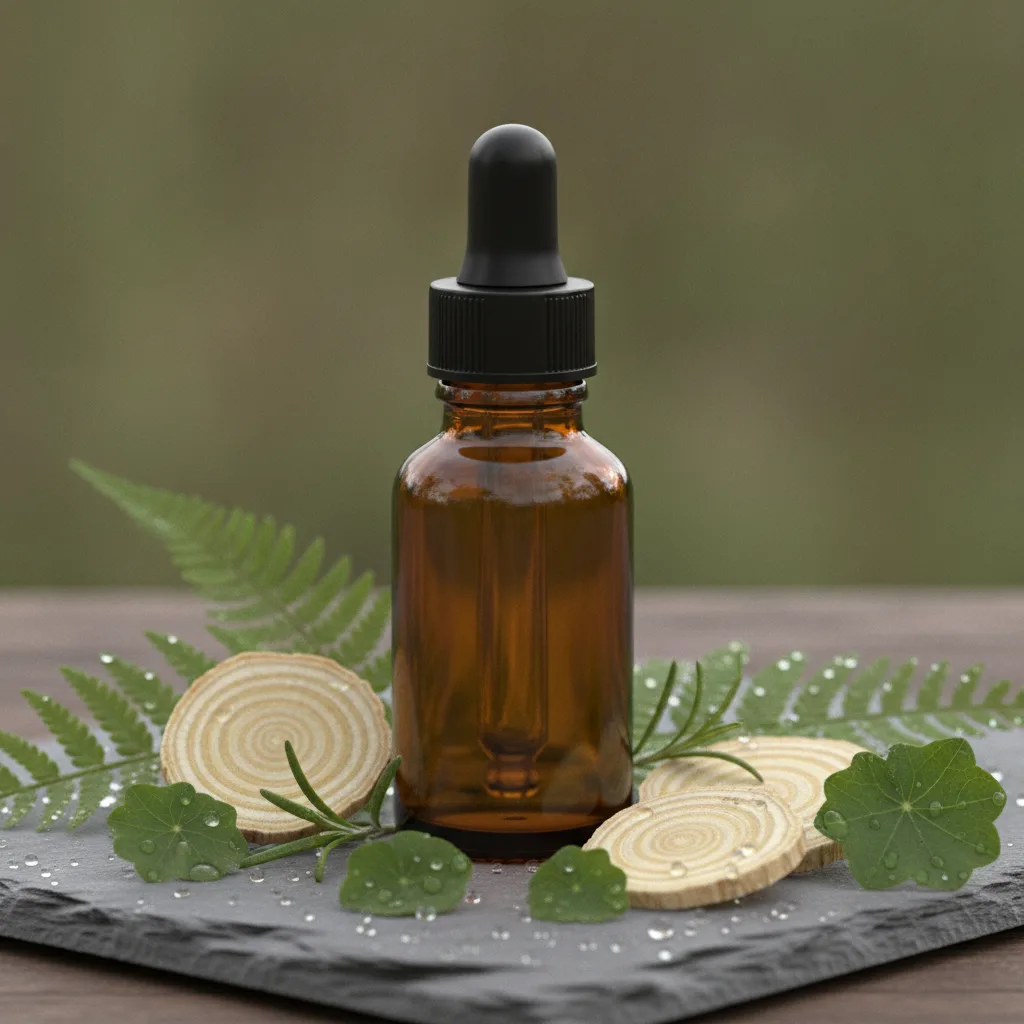
Practical Guidance for Integrating Paeoniae Radix Alba Into Routines
- Start with standardized extracts that document paeoniflorin and other major constituent levels.
- Prioritize sustainably sourced, non-GMO inputs with transparent testing certificates.
- Combine herbs deliberately, using traditional formula rationales alongside modern safety checks.
- Monitor personal response and consult qualified practitioners for individualized guidance.
For a broader look at botanical safety and safe usage in multi-ingredient blends, navigating botanical-drug interactions is essential reading for practitioners and consumers alike.
Making Informed Choices: Evaluating Sources and Claims
When evaluating products that contain Paeoniae Radix Alba, focus on traceability, analytical certificates, and clear extraction methods. Distinguish between traditional rationale and evidence graded by contemporary research standards.
For a thorough review of recent narrative evidence and methodology, consult this synthesis: narrative review on Paeoniae Radix Alba.
If you are interested in how other botanicals may affect liver health, consider reading is ashwagandha safe for your liver? for additional safety context.
Frequently Asked Questions: Common Inquiries About Paeoniae Radix Alba
1) How does Paeoniae Radix Alba support healthy liver function?
Paeoniae Radix Alba contains glycosides, polysaccharides, and flavonoids that research associates with antioxidant balance and immune modulation. These activities can support cellular resilience and maintenance of liver-related pathways when used as part of a broader wellness approach and quality-controlled formulation.
2) What role does paeoniflorin play in Paeoniae Radix Alba preparations?
Paeoniflorin is a principal glycoside frequently measured in extracts. It is commonly studied for antioxidant and regulatory effects in preclinical models. Standardized paeoniflorin content helps ensure consistent exposure across batches and supports reliable formulation practices.
3) Are there specific extraction methods that improve bioavailability?
Low-temperature water or hydroalcoholic extractions preserve heat-sensitive glycosides and flavonoids. Advanced techniques like micronization or fermentation may also modify absorption characteristics, but each method requires validation to confirm improved bioavailability in humans.
4) Is sustainably sourced Paeoniae Radix Alba preferable?
Sustainable, non-GMO sourcing with documented testing reduces the likelihood of contaminants and improves traceability. These factors contribute to overall product quality and consumer confidence in botanical ingredients.
5) Can Paeoniae Radix Alba be combined with other herbs safely?
When combined using traditional formula frameworks and modern safety screening, Paeoniae Radix Alba can be included in multi-herb products. Careful standardization, dose management, and expert oversight help reduce variability and support predictable outcomes.
6) What safety testing should be requested for Paeoniae Radix Alba products?
Look for certificates testing heavy metals, pesticides, microbial limits, and residual solvents. Analytical profiling of key constituents like paeoniflorin is also important for standardization and quality assurance.
7) How can consumers evaluate claims about Paeoniae Radix Alba?
Distinguish between mechanistic preclinical findings and human clinical evidence. Favor products and literature that provide clear analytical data, sourcing transparency, and references to peer-reviewed research.
8) What future research is most needed for Paeoniae Radix Alba?
Well-controlled human trials assessing standardized extracts, bioavailability studies linking dose to exposure, and chemotype-to-response mapping via metabolomics and genomics are high-priority areas for robust evidence development.
Closing Guidance and Next Steps
Paeoniae Radix Alba remains a botanical of interest for supporting healthy liver-related pathways, antioxidant balance, and integrative formulation strategies. Prioritize standardized sourcing, validated extraction, and transparent testing when evaluating products.
For readers seeking detailed bibliographic information and a methodological synthesis, consult the linked narrative review for comprehensive references and analysis: narrative review on Paeoniae Radix Alba.
Take Action: Evidence-Informed Next Steps
Learn more about evidence-informed botanical integration for healthy liver pathways by reviewing current literature, verifying product quality through certificates of analysis, and consulting qualified healthcare or herbal professionals for individualized guidance.
Learn more about evidence-informed botanical integration for healthy liver pathways. Review current literature, verify product quality through certificates of analysis, and consult qualified healthcare or herbal professionals for individualized guidance.
Additional FAQs
-
How does Paeoniae Radix Alba support healthy liver function?
Paeoniae Radix Alba contains glycosides, polysaccharides, and flavonoids that research associates with antioxidant balance and immune modulation. Those interested in broader liver and detox topics can refer to the debunking detox myths: safe approaches for optimal liver health for further guidance. -
What role does paeoniflorin play in Paeoniae Radix Alba preparations?
Paeoniflorin is a principal glycoside frequently measured in extracts. It is commonly studied for antioxidant and regulatory effects in preclinical models. Checking for standardized paeoniflorin content is recommended—see more on bioavailable menopause support ingredients for best practices in ingredient documentation. -
Are there specific extraction methods that improve bioavailability?
Low-temperature water or hydroalcoholic extractions preserve heat-sensitive glycosides and flavonoids. For more about innovations in herbal extraction and processing, emerging trends in the chrysin extract market discusses strategies for maximizing bioavailable components. -
Is sustainably sourced Paeoniae Radix Alba preferable?
Yes, sustainable, non-GMO sourcing with documented testing reduces the likelihood of contaminants and improves traceability, as also covered in baobab ingredient market trends. -
Can Paeoniae Radix Alba be combined with other herbs safely?
When combined using traditional frameworks and safety checks, Paeoniae Radix Alba fits in multi-herb supports; see related safety guidance in navigating botanical-drug interactions.