


Tulsi Plant Uses: Best Organic Traditional Applications & Reviews for 2026
Growing a vibrant connection with nature remains a core part of many Indian households, and tulsi plant uses continue to be central to that tradition. Tulsi plant uses include culinary additions, aromatic infusions, and home-based rituals that promote mindful living and environmental stewardship. In 2026, interest in best organic tulsi and sustainably sourced tulsi has increased, driven by a desire for traceability and clean cultivation.
Daily Rituals: Tulsi as an Aromatic and Mindful Herb
Tulsi plant uses extend beyond a single function: a living specimen on a windowsill can offer aroma, herbs for the kitchen, and a focal point for mindful breathing. Fresh leaves lend complexity to teas and warm infusions, while potted plants contribute sensory calm to indoor spaces. Integrating tulsi into daily rituals is as much about habit and environment as it is about botanical properties. Many practitioners see parallels between tulsi’s versatility and Eating Habits to Improve in 2026: Best Sattvic, Organic, and Planet-Aligned Nutrition, where mindful daily choices enhance overall wellbeing.
Preparing Tulsi Infusions and Culinary Uses
A simple tulsi infusion highlights the herb’s fragrant profile and can be made with fresh or dried leaves. Use a handful of fresh leaves per cup of hot water and steep for five to eight minutes for a balanced aroma and flavor. Mixing tulsi with ginger, lemon, or other herbs personalizes taste while maintaining a caffeine-free option, echoing the benefits found in Exploring Mindful Herbalism: The Transformative Power of Flower-Based Teas in 2026. Tulsi plant uses in cooking include fresh leaf garnishes, incorporation into chutneys, and subtle additions to soups and broths. When using tulsi for culinary purposes, prioritize clean, organically grown leaves and brief cooking times to preserve aromatic compounds. These approaches complement those highlighted in Calories vs. Quality: Finding the Middle Path in Holistic Nutrition 2026, encouraging nutrient-rich, low-impact diets.
Growing Best Organic Tulsi in Small Urban Spaces
Maximizing yield in tight spaces begins with the right pot, soil, and sunlight. Choose a medium pot with good drainage, a light-rich spot that receives at least four to six hours of sun, and an organic-rich, well-draining potting mix. Regular pruning encourages bushier growth and more harvestable leaves. Individuals integrating tulsi cultivation with Innovative Ways to Add Moringa to Meals: Best Non-GMO Ideas for March 2026 often find synergies in utilizing balcony gardens for diverse superfoods. Sustainable practices—composting kitchen scraps, using organic mulches, and choosing non-GMO seed stock—support soil health and plant vigor. In colder climates, move pots indoors or to a sheltered balcony to protect against frost and maintain continuous growth. To deepen your understanding of sustainable approaches, visit https://thebetterindia.com/sustainability/1-plant-100-uses-tulsi-plant-benefits-in-indian-homes-november-traditional-remedies-12781740.
Sustainable Pest Management and Soil Care
Preventive care reduces the need for synthetic interventions: maintain airflow around plants, remove diseased or damaged leaves promptly, and introduce companion plants that attract beneficial insects. Natural pest management options include neem-based soaps or a light manual removal of pests when needed. These strategies align with recommendations in Sustainable Herbal Wellness: Exploring TCM Approaches and Modern Bioactive Botanicals in 2026. Composted mulch and seasonal soil amendments help sustain nutrient levels and structure. Organic fertilization strategies focused on balanced feeding support long-term plant resilience and align with best organic tulsi growing practices. For gardeners who also focus on Adaptogens Market Outlook 2026: Bioavailability, Organic Trends, and Global Expansion, adopting organic pest management supports the integrity of their entire herbal collection.
Extraction and Aromatic Uses: Tulsi Essential Oil in Home Applications
Tulsi’s aromatic identity is rooted in volatile compounds such as eugenol and various terpenes. Steam distillation is a common extraction method that preserves many of these volatile constituents for use in aromatherapy and fragrance formulations. Sourcing clarity—knowing extraction method, origin, and purity—matters for quality-seeking consumers. This mirrors concerns outlined in Herbal Remedies for Cellular Support: Clinical Insights and 2026 Organic Reviews, where consumers demand transparency and verified sourcing for all plant-based extracts.

In home aromatics, small amounts of tulsi essential oil are used in diffusers or blended with carrier oils for non-contact fragrance. Use of essential oils should follow dilution guidelines and safety practices; essential oil applications differ from having a potted plant and should be handled with appropriate care.
Integrating Tulsi Into Storage and Household Fragrance Rituals
Traditional households historically used sun-dried tulsi leaves to add fragrance to grain stores and linen chests. When combined with hygienic storage practices—clean, dry containers and periodic inspection—these aromatic elements contribute to a refreshed environment. For additional traditional uses and detailed insights, reference https://thebetterindia.com/sustainability/1-plant-100-uses-tulsi-plant-benefits-in-indian-homes-november-traditional-remedies-12781740.
For general household scenting, fresh leaves placed in bowls or mild surface sprays (made with diluted, safe formulations) can refresh indoor spaces. These uses are complementary to modern hygiene and storage techniques, not substitutes for proven protective measures in storage and pest control. The benefits of these fragrant rituals are somewhat linked to holistic wellbeing practices such as those described in Exploring Nature’s Potential: Top 5 Herbal Products for Immunity.
Tulsi, Mindful Practices, and Community Rituals
Tulsi plant uses often include ritualized care and communal practices that support intergenerational knowledge transfer. Tending a plant cultivates routine, teaches observation skills, and fosters a sense of stewardship. These benefits are social and psychological, connected to daily structure and shared tradition. Many urban gardening communities link these rituals with AI-Powered Natural Product Discovery: Sustainable Advancements and Bioactive Synergy in 2026, merging tradition with digital innovation.
Community seed exchanges, urban garden projects, and educational workshops help preserve cultivar diversity and disseminate best organic tulsi cultivation methods. Sharing propagation tips and sustainability strategies strengthens local resilience and biodiversity.
What Modern Research Highlights About Tulsi’s Composition
Contemporary studies examine the phytochemical makeup of tulsi, exploring volatile profiles, flavonoids, and other constituents. Research often focuses on biochemical characterization and potential functional roles of these compounds in botanical applications. Such studies support improved extraction methods and product development while emphasizing the need for rigor and reproducibility. Readers interested in other research-backed plant uses may consult Exploring Mullein’s Bioactive Support for Respiratory Comfort: Best Practices and 2026 Insights.
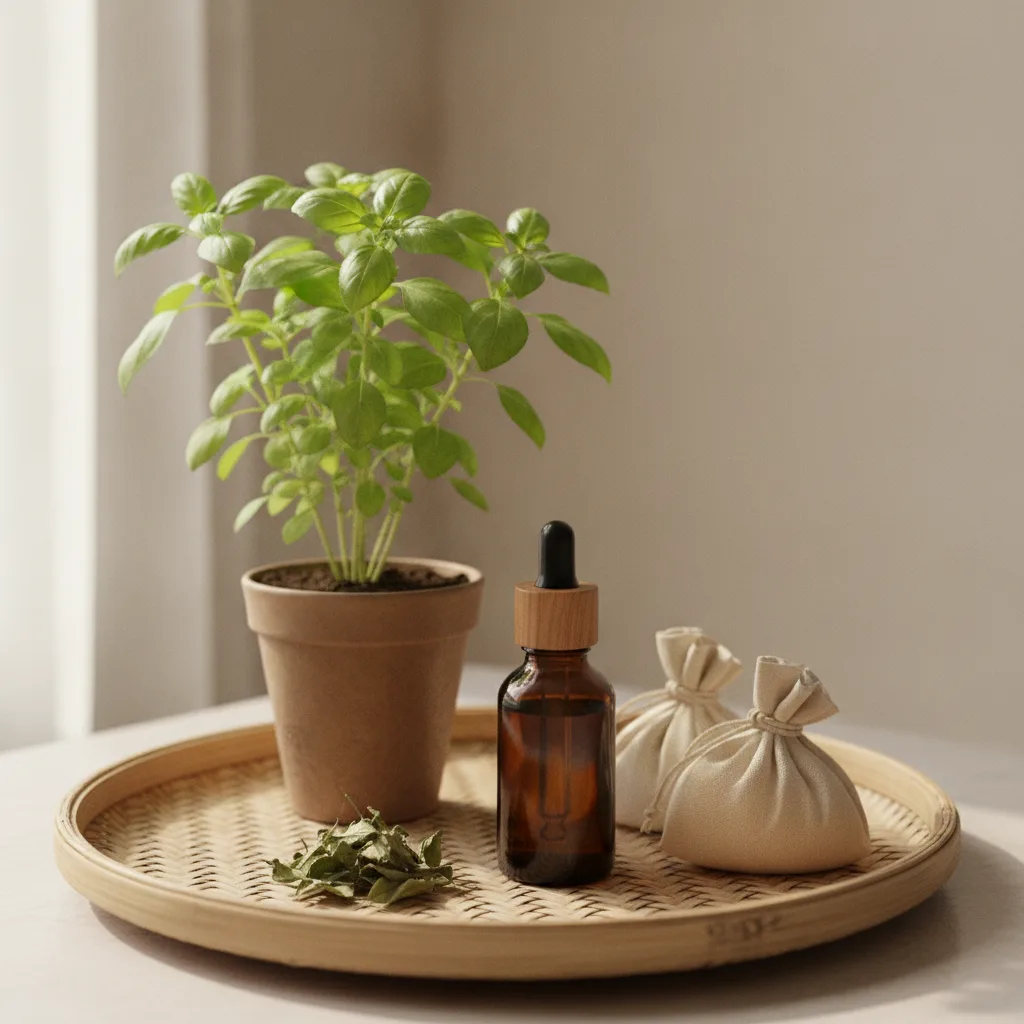
While ongoing research adds to our understanding, traditional practice and laboratory findings must be linked cautiously; reported benefits in laboratory settings or pilot studies are not equivalent to guaranteed outcomes in everyday use. Consumers should favor transparent sourcing and validated manufacturing when choosing prepared products.
Best Practices for Sourcing Sustainably and Ethically
Look for traceability information that describes seed origin, cultivation methods, and post-harvest handling. Certifications and supplier transparency can indicate adherence to organic principles, though verification and independent testing add further assurance. Prioritize suppliers who document sustainable water use, soil management, and ethical labor practices. See the linked overview from The Better India to better understand sourcing transparency and community standards.
Purchasing decisions that emphasize non-GMO seed stock and eco-friendly packaging help reduce environmental impact and support regenerative agriculture trends. Aligning with this, broader movements in 2026 Organic Beauty Trends: Sustainably Sourced Hair, Scalp, and Skincare Innovations show the connection between organic sourcing and conscious consumerism.
Practical Safety and Storage Guidelines
Store harvested leaves in a cool, dry place to extend shelf life; drying or refrigerating leaves shortly after harvest reduces degradation. When using concentrated extracts or essential oils, follow recommended dilution rates and keep products away from children and pets. Label homemade preparations with dates and contents for safe reuse. Sound storage protocols draw parallels to practices outlined in Medicinal Smoke and Indoor Air Purity: Best Botanical Approaches for 2026.
Documenting simple batch records for harvested and dried leaves supports traceability in home-grown or shared supplies, improving confidence in the source and handling.
Closing Reflection: Tulsi’s Place in Contemporary Homes
Tulsi plant uses remain a living bridge between tradition and contemporary sustainability. Whether used as an aromatic houseplant, a culinary herb, or a focal point for daily mindfulness, tulsi provides diverse, low-impact applications that complement modern living. Emphasizing best organic tulsi practices and sustainably sourced materials helps preserve the plant’s legacy for future generations.
Learn practical steps for growing and sourcing best organic tulsi: adopt sustainable cultivation methods, prioritize traceable seed stock, and integrate tulsi plant uses into daily rituals for aroma and culinary enjoyment. Explore community resources and educational guides to make mindful, eco-conscious choices for your home garden today.
FAQs
-
How can I grow tulsi successfully in a small balcony garden?
Select a medium pot with good drainage and a light-rich spot that receives at least four to six hours of sunlight. Use an organic, well-draining potting mix, water consistently without waterlogging, and pinch back the tips to promote bushier growth. Rotate pots periodically for even sun exposure and protect during frost. You may also find value in reviewing these Eating Habits to Improve in 2026: Best Sattvic, Organic, and Planet-Aligned Nutrition for a holistic gardening and lifestyle approach. -
What are the easiest culinary uses for tulsi leaves?
Fresh tulsi leaves work well as tea infusions, garnishes for soups and salads, and as an aromatic in chutneys and marinades. Add leaves near the end of cooking for subtle aroma, or steep them separately to preserve volatile notes. Use organically grown leaves to minimize exposure to synthetic residues. For more herbal recipe inspiration, see Innovative Ways to Add Moringa to Meals: Best Non-GMO Ideas for March 2026. -
How should I dry and store tulsi leaves to preserve aroma?
Dry leaves in a shaded, ventilated area away from direct sunlight to preserve volatile compounds. Once crisp, store them in airtight containers in a cool, dark place. Label jars with date and variety, and use contents within several months for best aromatic quality and freshness. -
Are there safe ways to use tulsi essential oil at home?
When using essential oils, always dilute with an appropriate carrier oil and follow recommended dilution ratios. Use diffusers in well-ventilated spaces and avoid direct application to skin without professional guidance. Keep all concentrated oils out of reach of children and pets and follow published safety recommendations. -
What sustainable soil practices benefit tulsi cultivation?
Incorporate compost and organic mulches to maintain soil structure and moisture-retention. Use balanced, organic fertilizers sparingly and test soil periodically to guide amendments. Crop rotation, companion planting, and avoiding synthetic pesticides support biodiversity and long-term soil health. Advancing urban gardening can also benefit from concepts in Adaptogens Market Outlook 2026: Bioavailability, Organic Trends, and Global Expansion. -
Can tulsi be used to enhance household fragrance and storage rituals?
Yes—fresh or dried tulsi leaves add a natural aroma to linen chests and storage containers when used as a complementary measure. Combine aromatic leaves with proper storage hygiene—clean, dry containers and regular inspections—to support an overall eco-friendly preservation approach. -
How do I choose sustainably sourced tulsi products?
Look for traceability statements that describe seed origin, cultivation methods, and post-harvest handling. Certifications and transparent supplier information can indicate adherence to organic standards, while independent testing and clear labeling support informed choices about purity and sustainability. -
What are simple pest-management steps for tulsi in urban settings?
Encourage airflow, inspect plants regularly, and remove affected leaves promptly. Use physical controls like handpicking pests or gentle soaps as needed, and introduce beneficial companion plants to deter pests naturally. Avoid routine use of synthetic pesticides to preserve beneficial insects and plant health. Additional insight is available in Sustainable Herbal Wellness: Exploring TCM Approaches and Modern Bioactive Botanicals in 2026.