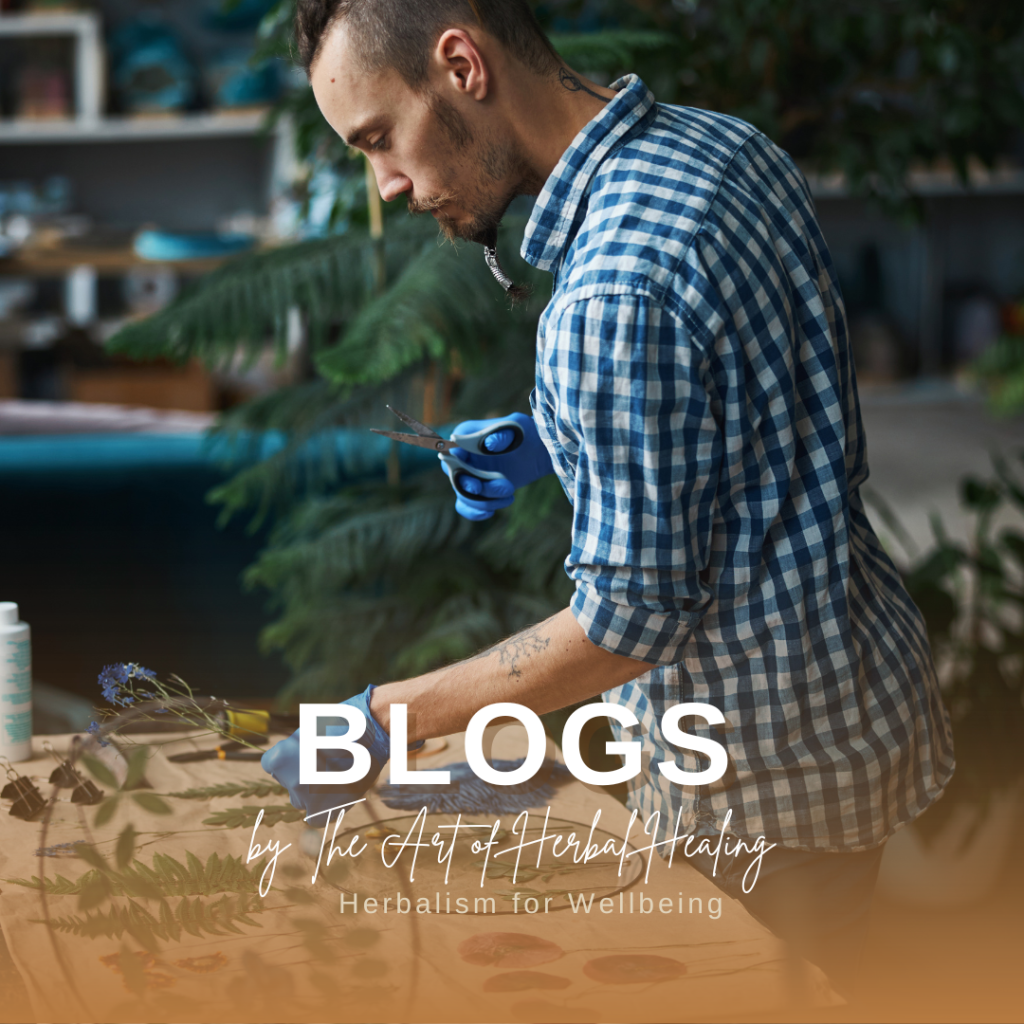


Shared Knowledge of Medicinal Plants in Mixtec Oaxaca: Agrobiodiversity Insights for 2026
Mixtec Knowledge Systems: Preserving Plant Diversity and Community Resilience in Oaxaca
In the mountains of Oaxaca, Mixtec medicinal plant knowledge forms a living archive of ecological practice and cultural expression. The community-based study documented 82 distinct taxa and hundreds of use reports, revealing how households combine wild collection and backyard cultivation to maintain access to bioavailable plant preparations. This article examines the cultural management, preparation methods, and agrobiodiversity strategies that sustain this herbal repertoire while highlighting ethical research practices in 2026.
Household Practices Shaping Plant Use
Household-level knowledge in Santiago Ixtaltepec shows an integrated approach to sourcing and preparing plants. Interviews and guided walks with residents aged 38 to 91 captured how families steward wild populations and tend home gardens.
These shared practices emphasize sustainable harvest techniques and preparation methods that prioritize water-based extraction of active, bioavailable constituents. This is the same principle driving bioavailable solutions in contemporary wellness discussions, reflected in resources such as the linked industry review Herbal Shampoo Market Trends, Sustainability, and Bioavailable Solutions for 2026 Growth.
Field researchers used herbarium comparisons and voucher specimens for identification, ensuring the botanical record is reliable without implying clinical efficacy. For deeper documentation on the study dataset and taxonomy, consult the publicly available report at https://bioengineer.org/study-documents-82-medicinal-plants-shared-across-mixtec-community-in-oaxaca/.
Botanical Families and Taxonomic Patterns
Asteraceae, Lamiaceae, and Solanaceae are among the families most frequently cited in the study, reflecting ecological availability and cultural preference. Diversity indices point to high evenness and an organized core repertoire shared across households.
Mixtec medicinal plant knowledge clusters by phylogenetic lineages and functional availability, paralleling discussions of holistic nutrition in related analyses such as Calories vs. Quality: Finding the Middle Path in Holistic Nutrition 2026. Taxonomic rigor helps researchers and community partners track non-GMO lineages and cultivation history without commercializing traditional practices; see related market-focused documentation at Best Non-GMO Allergy Season Support Solutions: 2026 Wellness Review and the public dataset at https://bioengineer.org/study-documents-82-medicinal-plants-shared-across-mixtec-community-in-oaxaca/.
Cultural Prominence and Key Species
Certain taxa receive consistently high citation rates across informants, signaling communal prominence within the herbal repertoire. Noteworthy species include Calea ternifolia, Tournefortia mutabilis, and Marrubium vulgare, which are central to community health practices.
The recurrent use of these taxa highlights longstanding cultural significance, comparable to the emergence of functional foods in broader market trends outlined in Superfood Market Growth, Sustainability, and Future Trends: Analysis 2026. Citation frequency and consensus metrics reveal not only which plants are prominent but also how they are woven into household routines—such as infusions for general digestive comfort and topical applications for skin care within cultural practices.
Measuring Agreement: Fidelity and Consensus
Researchers applied fidelity level and informant consensus factor analytics to assess how commonly plants are cited for particular supportive roles. High agreement suggests shared cultural endorsement of specific plant uses within therapeutic domains like digestive comfort, respiratory support, and topical skin care.
Many reports clustered in domains identified as important to day-to-day wellbeing, and this communal framework contributes to resilience in plant knowledge transmission. These findings mirror broader patterns observed in ethnobotanical research and growing interest in holistic health approaches, as summarized in industry outlooks such as Natural Brain Health Supplements Market Outlook 2026.
Preparation Practices That Enhance Bioavailability and Respect Ecology
Teas, infusions, poultices, and ritual bundles are the primary preparation methods recorded across households. These techniques favor extraction of water-soluble constituents and often select leaves and branches—parts that support plant regeneration when harvested responsibly.
Home preparations emphasize gentle extraction and timing that preserve bioactive compounds while honoring local ecological knowledge. Standard household recipes center on water-based methods that maximize traditional bioavailability without reliance on industrial solvents.
Informants described consistent, household-level protocols for infusion times, part selection, and dosing that are passed down through intergenerational teaching. Elders often demonstrate sustainable harvest techniques to ensure ongoing plant availability and ecosystem health.
Oral routes predominate, but topical and ritual applications remain culturally central. Preparation steps are often standardized at the household level, reinforced by intergenerational knowledge transfer and ceremony.
Documented methods highlight the fit between cultural practice and ecological stewardship: selecting parts to sustain regrowth, timing collections to phenology, and cultivating key taxa in gardens to reduce pressure on wild populations.
These practices echo principles shared with organic and sustainable production trends discussed in related reviews, such as Ashwagandha Withanolides: Bioavailability, Safety, and Sustainable Production Insights for 2026.

Therapeutic Domains: Community-Framed Support for Common Concerns
Digestive comfort accounted for a large proportion of use reports, reflecting the community focus on daily functional wellness. Additional emphasis is placed on respiratory support, topical skin care, and culturally defined concerns like mal de aire and mal de ojo.
Researchers adapted common health classification categories for comparative purposes while respecting local diagnostic frameworks, allowing for cross-cultural analysis. This strategy is increasingly influential in shaping sustainable wellness initiatives worldwide.
Knowledge Transmission: Demography, Gender, and Education
Average knowledge richness was estimated at 14.4 taxa per informant, with minimal gender differences. Notably, younger adults with more formal education sometimes exhibited broader botanical literacy, suggesting adaptive knowledge pathways.
Intergenerational learning occurs through guided walks, shared garden work, and ritual practice—practices that embody the CARE Principles for Indigenous Data Governance. These frameworks ensure that community benefit and consent remain core components of research initiatives.
Agrobiodiversity Management: Wild Harvesting, Home Gardens, and Market Sourcing
Most taxa remain sourced from the surrounding wild landscape, while backyard cultivation now accounts for over 40 percent of taxa documented in home gardens. Local markets provide a limited number of species, reflecting pragmatic adaptation to land access and seasonal variation.
The study catalogued taxa exclusive to wild environments and others found only in gardens, illuminating genetic diversity and long-term sustainability. Community monitoring efforts enrich local participation and support adaptive ecological stewardship.
Household-level decisions—what to cultivate, what to collect, and when—are coordinated to complement seasonal cycles. Garden plots are used not only for provisioning but also as living seedbanks that preserve local lineages and support resilience.
Market sourcing plays a smaller but strategic role, filling seasonal gaps and providing access to species that may be scarce locally. Community governance emphasizes transparency about provenance and cultivation history to prevent commodification and preserve shared custodianship.
Local initiatives that promote diversified home gardens and non-destructive harvest techniques reduce pressure on wild populations and maintain ecosystem function. Such approaches align with broader market narratives on sustainable sourcing, as discussed in reports like Cocoa Fiber Market Analysis, Bioavailable Trends & Global Forecast 2026.
Community monitoring and participatory ecological assessment are central to long-term stewardship strategies, enabling adaptive management informed by both traditional knowledge and scientific observation.

Seasonal Availability and Household Planning
Three-quarters of use reports referenced year-round availability, supporting community buffers across seasonal cycles. Rainy-season species introduce additional diversity, while household gardens are coordinated to complement wild harvests for resilient provisioning.
These adaptive responses align closely with the evolution of food system resilience and local planning in emerging wellness markets, and they inform practical strategies for household-level risk management.
Ritual Use and Culturally Defined Practices
Culturally specific practices—such as ritual cleansings and multi-taxa bundles—remain central to Mixtec use of plants, affirming the interconnectedness of botanical and social meaning. Documenting these uses requires ethical sensitivity, respecting local ownership and protocols at every stage.
Researchers emphasize consent, community benefit, and careful handling of culturally sensitive information to avoid misappropriation and ensure respectful collaboration.
Sustainable Oversight and Community Governance
Sustained use of plant resources depends on community-centered oversight, periodic ecological assessment, and transparent data governance. Pairing traditional knowledge with scientific monitoring enhances both local plant viability and the longevity of herbal expertise.
For additional methodological detail and the full species list, consult the repository at https://bioengineer.org/study-documents-82-medicinal-plants-shared-across-mixtec-community-in-oaxaca/.
Practical Takeaways for Researchers and Conservation Practitioners
- Center community governance and the CARE Principles in any research partnership.
- Encourage non-destructive harvest techniques and home garden diversification to reduce wild population pressure.
- Document preparation methods and cultural context to ensure knowledge transmission without commodifying practices; see field-relevant perspectives such as Gen Z Embraces Traditional Chinese Medicine for Sustainable Wellness in 2026.
Closing Reflection: Respectful Collaboration and Living Knowledge
Mixtec medicinal plant knowledge is a dynamic, living system balancing cultural value, ecological adaptation, and practical needs. Ethical documentation and collaborative governance ensure this herbal heritage endures, supporting ecological and community integrity for the next generations.
Learn more about community-driven agrobiodiversity and ethical ethnobotany by reviewing publicly available datasets and research protocols. Support approaches that center Indigenous governance, non-destructive stewardship, and transparent collaboration rather than commercial appropriation.
Frequently Asked Questions
-
What does ‘Mixtec medicinal plant knowledge’ refer to in this context?
It refers to the practices, naming, preparation strategies, and cultural uses of plants shared across Mixtec households. This includes sourcing, preparing, and applying plants within traditional frameworks, a theme mirrored in the communal approaches to wellness found in Superfood Market Growth, Sustainability, and Future Trends: Analysis 2026.
-
How were plant species identified and documented in the study?
Researchers conducted semi-structured interviews, guided walks, prepared voucher specimens, and compared samples using herbarium records to verify taxa. Taxonomic accuracy and community consultation remained central, comparable to documentation standards used in sustainable product markets such as Homegrown Medicinal Herb Garden: Best Organic Alternatives to Pharmacy Herbs 2026.
-
How do Mixtec communities balance wild harvesting and cultivation?
Households utilize wild collection in tandem with intentional backyard gardens to maintain supply and genetic diversity. Integrating home cultivation with responsible wild harvest supports both resilience and regeneration, similar to agrobiodiversity strategies discussed in Cocoa Fiber Market Analysis, Bioavailable Trends & Global Forecast 2026.
-
What preparation methods enhance the bioavailability of plant constituents?
Common techniques include teas, infusions, poultices, and expressed juices, emphasizing gentle extraction of water-soluble compounds. These home-adapted methods align with bioavailable wellness approaches, as seen in Herbal Shampoo Market Trends, Sustainability, and Bioavailable Solutions for 2026 Growth.
-
Are these plant uses equivalent to clinical treatments?
No, the uses documented reflect community-endorsed practices supporting comfort and routine wellbeing, comparable to gentle supportive strategies found in Non-Stimulant Digestive Wellness: Best Gentle Support for Gut Health 2026.
-
How does the study address culturally defined conditions like mal de aire?
The research highlights ritual bundles and multi-taxa practices addressing conditions such as mal de aire, focusing on cultural frameworks and symbolic meaning. This aligns with the broader exploration of traditional health perspectives in Gen Z Embraces Traditional Chinese Medicine for Sustainable Wellness in 2026.
-
What role do governance frameworks like the CARE Principles play?
CARE Principles provide a structure for collective benefit, authority, and ethical data governance, ensuring community priorities and consent are at the forefront.
-
How can conservation practitioners support Mixtec agrobiodiversity?
Support comes by collaborating with community monitoring, promoting diverse home gardens, providing resources for sustainable harvest, and honoring data sovereignty—practices leading to ecological resilience.
-
Is there public documentation of the species list and methods?
Yes. The study’s methodological notes, sampling details, and full species catalogue can be accessed in the public repository at https://bioengineer.org/study-documents-82-medicinal-plants-shared-across-mixtec-community-in-oaxaca/.
-
How does seasonal availability affect household plant planning?
Seasonal cycles determine planting and harvest timing, with year-round species forming a reliable base and rainy-season plants increasing nutritional and medicinal diversity.