
Calories vs. Quality: Finding the Middle Path in Holistic Nutrition 2026
Rethinking Nutrition in 2026: Prioritizing Calorie Awareness Alongside Food Quality
Finding steady progress in body composition and day-to-day vitality depends on both calorie awareness and consistent attention to nutrient density. Calorie awareness helps people understand energy balance, while whole-food choices supply vitamins, minerals, and fiber that support metabolic resilience. This article explores how to blend these priorities into a practical, sustainable approach for 2026 and beyond.
How calorie awareness complements nutrient-dense eating for reliable results
Calorie awareness is not about rigid counting; it’s about informed decisions that align energy intake with lifestyle goals. When calorie awareness pairs with high-quality foods, the result is intentional meals that satisfy hunger, support muscle function, and maintain steady energy. This combination reduces guesswork and encourages long-term adherence to healthier habits.
Vitamin Shot Market Trends and Precision Nutrition Insights for 2026 provide practical data about adjusting nutrition to your daily energy needs while still emphasizing quality whole foods and food variety.
Why combining energy knowledge and food quality is effective
- Energy balance guides whether the body is in a state of storing or reallocating fuel.
- Nutrient-dense meals improve satiety and micronutrient intake while supporting recovery and daily function.
- Calorie awareness provides a scaffold for meal planning without negating the value of whole foods.
Understanding both energy and food quality creates a practical framework for adapting meals to activity, appetite, and goals without removing pleasure from eating.
Identifying hidden energy in everyday whole foods
Whole-food sources of healthy fats and concentrated carbohydrates can be easy to underestimate. Calorie awareness helps clarify how portions of nutrient-rich foods contribute to total daily energy intake. Developing this literacy supports inclusion of valued foods without unintentionally exceeding personal targets.
Apple Cider Vinegar Market Outlook 2026: Functional Foods, Sustainable Growth, and Top Non-GMO Trends demonstrates how functional foods can be part of a calorie-aware approach while maintaining nutrient density.
Practical examples of energy-dense whole foods
- Avocado: rich in monounsaturated fats and fiber; portion awareness prevents unintended excess.
- Nuts and seeds: nutrient-packed but calorically concentrated in small volumes.
- Cold-pressed oils and nut butters: beneficial compounds delivered in compact calorie amounts.
Being mindful of portions enables flexible inclusion of these foods while maintaining a consistent calorie framework.
Optimizing macronutrient distribution to support function and fullness
Thoughtful macronutrient distribution helps sustain energy, maintain lean tissue, and support appetite regulation. Calorie awareness combined with intentional protein, carbohydrate, and fat balance improves how meals perform through the day.
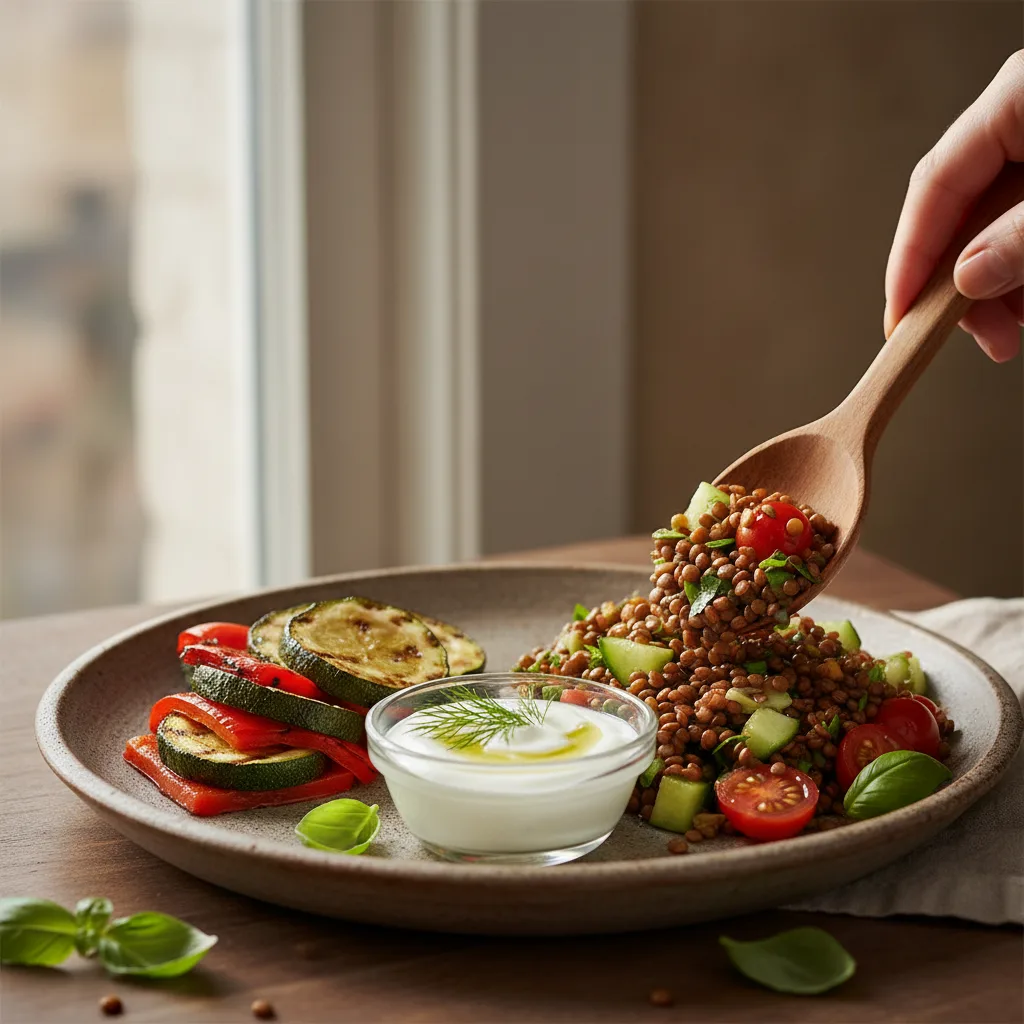
Key macronutrient strategies for everyday meals
- Prioritize sufficient protein to support muscle maintenance and post-exertion recovery.
- Include fiber-rich carbohydrates for steady energy and digestive support.
- Use concentrated fats judiciously to enhance flavor, absorption of fat-soluble nutrients, and satiety.
This balance encourages nutritional adequacy while allowing for enjoyment and variety. For those interested in phytochemical diversity and alternative botanicals supporting metabolic health, consider learning about Unlocking the Secrets of Blue Turmeric: Rare Medicinal Herb Spotlight 2026.
Protein prioritization: practical advice for sustained tissue support
Consistent focus on protein helps maintain functional lean tissue and steady hunger cues. Calorie awareness clarifies how protein portions fit into total daily energy, ensuring other macronutrients do not unintentionally displace essential amino acid intake.
Best Supplements for Menopausal Symptoms: Non-GMO, Organic Options for 2026 identify how protein and nutrient intake support hormonal balance and overall wellness, especially during life stage transitions.
Meal-building tips to prioritize protein
- Include a high-quality protein source in each meal to stabilize appetite and support recovery.
- Combine plant and animal sources where preferred to broaden the amino acid profile.
- Pair proteins with fiber-rich vegetables to lengthen fullness and improve micronutrient density.
These small, repeated choices compound toward stronger metabolic resilience and day-to-day performance.
Constructing balanced meals: recipes for consistency and satisfaction
Intentional meal templates reduce decision fatigue and make calorie awareness easier to apply. A few practical templates provide a framework without rigid restriction.
For evidence-based guidance, a detailed Expert guide to understanding holistic vs fitness nutrition discusses how balanced meal construction aligns with both calorie and nutrient goals.
Breakfast template for sustained morning energy
- Lean protein source (eggs, yogurt, or plant-based alternatives)
- Fiber-forward carbohydrates (whole-grain sourdough, oats, or legumes)
- A measured portion of healthy fat (nuts, seeds, or a tablespoon of oil)
Lunch and dinner template for recovery and satiety
- Protein at the center (rotate plant and animal sources as preferred)
- Vegetables for fiber and micronutrients
- Moderate carbohydrates for activity level
- A controlled portion of fats to support nutrient absorption
Following templates that reflect calorie awareness makes it straightforward to adapt for activity level and appetite. Discovering Innovative Ways to Add Moringa to Meals: Best Non-GMO Ideas for March 2026 can increase diversity in balanced meal planning.
Using short-term tracking as an educational tool
Tracking for a limited period teaches portion sizes, typical energy density of favorite foods, and where small additions create large calorie shifts. Calorie awareness gained through tracking often transitions into informed, intuitive decisions.
Nutraceutical and Medicinal Plants Market Outlook 2026: Global Sustainability, Bioavailability Insights, and Growth Dynamics, detailing the evolving functional food space, helps illustrate why personal intake choices matter in practice.
Best practices for short-term tracking
- Track 1–2 weeks to identify patterns rather than judge choices.
- Focus on protein, high-calorie additions (oils, nut butters), and daily carbohydrate volume.
- Use the insights to create meal templates and adjust serving sizes for long-term habits.

Short-term tracking should empower rather than restrict, improving food literacy over time.
Sustainability and sourcing: aligning food quality with environmental values
Selecting minimally processed, locally available, and seasonally appropriate foods often improves nutrient density and culinary satisfaction. Calorie awareness ensures that sourcing preferences do not eclipse the need for balanced energy intake.
Latin America Herbal Supplements Market Growth & Trends: Best Organic Insights for 2026 provides insights into sustainable sourcing and regional market influences on food quality.
Practical sourcing recommendations
- Favor seasonal produce for flavor and potential nutrient advantages.
- Select minimally processed options to reduce excess additives and preserve whole-food integrity.
- Rotate protein sources to diversify micronutrient intake and reduce monotony.
Combining conscientious sourcing with calorie awareness supports both personal nutrition goals and wider sustainability priorities.
Personalized integration: adapting the middle path to your routine
The most durable approach is individualized. Calorie awareness informs portion and frequency decisions, while attention to food quality ensures micronutrient sufficiency and meal enjoyment. Together they form a flexible strategy adaptable to activity level, preferences, and schedule.
Resources such as Nagano Tonic 2026: Unlocking Optimal Energy and Immunity with Organic Adaptogens can aid in optimizing immunity and energy within a flexible, nutrient-dense framework.
Steps to personalize the approach
- Establish a baseline by observing current intake for a week.
- Apply calorie awareness to adjust key portions while prioritizing protein and fiber.
- Swap in seasonal, minimally processed options to maintain nutrient density.
- Iterate every 4–8 weeks based on performance, recovery, and subjective wellbeing.
Evidence-informed guidance and further reading
Contemporary practitioner reviews and consumer resources highlight the synergy between energy balance and food quality. For expanded reading on integrating holistic and fitness-oriented nutrition strategies, the following resource offers a practical synthesis: Expert guide to understanding holistic vs fitness nutrition. This resource complements the concepts outlined here and provides additional practitioner perspectives.
For a focused look at meal templates and portion strategies, review the same synthesis of approaches again to reinforce meal planning and macronutrient distribution learning: Expert guide to understanding holistic vs fitness nutrition. Finally, use the guidance there alongside short-term tracking to cultivate reliable calorie awareness that supports a nutrient-forward, sustainable eating pattern: Expert guide to understanding holistic vs fitness nutrition.
Actionable checklist: implementing the middle path today
- Start with a one-week intake reflection to build calorie awareness.
- Prioritize a protein source at each meal and include fiber-rich vegetables.
- Measure concentrated fats and energy-dense foods until portion literacy is established.
- Adopt flexible meal templates and rotate foods for variety.
- Reassess nutrition patterns every 4–8 weeks and adjust based on functional outcomes.
Putting calorie awareness and food quality on equal footing creates a resilient framework for consistent progress, enjoyment, and nutritional adequacy in 2026.
Apply calorie awareness to your next week of meals: track intake briefly, build two simple templates, and prioritize a protein at each meal. Use the insights to craft a flexible routine that balances energy and nutrient quality. For tailored guidance, consult a qualified nutrition professional to align strategies with your personal needs.
Frequently Asked Questions about Calorie Awareness and Food Quality
1. How does calorie awareness improve the effectiveness of a high-quality diet?
Calorie awareness helps place nutrient-dense food choices within an energy framework. It clarifies portion sizes, prevents unintentional excess from concentrated foods like nuts and oils, and enables consistent inclusion of high-quality foods without undermining personal energy targets. If you want to explore further how functional food selection impacts overall nutrition, see the latest Apple Cider Vinegar Market Outlook 2026.
2. Can I include energy-dense whole foods like avocados and nuts without disrupting progress?
Yes. Including avocados and nuts supports micronutrient intake and satiety. Use calorie awareness to measure portions and pair these items with protein and fiber-rich foods to balance total energy and prolong fullness throughout the day. Review Vitamin Shot Market Trends and Precision Nutrition Insights for 2026 for more on managing concentrated foods.
3. What role does protein play when focusing on both food quality and energy balance?
Protein supports lean tissue maintenance and helps regulate appetite. Prioritizing protein at each meal fits into a calorie-aware plan by ensuring essential amino acids are met while other macronutrients are adjusted to support daily energy needs and recovery. For hormonal balance and life stage wellness, see Best Supplements for Menopausal Symptoms: Non-GMO, Organic Options for 2026.
4. How long should I track food to build effective calorie awareness?
Short-term tracking of one to two weeks is often sufficient to reveal portion patterns and sources of hidden energy. Use this period to create meal templates and portion guides, then transition to mindful, informed eating without constant tracking. See more tracking strategies in Nutraceutical and Medicinal Plants Market Outlook 2026.
5. Does sourcing organic or minimally processed foods change how I should practice calorie awareness?
Sourcing higher-quality, minimally processed foods can boost nutrient density, but calorie awareness still matters. Maintain portion literacy for energy-dense items regardless of sourcing to ensure total daily intake aligns with your goals. Dive into Latin America Herbal Supplements Market Growth & Trends for how regional market options impact sourcing.
6. How can I build meal templates that reflect both calorie awareness and nutrient quality?
Create simple templates: a protein source, a fiber-forward vegetable, a moderate carbohydrate, and a controlled portion of healthy fat. Adjust serving sizes based on activity level and appetite while using calorie awareness to keep totals consistent. Try adding variety using Innovative Ways to Add Moringa to Meals.
7. How often should I reassess my nutrition approach when using this middle-path strategy?
Reassess every four to eight weeks, paying attention to recovery, functional performance, and subjective energy levels. Small, iterative adjustments informed by calorie awareness and food-quality priorities support long-term adherence and outcomes.
8. Where can I find balanced, evidence-informed resources that blend holistic and fitness nutrition perspectives?
Look for practitioner syntheses that compare holistic and fitness approaches and offer practical meal strategies. The linked expert overview in this article provides a consolidated starting point to explore templates, portion guidance, and practitioner viewpoints.