


Understanding Echinacea: Potential Side Effects and Usage Tips for 2026
Navigating Echinacea Use: Practical, Science-Informed Guidance for 2026
Echinacea side effects are a key concern for consumers exploring herbal options. This guide focuses on what is known about safety, tolerability, and practical steps to choose high-quality echinacea products. It also highlights the role of formulation and personal health factors in shaping outcomes so you can make informed decisions.
Echinacea Side Effects: What to Monitor and Why
Understanding echinacea side effects helps you spot early signs of intolerance and adjust use responsibly. Reactions range from common, mild gastrointestinal symptoms to uncommon immune or liver sensitivities in susceptible individuals. Monitoring and clear communication with your healthcare team support safer use over time. For a broader perspective on navigating herb-related issues, Top Adaptogens for Skin Vitality: Best Organic Botanicals & Bioactive Reviews 2026 explores adaptogen tolerability and holistic approaches.
How to Evaluate Purity and Potency of Echinacea Extracts for Best Outcomes
Why certification and third-party testing matter for product safety
Look for independent third-party testing and clear labeling of plant parts and concentrations. Certificates of analysis (COAs) help verify absence of contaminants and confirm phytochemical content. These quality checks reduce uncertainty for consumers seeking reliably sourced botanical ingredients.
When choosing botanicals, consider how Five Essential Medicinal Plants for 2026: Best Bioavailable, Sustainably Sourced Herbals discusses sourcing and testing as a standard for quality.
Sustainable sourcing and non-GMO considerations that impact product value
Products from traceable, sustainably harvested sources are favored by informed buyers. Non-GMO claims may align with consumer preferences for certain supply chains. Prioritize transparency about farming and harvest practices when evaluating suppliers. For additional insights into purity and sustainability in the industry, refer to Licorice Extract Market Outlook 2026–2036: Purity, Sustainability, and Non-GMO Trends.
Optimizing Bioavailability: Formulation Choices That Shape Effects
Extraction method and botanical part (root, leaf, flower) influence the profile of bioactive compounds and subsequent absorption. Hydroalcoholic extracts, tinctures, and standardized extracts offer different phytochemical balances. When reviewing other popular botanicals, one can see how bioavailability impacts efficacy in Ashwagandha Extract Market Outlook 2026: Bioavailability, Clean Label Trends & Global Growth.
When comparing formulas, note whether a product reports standardized markers and the type of extract used. Reviewers and technical summaries often provide context for how extraction affects perceived efficacy and tolerability. For an evidence summary and safety overview, see this resource: www.verywellhealth.com/side-effects-of-echinacea-11884973.

Common and Less Common Echinacea Side Effects: Practical Descriptions
Typical mild reactions and sensory effects
Most reported reactions are mild and transient. Nausea, stomach upset, and occasional alterations in bowel habits are common. Mild headaches, transient dizziness, or tongue sensations have been reported in some individuals. Adjusting dose or discontinuing use typically resolves these symptoms. If you’re also seeking support for digestive issues, Targeting Belly Bloat Naturally: Best Digestive and Detox Support Ingredients 2026 provides practical guidance on addressing gut discomfort while considering herbal strategies.
Contact reactions from topical formulations
Topical echinacea creams and salves can provoke localized skin responses in sensitive individuals. Symptoms include redness, itchiness, or blistering at the application site. Discontinue topical use if irritation occurs and monitor for improvement. Learn about skin-safe options and adaptogen skincare in Top Adaptogens for Skin Vitality: Best Organic Botanicals & Bioactive Reviews 2026.
Rare systemic sensitivities and liver considerations
Isolated reports have described signs of liver sensitivity in a very small subset of users, often with prolonged or high-dose consumption. Watch for persistent fatigue, abdominal discomfort, or notable changes in urine color. People with known liver conditions or those taking medications processed by hepatic enzymes should seek individualized advice.
Medication Interactions and Metabolic Considerations: A Cautious Approach
How echinacea constituents may influence metabolic pathways
Echinacea contains compounds that can interact with hepatic enzyme systems, notably members of the cytochrome P450 family. This interaction may alter the metabolism of some concurrently used medications, potentially affecting their plasma levels. The degree of effect is variable and depends on formulation, dose, and duration of use. For broader insight into medication interactions with natural products, see Herbal Supplements Market Trends, Segmentation, and Innovations 2026.
Examples of medication classes that may require careful review
Certain azole-class medications, some hormonal therapies, and other pharmaceuticals metabolized by cytochrome P450 pathways may be subject to altered processing when used with echinacea. Individuals on complex regimens—especially therapies that modulate immune function—should consult their care team before adding echinacea. For further reading on reported interactions and safety context, refer to this review: www.verywellhealth.com/side-effects-of-echinacea-11884973.
Caffeine metabolism and stimulant sensitivity
Emerging data indicate echinacea may influence caffeine clearance, potentially increasing circulating caffeine levels. Regular caffeine consumers who notice increased jitteriness, palpitations, or sleep disruption should monitor intake and timing when starting echinacea. Tracking your response to herbal and dietary ingredients is a wellness best practice, as discussed in Superfood Market Growth, Sustainability, and Future Trends: Analysis 2026.
Tailoring Echinacea Use to Individual Health Profiles
Populations who should pursue extra caution
Certain groups are advised to seek medical advice before using echinacea. This includes people with autoimmune or connective tissue disorders, those with serious blood disorders, individuals receiving organ transplants or immunomodulatory therapies, and persons living with chronic viral immune conditions. Pregnant and breastfeeding people and children should consult appropriate clinical guidance before use. Holistic adaptations for special populations are also explored in Shatavari for Women’s Health: Best Organic Adaptogen Trends 2026.
Disclosure checklist to share with your clinician
Before starting echinacea, provide a full list of current medications, supplements, and recent medical history—especially liver conditions, immune-related diagnoses, and any prior allergies to Asteraceae-family plants (daisies, ragweed, marigolds). Open dialogue enables tailored risk assessment and monitoring plans.
Practical Dosing, Duration, and Monitoring Recommendations
Short-term use of echinacea in adult populations has been common in traditional and modern practices. Product labels and manufacturer guidance vary widely, so follow recommended dosages on a chosen formulation and avoid prolonged continuous use without professional oversight.
If planning extended use beyond several weeks, arrange periodic review with a clinician to reassess safety, symptom response, and any potential interactions with other therapies. Stop use and seek evaluation if new systemic symptoms arise.
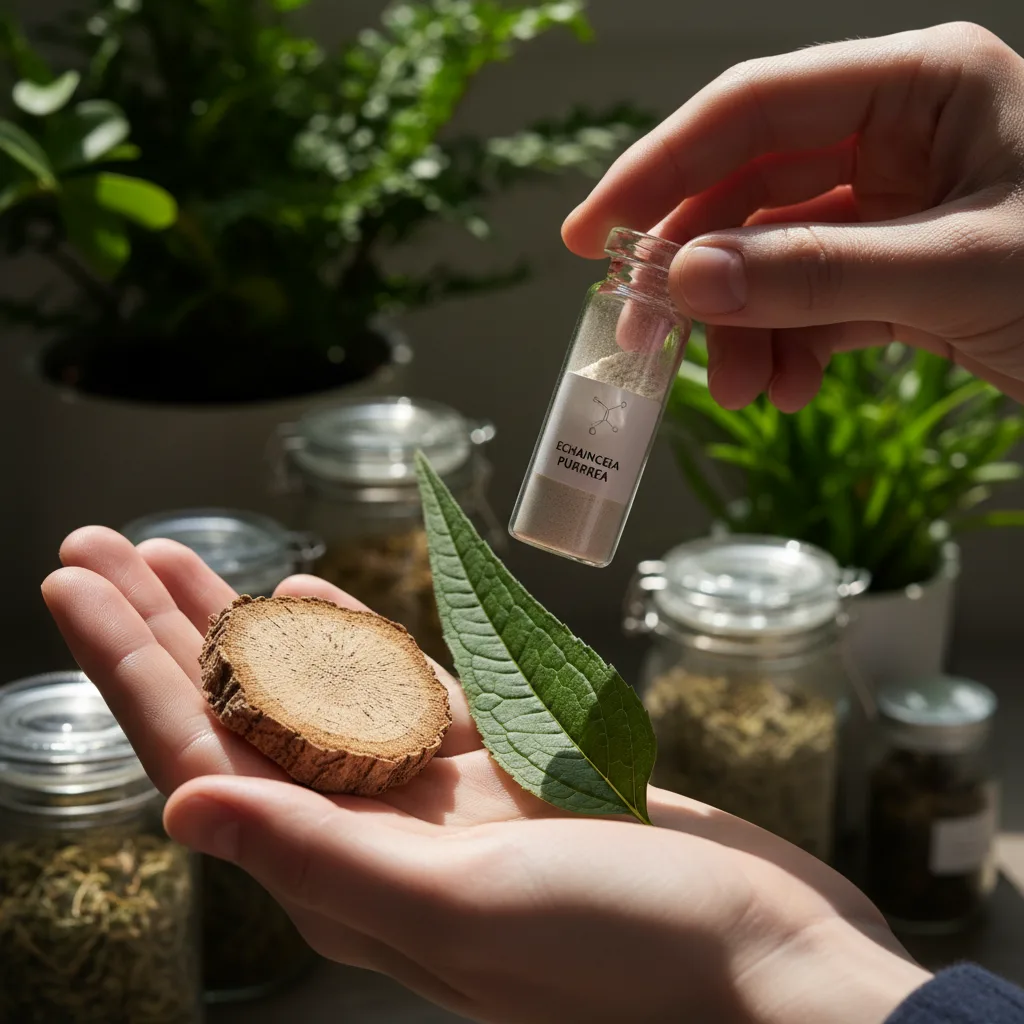
Choosing High-Quality Organic and Non-GMO Echinacea Options
Label literacy: what to look for on the bottle
Prioritize products that disclose botanical part (root, aerial parts, or whole herb), extract ratio or standardized constituents, third-party test results, and sourcing or sustainability statements. Avoid vague terms and look for verifiable documentation. The movement for organic and non-GMO transparency is detailed in Exploring Bioavailable Chlorophyll Powder for Modern Wellness: 2026 Science & Non-GMO Reviews.
Consider formulation goals when selecting a product
Tinctures, fluid extracts, capsules containing standardized extracts, and topical formulations each have different use-cases. Choose a form aligned with your priorities—bioavailability, convenience, or local application—and check for clear guidance on use duration.
For an up-to-date consumer safety overview and peer-reviewed summaries, consult external reviews such as: www.verywellhealth.com/side-effects-of-echinacea-11884973.
Practical Safety Tips for Integrating Echinacea into a Wellness Routine
- Start with a low, labeled dose and monitor for any new symptoms.
- Avoid concurrent use with other immunomodulatory supplements without clinician input.
- Track duration and keep a log of effects, particularly if taking other medications.
- Stop use and seek evaluation if you notice persistent gastrointestinal symptoms, unexplained fatigue, jaundice-like signs, or new respiratory or skin reactions.
Evidence Gaps and How to Stay Informed
Scientific understanding of botanical effects continues to evolve. Look for systematic reviews, transparent product testing data, and guidance from qualified healthcare professionals. Regularly review clinical literature and trustworthy consumer health summaries to stay current with emerging safety information. Those interested in the ongoing evolution of the natural supplements market may appreciate Herbal Supplements Market Trends, Segmentation, and Innovations 2026.
Responsible, Informed Use Supports Better Outcomes
Echinacea can be integrated thoughtfully into wellness routines when users prioritize product quality, monitor for side effects, and maintain clear communication with healthcare providers. Emphasize traceable sourcing, transparent testing, and individualized risk assessment to reduce avoidable harms.
Prioritize transparency and testing when selecting echinacea products. Review label details, consult with your healthcare provider about personal risks and interactions, and monitor responses closely. Choosing sustainably sourced, independently tested options supports more informed and responsible integration into your wellness routine.
FAQs
-
What are the most common echinacea side effects to expect?
Common echinacea side effects include mild gastrointestinal upset such as nausea or stomach discomfort, occasional headache, and minor skin reactions with topical use. These issues are generally transient and often resolve after dose adjustment or discontinuation. Monitoring early symptoms helps guide safe continued use. For more on handling herbal sensitivities, you may be interested in the guidance found in Top Adaptogens for Skin Vitality: Best Organic Botanicals & Bioactive Reviews 2026.
-
How should I approach echinacea if I have known plant allergies?
If you have allergies to the Asteraceae family (daisies, ragweed, marigolds), exercise caution. Topical or oral exposure may provoke allergic responses. Start with minimal exposure under supervision, and consult an allergy specialist or clinician before routine use to assess risks and appropriate precautions.
-
Can echinacea interact with other medications I take?
Yes. Echinacea constituents can influence hepatic metabolic pathways (cytochrome P450), which may change how some medications are processed. People taking complex medication regimens—especially therapies affecting immune function—should consult their clinician to review potential interactions and monitoring strategies. If you’re using other herbal supplements, Herbal Supplements Market Trends, Segmentation, and Innovations 2026 can offer market context relevant to interactions.
-
Is there evidence echinacea affects caffeine metabolism?
Emerging evidence suggests echinacea may slow caffeine clearance in some individuals, potentially increasing circulating caffeine levels. Regular caffeine consumers who notice increased jitteriness, palpitations, or sleep disruption should monitor intake and timing when starting echinacea and consider adjustments if symptoms appear.
-
How long can most adults safely use echinacea?
Short-term use consistent with product labeling is commonly practiced. For extended use beyond several weeks, seek clinical review. Prolonged, high-dose consumption has been associated with rare sensitivities in isolated reports, so periodic reassessment by a healthcare provider is recommended for longer durations. More insight on safe use protocols for multiple botanicals can be found in Five Essential Medicinal Plants for 2026: Best Bioavailable, Sustainably Sourced Herbals.
-
What should pregnant or breastfeeding people know about echinacea?
Pregnant or breastfeeding individuals should consult their clinician before using echinacea. Limited safety data exist for these situations, so professional guidance can help weigh potential benefits and risks. Clinicians can also suggest alternatives or monitoring plans if echinacea is considered.
-
How can I choose a high-quality echinacea product?
Select products with transparent labeling that detail plant parts used, extract type, and third-party testing or certificates of analysis. Look for sustainable sourcing statements and clear dosage guidance. These markers improve confidence in product consistency and reduce exposure to contaminants. To discover non-GMO and sustainable choices, visit Exploring Bioavailable Chlorophyll Powder for Modern Wellness: 2026 Science & Non-GMO Reviews.
-
Are topical echinacea products safer or riskier than oral forms?
Topical formulations can be useful for localized application but may provoke contact dermatitis or localized irritation in sensitive individuals. Oral forms carry different systemic considerations, including metabolism and interactions. Choose the route based on intended use and personal sensitivity profile.
-
What monitoring should I do if I start echinacea?
Keep a simple log of dose, timing, and any new symptoms. Note gastrointestinal changes, skin reactions, sleep disturbances, or unusual fatigue. Share this log with your clinician during follow-up to support individualized safety assessments and adjustments.
-
Where can I find reliable summaries about echinacea safety and interactions?
Reliable sources include peer-reviewed literature, clinical summaries by reputable health organizations, and evidence-based consumer health reviews. An accessible review of reported side effects and considerations is available here: https://www.verywellhealth.com/side-effects-of-echinacea-11884973.