

Ashwagandha Extract Market Outlook 2026: Bioavailability, Clean Label Trends & Global Growth
Unlocking the Bioactive Potential of Ashwagandha Extract in Modern Wellness
Ashwagandha extract is increasingly central to functional nutrition and clean-label product development. Manufacturers and formulators are prioritizing bioavailability, traceable sourcing, and certified Non-GMO inputs as they adapt traditional botanicals for contemporary delivery systems. This market outlook examines extraction advances, formulation strategies, regional demand factors, and commercial considerations shaping the ashwagandha extract market through 2026. For ongoing industry insight and segmentation data, see the extended coverage at Ashwagandha Extract Market Expands with Rising Functional Demand.
Market Drivers: Bioavailability, Transparency, and Clean-Label Demand
Demand for ashwagandha extract is driven by consumer preference for recognizable, ethically sourced botanicals paired with demonstrable functional delivery. Improved extraction techniques, transparent certifications, and shelf-stable formats meet shopper expectations for ingredient integrity and product performance; investors and category managers are watching how bioavailability and manufacturing transparency align with e-commerce growth and retail acceptance.
Why Bioavailability Matters for Botanical Ingredients
Bioavailability determines the degree to which active phytochemicals are available for uptake after ingestion. For formulators, choosing extraction methods that preserve bioactive profiles and promote consistent uptake is a priority. Techniques such as aqueous cold-extraction, standardized ethanol processes, and supercritical CO₂ are commonly used to balance yield and phytochemical retention; advances in enhancing withanolide bioavailability are influencing ingredient positioning across product categories (see research summary).
Clean-Label and Verification as Commercial Imperatives
Clean-label certifications and clear documentation around cultivation practices, pesticide testing, and solvent-free processing support retail placement and consumer trust. Wholesalers and brand partners increasingly request third-party testing and digital traceability to reduce authenticity risk, a trend paralleled by the broader market outlook on herbal extracts (Herbal Extracts Market Outlook 2026).
Extraction, Standardization, and Formulation: Supply Chain Considerations
Comparing Extraction Methods and Active Profiles
Extraction method selection affects the spectrum and concentration of withanolides and related compounds in ashwagandha extract. Supercritical CO₂ can offer solvent-free concentrates, while controlled aqueous or low-temperature ethanol extraction may better preserve heat-sensitive phytochemicals. Microencapsulation or carrier systems can further influence stability and perceived efficacy in finished formats, consistent with trends in related extract markets (Chrysin Extract Market Trends).
Standardization: Consistency for Technical and Commercial Use Cases
Standardized extract concentrations enable predictable functional performance across batches. Common profiles include standardized withanolide concentrations such as 1.5%, 2.5%, and 5%. Standardization supports formulation reproducibility, label accuracy, and easier compliance with regional ingredient rules.
Practical Formulation Tactics to Improve Uptake and Palatability
Formulators use approaches like micronization, lipid-based carriers, and microencapsulation to support absorption and mask bitter taste. Selection of excipients, pH buffering, and appropriate delivery form (powder, liquid, beadlet) will affect stability and consumer acceptability in beverages, bars, and ready-to-use products.

Commercial Applications: Positioning Ashwagandha in Product Portfolios
Functional Foods, Beverages, and Sports Nutrition
Powdered ashwagandha extract integrates readily into powdered drink mixes, functional bars, and baking applications, while liquid extracts suit ready-to-drink formats where solubility and flavor masking are managed. In sports and activity-focused lines, manufacturers typically select standardized concentrations to deliver consistent functional support aligned with consumer expectations. Claims should focus on general support for healthy energy, recovery, or resilience without invoking impermissible medical or therapeutic language. Ashwagandha also appears increasingly in nutricosmetics and wellness beverages (herbal beauty market trends).
Global Demand Outlook: Regional Drivers and Supply Considerations
Asia-Pacific: Source Region Advantages and Manufacturing Scale
North America: E-Commerce, Personalization, and Retail Dynamics
Europe: Regulatory Scrutiny and Traceability
Emerging Markets: Middle East and Latin America
Asia-Pacific maintains strong cultivation capacity and historical botanical knowledge; upgrades in GMP-compliant processing and export-grade standardization have positioned the region as a major supplier. North American growth is shaped by online distribution, subscription models, and personalized blends, where retailers and DTC brands prioritize ingredient transparency and third-party testing. European markets emphasize rigorous labeling and ingredient substantiation. Adoption in emerging regions is gradual but increasing as education, retail access, and interest in botanical wellness expand.
For detailed segmentation and commercial forecasts, consult the extended industry analysis at Ashwagandha Extract Market Expands with Rising Functional Demand.
Segmentation: Types, Plant Parts, and Delivery Forms
Type and Withanolide Concentration Segmentation
Different withanolide concentrations serve distinct commercial aims. Lower standardized concentrations often support everyday wellness positioning, while higher concentrations align with products that emphasize concentrated botanical functionality. Clear labeling of standardized content reduces buyer confusion and supports formulation science (safety reviews).
Plant Part Selection: Root, Leaf, and Combinations
Root-derived extracts remain the historical standard, while root-and-leaf blends broaden phytochemical diversity. Selection depends on desired compound profiles and regulatory allowances in target markets; documentation of part-of-plant used is a best practice for transparency.
Delivery Forms and Channel Alignment
Powdered extracts are versatile for food and beverage integration; liquids suit tinctures and ready-to-drink products; beadlets and granules enable precise dosing in single-serve and clinical-related channels. Packaging and stability considerations strongly influence form selection.
Quality Assurance: Testing, Traceability, and Certification
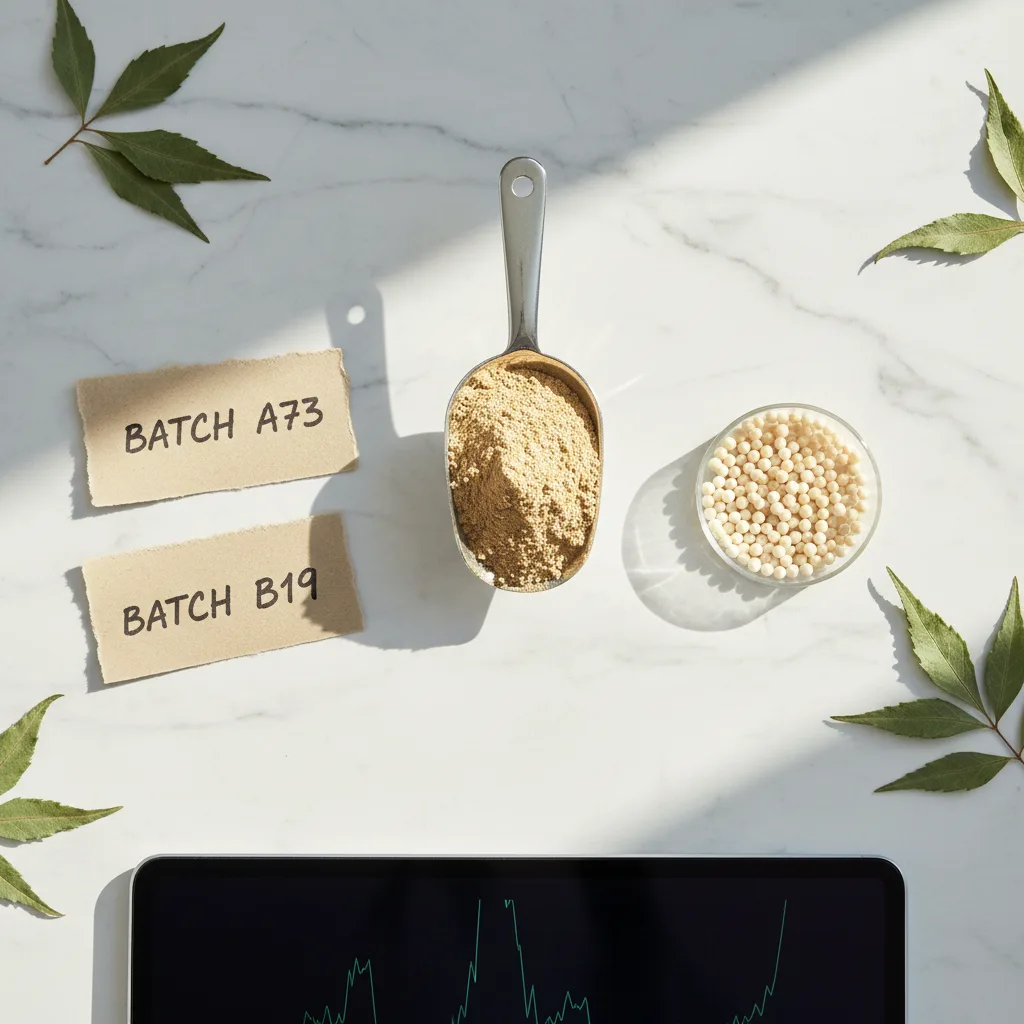
Third-party assay results, certificate of analysis (CoA) access, and pesticide/solvent residue testing are baseline requirements for many buyers. Digital batch tracking and supply chain audits offer additional assurance to retailers and contract manufacturers. Prioritizing these measures helps mitigate risk of adulteration or mislabeling, a standard rapidly being adopted across complementary and alternative medicine markets (market trends).
Risks and Market Restraints
Supply chain complexity and fluctuating crop yields can create sourcing stress. Regulatory shifts around botanical claim substantiation and labeling may lengthen market entry timelines. Authenticity concerns require ongoing investment in testing and verified traceability to maintain commercial momentum.
Strategic Recommendations for Stakeholders
- Prioritize suppliers offering standardized extracts with accessible CoAs and traceability.
- Choose extraction and encapsulation strategies aligned with the intended delivery format and shelf-life needs.
- Embed Non-GMO and organic certifications early in procurement to enable broad channel access.
- Use transparent consumer communications that emphasize sourcing, testing, and formulation choices, avoiding therapeutic language that exceeds permitted claims.
Stakeholders aiming for market leadership should align technical decisions with evolving consumer and regulatory expectations. For continued industry monitoring and detailed market figures, review the comprehensive coverage at Ashwagandha Extract Market Expands with Rising Functional Demand.
FAQs
-
What market trends are defining ashwagandha extract demand in 2026?
Key trends include demand for clean-label and Non-GMO inputs, increased focus on bioavailability-enhancing extraction and encapsulation techniques, and the rise of functional foods and beverages. E-commerce, direct-to-consumer models, and greater emphasis on third-party testing also accelerate adoption and visibility. See Herbal Extracts Market Outlook 2026 for related insights.
-
How do extraction and standardization impact ashwagandha extract quality?
Extraction method and subsequent standardization influence the concentration and profile of active phytochemicals. Techniques like supercritical CO₂ and low-temperature aqueous extraction can preserve target compounds while standardization (e.g., specified withanolide percentages) ensures batch-to-batch consistency and predictable formulation performance. See Ashwagandha Withanolides: Bioavailability, Safety, and Sustainable Production Insights for 2026 for in-depth discussion.
-
Which regions are leading ashwagandha extract market growth?
Asia-Pacific leads as a major cultivation and production hub due to historical use and manufacturing scale. North America grows through e-commerce and personalization trends, while Europe emphasizes regulatory compliance and traceability. Emerging regions show expanding interest as retail access and consumer education improve.
-
What delivery formats are most practical for product developers?
Powdered extracts offer versatility for beverages, bars, and capsules. Liquid extracts are useful in tinctures and ready-to-drink products. Beadlets and granules enable precise dosing and convenience packaging. Selection depends on stability, dosing accuracy, and channel preferences.
-
Why is non-GMO and clean-label status important for buyers?
Non-GMO and clean-label certifications support consumer trust, retail acceptance, and easier entry into premium channels. These credentials complement third-party testing and traceability, helping brands demonstrate ingredient integrity and ethical sourcing to discerning buyers.
-
How should formulators approach bioavailability for botanical extracts?
Formulators can enhance bioavailability using lipid carriers, micronization, or microencapsulation to protect phytochemicals and support uptake. Compatibility with the chosen delivery matrix, excipient selection, and stability testing are critical. Discover more in Bioavailable Herbal Supplements: Optimizing Cellular Wellness in 2026.
-
What quality controls are recommended for ashwagandha extract procurement?
Recommended controls include requiring CoAs for each lot, pesticide and solvent residue testing, identity assays for withanolide content, and supplier audits. Digital batch traceability and independent laboratory verification further reduce risk of adulteration and support regulatory documentation.
-
How will regulatory frameworks shape the ashwagandha extract market?
Regulatory frameworks emphasize accurate labeling, permissible claim language, and safety substantiation. Brands must align extract profiles and documentation with regional rules, avoid therapeutic claims, and maintain transparent manufacturing records to ensure compliant market access.
-
What opportunities exist for new entrants in the ashwagandha extract market?
New entrants can differentiate through specialization in certified organic or Non-GMO extracts, novel delivery formats, or enhanced bioavailability technologies. Investing in traceability, third-party testing, and clear consumer education helps build credibility and accelerate market adoption.
-
How can retailers and wholesalers position ashwagandha-based products competitively?
Retailers and wholesalers should prioritize suppliers offering robust documentation, clear standardized profiles, and scalable supply. Packaging, dosage clarity, and transparent sourcing narratives appeal to modern consumers and support merchandising in both online and brick-and-mortar channels.