


Bioavailable Herbal Supplements: Optimizing Cellular Wellness in 2026
How to Choose Bioavailable Herbal Supplements for Real-World Cellular Support
Bioavailable herbal supplements are central to many modern wellness routines because they influence how effectively botanical compounds are absorbed and used at the cellular level.
In this guide you will learn practical criteria for evaluating bioavailability, sourcing, and formulation so you can make informed choices for everyday use in 2026.
Why Bioavailability Matters for Everyday Effectiveness
Understanding bioavailability helps consumers prioritize supplements that deliver measurable support.
The term ‘bioavailable herbal supplements’ refers to products formulated and processed so active plant compounds are more readily absorbed and utilized by the body.
Optimizing bioavailability includes choices across extraction, particle size, and delivery matrix. These technical details translate into better support for normal cellular function, metabolic processes, and nutrient utilization when used consistently.
Benefit-Led Indicators of High-Quality Bioavailable Herbal Supplements
Look for transparent manufacturing details that demonstrate a product’s commitment to functional bioavailability.
- Clear extraction disclosure (e.g., alcohol, water, CO2) and ratios.
- Evidence of controlled processing conditions (low-temperature handling, GMP statements).
- Third-party testing for purity and consistent phytochemical profiles.
These indicators help you prioritize supplements designed to maintain reliable absorption and day-to-day usability.
Extraction Methods and Their Impact on Bioavailability
Choosing the right extraction method affects which compounds are concentrated and how the overall extract behaves in the body.
Alcohol Extraction: Concentrating Fat-Soluble Phytochemicals
Alcohol extraction is effective at concentrating fat-soluble molecules such as terpenoids and certain alkaloids. When formulated appropriately, these extracts can be paired with delivery systems that improve uptake and cellular interaction.
Supercritical CO2 Extraction: Purity and Preservation
Supercritical CO2 extraction yields highly pure concentrates and protects volatile constituents that are sensitive to heat and oxygen exposure. This method often produces extracts that retain delicate phytochemical profiles, supporting enhanced functional availability.
Water Extraction: Preserving Polysaccharides and Hydrophilic Compounds
Water-based extraction preserves polysaccharides and water-soluble flavonoids. These constituents often contribute to microbiome-supportive effects and can be delivered in matrices that aid intestinal absorption and intestinal residence time.
Formulation Strategies That Enhance Uptake
Manufacturers can improve effective absorption through formulation choices that include particle micronization, use of natural solubilizers, and combination matrices that enhance permeability.
- Micronized powders and standardized extracts can increase surface area and dissolution rate.
- Combining fat-soluble extracts with healthy lipids can improve intestinal uptake.
- Encapsulation and sustained-release technologies can modulate release profiles for consistent exposure.
These design strategies make a meaningful difference when selecting bioavailable herbal supplements for daily routines.
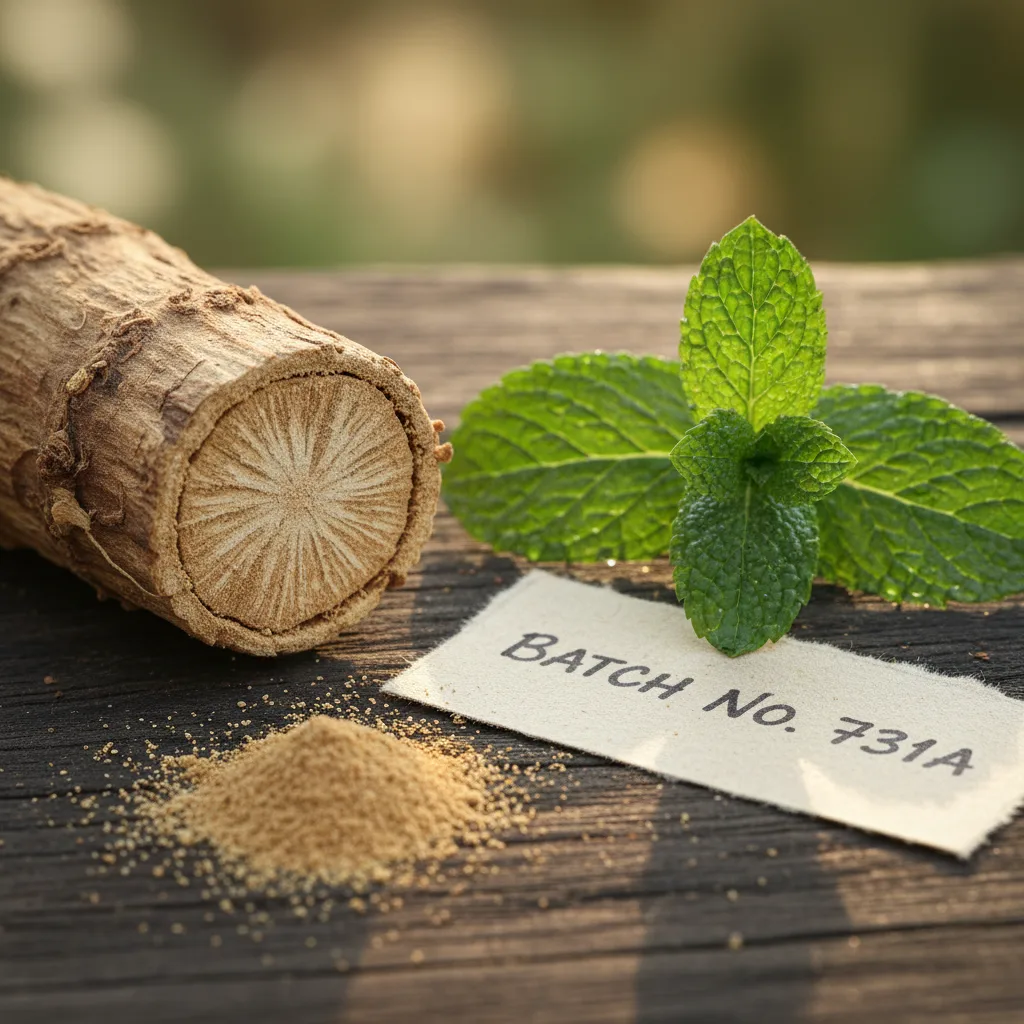
Why Sustainable Sourcing Matters for Potency and Consistency
Sustainably sourced botanicals contribute to consistent phytochemical profiles over time. Healthy soils and responsible cultivation practices can support richer nutrient density in harvested plant material.
Traceability systems that document origin, harvest date, and cultivation practices strengthen confidence in ingredient stability. When paired with extraction and formulation transparency, sourcing information becomes a key part of assessing a product’s expected day-to-day performance.
For a deeper look at how industry discussions shape labeling and claims, review this industry analysis that addresses claims framing and regulatory context.
Non-GMO and Clean-Label Practices: What to Expect
Non-GMO sourcing aligns with a clean-label preference among consumers who prioritize botanical lineage and minimal genetic intervention.
Clear labeling around non-GMO status and seed provenance supports an evidence-informed purchasing decision. Pay attention to certificates of analysis and supplier documentation that explain how genetic integrity is defined and verified within the supply chain.
Testing, Transparency, and Independent Verification
Third-party testing for potency and contaminants is one of the strongest trust signals a brand can provide. Lab reports should be accessible by batch number and show results for target phytochemicals and purity markers.
Independent verification helps ensure a product’s label matches the contents and that trace elements, heavy metals, and residual solvents are within acceptable industry limits.

Practical Use-Cases: Matching Formulation to Everyday Goals
Select formulations that align with your routine and absorption preferences. If you prioritize rapid uptake, look for formulations engineered for quick dissolution and bioavailability. If you prefer sustained support, review controlled-release formats and dose scheduling guidance.
Blended products that combine complementary botanicals can simplify routines, but ensure each ingredient is present at an evidence-informed dosage and is supported by transparent testing.
Packaging and Handling: Protecting Labile Compounds
Packaging choices influence stability. Light-blocking, airtight containers and desiccant systems reduce oxidative degradation for oxidation-prone compounds. Refrigeration is sometimes recommended for certain liquid extracts; check storage instructions and batch stability data.
Low-temperature processing and minimal exposure to high heat during manufacturing help preserve fragile phytochemicals that contribute to overall bioavailability.
Cost Versus Value: Reading Labels to Compare Real Benefit
Price alone is not a reliable indicator of quality. Compare ingredient lists, extraction methods, standardization levels, and third-party lab results. Products with clear measurement standards for active compounds often provide better value because potency and purity are documented.
Transparent supply chains and batch-level testing reports add confidence and allow meaningful comparisons across options.
Consumer-Centered Checklist for Selecting Bioavailable Herbal Supplements
- Confirm the primary botanical and standardized marker content.
- Review extraction method and processing temperatures.
- Verify third-party testing and batch-accessible certificates of analysis.
- Check sourcing documentation for traceability and sustainable practices.
- Review formulation delivery systems and storage recommendations.
Use this checklist to prioritize supplements that are designed to deliver measurable, day-to-day functional support.
For context on how industry conversations influence labeling and claims, see this industry discussion that reviews claim language and regulatory perspectives.
Ongoing Education: How to Evaluate New Products in 2026
Stay informed by reviewing peer-reviewed literature, supplier technical sheets, and independent lab analyses. Seek out plain-language explanations of extraction yields, standardization, and delivery mechanisms.
Evaluating both the scientific rationale and the supply chain documentation will help you choose products that align with long-term wellness goals.
Practical Next Steps for Integrating Supplements Into Your Routine
Start with one well-documented product and track any subjective differences in energy, digestion, or daily stamina. Maintain a log of brand, batch number, dosing schedule, and food interactions. If you take medications or have health conditions, consult a qualified healthcare professional before beginning new supplements.
These simple steps increase the likelihood that a chosen product will work consistently with your lifestyle.
Conclusion: Prioritize Transparency, Testing, and Thoughtful Formulation
Selecting bioavailable herbal supplements in 2026 is largely about prioritizing transparency, independent testing, and formulation science. By focusing on extraction methods, sourcing practices, and delivery strategies, you can identify products designed to support routine cellular wellness.
Making evidence-informed choices and consulting batch-level test results will help you integrate botanical supplements more effectively into daily life.
Prioritize products with clear extraction details, batch-level testing, and traceable sourcing when evaluating bioavailable herbal supplements. Review lab certificates and formulation notes before buying, and keep a personal log of product, batch, and dosing to evaluate consistent results.
Frequently Asked Questions
-
What does bioavailability mean and why is it important for herbal supplements?
Bioavailability refers to how effectively a botanical compound is absorbed and becomes available for use in the body. Higher bioavailability means more of the active constituent reaches target sites, improving the likelihood of functional support for normal cellular and metabolic processes when supplements are used consistently. To understand more about the importance of bioavailable extracts, explore related insights on plant extract bioavailability and trends.
-
Which extraction methods most often improve the functional availability of plant compounds?
Alcohol extraction concentrates fat-soluble constituents, supercritical CO2 preserves volatile, temperature-sensitive compounds, and water extraction captures polysaccharides. The optimal method depends on the target phytochemicals and the formulation strategy to enhance uptake. Learn about evolving herbal extraction market outlook to stay informed.
-
How can sustainable sourcing influence the potency of botanical ingredients?
Sustainable sourcing supports soil health and biodiversity, which can produce plants with more consistent and richer phytochemical profiles. Traceability and responsible harvest practices also reduce variability between batches, supporting reliable functional content and are a focus in discussions of superfood growth and sustainability.
-
What role does third-party testing play when evaluating supplements?
Third-party testing provides independent verification of potency and contaminant limits. Accessible batch-specific lab reports confirm that label claims align with contents and that heavy metals, residual solvents, and adulterants are within acceptable ranges. Reference products with independent verification of bioactives for higher trust.
-
Are non-GMO labels important when choosing botanical supplements?
Non-GMO designations reflect a commitment to preserving a plant’s natural genetic lineage. For many consumers, this supports a clean-label approach and complements other sourcing transparency measures like seed provenance and supplier documentation. For more insights, see the Non-GMO safety guide for supplements.
-
How should I match a supplement’s formulation to my daily routine?
Choose formulations that align with your absorption preferences and schedule: rapid-dissolve options for immediate use, sustained-release for prolonged exposure, and lipid-based matrices for fat-soluble compounds. Consider dosing convenience and any food interactions. Learn how to optimize women’s health with adaptogens through smart formulation.
-
What packaging considerations protect bioactive plant compounds?
Light-blocking containers, airtight seals, and desiccants reduce oxidation and moisture damage. For liquid extracts, manufacturer storage recommendations (such as refrigeration) and batch stability data help maintain potency during shelf life. Find additional insights on herbal beauty packaging trends.
-
How can I compare cost versus value across supplement options?
Assess ingredient standardization, extraction disclosure, third-party lab results, and supply chain transparency. Products with documented active compound levels and accessible certificates of analysis typically offer greater value than items with minimal disclosure. For a balanced perspective on cost, see value discussions in daily supplements.
-
Is formulation synergy important when combining botanicals?
Yes. Thoughtful combinations of botanicals with complementary mechanisms can support multiple pathways related to normal cell function. Ensure each ingredient is present at an evidence-informed level and that interactions are supported by transparency and testing. Explore the role of synergistic botanical blends for more information.
-
Where can I find reliable industry context about labeling and claim standards?
Industry analyses and regulatory discussions provide insight into acceptable claim framing and transparency expectations. Review neutral expert commentary and technical evaluations, such as this industry analysis, for practical perspective on labeling language.