

Bidara Leaves: Harnessing Antioxidant-Rich, Sustainably Sourced Benefits for 2026
Bidara Leaves: Antioxidant-Rich, Sustainably Sourced Support for Skin and Metabolic Wellness in 2026
Bidara leaves are gaining renewed attention among consumers who prioritize clean, sustainably sourced botanicals. In this guide, Bidara leaves are explored for their antioxidant profile, potential to support healthy skin appearance, and role in promoting healthy glucose metabolism when combined with balanced dietary and lifestyle practices. Learn how sourcing, extraction, and preparation influence bioavailability and consumer outcomes. For additional context and cultural background, see this external overview: traditional and contemporary perspectives on Bidara leaves.
How Bidara leaves contribute to antioxidant support and skin appearance
Bidara leaves contain a variety of polyphenols, flavonoids, and saponins that are commonly studied for antioxidant activity. These constituents are often considered when formulating topical and dietary approaches that support visible skin health and general antioxidant protection.
Antioxidant-rich polyphenols help neutralize oxidative molecules at the skin surface and within tissues, supporting cellular resilience. These polyphenols are a central focus of interest for both topical and internal applications that aim to preserve skin clarity.
Flavonoids in Bidara leaves are investigated for their interaction with skin barrier function and natural tone maintenance. Researchers and formulators often consider flavonoid profiles when assessing suitability for sensitive or barrier-compromised skin.
Saponins contribute to gentle cleansing and can support surface renewal without synthetic surfactants when used in topical formulations. Their mild surfactant properties are useful in traditional and low-irritation cleansing preparations.
When using Bidara leaves in topical preparations, prioritize preservation methods and sourcing that maintain phytochemical integrity to support bioavailable antioxidant activity. For more insights on the role of botanicals in modern skin health, see Jamu in Global Beauty: Harnessing Ancient Herbal Wisdom for Modern Skin Health in 2026.
Sustainable sourcing and why provenance matters for Bidara leaf quality
Sustainable cultivation practices directly affect phytochemical density and consumer trust. Ethical sourcing emphasizes non-GMO plant material, minimal use of synthetic agrochemicals, and transparent supply chains that protect biodiversity.
Verify harvest provenance and third-party documentation whenever possible to support product claims and to better understand seasonal and regional variation in phytochemical profiles.
Support growers who deploy soil-health practices such as crop rotation and reduced tillage to enhance long-term potency and ecosystem benefits. These approaches can contribute to consistent quality and improved phytochemical expression.
High-quality sourcing is also highlighted in broader categories of herb and spice sourcing. For further reading, view Herb & Spice Extracts Market Insights 2026: Best Organic Trends, Bioavailable Innovation, and Sustainable Sourcing.
For a perspective on cultural practices and contemporary sourcing, this resource outlines traditional uses alongside modern sourcing considerations: Bidara leaves cultural and sourcing context.
Extraction and preparation methods that enhance bioavailability of Bidara leaves
Extraction choices influence which phytochemicals are concentrated and how readily they are absorbed. Different solvents and processing approaches yield distinct profiles of active constituents and functional properties.
Aqueous extractions (teas, infusions) retain water-soluble polyphenols and are suitable for topical rinses and gentle internal use. These preparations are often favored for low-irritation applications and simple at-home practices.
Ethnol-based preparations such as ethanol-based extractions concentrate a broader flavonoid profile and are commonly used when higher antioxidant concentrations are desired in finished formulations. Selection of extract type should align with intended use and regulatory considerations.
Proper drying, controlled temperature processing, and minimal oxidative exposure preserve labile constituents and maximize the functional value of finished Bidara extracts. For more on best practices in botanical bioavailability and sustainable innovation, visit Emerging Trends in the Chrysin Extract Market: Best Bioavailable and Sustainable Options 2026.
Practical ways to use Bidara leaves for skin-support routines
Topical and at-home formulations can include Bidara leaf powders, aqueous rinses, and gentle extracts. Simple preparations allow preservation of active phytochemicals while minimizing added synthetic ingredients.
Powdered leaf blends can be mixed with hydrating bases for masks that support visible clarity and surface exfoliation. These blends are often combined with soothing humectants for balanced formulations.
Aqueous rinses and steam infusions are gentle options for whole-body skin care and scalp applications. Their low-irritation profiles make them suitable for sensitive skin routines when sourced and prepared carefully.
Tip: Steep dried Bidara leaves at moderate temperatures rather than boiling to preserve sensitive antioxidants for topical use. Those seeking natural alternatives for sensitive skin may also find Goat Milk Benefits for Sensitive Digestion and Skin Health: Science-Backed Guide 2026 helpful.
Integrating Bidara leaves into dietary patterns to support healthy glucose metabolism and satiety
When incorporated thoughtfully into a nutrient-dense diet, Bidara leaves can complement practices that promote steady energy and healthy glucose metabolism. Their fiber and polyphenol content may contribute to longer-lasting fullness and gentle metabolic support when paired with balanced meals.
Soluble fibers present in the leaf may slow the digestion and absorption of macronutrients, supporting sustained energy release. This effect can be useful as part of meal strategies that moderate postprandial glycemic response.
Polyphenols interact with digestive enzymes and the gut environment in ways that may support metabolic balance when used as part of a whole-food approach. Their multi-target actions are most effective within comprehensive dietary and lifestyle patterns.
To further explore dietary patterns and metabolic support, see Eating Habits to Improve in 2026: Best Sattvic, Organic, and Planet-Aligned Nutrition.
Use Bidara leaf teas, powdered culinary additions, or blended extracts as adjuncts to a balanced diet rather than as standalone solutions. For more on traditional culinary and tonic uses, see this background piece: bidara leaf uses in traditional practice.
Daily rituals: crafting a Bidara leaf tea or infusion
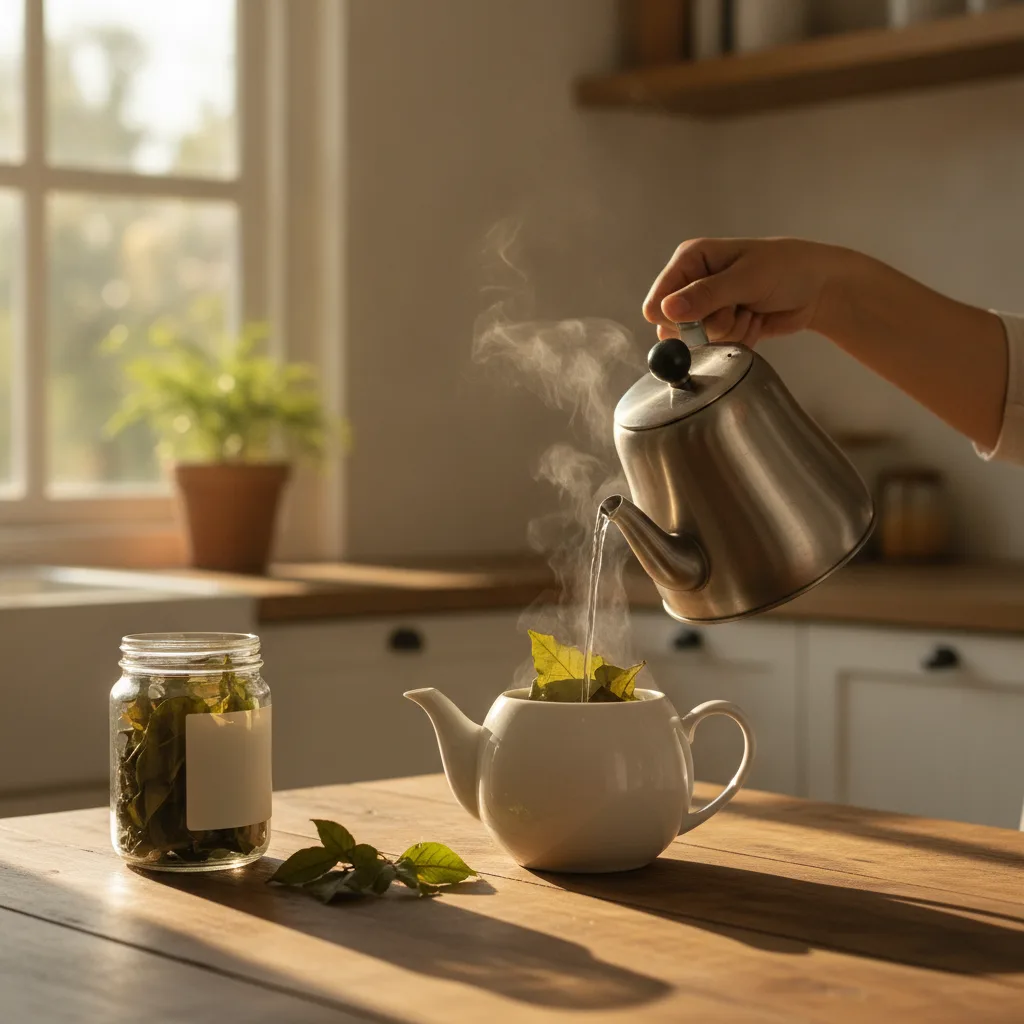
A simple tea preserves many of the leaf’s accessible antioxidants and offers a low-barrier way to integrate Bidara into daily life. It is a practical starting point for people exploring the leaf’s everyday use.
Use whole dried leaves for best flavor and phytochemical retention. Whole-leaf preparations tend to retain a broader spectrum of constituents than highly processed formulations.
Steep at moderate temperatures for 5–10 minutes to avoid degrading heat-sensitive compounds. Combine with complementary botanicals like lemongrass or ginger to diversify the palate and phytonutrient profile.
See also Cardio Slim Tea Reviews 2026: Best Organic Wellness Tea for Hydration & Metabolic Balance for other botanical tea rituals that support wellness goals.
Be mindful of sourcing and opt for suppliers who can document cultivation and processing standards. Broader strategies for identifying high-quality botanicals are detailed in Can You Trust Vitamin and Supplement Labels? Truths for 2026 Shoppers.
Safety, quality control, and evaluating Bidara products
Consumers should look for transparent documentation and third-party testing that confirm absence of contaminants and validate composition. These quality markers help reduce risk and increase predictability in outcomes.
Certificates of analysis and supply-chain transparency are useful signals of quality. Whenever possible, review available testing data to verify claims.
Third-party verification for non-GMO status and absence of contaminants supports consumer confidence. Independent testing can help identify adulteration or contamination risks.

Always introduce any new botanical slowly and observe personal tolerance. For guidance on supplement safety and avoiding contaminants, refer to FDA Recall Alert: Undeclared Sildenafil in Herbal Supplements – Safety Insights 2026.
If you have specific health conditions or take medications, consult a qualified healthcare professional before introducing new botanical supplements.
Research directions and responsible claims for Bidara leaves
Ongoing studies focus on mapping antioxidant mechanisms, defining bioavailability parameters, and exploring how Bidara compounds interact with other nutrients. Responsible communication emphasizes that Bidara leaves support healthy skin appearance and healthy glucose metabolism as part of broader lifestyle approaches.
Researchers are prioritizing mechanistic studies of polyphenol and flavonoid action at the cellular level. These investigations aim to clarify targets and pathways relevant to topical and systemic effects.
Nutrient interaction research seeks to clarify synergistic effects with other whole foods. Understanding these interactions helps refine recommendations for complementary dietary strategies.
Personalized botanical nutrition is emerging to align recommendations with individual dietary needs, reflecting broader innovations in precision wellness. Personalized approaches to botanical wellness mirror the innovations in Ayurveda AI: Revolutionizing Personalized Wellness with Ancient Intelligence—2026 Insights.
Choosing suppliers and products: practical checklist
When evaluating Bidara leaf products, consider the following:
- Clear sourcing claims with traceability back to the farm or cooperative.
- Evidence of sustainable agricultural practices and soil stewardship.
- Processing details that describe gentle drying and extraction methods.
- Third-party certificates for purity and composition where available.
This checklist helps prioritize product options that align with ecological and quality-focused consumer values. You can explore similar product evaluation tips in Herbal Extracts Market Outlook 2026: Best Organic and Non-GMO Growth Trends.
Summary: where Bidara leaves fit in a modern, sustainability-driven wellness plan
Bidara leaves bridge traditional botanical knowledge and contemporary interest in eco-conscious, bioavailable ingredients. When sourced responsibly and prepared with attention to preservation, these leaves offer a botanical option to support visible skin health and healthy glucose metabolism in the context of balanced lifestyles and nutrition.
For deeper cultural context and practical how-to guidance, consult further reading on traditional and contemporary uses here: Bidara leaves cultural and practical guide.
If you’re exploring Bidara leaves for topical or dietary use, prioritize suppliers who demonstrate traceable, sustainable cultivation and third-party verification of quality. Choose minimally processed formulations and integrate Bidara into balanced routines that emphasize whole-food strategies and thoughtful sourcing.
FAQs
-
What primary benefits do Bidara leaves offer for skin-focused routines?
Bidara leaves are valued for their antioxidant-rich polyphenols and saponins, which can support visible skin resilience and surface clarity when used in topical blends or rinses. For an expanded look at botanicals for skin, refer to Jamu in Global Beauty: Harnessing Ancient Herbal Wisdom for Modern Skin Health in 2026. Selecting gentle, minimally processed preparations helps preserve these constituents for maximum topical benefit.
-
How can Bidara leaves support healthy glucose metabolism as part of diet?
When included as part of balanced meals, Bidara leaves contribute soluble fiber and polyphenols that may support sustained energy release and metabolic balance. They are best used alongside whole-food strategies, not as a stand-alone solution. To complement your dietary approach, see Eating Habits to Improve in 2026: Best Sattvic, Organic, and Planet-Aligned Nutrition.
-
Which preparation methods preserve bioactive compounds in Bidara leaves?
Moderate-temperature drying and aqueous or ethanol extraction methods that limit oxidation preserve polyphenols and flavonoids. For teas, steeping at lower temperatures reduces degradation of heat-sensitive antioxidants and supports antioxidant retention. This approach is supported by broader botanical extraction research in Emerging Trends in the Chrysin Extract Market: Best Bioavailable and Sustainable Options 2026.
-
Are there sustainability markers to look for when buying Bidara leaves?
Yes. Seek transparent sourcing statements, evidence of soil-health practices, and third-party documentation for non-GMO status and absence of contaminants. These markers indicate ethical cultivation and supply-chain traceability. For a wider look at herbal sourcing, check Herb & Spice Extracts Market Insights 2026: Best Organic Trends, Bioavailable Innovation, and Sustainable Sourcing.
-
Can Bidara leaves be used topically and internally?
Bidara leaves are versatile: topical preparations like powders, masks, and rinses support skin appearance, while infusions and powdered culinary uses can complement dietary patterns. Use both forms with attention to sourcing and preparation. See related practices in Can You Trust Vitamin and Supplement Labels? Truths for 2026 Shoppers.
-
What safety steps should consumers take when trying Bidara leaf products?
Start with small amounts to assess tolerance, choose products with third-party testing, and consult a qualified healthcare professional if you have medical conditions or take medications. Prioritize products with clear provenance and processing information. Supplement safety is further discussed in FDA Recall Alert: Undeclared Sildenafil in Herbal Supplements – Safety Insights 2026.
-
How do I select a high‑quality Bidara leaf tea or extract?
Select whole-leaf teas or minimally processed extracts, verify traceable sourcing, prefer gentle extraction methods, and look for certificates of analysis to confirm purity. These practices help ensure a product that retains key phytochemicals. More sourcing criteria can be found in Herbal Extracts Market Outlook 2026: Best Organic and Non-GMO Growth Trends.
-
What role do complementary botanicals play with Bidara leaves?
Combining Bidara leaves with botanicals like lemongrass or ginger can enhance flavor and expand the phytonutrient profile. Complementary plants can also support palatability and broaden functional effects within daily routines. See Cardio Slim Tea Reviews 2026: Best Organic Wellness Tea for Hydration & Metabolic Balance for ideas.
-
Is there ongoing research about Bidara leaves I should follow?
Yes. Current research focuses on antioxidant mechanisms, nutrient interactions, and bioavailability models. For perspectives on the evolving science of botanicals, review Ayurveda AI: Revolutionizing Personalized Wellness with Ancient Intelligence—2026 Insights.