


Elevating Traditional Chinese Medicine Trials: Achieving Global Scientific Credibility by 2026
Traditional Chinese Medicine (TCM) clinical trials are increasingly expected to align with internationally recognized scientific standards. TCM clinical trials that emphasize rigorous methodology, clear reporting, and multidisciplinary collaboration are better positioned to inform practitioners, researchers, and policy-makers about the potential supportive benefits of traditional approaches. This article outlines practical, evidence-based strategies to strengthen study design, quality control, and reproducibility for global audiences.
Why strengthening TCM clinical trials matters for global scientific credibility
High-quality TCM clinical trials create reproducible insights that help researchers and clinicians interpret outcomes consistently across regions. By adopting internationally accepted trial frameworks, investigators can generate data that is more comparable, transparent, and useful for further scientific evaluation and public communication. Stakeholders benefit from clearer risk–benefit characterization without overstating clinical claims. A continued emphasis on harmonization is particularly relevant for sectors observing transformation, as seen in complementary and alternative medicine market trends & innovations.
Designing rigorous trials to meet modern evidence needs
Embed pre-registered protocols and clear outcome measures
Pre-registration of trial protocols and specifying primary and secondary outcomes reduce selective reporting and analytical bias. Clear definitions of endpoints—using validated scales where possible—help align trials with global expectations for transparency and replicability. Publicly accessible protocols also facilitate independent re-analysis and synthesis, paralleling best practices discussed in analyzing health claims on food supplement labels.
Use randomized, controlled approaches where appropriate
Randomized allocation and appropriate comparator groups increase internal validity and reduce bias. While randomized controlled trials are often considered a high standard for causal inference, pragmatic adaptations—such as cluster randomization or adaptive designs—can balance scientific rigor with the realities of TCM practice settings. These advanced methodologies underscore how pragmatic trial designs are shaping research in multiple traditional systems.
Ensure sufficient sample size and meaningful diversity
Well-powered trials with diverse participant pools improve statistical precision and external relevance. Sample size calculations that account for expected effect sizes and variability support reliable interpretation. Inclusion of participants from different regions, ages, and backgrounds increases the generalizability of findings, much like in projects reviewing superfood market growth, sustainability, and future trends.
Operational excellence: teams, data, and multicenter coordination
Assemble multidisciplinary research teams for cultural and methodological balance
Effective TCM clinical trials leverage expertise from traditional practitioners, clinical trialists, pharmacognosists, statisticians, and regulatory specialists. This combination fosters culturally informed protocols that meet methodological expectations, and anticipates regulatory and ethical considerations for international sites. Collaborative approaches ensure robust study frameworks reminiscent of ongoing efforts in aging and alternative medicine best organic practices.
Standardize data collection and centralized monitoring
Harmonized case report forms, central data management, and independent data monitoring committees reduce site-to-site variability. Clear data dictionaries and training for site personnel ensure consistent measurement and minimize missing or inconsistent entries. Application of these practices is especially crucial in evaluating understanding FDA supplement recalls and safe herbal choices, where meticulous documentation is needed.

Expand multicenter collaborations to enhance external validity
Multicenter trials that include diverse health systems and geographic regions offer stronger evidence for generalizability. Harmonizing standard operating procedures across sites and using central adjudication for outcomes help maintain consistent quality while revealing how interventions perform in different clinical contexts. Such strategies echo the growing interest in immune health supplements market outlook.
For an expanded discussion of how to align TCM clinical trials with international frameworks, see this resource: How Traditional Chinese Medicine clinical trials can achieve global credibility.
Addressing methodological challenges unique to traditional approaches
Reconciling pattern-based diagnosis with disease-centered enrollment
TCM often relies on individualized pattern diagnoses, while many modern trials use standardized disease criteria. Trials can maintain scientific comparability by using disease-based eligibility at enrollment and conducting preplanned subgroup analyses based on pattern differentiation. This dual strategy retains clinically relevant nuance while preserving analytical clarity, reflecting best practices found in five essential medicinal plants for 2026.
Improving blinding and control strategies for acupuncture research
Creating credible sham controls for acupuncture remains complex because many sham techniques produce physiological effects. Detailed reporting of blinding procedures, assessor masking, and participant expectations supports better interpretation of outcome differences. Ongoing methodological innovation and transparent reporting are essential to reduce bias. Insights on integrating modern research with traditional knowledge can be further explored in mastering acupuncture research essential integration for students and practitioners.
Standardizing herbal preparations for consistent evaluation
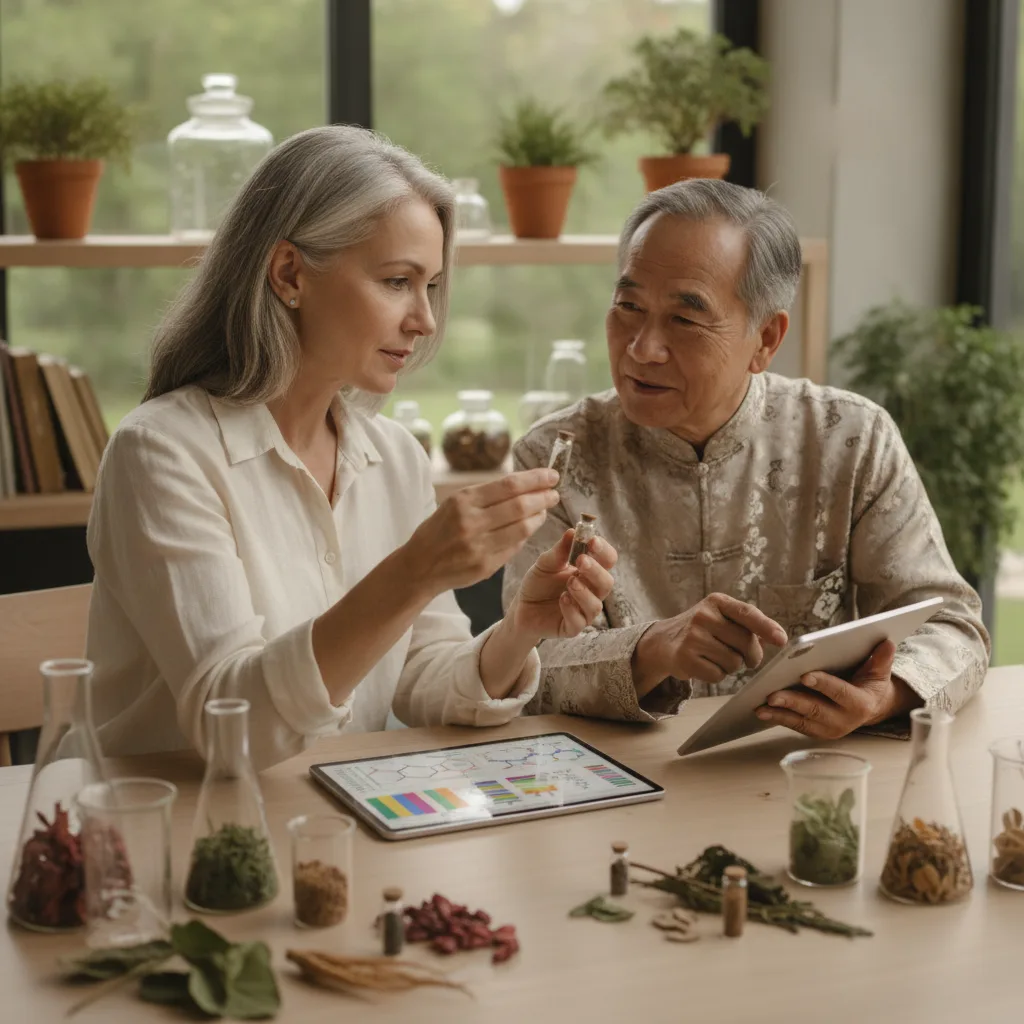
Herbal interventions are often individualized, which poses reproducibility challenges. Using standardized, well-characterized dosage forms—such as quantified extracts, granules, or tablets—enables accurate dosing, consistent quality control, and easier comparison across sites. Comprehensive documentation of sourcing, extraction methods, batch testing, and stability supports reliable interpretation of results.
Further guidance on harmonizing traditional practices with modern trial expectations is available here: How Traditional Chinese Medicine clinical trials can achieve global credibility.
Quality assurance: manufacturing, sourcing, and analytic verification
Implement robust quality control for botanical materials
Verified botanical identification, contaminant testing, and standardized extraction protocols help assure consistency. Documenting non-GMO or certified organic sourcing can meet consumer interest, but validation through independent laboratory testing and certificates of analysis strengthens scientific credibility. Quality assurance considerations can be related to the topic in uncovering hidden toxins in natural remedies: liver health risks and safe herbal choices.
Traceability and batch-level testing
Traceable supply chains and batch-specific analytical data reduce uncertainty about composition. When trials report detailed chemical fingerprints and assays for marker constituents, meta-analysts and regulators can better contextualize findings. These steps are increasingly integral to optimizing metabolic wellness with sustainably sourced herbal supplements, which address both safety and efficacy.
Ethical and regulatory alignment for international research
Adhere to international ethical standards and local regulations
Compliance with Good Clinical Practice, informed consent norms, and local regulatory requirements is paramount. Engaging local institutional review boards and ethics committees early helps ensure that protocols are culturally appropriate and legally permissible across jurisdictions. Similar approaches are crucial in best practices for safe herbal remedy use, where protocol design matters.
Preemptively address labeling and communication
Careful public communication that avoids clinical claims while reporting trial objectives and outcomes preserves public trust. Plain-language summaries and accessible data sharing plans improve transparency without overstating evidence.
Transparent reporting and data sharing
Publish full methods and neutral interpretations
Complete reporting of methods, negative or null findings, and limitations helps the field iterate on design and interpretation. Neutral language that emphasizes supportive evidence or areas needing further study prevents mischaracterization of results. These practices resonate with recent developments discussed in can you trust vitamin and supplement labels? truths for 2026 shoppers.
Facilitate independent validation through data availability
When ethically and legally feasible, de-identified datasets and analytic code increase reproducibility. Open data practices encourage meta-analysis and systematic assessment of evidence across trials.
Practical roadmap: milestones to strengthen TCM clinical trials by 2026
- Adopt pre-registration and CONSORT-style reporting tailored to complex interventions.
- Build collaborative multicenter networks with shared protocols and central monitoring.
- Standardize herbal materials with transparent documentation and quality testing.
- Invest in methodological research for blinding, sham controls, and hybrid trial designs.
- Prioritize public data sharing, neutral reporting, and stakeholder engagement.
By focusing on these milestones, investigators can produce more robust, interpretable studies that support thoughtful scientific appraisal and responsible public communication. For additional methods and case examples that illustrate these pathways, refer to this detailed overview: How Traditional Chinese Medicine clinical trials can achieve global credibility.
Conclusion: integrating traditional knowledge with rigorous science
TCM clinical trials that combine cultural competence with methodological rigor can generate reliable evidence that informs practice and policy. Emphasizing pre-registered protocols, standardized interventions, multicenter collaboration, and transparent reporting builds a credible foundation for evidence synthesis. Responsible scientific communication and ethical conduct will support the ongoing evolution of research in this field.
When assessing traditional approaches, prioritize research that emphasizes pre-registered protocols, transparent methods, and independent verification. Consult peer-reviewed literature, institutional guidance, and qualified clinical professionals to interpret findings responsibly. Stay informed through reliable scientific sources and collaborative research networks focused on rigorous evaluation.
FAQs
1. What defines a high-quality TCM clinical trial?
A high-quality TCM clinical trial features a pre-registered protocol, randomized allocation when appropriate, clearly defined outcomes, adequate sample size, robust blinding or masking methods, centralized data management, and independent oversight. Detailed reporting of herbal sourcing, preparation, and analytical verification supports reproducibility and scientific credibility. See also analyzing health claims on food supplement labels for label best practices.
2. How can individualized herbal prescriptions be evaluated in multicenter studies?
Investigators can use standardized formulations for primary analyses while capturing individualized tailoring in secondary or subgroup analyses. Documenting individualization criteria, and using stratified or adaptive designs, preserves clinical relevance yet enables between-site comparability and pooled statistical assessment.
3. What strategies improve blinding in acupuncture research?
Strategies include validated sham needles, assessor masking, expectation questionnaires, and objective outcome measures. Transparent reporting of blinding procedures, fidelity checks, and potential physiological responses to sham comparators helps readers interpret any differences between groups. Insights can be expanded upon in mastering acupuncture research essential integration for students and practitioners.
4. Why are standardized herbal dosage forms recommended for global trials?
Standardized dosage forms—such as quantified extracts, granules, or tablets—allow precise dosing, consistent quality control, and easier laboratory verification. These attributes improve reproducibility across sites and simplify regulatory and safety assessments in multicenter research.
5. How does participant diversity strengthen study conclusions?
Diverse enrollment enhances generalizability by testing interventions across different ages, ethnicities, and healthcare settings. It increases statistical reliability for subgroup analyses and helps reveal whether observed effects are consistent across varied populations and contexts. This is key for sectors like superfood market growth, sustainability, and future trends.
6. What role does independent data monitoring play in TCM trials?
Independent data monitoring committees review interim data for integrity, safety signals, and adherence to protocol. Their oversight reduces confirmation bias, supports ethical conduct, and ensures that analytical decisions align with prespecified plans and participant welfare.
7. How should trials document botanical quality and sourcing?
Trials should report botanical identification methods, certificates of analysis, contaminant screening, extraction processes, and batch-level chemical characterization. Traceability and third-party lab validation increase confidence that study materials are consistent and verifiable. Explore more in uncovering hidden toxins in natural remedies: liver health risks and safe herbal choices.
8. What reporting practices improve transparency and reproducibility?
Pre-registration, full method disclosure, publication of negative or null results, and sharing de-identified datasets and analysis code enhance reproducibility. Neutral language, acknowledgment of limitations, and accessible plain-language summaries support responsible interpretation by non-specialists.
9. Can pragmatic trial designs be used for TCM research?
Yes. Pragmatic designs evaluate interventions under real-world conditions, capturing typical practitioner behavior and patient choices. Combining pragmatic elements with rigorous endpoints and prespecified analysis plans balances external relevance with methodological integrity. For integrative examples, see standardizing ayurvedic formulations for global quality: science meets tradition 2026.
10. How should investigators communicate trial findings to avoid overstatement?
Use neutral, evidence-aligned language emphasizing supportive findings and limitations. Avoid clinical claims beyond the data, provide context about study design and population, and offer clear descriptions of next research steps. Transparency about uncertainty preserves public trust.