


Innovative Ways to Add Moringa to Meals: Best Non-GMO Ideas for March 2026
Moringa in March: Boosting Nutrient Density by Adding It to Meals
Moringa is an adaptable botanical ingredient that can increase the nutrient density of everyday dishes. In early spring, many people shift meal patterns and look for simple ways to renew their routines. Using moringa powder or fresh moringa leaves in soups, grains, and breakfasts is a straightforward method to enhance meal profiles while keeping preparation simple. This article focuses on practical moringa approaches, including sourcing, cooking techniques, and pairing strategies that improve nutrient uptake and flavor.
Practical Benefits of Moringa for Seasonal Meal Planning
Moringa delivers a mix of micronutrients, phytonutrients, and plant protein that can complement a balanced diet. Choosing certified organic, non-GMO moringa supports traceability and reduces the chance of unwanted agricultural residues. When integrated thoughtfully, moringa adds earthy flavor, natural color, and additional vitamins and minerals to a wide range of preparations. The goal here is nutritional enhancement and culinary versatility rather than therapeutic claims. Many plant-based wellness practices draw on similar traditions, as highlighted by Preserving Navajo Plant Knowledge: Traditional Healing, Organic Practices, and 2026 Herbal Insights.
How Moringa Supports Nutrient Synergy in Meals
Moringa contains several fat‑soluble vitamins and minerals that are more effectively absorbed when paired with complementary foods. For example, combining moringa with modest amounts of healthy fats or vitamin C–rich ingredients can support absorption of certain micronutrients. Simple pairing and cooking techniques preserve delicate nutrients while improving palatability, an approach similar to practices discussed in Plant Extracts Market Outlook 2026: Best Organic Growth, Bioavailability Trends & Sustainable Sourcing.
Moringa in Lentil and Pulse Dishes: Boosting Mineral Presence
Incorporating moringa leaves into lentil stews or bean salads increases the overall micronutrient profile of pulse-based meals. Add leaves near the end of simmering to retain water‑soluble nutrients and preserve color. Moringa pairs well with tomatoes, turmeric, and mild chiles for balanced taste and improved iron availability when vitamin C sources are included. For further insights on incorporating botanicals like turmeric in daily meals, see Top 10 Ways Turmeric Supports Wellness: Bioavailable Curcumin Insights for 2026.
Morning Routines: Using Moringa Powder in Smoothies and Bowls
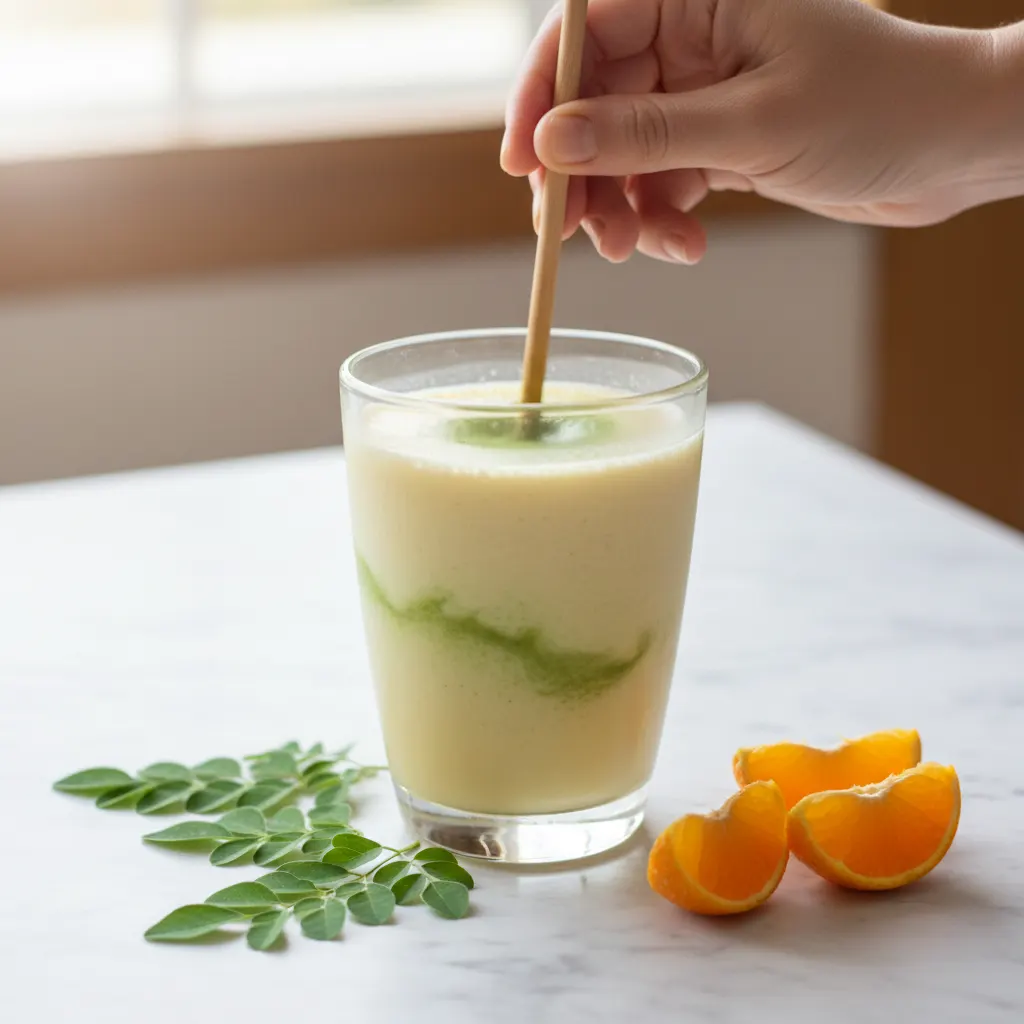
A teaspoon of moringa powder blends cleanly into fruit- or vegetable-based smoothies and breakfast bowls. Use banana, citrus, or yogurt bases for a smooth texture and flavor harmony. When adding moringa powder, start with small amounts and adjust to taste to avoid overpowering delicate fruit notes. This method is in line with broader wellness trends described in Emerging Beauty and Wellness Trends: The Ultimate 2026 Non-GMO, Sustainable Guide.
Green Flatbreads and Wraps: Moringa in Dough for Everyday Meals
Mix finely chopped moringa leaves or a small portion of moringa powder into whole-grain dough for flatbreads, wraps, or parathas. This method increases fiber and micronutrient content without dramatic changes to texture. Keep water ratios steady and avoid excessive mixing to preserve tenderness in the finished bread.
Stews and Broths: Integrating Moringa for Balanced Flavor
Add fresh or powdered moringa to vegetable broths and stews during the final minutes of cooking. This conserves heat-sensitive nutrients and adds a subtle green note that complements root vegetables and grains. Use reserved cooking liquids to adjust seasoning and maintain a balanced mouthfeel. More inspiration for integrating herbal nutrition into everyday cooking is available in Herbal Supplements Market Trends, Segmentation, and Innovations 2026.
Stir‑Fries and Quick Sautées: Preserving Color and Nutrients
A brief stir‑fry with moringa leaves, aromatics, and a touch of healthy fat retains color and many heat‑sensitive compounds. Cook over medium heat for one to three minutes, then remove from heat to avoid wilting beyond desired texture. This technique works well as a rapid side dish or topping for grain bowls.

Savory Condiments: Moringa Chutneys and Pestos for Versatility
Blend moringa leaves with citrus, nuts, garlic, and olive oil to create flavorful condiments like chutneys or pestos. These blends concentrate flavor and provide an easy way to incorporate moringa across meals. Store condiments in airtight jars and use within a few days for best freshness.
Moringa in Rice and Grain Dishes: Layering Flavor and Texture
Sauté moringa with shallots, spices, and a small amount of oil before tossing with cooked rice or quinoa. Adding toasted nuts or seeds increases textural contrast and contributes sustainable plant fats that aid nutrient absorption. Serve warm or cold as a balanced side or standalone bowl. If you’re interested in how local superfoods can optimize seasonal nutrition, read Best Organic Desi Superfoods 2026: How Local Nutrients Surpass Exotic Imports for Summer Wellness.
Egg-Based Breakfasts: Moringa Omelettes and Scrambles
Fold chopped moringa leaves into eggs just before cooking for a bright, nutrient-forward breakfast. Use low to moderate heat to preserve the leaves’ color and minimize nutrient loss. Pair with whole-grain toast or grains for a filling, varied morning meal.
Herbal Teas and Gentle Infusions: Moringa Beverages for Daily Rituals
Steep fresh or dried moringa leaves briefly with ginger, lemon peel, or citrus slices to create a mild herbal infusion. Short steep times preserve fragile aromas while delivering a soothing beverage option. Serve hot or chilled depending on the season. To further explore herbal beverages, check out Lemon Peel Cinnamon Ginger Tea: Organic Insights, Bioavailability & Non-GMO Reviews 2026.
Bioavailability Tips: Pairings and Cooking Practices That Matter
To maximize the nutritional contribution of moringa, consider simple culinary pairings. Small amounts of healthy fats—such as olive oil, coconut, or ground nuts—support absorption of fat‑soluble vitamins. Vitamin C–rich ingredients like citrus, peppers, or tomatoes can enhance mineral availability from plant sources. Light cooking preserves many phytonutrients while improving digestibility. For additional advice on these practices, reading Herbal Extracts Market Outlook 2026: Best Organic and Non-GMO Growth Trends is recommended.
Sourcing and Sustainability: Choosing Non‑GMO and Organic Moringa
Look for products with clear, third‑party certifications for organic and non‑GMO status. Transparent labeling and traceable sourcing information help evaluate cultivation practices, including soil stewardship and harvesting methods. Prioritize vendors that publish harvest details and batch testing when possible to ensure consistency. Learn more about selecting eco-friendly and sustainable products in Best Eco-Friendly and Zero Waste Products for Sustainable Living in 2026.
Storage and Freshness: Practical Tips for Home Use
Store dried moringa powder in airtight containers away from light and heat to preserve color and aroma. Fresh leaves keep best when wrapped lightly in damp paper towels and placed in the refrigerator for short-term use. For longer storage, blanch leaves briefly and freeze to retain much of their color and structure.
Recipe Examples: Simple, Scalable Moringa Ideas for March
Try these approachable concepts: stir moringa powder into a citrus smoothie bowl; fold chopped fresh leaves into egg scrambles; sprinkle a small amount of powder into vegetable soups at the end of cooking; or blend a green chutney to serve as a versatile spread. Each approach is scalable by portion and easily adapted to individual taste preferences. For even more unique moringa seasonal ideas, explore new serving styles for spring.
Safety and Sensible Consumption Guidelines
Start with small servings when introducing moringa to your diet—one teaspoon of powder or a small handful of leaves—and observe how your body responds. If you have specific medical conditions or take prescription medication, consult a qualified healthcare professional before making significant dietary changes. Moringa is an ingredient intended to complement, not replace, a varied and balanced diet.
Trends and Practical Uses for 2026
Interest in traceable, non‑GMO moringa continues to grow as cooks and home cooks seek ingredients that align with regenerative agriculture and sustainable sourcing. Keep an eye on innovations in powdered blends, culinary condiments, and chef-led preparations that make moringa easier to incorporate into weekly meal plans. For additional inspiration and a gallery of serving suggestions, explore this in-depth resource for more ideas.
Final Tips: Making Moringa a Sustainable Kitchen Habit
Introduce moringa gradually, pairing it with familiar recipes to reduce food waste and ease flavor adaptation. Keep small jars of powder or a bunch of fresh leaves on hand for efficient meal prep. When possible, choose producers who document regenerative practices and offer batch testing to support long-term culinary and environmental goals. For additional practical how‑tos and more seasonal moringa ideas, consult resources for quick techniques and recipe prompts.
FAQs
-
What is a simple way to start using moringa in March meals?
Begin with one teaspoon of moringa powder in smoothies or sprinkle a small handful of chopped fresh leaves into soups and stews at the end of cooking. Start small to assess taste and tolerance, then gradually increase amounts. If you’re interested in more herbal food strategies, see the insights on Best Organic Desi Superfoods 2026: How Local Nutrients Surpass Exotic Imports for Summer Wellness.
-
How can I maximize nutrient absorption when using moringa?
Pair moringa with modest amounts of healthy fats—such as olive oil, coconut, or ground nuts—to support absorption of fat‑soluble vitamins. Including vitamin C sources like citrus or bell peppers in the same meal can help with mineral uptake. Light cooking and finishing moringa additions near the end of preparation also preserve many heat‑sensitive compounds. You can learn more about bioavailability practices in Plant Extracts Market Outlook 2026: Best Organic Growth, Bioavailability Trends & Sustainable Sourcing.
-
Is non‑GMO moringa worth choosing for home cooking?
Selecting certified non‑GMO moringa often aligns with preferences for traceability and minimal genetic modification. Many consumers pair non‑GMO choices with organic certification to reduce the likelihood of agricultural residues. Look for transparent labeling and third‑party verification when sourcing moringa for consistent quality, as emphasized by Emerging Beauty and Wellness Trends: The Ultimate 2026 Non-GMO, Sustainable Guide.
-
Can moringa be used in both savory and sweet recipes?
Yes. Moringa’s mildly earthy, green flavor makes it suitable for savory dishes like curries and stir‑fries, and it can also be blended into smoothies, breakfast bowls, or green sauces. Start with small quantities in sweet recipes to assess flavor balance and combine with complementary ingredients like banana, citrus, or mild spices.
-
How should I store moringa powder and fresh leaves to maintain freshness?
Store dried moringa powder in airtight, light‑resistant containers away from heat and humidity to preserve color and aroma. Keep fresh leaves wrapped loosely in slightly damp paper towels inside the refrigerator for short‑term use. For longer storage, blanch leaves briefly and freeze them in portioned bags to retain much of color and texture.
-
Are there any culinary techniques that preserve moringa’s nutrients?
Light, short‑duration cooking preserves many of moringa’s heat‑sensitive nutrients. Add fresh leaves or powder near the end of simmering, or use quick stir‑fries and gentle infusions. Avoid prolonged high‑heat exposure when possible, and combine with healthy fats and vitamin C sources to support nutrient uptake in the final dish.
-
What portion sizes are recommended for people new to moringa?
For those new to moringa, begin with modest portions such as one teaspoon of powder or a small handful of fresh leaves per serving. Monitor taste preferences and digestive response, then adjust gradually. These conservative starting points allow for safe culinary experimentation and minimize the risk of strong flavors overwhelming a dish.
-
How do I verify that moringa is sustainably sourced and organic?
Check product labels for third‑party certifications like organic or non‑GMO verification and review supplier transparency around harvest locations and practices. Reputable suppliers often publish batch testing and sourcing details. When available, prioritize producers who describe regenerative farming techniques, soil management, and fair labor practices. See more eco practices in Best Eco-Friendly and Zero Waste Products for Sustainable Living in 2026.