

Cultivating Botanical Harmony: Pineapple Peace Garden’s Sustainable Model for 2026
Rediscover Backyard Abundance with Regenerative Garden Design
Regenerative garden design offers practical, scalable strategies for turning yards into vibrant learning spaces that support biodiversity and community connection.
In this article, regenerative garden design is used as a guiding principle to describe how integrated food forests, pollinator habitats, and hands-on workshops can make sustainable backyard gardening achievable for households and neighborhoods.
The example garden profiled in a local feature demonstrates these methods in practice; learn more in this community garden feature.
Why Regenerative Garden Design Matters for Everyday Gardeners
Regenerative garden design emphasizes soil health, ecological balance, and human access to green spaces.
By prioritizing native plants and edible landscapes, gardeners support pollinators, improve habitat value, and create productive outdoor classrooms.
These approaches are practical for small lots as well as larger community sites and are easy to adapt to different climates and budgets.
Turn Small Spaces into Educational Outdoor Classrooms
Compact yards can host raised beds, container food forests, and a pollinator strip along a fence. These elements demonstrate core regenerative garden design techniques while providing hands-on learning opportunities for children and adults. Short workshops that focus on planting, seasonal maintenance, and seed-saving make sustainable gardening accessible for new stewards. Discover more hands-on ways to create a productive garden in the Homegrown Medicinal Herb Garden: Best Organic Alternatives to Pharmacy Herbs 2026.
Core Elements of Effective Regenerative Garden Design
Prioritize Native Plants and Pollinator Corridors
Build Soil Health to Support Plant Diversity
Design for Multi-Functional Spaces and Year-Round Use
Native flowers and structurally diverse plantings attract bees, butterflies, and beneficial insects. Including a continuous pollinator corridor, even if narrow, increases visitation rates and supports local wildlife. Over time, native plantings reduce maintenance needs and increase ecological resilience. Healthy soil underpins any regenerative garden design effort: incorporate compost, mulches, and cover crops to feed microbial life and improve moisture retention. Rotating crops and interplanting nitrogen-fixers helps maintain fertility without relying on synthetic inputs. Combine edible trees, shade structures, and quiet seating to create places for learning and reflection; multi-use elements—such as herb borders that also define pathways—maximize utility in limited spaces. For gardeners interested in balancing soil and plant resilience through herbal methods, explore Adaptogens Market Outlook 2026: Bioavailability, Organic Trends, and Global Expansion.
Practicing Botanical Traditions: Safe, Compliant Herbal Education
Hands-On Botanical Preparation Without Medical Claims
Workshops can teach traditional herbal practices—such as drying, infusing, and creating culinary herbal salts—framed as cultural and culinary skills rather than medical treatments. These activities highlight preservation techniques and flavor uses, emphasizing safety, labeling, and responsible sourcing. Take inspiration and learn safety considerations from the Navigating Herbal Supplement Safety: Best Non-GMO Liver Health Insights for 2026.
Focus on Food and Functional Uses of Plants
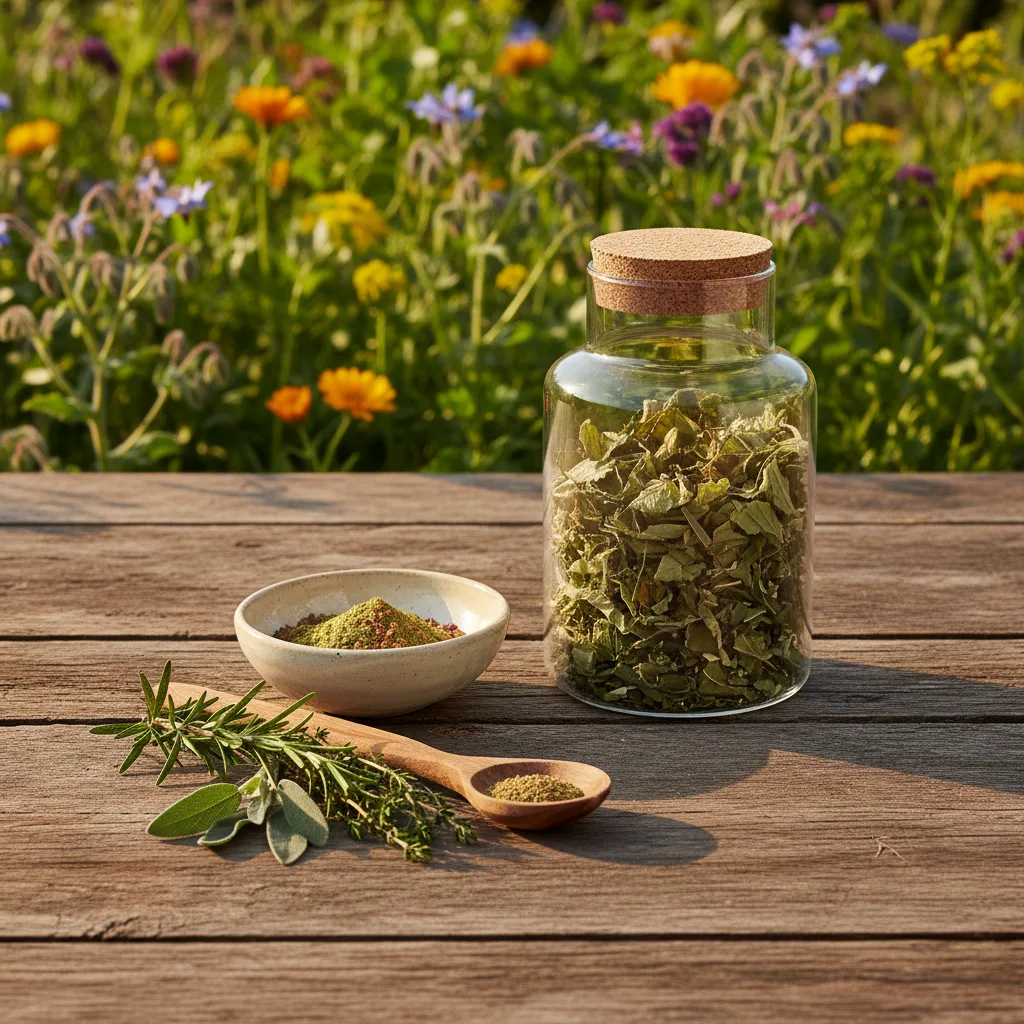
Highlight herbs and trees that offer culinary, aromatic, or nutritional interest. For example, growers may sample dehydrated leaf powders in recipes or use infused oils for cooking and scenting soaps. All descriptions focus on supporting everyday vitality and culinary enrichment instead of therapeutic promises. Learn to Cultivating Homegrown Herbal Teas: Best Organic, Non-GMO Picks for 2026 as part of your functional garden approach.
Case Study Insight: Translating Community Models into Home Projects
A local garden illustrates how regenerative garden design can be implemented by a small group with clear learning objectives and accessible setups. For readers who want to see a real-world example, consult the community garden feature with practical examples. The story highlights replicable choices in plant selection, workshop structure, and outreach.
Seed Sharing and Simple Propagation Techniques
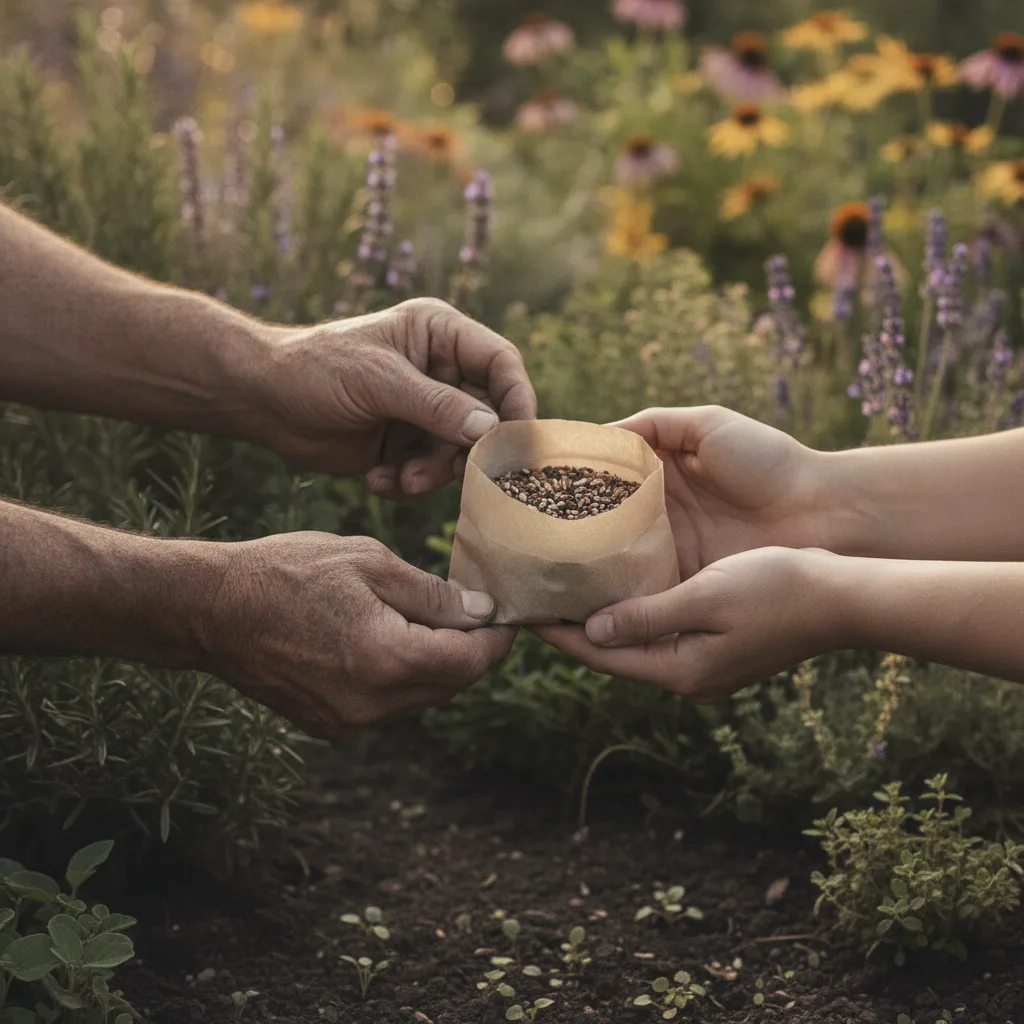
Seed swaps and basic propagation clinics accelerate neighborhood adoption of sustainable backyard gardening. Sharing cuttings, seeds, and simple step-by-step guides reduces barriers to entry and builds collective capacity for plant stewardship. Get an in-depth look at plant preservation in Traditional Medicinal Plants for Men’s Health: Preservation, Bioactive Synergy, and 2026 Insights.
Educational Programming That Scales: Workshops and Family Activities
Project-Based Learning to Build Confidence
Short, project-based sessions—such as building a container herb garden or assembling a pollinator window box—give immediate feedback and increase motivation. Participants leave with a completed project and clear next steps for care and seasonal adjustments.
Intergenerational Learning to Strengthen Community Bonds
Programs that include youth and elders foster intergenerational exchange of skills and stories. These shared activities reinforce social cohesion and broaden participation in sustainable backyard gardening practices.
Biodiversity Benefits: Designing for Wildlife and Soil Resilience
Simple Habitats for Pollinators and Beneficial Insects
Create layered plantings with seasonal bloom succession to offer foraging resources across the year. Incorporate shrubs, perennials, and small trees where space allows, and provide nesting substrate for native bees. These modest habitat features support local biodiversity and enhance garden productivity. To further explore creating plant-rich, allergy-comforting environments, see Maximizing Allergy Comfort: Best Organic Herbal Solutions for 2026.
Water-Wise Practices and Climate-Adaptive Planting
Use rain catchment, permeable paths, and mulches to conserve moisture and reduce runoff. Select drought-tolerant native species for periods of limited rainfall and choose microclimates for more water-demanding specimens. Adaptive planning is a hallmark of resilient regenerative garden design.
Measuring Success by Stewardship and Connection
Emphasize Social Outcomes Over Output Metrics
Success can be measured by increased participation in neighborhood projects, more frequent outdoor learning gatherings, and the transfer of practical skills. This people-centered approach encourages ongoing stewardship rather than one-time productivity metrics.
Track Simple Ecological Indicators
Monitor pollinator visitation, soil cover, and plant diversity to assess ecological progress. Recording seasonal observations creates a living log that supports iterative improvements in regenerative garden design. To complement community successes, read about Elevate Daily Wellness: Best Organic Routines & Non-GMO Reviews for 2026.
Practical Starter Projects for Home Gardeners
Build a Pollinator Strip in Three Easy Steps
- Select a sunny edge or narrow bed and prepare the soil with compost.
- Plant a mix of native annuals and perennials with staggered bloom times.
- Mulch lightly and avoid pesticides to encourage beneficial insects. For related methods, consult USDA-Certified Organic Single-Herb Teas: Best Selection for 2026 Wellness Trends.
Create a Compact Food Forest in Containers
Use dwarf fruit varieties, companion herbs, and perennial edibles in layered containers to simulate a small food forest. This approach demonstrates regenerative garden design principles on patios and balconies.
Inspiration and Next Steps: From Awareness to Action
Take small, consistent actions—plant a native flower patch, attend a hands-on workshop, or save seeds to share. These steps expand local knowledge and lead to incremental landscape transformation. For inspiration and a real-world profile of these methods in action, review this community garden feature and resources.
Closing Encouragement for New Stewards
Regenerative garden design is as much about building relationships—between people, plants, and place—as it is about horticulture. By focusing on pragmatic techniques, community teaching, and ecological thinking, homeowners and neighborhood groups can create resilient, beautiful outdoor spaces that invite learning and shared stewardship.
Take one small step this season: plant a native flower patch, attend a hands-on workshop, or share seeds with a neighbor. Use local profiles and community resources as inspiration to apply regenerative garden design principles in your own space.
FAQs
-
What is regenerative garden design and why is it beneficial for small yards?
Regenerative garden design focuses on building healthy soil, increasing biodiversity, and creating multi-functional outdoor spaces. For small yards, it means using layered plantings, compost, and native species to support pollinators and produce while minimizing maintenance and improving ecological resilience. Explore more options in the Homegrown Medicinal Herb Garden: Best Organic Alternatives to Pharmacy Herbs 2026.
-
How can beginners start a pollinator-friendly garden in a limited space?
Start by selecting a few native flowering species that bloom at different times, plant them along a sunny edge, and add shallow water dishes or a small log for nesting. Avoid pesticides and provide continuous habitat to maximize benefits even in small spaces. For further tips, read about Maximizing Allergy Comfort: Best Organic Herbal Solutions for 2026.
-
What safe botanical activities are appropriate for community workshops?
Appropriate activities include seed-saving demonstrations, drying herbs for culinary uses, making infused salts, and basic propagation. Workshops should emphasize safe handling, correct labeling, and framing botanical uses as culinary or cultural practices rather than medical treatments. See safe practices in Navigating Herbal Supplement Safety: Best Non-GMO Liver Health Insights for 2026.
-
How does improving soil health fit into regenerative garden design?
Soil health is foundational: adding compost, using cover crops, and minimizing tillage boost microbial life and water retention. These practices lead to stronger plants, reduced need for inputs, and better long-term productivity within a regenerative garden framework. Learn about soil and plant equilibrium in Five Essential Medicinal Plants for 2026: Best Bioavailable, Sustainably Sourced Herbals.
-
Can urban balconies support regenerative garden design principles?
Yes. Use layered containers, compact or dwarf perennials, and vertical supports to create structure. Focus on nutrient-rich potting mixes, consistent watering, and companion planting to replicate regenerative principles on balconies or patios. Also check Cultivating Homegrown Herbal Teas: Best Organic, Non-GMO Picks for 2026.
-
What role do community seed swaps play in expanding sustainable gardening?
Seed swaps democratize access to locally adapted varieties and encourage genetic diversity. They foster knowledge exchange, lower startup costs, and create social ties that help sustain neighborhood-level adoption of regenerative garden practices. Find out more in Traditional Medicinal Plants for Men’s Health: Preservation, Bioactive Synergy, and 2026 Insights.
-
How should gardeners choose plants for year-round interest and resilience?
Select a mix of evergreen structure, spring bulbs, summer bloomers, and late-season seed producers. Prioritize native species and drought-tolerant varieties suited to the local climate to maintain visual interest and ecological function throughout the year.
-
What simple indicators can gardeners track to evaluate ecological progress?
Track pollinator visits, increases in plant species diversity, soil cover, and the presence of beneficial insects. Seasonal photos and brief observation logs are practical ways to measure progress and guide adaptive improvements in garden design. Enhance your personal wellness tracking by reading Elevate Daily Wellness: Best Organic Routines & Non-GMO Reviews for 2026.