


Gut Health Optimization: Expert Strategies for Digestive Wellness in 2026
Gut Health Optimization: How Practical Strategies Support Digestive Wellness in 2026
Maintaining digestive wellness calls for a purposeful approach—what we refer to as gut health optimization—combining evidence-informed nutrition, mindful habits, and ingredient transparency. This article outlines practical tactics that promote a resilient digestive system and offers guidance on choosing sustainable, high-bioavailability options. It also references a recent industry announcement for context and further reading: industry announcement. This resource is linked for readers who want background on sector trends and collaborations.
Actionable Daily Strategies to Support Digestive Function
A daily framework for gut health optimization emphasizes consistent habits that promote microbiome diversity and digestive comfort. Start with balanced meals, routine movement, and attention to sleep quality. Small, repeatable changes compound over weeks and months to support overall digestive resilience and vitality.
To further enhance digestive comfort, consider introducing a wider variety of plant-based fibers and exploring traditional practices outlined in Integrative Herbal Formulas and Modern Oncology: Clinical Outcomes, Safety, and 2026 Advances.
Prioritize Whole Foods and Diverse Plant Fibers
Eating a variety of plants fuels microbial diversity, a core component of gut health optimization. Aim to include multiple colors and textures—leafy greens, cruciferous vegetables, legumes, nuts, seeds, and whole grains—across meals. These foods deliver prebiotic fibers and micronutrients that help sustain beneficial gut communities and are also featured as part of the functional snacks redefining the chip aisle for clean-label trends.
Time Meals Mindfully to Support Digestion
Consistent meal timing, paced eating, and mindful chewing help the digestive process and can reduce episodic discomfort. Allow 20–30 minutes per main meal, focus on portion control, and avoid large late-night meals to give the digestive system predictable rhythms. These patterns align with the goals of gut health optimization.
To support better sleep—which is closely linked to gut health—review guidance from Maximizing Sleep Health with Best Organic Natural Remedies: 2026 Guide.
Integrate Movement and Stress Management
Regular, moderate activity supports gastrointestinal motility and energy balance without requiring high intensity. Additionally, stress-reduction practices such as breathwork, short walks, and restorative sleep help regulate the gut–brain communication network. Together these behaviors foster an environment conducive to healthy digestion.
Evidence-Informed Ingredient Choices That Support Digestive Wellness
Selecting ingredients grounded in bioavailability and purity supports sustained digestive comfort when supplementation is appropriate. Focus on clean-label formulations with clear sourcing disclosures and third-party testing where available. For further industry context, see this related industry update.
For those interested in broader trends relating to plant-sourced ingredients and herbal product markets, explore Herbal Medicinal Products Market Outlook 2026: Demand, Trends & Non-GMO Insights and Plant Extracts Market Outlook 2026: Best Organic Growth, Bioavailability Trends & Sustainable Sourcing.
Bioavailability: Why It Matters for Digestive Support
Bioavailability refers to the fraction of an ingredient that is absorbed and available for biological activity. Choosing forms with demonstrated absorption—such as fermented, enzymatically prepared, or micro-encapsulated extracts—can make nutritional interventions more efficient. This approach aligns with gut health optimization by prioritizing usable nutrient delivery, similar to the advances found in Emerging Trends in the Chrysin Extract Market: Best Bioavailable and Sustainable Options 2026.
Prebiotics, Probiotics, and Synbiotics: Complementary Roles
Prebiotics act as substrates for beneficial microbes, while probiotics introduce live strains that can transiently support microbial balance. Synbiotics combine both to create synergistic effects. When selecting these options, consider strain specificity, colony-forming unit counts, and stability through shelf life to maximize supportive potential.
Clean Sourcing and Ethical Ingredient Practices
Consumers increasingly value traceability and sustainable sourcing when making choices that support digestive wellness. Ethical farming, regenerative practices, and transparent supply chains contribute to ingredient integrity and environmental stewardship. These practices can reinforce long-term confidence in any supplementation strategy supporting gut health optimization, as discussed in Bidara Leaves: Harnessing Antioxidant-Rich, Sustainably Sourced Benefits for 2026.
Practical Quality Checks: How to Evaluate Digestive Support Options
A structured evaluation helps identify high-quality solutions that align with gut health optimization principles. Look for clear ingredient lists, minimal fillers, and evidence of independent testing. Prioritize products that clearly state origins and production processes, enabling informed decision-making, just as emphasized in Navigating Herbal Supplement Safety: Best Non-GMO Liver Health Insights for 2026.
Labels, Certifications, and Third-Party Testing
Third-party testing verifies potency and purity claims but is not a guarantee of clinical outcomes. Look for certificates of analysis (COAs) and batch testing information when evaluating quality. Transparency in labeling empowers consumers to make choices consistent with sustainability and bioavailability priorities.

Avoiding Unnecessary Additives
Simpler formulations with fewer synthetic binders, colors, or unnecessary fillers typically align better with clean-label expectations. Select options where active components are prioritized and excipients are minimal and clearly disclosed to support digestive comfort and ingredient integrity.
Integrating Microbiome-Friendly Foods into Daily Meals
Meal design centered on microbiome-friendly foods supports gut health optimization through both diversity and nutrient density. A balanced plate includes fibre-rich vegetables, moderate protein, healthy fats, and fermented foods when appropriate. These combinations help sustain beneficial microbes and support nutrient assimilation. You can find more inspiration on ingredient selection in USDA-Certified Organic Single-Herb Teas: Best Selection for 2026 Wellness Trends.
Sample Day for Microbiome Support
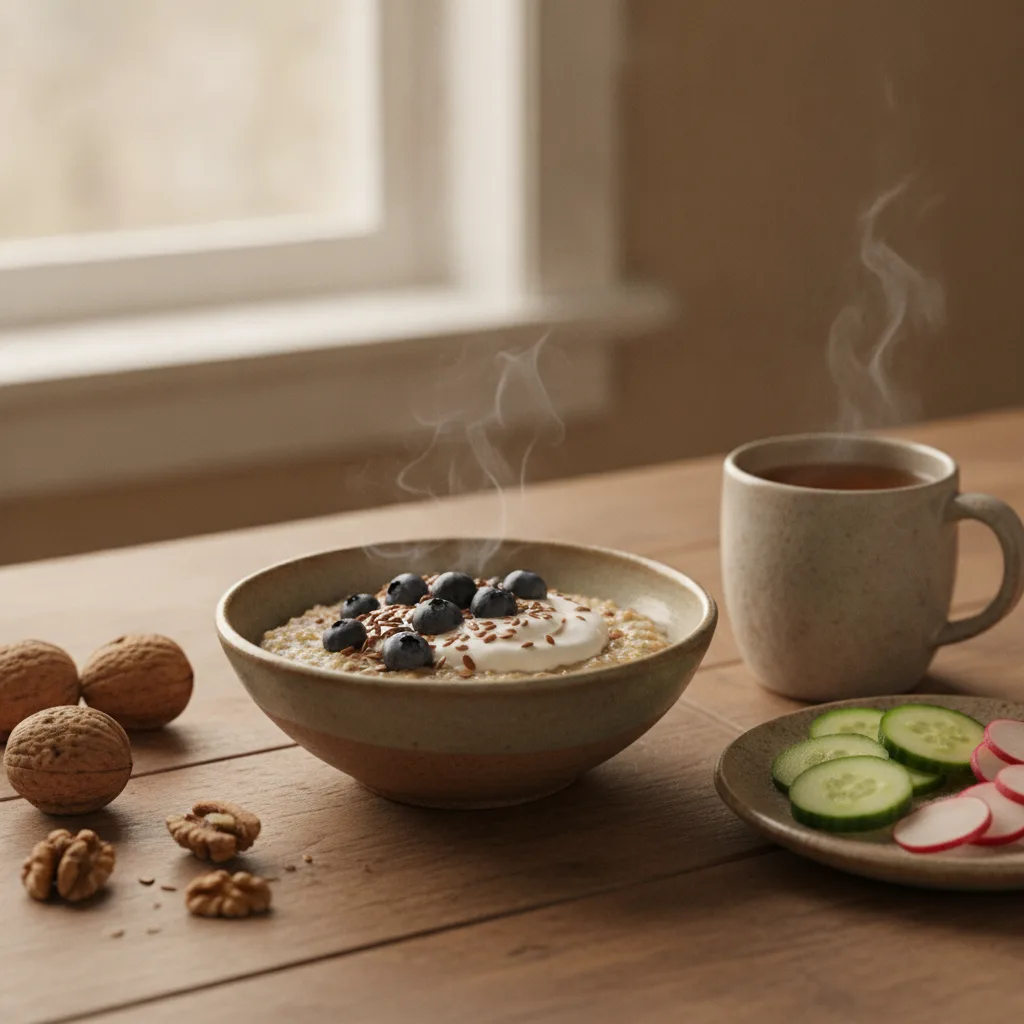
- Breakfast: Whole-grain porridge with ground flaxseeds, berries, and a spoonful of cultured yogurt or a non-dairy fermented alternative.
- Lunch: Mixed greens with legumes, roasted root vegetables, and a vinaigrette containing extra virgin olive oil.
- Snack: Fresh fruit with nuts or hummus and raw vegetable sticks.
- Dinner: Steamed fish or plant protein with quinoa and lightly sautéed cruciferous vegetables.
Small, consistent choices like these bolster the objectives of gut health optimization by delivering prebiotic fibers and diverse nutrients. Meal planning using organic ingredients, including herbs from indoor planters as discussed in Creating an Indoor Herb Oasis: Best Organic Planter Strategies for 2026, can further enhance your daily nutritional routine.
Translating Expert Guidance into Everyday Routines
Expert-led guidance becomes actionable when translated into simple, measurable steps. Create habit cues—like a post-meal walk or a nightly wind-down routine—to make gut-friendly behaviors automatic. Tracking progress with a short daily journal helps reinforce changes and highlights patterns to adjust. Community engagement, such as participating in Forestville’s Herbal Education Mecca: Sonoma’s Living Legacy & 2026 Best Organic Learning Trends, may provide additional support and knowledge.
A 30-Day Practical Plan for Digestive Resilience
- Week 1: Increase plant variety and drinking water; add one fermented food daily.
- Week 2: Introduce mindful meal timing and brief post-meal movement.
- Week 3: Add a clinically characterized probiotic or targeted nutrient if needed after evaluating quality.
- Week 4: Reassess sleep and stress routines; refine dietary diversity and portion sizes.
This incremental plan supports the principles of gut health optimization by emphasizing consistency, variety, and quality.
Monitoring Progress and When to Seek Professional Input
Track subjective measures—energy, digestion comfort, sleep quality—and objective adjustments such as weight stability or nutrient-related lab markers under professional oversight. If persistent or severe concerns arise, consult a licensed healthcare professional for individualized assessment and guidance. Professional input helps tailor approaches to individual needs while preserving safety.
Sustainability and Community: Building Lasting Digestive Wellness Habits
True gut health optimization extends beyond individual choices to community education and sustainable systems. Community-based learning, shared recipes, and group movement activities normalize healthy behaviors and create broader accountability. Sustainable procurement and transparent supply chains further connect personal health with planetary health.
For readers interested in sector trends and collaborative models shaping this space, review the linked industry announcement.
Key Takeaways: Practical Steps Toward Gut Health Optimization
- Emphasize dietary diversity and whole-food choices to support microbiome balance.
- Prioritize bioavailability and transparent sourcing when choosing supplemental options.
- Build simple, sustainable daily routines—meal timing, movement, stress management—to reinforce digestive resilience.
- Use third-party testing and clear labels to evaluate product quality.
- Leverage community education and sustainable sourcing to align personal health with environmental stewardship.
By applying these principles, gut health optimization becomes a practical, sustainable lifestyle direction rather than a short-term fix. The strategies described here are intended to support informed daily choices and long-term digestive wellness.
Begin a practical 30-day plan to support gut health optimization: increase plant diversity, adopt mindful meal timing, prioritize movement and sleep, and evaluate supplement quality with third-party testing information. Use the guidance above to create sustainable habits that support long-term digestive wellness.
FAQs
1. What is gut health optimization and why is it important?
Gut health optimization means adopting dietary, lifestyle, and ingredient-quality practices that support a resilient digestive system. It focuses on microbiome diversity, nutrient bioavailability, and consistent healthy habits. Optimizing gut health can promote digestive comfort, efficient nutrient utilization, and daily energy—not as a medical intervention but as an everyday wellness strategy. For ingredient trends supporting gut and overall wellness, see Plant Extracts Market Outlook 2026: Best Organic Growth, Bioavailability Trends & Sustainable Sourcing.
2. Which foods most support microbiome diversity?
Foods that support microbiome diversity include a wide variety of plant-based fibers such as vegetables, fruits, legumes, whole grains, nuts, and seeds. Fermented foods and moderate amounts of polyphenol-rich foods like berries and green tea also contribute. Regularly rotating food choices helps ensure a broad nutrient and fiber profile for beneficial microbes. For more diverse options, check USDA-Certified Organic Single-Herb Teas: Best Selection for 2026 Wellness Trends.
3. How does bioavailability influence the effectiveness of supplements?
Bioavailability determines how much of an ingredient is absorbed and available for use. Ingredients processed for enhanced absorption—through fermentation, particular salt forms, or encapsulation—can be more readily utilized. Selecting options with evidence of stability and absorption aligns supplements with practical goals for digestive support. Review Emerging Trends in the Chrysin Extract Market: Best Bioavailable and Sustainable Options 2026 for more.
4. Are prebiotics and probiotics necessary for everyone?
Prebiotics and probiotics can help support microbial balance for many people, but they are not universally required. Dietary diversity and fiber-rich foods often provide natural prebiotic substrates. When considering probiotic strains or synbiotic products, evaluate stability, strain characterization, and quality to ensure they align with personal wellness goals. Insights on herbal options also exist in Integrative Herbal Formulas and Modern Oncology: Clinical Outcomes, Safety, and 2026 Advances.
5. What are practical daily habits for better digestive comfort?
Practical habits include pacing meals and chewing thoroughly, including ample plant fibers, staying hydrated, moving regularly, and managing stress. Consistent meal timing and adequate sleep also support digestive rhythms. These small, sustainable habits add up and contribute meaningfully to gut health optimization over time. For more on sleep strategies, visit Maximizing Sleep Health with Best Organic Natural Remedies: 2026 Guide.
6. How can I assess the quality of a digestive support product?
Assess quality by reviewing ingredient transparency, third-party test results (COAs), minimal filler content, and clear sourcing information. Look for products that specify strain names and counts for probiotics, or extraction methods and concentration for botanical extracts. Transparent labeling and independent verification signal higher manufacturing standards. See Navigating Herbal Supplement Safety: Best Non-GMO Liver Health Insights for 2026 for more.
7. What role does sustainability play in digestive wellness choices?
Sustainability connects ingredient integrity with environmental and social responsibility. Ethically sourced ingredients and regenerative practices help preserve nutrient density and supply-chain resilience. Choosing sustainably produced options supports long-term access to high-quality ingredients and aligns personal wellness choices with broader planetary health objectives. Review Bidara Leaves: Harnessing Antioxidant-Rich, Sustainably Sourced Benefits for 2026 for an example.
8. When should I consult a healthcare professional about digestive concerns?
If you experience persistent or severe digestive symptoms, significant changes in bowel habits, unexplained weight changes, or nutrient deficiency concerns, consult a licensed healthcare professional. Professionals can evaluate individual needs, order appropriate tests, and provide tailored recommendations that complement general strategies for gut health optimization.
9. How long does it take to notice improvements from lifestyle changes?
Many people notice small improvements—such as increased energy or reduced bloating—within weeks of consistent dietary and lifestyle adjustments. More durable changes in microbial balance and nutrient status often evolve over several months. Consistency, diversity in diet, and attention to sleep and stress management all influence the timeline.
10. Can community programs help sustain gut health improvements?
Yes. Community programs, shared meal planning, and group movement activities support accountability and knowledge exchange. Peer learning helps normalize healthy routines and provides practical tips. Community-driven approaches enhance motivation and help translate expert guidance into everyday, sustainable behaviors. For education initiatives, see Forestville’s Herbal Education Mecca: Sonoma’s Living Legacy & 2026 Best Organic Learning Trends.