


Herbal Medicine Market Insights: Non-GMO Growth and Bioavailable Trends for 2026
Introduction: The Rise of Botanical Supplements
Botanical supplements are reshaping consumer choices across global wellness channels. The botanical supplements market is experiencing robust growth driven by demand for non-GMO, organic sourcing and advances in bioavailability technologies. Stakeholders from cultivators to digital retailers are adapting to transparency expectations, traceability tools, and evolving regulatory frameworks.
Botanical Supplements Market: Key Drivers Shaping 2026
A confluence of consumer preference changes, technological innovation, and regulatory modernization is fueling the botanical supplements market. Buyers increasingly prioritize evidence-backed ingredient sourcing, sustainable supply chains, and products formulated for improved absorption and stability.
Consumer Preferences: Quality, Transparency, and Values-Driven Buying
Consumers—especially younger cohorts—favor products with clear origin stories, third-party certifications, and clean-label claims. Purchasing decisions are influenced by perceived ingredient authenticity, sustainable cultivation practices, and demonstrable formulation features such as enhanced bioavailability.
Regulatory Evolution: Frameworks That Support Market Confidence
Regulatory bodies worldwide are updating frameworks to increase transparency and harmonize requirements for botanical ingredients and finished products. These actions emphasize identity testing, good manufacturing practice (GMP) adherence, and stronger documentation rather than lowering safety expectations. Industry focus on regulatory rigor parallels ongoing research into potential liver risks of organic herbal supplements, confirming the need for clear labeling and quality standards.
Technology and Traceability: From Field to Shelf
Digital tools—like blockchain-enabled traceability and laboratory digitization—are enabling supply-chain verification and reducing adulteration risk. Machine learning expedites phytochemical profiling and helps prioritize promising botanical candidates for formulation or further research. Key tools highlighted include DNA barcoding and machine-learning–enhanced analysis, well aligned with rising trends in ingredient transparency in skincare.
For market projections and deeper figures, consult the full industry analysis here: Herbal market projection report.
Product Segmentation: Formats, Benefits, and Consumer Use Cases
The botanical supplements market spans a wide range of formats designed for different user needs and delivery preferences. Manufacturers are balancing convenience with formulation strategies that enhance uptake. Phytopharmaceutical products—plant-derived preparations used in clinical or institutional settings—are increasingly supported by clinical research initiatives focusing on safety, dosing consistency, and standardized extracts, helping bridge traditional knowledge with modern evidence standards.
Dietary Supplements, Beauty, and Functional Foods
Dietary supplements remain a core growth area as consumers integrate botanicals into daily regimens. Botanical beauty and personal-care lines leverage plant extracts for topical benefits, while functional foods incorporate botanicals into powders, bars, and beverages for everyday consumption. The demand for botanicals that nourish your hair and skin from within continues to rise, highlighting opportunities for innovation.
Delivery Formats That Optimize Bioavailability
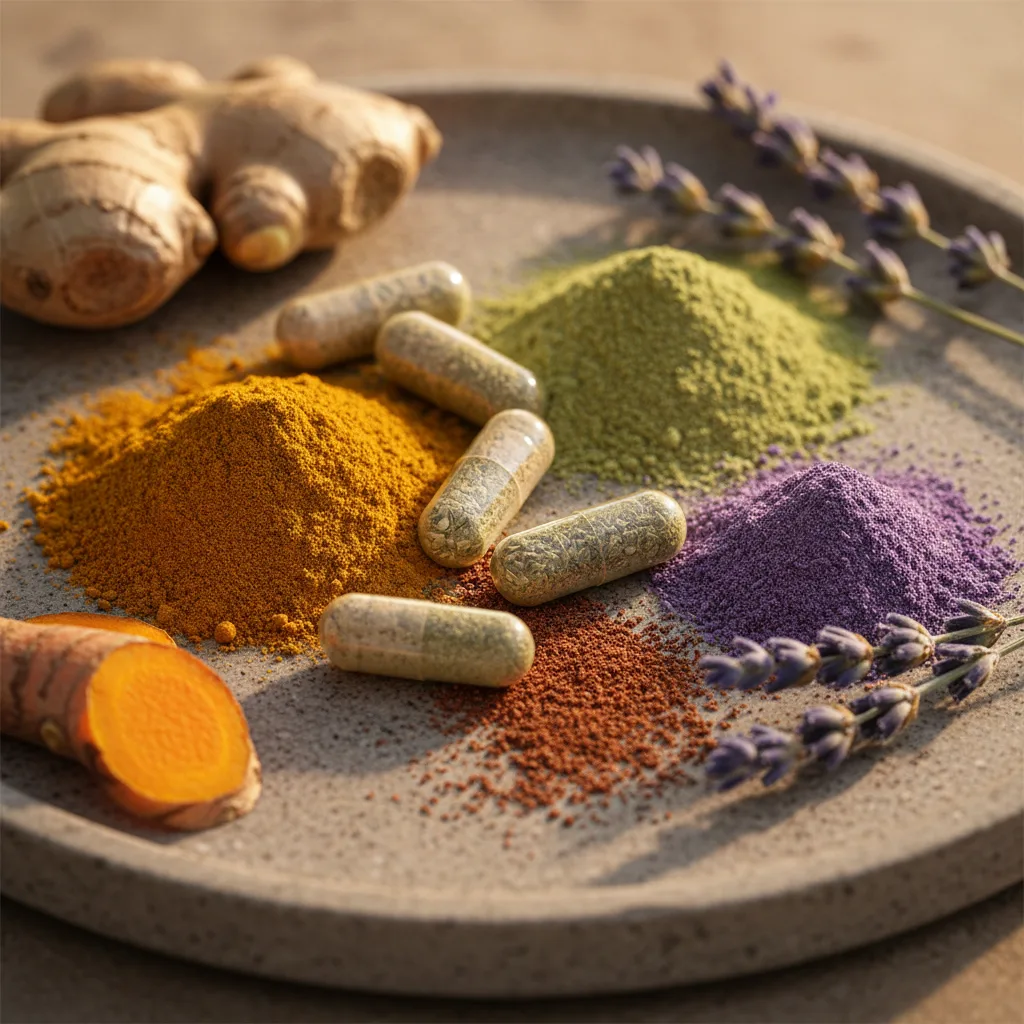
- Tablets and capsules: favored for dosing precision and convenience.
- Powders and granules: adaptable for mixing into foods and beverages.
- Teas and infusions: valued by those seeking traditional preparation methods.
- Liquid extracts and tinctures: formulated to enhance solubility and absorption.
- Topicals: tailored for skin and hair applications with botanical actives.
Innovations such as nanoemulsions, liposomal carriers, and advanced extraction techniques are helping formulators improve bioavailability while maintaining non-GMO and organic sourcing standards. This mirrors growing consumer demand for natural food trends and non-GMO certified options.

Core Botanical Sources: Choosing Plant Parts for Maximum Value
The selection of plant parts—roots, leaves, flowers, seeds, bark—affects phytochemical profiles and formulation outcomes. For example, root extracts may concentrate different constituents than leaf extracts, which influences extraction methods and final product positioning. These decisions are increasingly shaped by new findings, such as those related to the Poria Cocos extract market and organic bioactive opportunities.
Distribution Channels and Consumer Access
Distribution strategies are shifting to meet consumer expectations for convenience and verified quality. E-commerce platforms are expanding reach while specialty retailers and pharmacies emphasize curated assortments and professional guidance.
- E-commerce growth is accelerating omnichannel strategies and subscription models.
- Specialty health stores highlight sustainably sourced and organic botanical products.
- Pharmacies and clinics provide access to standardized phytopharmaceutical preparations for institutional or practitioner-guided use.
For additional market forecast context and regional breakdowns, see this industry update: Market growth and forecasts.
Leading Botanical Segments: Research, Popularity, and Formulation Trends
Several plant-derived ingredients continue to attract investment in research and consumer interest due to formulation versatility and strong sourcing networks. Suppliers are prioritizing sustainable cultivation and standardization to meet both market demand and regulatory expectations. Innovations in ashwagandha withanolides—bioavailability, safety, and sustainable production are emblematic of this direction.
Regional Dynamics: Where Demand and Innovation Converge
Market evolution varies considerably by region. Asia-Pacific maintains leadership in cultivation and traditional practices, while North America emphasizes e-commerce and product innovation. Europe is notable for strong organic agriculture standards and regulatory scrutiny, and Latin America is rich in biodiversity that supports ingredient discovery and cultivation. These shifting global patterns also drive interest in exploring nature’s potential with top herbal products for immunity as well as local adaptations.
Competitive Differentiation: Evidence, Sourcing, and Sustainability
Companies are differentiating through clinical research investment, transparent sourcing stories, and regenerative agriculture commitments. Advanced extraction and fermentation techniques can improve ingredient purity and lessen pressure on wild-harvested stocks while aligning with non-GMO objectives.
This trend overlaps with the rapid ascendance of 2026 organic beauty trends and sustainably sourced innovations in the botanical category, creating new packaging, sourcing, and certification expectations for suppliers and brands.
Future Outlook: Personalization, Sustainability, and Platform Integration
Personalized botanical regimens, informed by consumer preferences and analytical tools, will grow alongside sustainability imperatives. Platforms that combine product discovery, traceability, and tailored recommendations are positioned to improve customer retention and market penetration. As the market matures, there will also be greater focus on targeting belly bloat naturally and digestive support ingredients, further emphasizing health-driven customization.
For in-depth industry figures and scenario planning, refer to the cited analysis: Comprehensive market projection.
Market Summary
The botanical supplements market is entering a phase that prizes verified sourcing, scientifically informed formulation, and consumer-focused delivery models. Market participants that emphasize traceability, non-GMO and organic certification, and bioavailability innovations will be well placed to meet evolving buyer expectations and regulatory scrutiny.
Explore partnership opportunities and sourcing strategies that prioritize non-GMO certification, organic cultivation, and bioavailability-focused formulations. Contact supply-chain advisors or industry consultants to align procurement, quality assurance, and product development with evolving market standards.
Frequently Asked Questions
-
How is the botanical supplements market projected to grow by 2035?
Market analyses project substantial expansion driven by rising consumer demand for plant-based supplements, innovation in formulation, and regulatory modernization. Estimates cited in industry reports forecast multi-billion-dollar growth through 2035, reflecting a steady compound annual growth rate tied to adoption across regions and retail channels. For more detail, see the market growth and forecasts.
-
Which delivery formats are leading in the botanical supplements market?
Tablets and capsules remain dominant due to dose accuracy and convenience, while powders, liquid extracts, and teas are gaining share. Liquid extracts and advanced delivery systems are favored for improved bioavailability, and topical formats are expanding within botanical personal-care segments. This corresponds with innovations in herbal toothpaste market outlook and bioavailability trends.
-
What does ‘bioavailability’ mean for botanical products?
Bioavailability refers to the proportion of an active botanical constituent that becomes available for absorption and use after administration. Formulation strategies—such as emulsions, encapsulation, and solvent selection—are employed to improve solubility and enhance uptake compared with basic extracts. Learn more about enhancing curcumin absorption and bioavailable innovations.
-
How are non-GMO and organic trends affecting sourcing decisions?
Manufacturers and suppliers are prioritizing non-GMO seeds, certified organic cultivation, and transparent supply chains to meet consumer expectations. These sourcing choices often require traceability systems and third-party certification to validate claims and maintain market trust. These priorities reflect broader natural food trends.
-
What role does technology play in botanical ingredient authentication?
Technologies like DNA barcoding, mass spectrometry, blockchain traceability, and machine-learning–driven phytochemical analysis enable more reliable authentication. These tools reduce adulteration risk and support claims about origin, cultivar, and processing history, enhancing ingredient transparency in skincare.
-
How are regulatory updates influencing product development?
Regulatory updates focus on identity testing, GMP compliance, and clear labeling, which encourages manufacturers to invest in standardization and quality control. Harmonized documentation requirements can also accelerate cross-border market entry when producers meet recognized standards.
-
What sustainability practices are being adopted in botanical supply chains?
Stakeholders are implementing regenerative agriculture, controlled-environment cultivation, fair-harvest programs, and sourcing audits. These measures aim to preserve biodiversity, improve resilience of supply, and demonstrate environmental stewardship to consumers and regulators. These efforts are aligned with 2026 organic beauty trends.
-
Which regions are driving innovation and demand for botanical products?
Asia-Pacific leads in cultivation and traditional botanical knowledge, North America drives retail innovation and e-commerce adoption, and Europe emphasizes organic standards and regulatory rigor. Latin America contributes biodiversity and sourcing opportunities, while emerging markets are expanding consumption.
-
How are companies improving the purity and scalability of botanical ingredients?
Firms are adopting advanced extraction, precision fermentation, and standardized cultivation to increase purity and provide scalable ingredient supplies. These methods can reduce reliance on wild harvesting while delivering consistent phytochemical profiles for formulators.
-
What should procurement teams prioritize when sourcing botanical supplements?
Procurement should prioritize verified traceability, third-party certifications, documented quality testing, supplier sustainability practices, and formulation compatibility. Partnering with suppliers that provide detailed analytical reports and transparent supply-chain documentation reduces risk and supports compliance.