


Potential Liver Risks of Organic Herbal Supplements: Ashwagandha, Turmeric & More in 2026
Consumer Guide: Liver Risks of Herbal Supplements in 2026 — Evidence and Practical Steps
Plant-based supplements remain popular among people seeking supportive wellness options. This article focuses on liver risks of herbal supplements and how consumers can evaluate turmeric, ashwagandha, green tea extract, and other botanicals in 2026. The goal is to present evidence-based guidance to support informed decisions while prioritizing safety and product transparency.
Why awareness about supplement-related liver risks matters for everyday users
Herbal products are widely available and often used alongside diet and lifestyle strategies. The phrase liver risks of herbal supplements highlights concerns about variable product composition, high-dose extracts, and individual sensitivity. Understanding these risks helps people choose responsibly and monitor for early signs of liver imbalance.
How modern use patterns influence liver risk profiles of botanicals
More concentrated extracts and novel delivery formats increase exposure to active compounds compared with traditional culinary or whole-plant use. These changes can raise the likelihood of biochemical shifts in susceptible individuals. High-dose or prolonged use of certain standardized extracts has been associated with liver enzyme elevations in case reports and observational studies. Readers interested in broader plant-based health market changes may consider Natural Brain Health Supplements Market Outlook 2026: Regional Trends, Non-GMO Reviews, and Sustainable Insights for further insight.
Key botanical profiles: evidence-based liver-safety considerations
Below are concise, evidence-grounded summaries of six commonly used botanicals and the considerations relevant to liver health. Each entry emphasizes compliant language about supportive function rather than clinical treatment claims.
Turmeric (Curcuma longa): bioavailability, dosing, and liver considerations
Turmeric and its curcuminoids are widely used to support healthy inflammatory responses. Standardized extracts and formulations that enhance absorption increase systemic exposure to curcuminoids, which in rare instances has been associated with changes in liver enzymes. Consumers should evaluate product dosage, formulation details, and third-party test results when assessing liver risks of herbal supplements containing turmeric.
Ashwagandha (Withania somnifera): adaptogenic use and reported hepatic events
Ashwagandha is used to support stress resilience and general balance. A small number of case reports have described temporary alterations in liver chemistry associated with ashwagandha use. These events are uncommon, and causality is often uncertain, but they underscore the importance of source quality, extraction method, and monitoring with prolonged or high-dose use. For those interested in clean label trends and bioavailability, reviewing Ashwagandha Extract Market Outlook 2026: Bioavailability, Clean Label Trends & Global Growth offers additional value.
Green tea extract (Camellia sinensis): whole-leaf vs. concentrated extracts
Green tea consumed as a beverage generally presents lower systemic exposure than concentrated, standardized extracts. Concentrated catechin preparations have been linked in some reports to elevations in liver markers. Choosing whole-leaf or food-form options and avoiding excessive dosing helps reduce potential liver risks of herbal supplements derived from green tea.
Black cohosh (Actaea racemosa): variable formulations and sporadic reports
Historically used for midlife symptom support, black cohosh has been subject to sporadic reports of liver-related events. Variability in raw material identification, adulteration, or mislabeling can contribute to unpredictable outcomes. Prioritizing traceability and batch testing helps manage uncertainty for supplements in this category. Supplement users seeking wider perspective on women’s health trends may find relevance in Understanding the Gender Pain Gap: Why Women Seek Alternative Care in 2026.
Red yeast rice (Monascus purpureus): monacolin variability and safety considerations
Products containing red yeast rice can vary widely in monacolin content and possible contaminants. While some preparations support healthy lipid profiles, inconsistent manufacturing and the presence of byproducts require attention. Third-party certificates of analysis and verified manufacturing controls help reduce unknowns that could affect liver safety. If interested in digestive and detoxifying support trends, explore Targeting Belly Bloat Naturally: Best Digestive and Detox Support Ingredients 2026.
Garcinia cambogia: extract composition and prolonged use considerations
Garcinia extracts commonly contain hydroxycitric acid. Rare reports have associated some formulations with liver enzyme changes after extended or high-intensity use. Evaluating standardized content, dose, and source transparency is important when considering products with this ingredient.
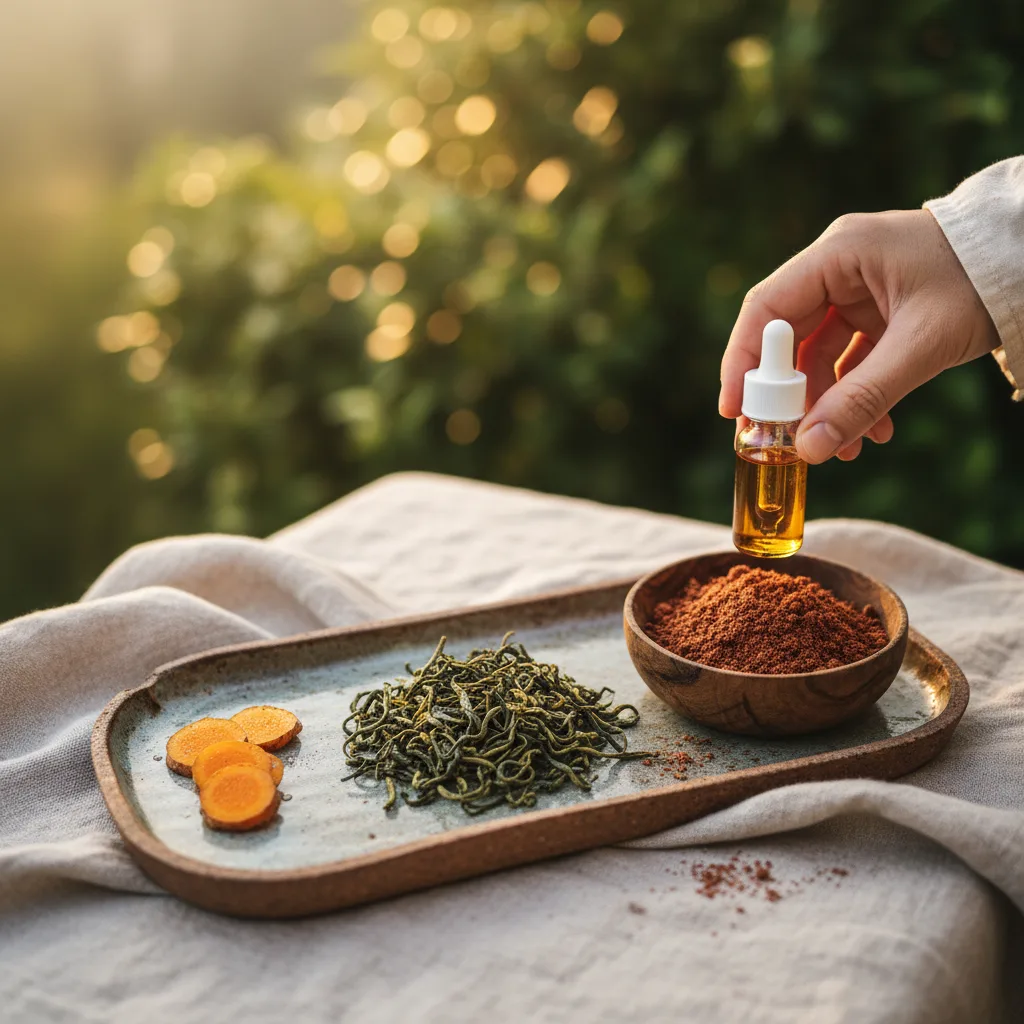
Evaluating product quality: certifications, testing, and sourcing
Not all ‘organic’ or ‘non-GMO’ labels carry the same weight. Look for batch-specific third-party testing, Certificates of Analysis (CoAs), and clear supply-chain traceability. These elements improve confidence about ingredient identity and contaminant absence, thereby helping to minimize liver risks of herbal supplements. Readers interested in the sustainability side of plant-based wellness may also review Medicinal Garden Kit: 2026 Analysis of Traditional Herbal Seeds, Bioavailability, and Sustainable Gardening.
For context on consumer discussions and reporting patterns, see this feature that summarizes consumer experiences and product considerations.
Practical monitoring strategies to detect early signs of liver imbalance
Users can adopt pragmatic steps to monitor their response to botanicals. Start with a single new product at a moderate dose and note any changes in energy, digestion, skin tone, or abdominal comfort. If concerns emerge, pause use and consult a healthcare professional for evaluation. Those on long-term or multiple supplements may consider periodic liver function testing under clinical guidance. For those seeking a broader approach to tracking overall wellness, Natural Health Response Subscription Review 2026: Evaluating Information for Wellness Enthusiasts offers methods for evaluating supplement information and user experience.
Interactions and combined use: how multiple botanicals change the picture
Combining botanicals can alter absorption, metabolism, and the overall chemical load processed by the liver. Even when each ingredient is generally well tolerated alone, interactions may increase variability in outcomes. A staged approach—introducing one supplement at a time—reduces complexity and helps isolate cause-and-effect if symptoms arise. Readers interested in synergy and combination effects in herbal approaches may want to view Synergistic Herbal Compounds for Neuroregeneration: Advancing Spinal Cord Recovery With Ancient Chinese Medicine 2026.
Regulatory context in 2026: what consumers should understand about oversight
In many jurisdictions, dietary supplements are regulated differently from pharmaceuticals. This regulatory framework means pre-market safety assessments are more limited and post-market surveillance varies. For consumers, that reality reinforces why product-level verification, transparent sourcing, and third-party testing form the cornerstone of safer choice-making. To discover more about evolving regulations, see Understanding Kratom: Safety, Regulation, and Bioactive Insights (2026 Guide).
Consumer checklist for lowering liver risks of herbal supplements
- Choose products with batch-specific third-party testing and published Certificates of Analysis.
- Prefer whole-plant or food-form options when appropriate to reduce concentrated exposure.
- Start with low to moderate doses and introduce one product at a time.
- Maintain open communication with a healthcare professional about all supplement use.
- Keep copies of labels, lot numbers, and CoAs in case clinical evaluation is needed.
Additional reporting and consumer experiences are available in broader features exploring these botanicals.

When to seek evaluation: observable signs that warrant attention
Be alert to persistent fatigue, itching, upper abdominal discomfort, jaundice-like changes (yellowing of skin or eyes), or dark urine. These signs can indicate a need to stop supplementation and pursue medical evaluation. Early detection supports timely management and clarity about whether a supplement contributed to the change. To learn more about health signs and holistic routines, Unlocking Longevity with Food, Movement, and Natural Routines | 2026 Holistic Health Guide may be a valuable resource.
Looking ahead: research priorities and safer product design
Research priorities include improved post-market surveillance, standardized reporting systems for supplement-related events, and wider availability of batch-specific analytical data. Manufacturers that invest in traceable sourcing and robust third-party verification can help reduce variability that contributes to liver risks of herbal supplements.
Practical final guidance for responsible botanical use
Herbal supplements can be part of a broader wellness strategy when used thoughtfully. Emphasize source transparency, prioritize product testing, and maintain dialogue with your healthcare professional. Thoughtful choices and careful monitoring reduce unknowns and support safer long-term use.
Choose botanicals with batch-specific third-party testing and clear sourcing. Start new supplements one at a time, monitor for changes, and share all supplement use with your healthcare professional. For consumer perspectives and product context, review additional reporting here: https://www.aol.com/lifestyle/turmeric-ashwagandha-4-other-herbal-160000831.html.
Frequently Asked Questions
-
What does the term ‘liver risks of herbal supplements’ mean in practical terms?
The phrase refers to the potential for some botanical products to cause changes in liver chemistry in a small subset of users. These changes may show up as altered liver enzyme tests or symptoms such as fatigue, abdominal discomfort, or jaundice-like signs. Risk depends on dose, extract concentration, product quality, and individual susceptibility. Those seeking recent market and ingredient trend overviews can see Natural Brain Health Supplements Market Outlook 2026: Regional Trends, Non-GMO Reviews, and Sustainable Insights.
-
How common are liver-related events from turmeric and ashwagandha supplements?
Reported liver-related events are uncommon relative to total use. Most users do not experience notable liver changes. However, concentrated extracts, high doses, prolonged use, or poor-quality formulations can increase exposure and the likelihood of adverse responses in susceptible individuals. Ashwagandha users may consult Ashwagandha Extract Market Outlook 2026: Bioavailability, Clean Label Trends & Global Growth for up-to-date safety perspectives.
-
Are whole-plant formulations safer than concentrated extracts for liver health?
Whole-plant or culinary forms often produce lower systemic exposure than standardized concentrated extracts, which can reduce the likelihood of liver enzyme elevations. Choice should consider intended use, dosing, and the product’s third-party testing to assess safety and composition. Learn more about whole-leaf and food-based trends in USDA-Certified Organic Single-Herb Teas: Best Selection for 2026 Wellness Trends.
-
Which product certifications reduce uncertainty about liver risks?
Batch-specific third-party testing, published Certificates of Analysis (CoAs), and traceability information are the most useful markers. Organic and non-GMO certifications add supply-chain transparency, but CoAs and contaminant screens directly address composition and safety concerns. For data about certification trends and quality standards, see Complementary and Alternative Medicine Market Trends & Innovations: Best Insights for 2026.
-
What monitoring steps should someone follow after starting a new botanical supplement?
Introduce one product at a time, use a moderate dose, and track any new symptoms for several weeks. Report persistent fatigue, abdominal pain, jaundice-like changes, or dark urine. If symptoms appear, stop the supplement and consult a healthcare professional for evaluation and possible testing.
-
Can combining multiple herbal supplements increase liver risk?
Yes. Combining botanicals can change absorption and metabolism dynamics, increasing the overall chemical exposure the liver processes. A staged approach—introducing one product at a time—helps identify which ingredient may be associated with a reaction, if any. For information on bioactive synergy, see Synergistic Herbal Compounds for Neuroregeneration: Advancing Spinal Cord Recovery With Ancient Chinese Medicine 2026.
-
How does product sourcing affect the liver safety profile of botanicals?
Sourcing affects identity, purity, and contaminant risk. Products with poor supply-chain controls may contain misidentified species or contaminants that increase unpredictable outcomes. Traceable sourcing and manufacturer transparency reduce these risks and support safer use. Broader sourcing trends are discussed in Medicinal Garden Kit: 2026 Analysis of Traditional Herbal Seeds, Bioavailability, and Sustainable Gardening.
-
When should someone seek clinical testing related to supplement use?
Seek clinical testing if you develop persistent symptoms such as severe fatigue, persistent abdominal discomfort, skin yellowing, or dark urine after starting a supplement. A healthcare professional can recommend appropriate blood tests and guide next steps based on clinical findings and product history.