
Elevating Herbal Education and Clinical Practice: Insights from the 2026 AHG Symposium
Connecting the Herbal Community: Why Herbal Education 2026 Matters
Herbal education 2026 is central to preparing educators, practitioners, and students for an evolving plant-focused sector. This article synthesizes trends from a recent professional herbal symposium and outlines practical strategies for evidence-informed curricula, sustainability, and workforce readiness. You can review the official symposium report for detailed session summaries and speaker insights: official symposium report.
Advancing Herbal Education 2026: Aligning Academic Programs with Market and Research Signals
The modern learner expects curricula that balance traditional plant knowledge with contemporary research methods. Herbal education 2026 emphasizes critical appraisal of evidence, safe formulation principles, and ethical sourcing. Programs are shifting to integrate practical lab skills, interpretation of peer-reviewed literature, and frameworks for evaluating supply chain traceability.
Educators should teach students how to evaluate study design, interpret phytochemical analyses, and consider ecological impacts of sourcing. These competencies help graduates enter diverse roles across education, research, and integrative health support services.
Translating Market Data into Curriculum Priorities
Market growth signals—such as rising consumer interest in non-GMO and traceable botanicals—inform course content and elective tracks. When programs map market trends to learning objectives, graduates are better prepared to advise on quality considerations, sustainability priorities, and professional ethics.
Key topics to integrate include: phytochemistry basics, responsible sourcing practices, and methods for assessing product composition and label claims. Explore more on Romania Liquid Dietary Supplements Market: 2026 Growth, Organic Trends, and Global Non-GMO Reviews and how market signals shape herbal trends.
Integrating Traditional Knowledge and Modern Research in Teaching
Herbal education 2026 supports respectful integration of ancestral plant knowledge with contemporary scientific methods. Instructors can create modules that compare ethnobotanical context with laboratory evidence and clinical research interpretation.
Practical exercises might include comparative literature reviews, case-based discussions that emphasize scope of practice, and community-engaged projects that respect cultural origins of plant knowledge.
Building Decision Frameworks for Ethical Application
Decision frameworks help students place botanical knowledge into appropriate, evidence-informed contexts. These frameworks might cover safety margins, contraindications relevant to scope of practice, and when to consult allied professionals.
Teaching these frameworks supports consistent, professional application of herbal knowledge while emphasizing informed consent and client education. Gain more perspectives from Ancient Skills Reimagined: Women Leading Organic Blacksmithing and Herbal Mastery in 2026.
Enhancing Bioavailability and Formulation Literacy
A recurring theme at the symposium was the importance of bioavailability and formulation literacy. Herbal education 2026 emphasizes how extraction methods, vehicle selection, and preparation techniques influence compound availability.
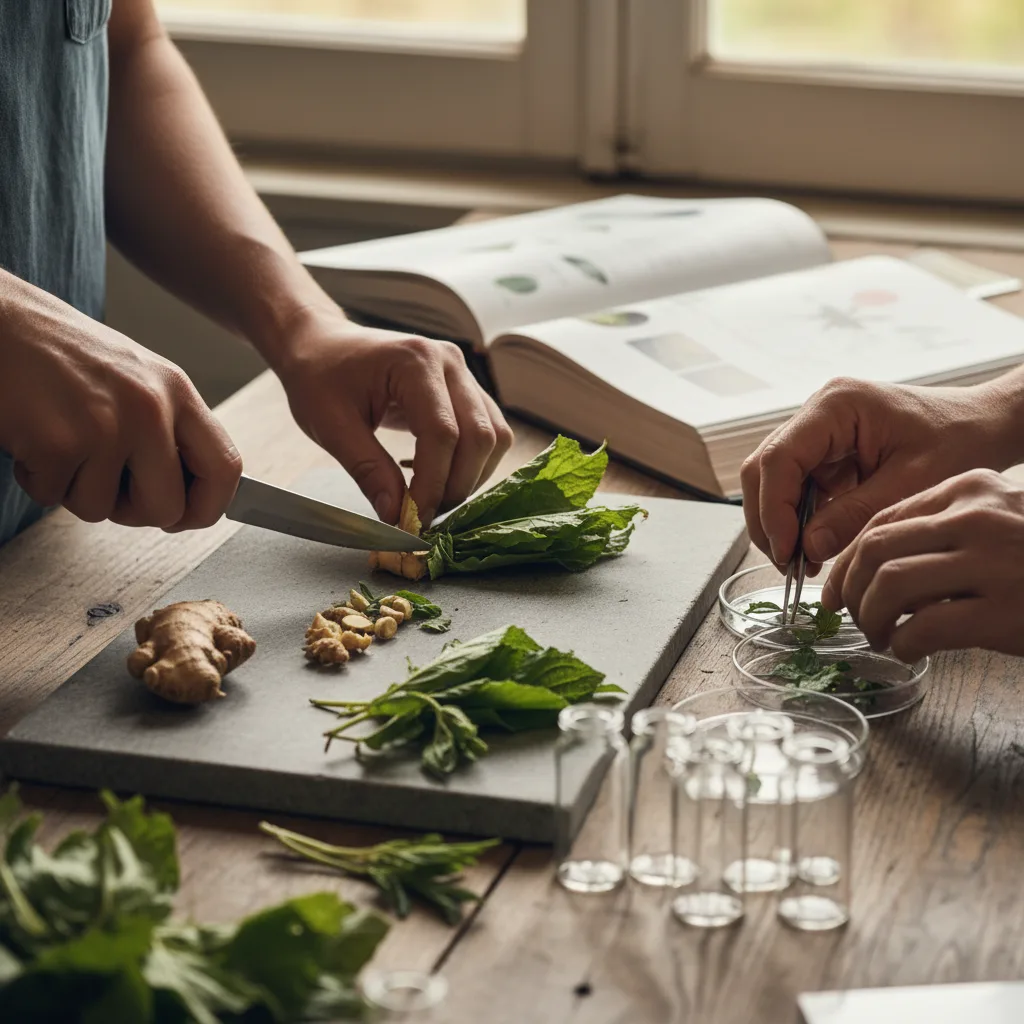
Courses can include lab demonstrations of tincture concentration, solvent selection principles, and how particle size or co-formulants influence absorption. These lab experiences help students apply pharmacognosy concepts in a practice-appropriate manner.
Practical Approaches to Teaching Bioavailability
Educators can use lab-based case studies to demonstrate differences between raw plant material, standardized extracts, and formulated preparations. Emphasis should be placed on interpreting lab reports, understanding analytical limits, and recognizing sustainable extraction options.
When possible, invite analytical chemists or formulation scientists to present reproducible methods and measurement limitations to learners. For further details on teaching methods and safety, see Navigating Botanical-Drug Interactions: 2026 Guide for Safe Supplement Use.
Supporting Metabolic Health Conversations Within Scope
Conversations about metabolic health and wellbeing are common among learners and clients. Herbal education 2026 encourages presenting evidence on how certain botanicals support healthy metabolism as part of broader lifestyle programs while avoiding clinical or curative claims.
Instructional content should prioritize mechanisms, quality of evidence, and plain-language client education tools that align with professional scope of practice. To explore metabolic support strategies, review GLP-1 Supplements and Metabolic Support: Science-Backed Trends for 2026.
Designing Workshops on Evidence-Informed Application
Workshops can teach how to explain research limitations to clients, how to recommend supportive lifestyle measures, and how to document client responses ethically. Emphasize client-centered communication, monitoring plans, and collaborative care with other professionals when appropriate.
Professional Development: Building the Herbal Workforce
Herbal education 2026 includes strong continuing education pathways and experiential learning to build workforce readiness. Symposium sessions highlighted mentorship, practicum experiences, and interdisciplinary collaboration as high-value elements for career development.
Institutions are expanding partnerships with community organizations, research labs, and sustainability networks to give students real-world exposure. Discover career-ready practices in Understanding Herbal Supplements: Best Organic and Sustainably Sourced Insights 2026.
Curriculum Elements that Boost Career Readiness
High-impact elements include supervised clinical observation (within legal scope), formulation labs, supply chain literacy, and portfolio-based assessment. Embedding ethics, documentation skills, and client communication in coursework enhances employability.
Sustainability, Ethics, and Supply Chain Stewardship
Sustainable sourcing and ethical practice are core pillars for herbal education 2026. Coursework should cover wildcrafting ethics, regenerative cultivation, fair-labor practices, and traceability systems.
Students benefit from case studies that trace a botanical from harvest through processing and distribution, exploring points where quality or ethical standards can be compromised.

Teaching Tools for Ethical Sourcing
Use supplier audits, third-party standard overviews, and community partnership projects to teach verification strategies. Encourage learners to evaluate environmental impact metrics and social responsibility indicators when assessing suppliers. For a comprehensive examination of sustainability efforts, read Safeguarding India’s Medicinal Plants: Sustainable Strategies Amid Climate Change 2026.
For deeper context about symposium sessions on sourcing and stewardship, consult the official symposium report.
Building Strategic Partnerships for Research and Curriculum Innovation
Cross-sector partnerships expand research capacity and create richer learning experiences. Herbal education 2026 benefits from collaborations between academic departments, independent laboratories, and sustainability organizations.
Partnerships can foster student research projects, shared laboratory access, and collaborative internships that build professional competencies and institutional reputation. For advanced strategies, view Unlocking Whole Person Health: Natural Products Research Insights for 2026.
Examples of Partnership Outcomes
Outcomes include co-authored publications, community-informed research projects, and curriculum pilots that test new course modules. Partnerships should be structured to protect cultural knowledge rights and ensure equitable benefit-sharing.
Inclusion, Diversity, and Cultural Respect in Teaching
Contemporary herbal programs must center inclusion and the respectful integration of diverse plant traditions. Herbal education 2026 prioritizes equitable representation, acknowledgment of cultural provenance, and ethical engagement with knowledge holders.
Faculty development programs can support inclusive teaching methods, culturally responsive pedagogy, and equitable research partnerships. Learn more from the approach in Elevating Science Education: Filipino Herbal Knowledge Meets Organic Chemistry in 2026.
Classroom Practices that Promote Inclusion
Adopt community consultation protocols, invite guest presenters from diverse backgrounds, and design assignments that require ethical sourcing and provenance reporting. Encourage reflexive practice among students and faculty.
Preparing for Regulatory and Safety Changes
Regulatory landscapes evolve; education programs should teach how to interpret regulations, label requirements, and product safety standards relevant to professional practice. Students learn to advise clients within their scope and to maintain thorough documentation.
Include modules on adverse event reporting procedures, product quality assessment, and legal considerations for professional conduct. Guidance on regulation and safety can also be found in Springfield’s 2026 Kratom Regulations: Understanding Herbal Supplement Oversight.
Practical Next Steps for Educators and Program Leaders
- Audit curricula for evidence literacy, supply chain literacy, and ethical sourcing content.
- Build hands-on labs and community-engaged learning experiences.
- Formalize mentorship networks and alumni pathways for practicum placements.
- Establish clear frameworks for cultural respect and partnership agreements.
For a session-by-session summary and resources referenced at the symposium, see the official symposium report.
Stay connected to developments in evidence-informed herbal education. Explore the official symposium report to access session summaries, teaching resources, and recommended reading lists that can inform program updates and professional development strategies: https://www.einpresswire.com/article/945202190/achs-stays-at-the-forefront-of-herbal-medicine-at-ahg-symposium.
FAQs
-
What is ‘herbal education 2026’ and why is it important?
Herbal education 2026 refers to evolving curricula and teaching priorities that balance traditional plant knowledge with contemporary research methods, sustainability, and professional ethics. It is important because it prepares graduates with evidence-literacy, supply chain awareness, and communication skills needed for diverse roles in education, research, and integrative health support. To see how these priorities merge with current trends, discover the Herbal Medicine Market Insights: Non-GMO Growth and Bioavailable Trends for 2026.
-
How can programs teach bioavailability in practical ways?
Programs can use lab demonstrations, comparative case studies, and invited lectures from formulation scientists to show how extraction, vehicle selection, and particle size affect absorption. Hands-on exercises and interpretation of analytical reports help students apply these concepts responsibly in a practitioner context. For more, read Rooibos Tea for Gut Health: Best Organic Benefits and Bioavailability in 2026.
-
What are effective classroom approaches to integrating traditional knowledge with research?
Effective approaches include comparative literature reviews, community-engaged projects with knowledge holders, guest lectures from tradition-bearers, and assignments that require ethical provenance documentation. These activities foster respectful synthesis and critical appraisal of both historical context and modern evidence.
-
How should sustainability be incorporated into herbal curricula?
Sustainability modules should cover regenerative cultivation, wildcrafting ethics, supplier audits, and traceability systems. Case studies tracing a botanical’s journey from harvest to processing help learners identify environmental and social impact points and evaluate supplier practices. Explore real-world approaches in Cultivating the Best Organic Herbal Teas at Home: Sourcing, Preparation, and 2026 Trends.
-
What elements boost graduate readiness for herbal careers?
High-impact elements include supervised practicum opportunities, formulation labs, portfolio assessments, mentorship, and applied research projects. Training in client communication, documentation, and scope-of-practice decision-making further enhances employability across education and integrative health settings.
-
How can educators ensure inclusive and culturally respectful programs?
Educators can establish community consultation protocols, recruit diverse faculty and guest speakers, and incorporate assignments that require ethical sourcing and cultural provenance reporting. Institutional policies should protect traditional knowledge and prioritize equitable partnership terms.
-
What should students learn about regulatory and safety considerations?
Students should learn how to interpret relevant regulations, label requirements, adverse event reporting processes, and product quality assessment methods. Emphasize advising within scope of practice and maintaining clear documentation and informed-consent communication with clients.
-
Where can I find more detailed session summaries from the symposium?
A full session-by-session summary and related resources are available in the official symposium report. Review it to explore detailed speaker takeaways, session materials, and reference lists that inform the education and practice guidance shared in this article.