


Japanese Double Cleansing Rituals: Best Organic Botanical Skincare Innovations for 2026
Experience the Japanese double cleansing ritual for hydrated, radiant skin
Japanese double cleansing has become a cornerstone of contemporary skincare because it combines ritual, ingredient science, and sensory experience. The phrase “Japanese double cleansing” will guide this article as we explore technique, ingredient synergy, and sustainable sourcing that support hydrated, comfortable skin. This guide unpacks why layering an oil-based and a water-based cleanser can help you achieve a gentle, thorough cleanse while preparing the skin for subsequent hydrating steps.
Why layering cleansers supports a more effective and comfortable wash
A two-step routine addresses both oil-soluble and water-soluble residues without aggressive abrasion. The first step focuses on dissolving oils and cosmetics, reducing the need to rub or over-scrub. The second step refreshes the surface and removes sweat, pollen, and particulate matter.
Together, this sequence helps maintain a balanced lipid barrier and creates a receptive canvas for hydrating serums and moisturizers. Many practitioners find this approach reduces the sensation of tightness after cleansing and enhances the feel of subsequent products.
How to perform an effective Japanese double cleansing routine at home
- Begin with dry hands and dry skin and apply a few pumps of an oil-based cleanser. Massage gently to emulsify oil-soluble impurities and makeup.
- Rinse with lukewarm water or emulsify further to lift residue; follow with a water-based, gentle cleanser to remove remaining debris.
- Pat dry with a soft towel; avoid vigorous rubbing. Follow with a hydrating toner or mist while skin is slightly damp.
- Finish with targeted serums and a moisturizer to lock in moisture and support surface comfort.
These steps are intentionally simple but precise. Practicing the motions mindfully helps preserve the skin barrier while delivering sensory benefits and hydration.
Choosing the right oil-based cleanser: balance and sensory texture
Oil-based cleansers vary from lightweight esters to richer plant oils. Select textures that suit your skin type:
- Lightweight esters and squalane-based cleansers glide easily and are well suited to combination or oil-prone complexions.
- Medium-weight plant oils can provide extra slip for makeup removal without leaving a heavy film.
Look for formulas that emulsify cleanly on contact with water. A good oil cleanser should lift residues without leaving a persistent greasy feel.
Selecting a water-based cleanser: gentle surfactants and hydration
A water-based follow-up should use mild surfactants and include humectants to support moisture. Hyaluronic acid is commonly featured for its water-binding properties. Cleansers formulated with low-irritant surfactants provide an effective clean without stripping natural lipids.
Aim for a balanced pH and ingredients that help preserve the skin’s protective barrier. This supports a comfortable post-wash experience and prepares skin to receive actives and moisturizers.
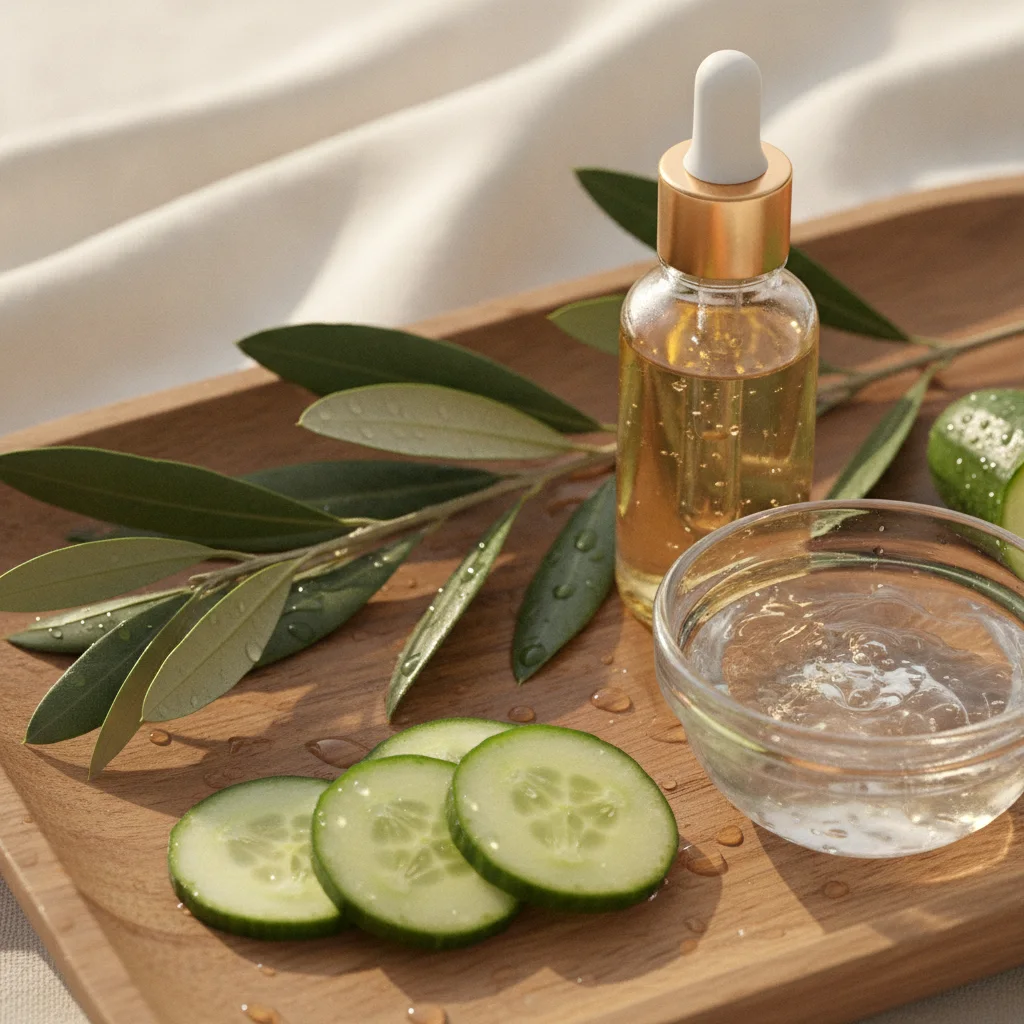
Key botanical ingredients and how they contribute to the cleansing ritual
Hyaluronic acid offers hydration by attracting and retaining water at the skin surface; when incorporated into cleansers and follow-up treatments, it helps maintain a comfortable, plump feeling after washing. Squalane is a plant-derived emollient that replenishes lipids and contributes to a smooth skin feel, supporting barrier comfort without oiliness when used in appropriate concentrations.
Olive leaf extract contains antioxidant compounds that contribute to environmental resilience of the skin’s appearance. Cucumber extract provides a cooling, soothing sensation useful in gentle formulations. Ginseng and other adaptogenic botanicals are often chosen for their supportive role in skin tone and overall vitality. Non-animal-derived collagen peptides appear in some formulas to deliver protein-based support for surface texture and resilience. These ingredients parallel the use of botanicals seen in integrating traditional East Asian herbal therapies for oncology support, bringing science-backed comfort and vitality to skincare.
Ingredient interaction: pairing humectants, emollients, and botanicals
Effective products combine humectants such as hyaluronic acid with emollients like squalane to both draw in moisture and seal it at the surface. Adding antioxidant-rich botanical extracts supports a refreshed look after cleansing. When choosing paired ingredients, consider concentration, formulation compatibility, and your skin’s individual tolerance. Well-formulated blends aim to optimize immediate comfort and cumulative skin feel over time, mirroring approaches found in bioavailable craving support using botanicals.
Mindful ritual: how technique affects results and daily enjoyment
Deliberate, attentive application increases the tactile and emotional benefits of cleansing. Taking 60–90 seconds for each step allows product performance to unfold and supports a calmer self-care moment. Massage techniques that avoid harsh tugging help maintain elasticity and reduce mechanical stress on the surface. Mindful routines often produce higher satisfaction and better adherence to skincare practices—concepts echoed in transformative DIY herbal rituals.
Sustainable sourcing and transparency as performance signals
Modern consumers prioritize ingredient traceability and minimal environmental impact. Sourcing that emphasizes sustainable harvest methods, non-GMO seed stock, and low-impact extraction can inform purchasing decisions, aligning with innovations in the Konyak Herbal Formulation for sustainable phytocompounds. Seek brands and products that publish sourcing information and third-party verification where available. Transparency often correlates with careful formulation and supply chain stewardship.
Adapting the ritual for sensitive, oily, and dry skin types
Sensitive skin: Choose fragrance-free, minimal-ingredient cleansers with soothing extracts like cucumber. Patch test new botanical blends and favor low-irritant surfactants. Oily or combination skin: Favor lightweight oil cleansers and gel or foam second cleansers with balancing humectants; look for non-comedogenic formulations. Dry or mature skin: Opt for richer emollients and hyaluronic acid-containing second-step cleansers. Incorporating squalane and peptide-containing serums after cleansing can improve surface comfort and texture. These approaches resonate with herbal knowledge shaping healthy lifestyles, ensuring inclusivity across skin types.
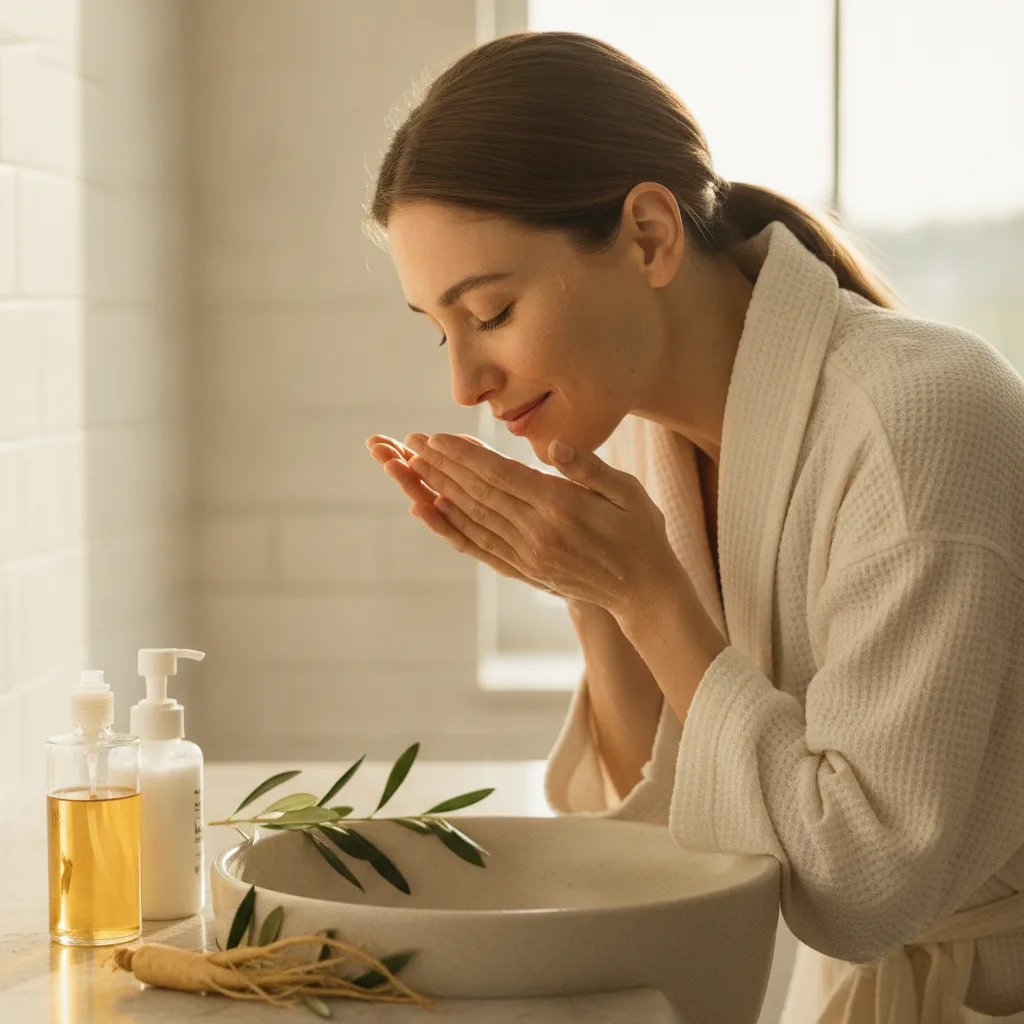
Modern formulation techniques preserving botanical integrity
Cold-pressed oils and low-heat extraction are used to conserve delicate phytochemicals. Advanced surfactant technology delivers cleansing power with reduced irritation risk, paralleling the latest nutraceutical and medicinal plants market outlook. Formulators increasingly focus on bioavailability and gentle delivery systems that allow active botanical constituents to perform without compromising barrier comfort.
Retail and discovery: learning through sampling and education
In-store sampling and educational displays can help consumers assemble complementary products for their personal routine. Look for retailers that provide clear ingredient lists and usage guidance. For deeper context, Japanese double cleansing collections offer trend insights. When researching trends and curated collections, authoritative industry articles can offer context and inspiration.
Practical tips for routine efficiency and travel
For busy schedules, concentrate steps with multi-purpose formulations that combine cleansing and hydration. Travel-friendly single-step options that still respect the two-stage principle can help maintain ritual consistency. Portable oil cleansers and small, gentle second-step cleansers allow the double cleansing approach to be maintained while away from home. These streamlined solutions can be appreciated by those familiar with the way bioavailable herbal supplements optimize wellness routines.
Sensorial design: fragrance, texture, and personal preference
Fragrance-free or subtly botanical-scented formulations tend to be well tolerated. Texture and slip—how a product feels when massaged—are as important as active ingredients for ritual enjoyment. Consider selecting milder aromatherapeutic notes tied to personal preference rather than strong fragrance profiles to reduce irritation risk.
Evidence-based selection: what to look for on labels
Prioritize clear ingredient lists, pH-balanced formulations, and minimal unnecessary additives. Ingredients such as hyaluronic acid and squalane are commonly cited for hydration support. Transparency about sourcing, concentration ranges, and extraction methods can help assess product suitability for your routine. For an example of trend-focused curation and ingredient attention, see this industry overview: Japanese double cleansing collections.
Final considerations for a sustainable, enjoyable routine
Japanese double cleansing unites technique, ingredient selection, and sensory ritual. With thoughtful product choices and gentle technique, the practice can enhance the comfort and hydration of daily cleansing. Emphasize transparency, sustainability, and ingredient synergy as you build or refine your routine. The combination of an attentive ritual and well-formulated products supports more comfortable skin and improves the experience of daily care. Embrace a mindful, plant-forward cleansing routine that prioritizes hydration and ingredient transparency. Practice Japanese double cleansing with gentle, well-formulated products to enhance daily comfort and better prepare skin for restorative serums and moisturizers.
FAQs
-
What exactly is Japanese double cleansing and why is it popular?
Japanese double cleansing is a two-step wash that first uses an oil-based product to dissolve oil-soluble residues, then a water-based cleanser to remove water-soluble debris. It’s popular because it offers a gentle yet thorough clean, improves the feel of subsequent skincare, and supports a hydrated, comfortable surface without aggressive scrubbing.
-
How does hyaluronic acid contribute to a cleansing routine?
Hyaluronic acid is a humectant that attracts and holds water at the surface. When included in cleansers or follow-up treatments, it helps maintain moisture balance during and after washing. This supports a plump, comfortable sensation and can reduce the perception of tightness after cleansing.
-
Can the double cleansing method be used on sensitive skin?
Yes. Sensitive skin benefits from fragrance-free, minimal-ingredient formulas and gentle surfactants. Use a mild oil cleanser that emulsifies cleanly and a low-irritant water-based cleanser. Patch testing new botanicals and avoiding strong fragrances reduces the chance of reactivity.
-
What are the advantages of pairing squalane with hyaluronic acid?
Squalane functions as an emollient that smooths and replenishes surface lipids, while hyaluronic acid provides water-binding support. Pairing them offers both immediate softness and longer-lasting moisture retention, making the skin feel hydrated and comfortable throughout the day.
-
How often should I practice double cleansing?
Double cleansing can be done daily, especially in the evening to remove sunscreen and makeup. For morning routines, a gentle single-step wash may suffice unless heavier residue is present. Adjust frequency based on personal tolerance and hydration needs.
-
What should I look for when choosing an oil-based cleanser?
Seek an oil cleanser that emulsifies with water, has a texture suited to your skin type, and features non-comedogenic plant oils or esters. Minimal fragrance and preserved botanical extracts help reduce irritation risk while maintaining efficacy for dissolving makeup and sebum.
-
Are sustainably sourced ingredients important in cleansers?
Sustainable sourcing matters for environmental stewardship and supply chain transparency. Ingredients obtained through responsible methods and with non-GMO seed stock often reflect careful formulation practices. Look for brands that publish sourcing details and sustainability commitments.
-
How can I adapt the ritual for travel or busy schedules?
Use concentrated, multi-purpose formulations or travel-sized versions of your two-step products. Consider an oil cleanser that doubles as a gentle makeup remover and a compact, hydrating second cleanser. Consistency in technique preserves benefits even when time is limited.
-
Do botanical extracts like cucumber and ginseng provide measurable benefits in cleansers?
Botanical extracts are selected for soothing, antioxidant, or toning properties. While individual responses vary, cucumber often offers immediate cooling comfort and ginseng is chosen for supporting a refreshed appearance. Choose formulas that balance concentration with skin tolerance.
-
How do I know if my double cleansing routine is working for my skin?
Signs of an effective routine include a clean but comfortable surface, improved product absorption, and reduced need for aggressive scrubbing. If the skin feels tight, irritated, or excessively dry after cleansing, adjust the formula or frequency to better support barrier comfort.