


Medicinal Plants with Anti-Proliferative Potential: Science-Driven 2026 Review
Harnessing Botanical Science to Support Healthy Cellular Balance in 2026
Across traditional systems and modern laboratories, anti-proliferative medicinal plants have drawn attention for their capacity to support balanced cell behavior. The primary focus of this review is on how specific plant-derived compounds may promote healthy cellular balance and regulation. Researchers are mapping phytochemical profiles and advanced extraction pathways to maximize bioavailability and biocompatibility.
For a thorough literature synthesis referenced throughout, see the externally published 2026 review.
Why anti-proliferative medicinal plants matter for cellular resilience
Interest in anti-proliferative medicinal plants stems from their diverse secondary metabolites, which help maintain normal cell cycle dynamics and cellular communication. These botanical compounds are explored for roles supporting regulatory checkpoints, preserving membrane integrity, and promoting balanced cellular responses to stress. Evidence from in vitro and preclinical models informs formulation approaches that emphasize safety and sustainable sourcing.
As plant-based wellness solutions rise in popularity, understanding Navigating Herbal Remedies for Kidney Health: Unregulated Risks and Safe Choices in 2026 is crucial for practitioners committed to safety and efficacy. Increased scrutiny of product standards parallels the growing appreciation for ethnobotanical tradition.
Rigorous literature mapping: modern methods for botanical evidence
Contemporary reviews employ systematic searches across databases to synthesize decades of experimental data. Researchers use structured inclusion criteria, rigorous screening, and quality assessment to assemble reproducible datasets. This methodological rigor improves confidence in identifying plant species with consistent experimental signals and clarifies where knowledge gaps remain.
Addressing data gaps is also a key theme in Exploring Multigenerational Impact of Preconception Chinese Herbs: Bioavailability & PCOS Mouse Model 2026, underscoring how robust mapping benefits cross-cultural herbal research.
Key phytochemical classes that support cellular regulation
Phytochemical diversity is central to the functional profiles observed across species. Flavonoids, terpenoids, polyphenols, and select glycosides frequently appear in studies exploring cellular regulation. These compound classes often act synergistically rather than as single active agents, contributing to nuanced effects on signaling networks and antioxidant systems.
A valuable perspective on why these molecular synergies matter can be found in GLP-1 Herbal Nutrient Science: Best Botanical Satiety Support for 2026, which highlights phytochemical-enhanced wellness from cellular and metabolic viewpoints.
How plant constituents influence cell cycle checkpoints and balance
Scientific models indicate that compounds from certain botanicals can influence molecular pathways associated with the cell cycle and programmed cell behavior. Examples include modulation of signaling cascades and support for homeostatic mechanisms that maintain appropriate cell turnover rates. These activities are described in mechanistic literature without implying therapeutic claims.
The critical need for Understanding FDA Supplement Recalls and Safe Herbal Choices: Best Practices for 2026 arises here, particularly for formulators seeking cellular-supportive extracts while ensuring compliance and safety.
Representative botanical constituents and their cellular interactions
- Broussoflavonol F: A flavonoid reported to interact with cellular signaling pathways involved in communication and regulation.
- Oleanolic acid: A triterpenoid that has been studied for effects related to regulated proliferation and balanced inflammatory signaling.
- Isoliquiritigenin: A chalcone-type compound that has demonstrated modulation of cell cycle markers in laboratory models.
- Green tea polyphenols: A range of catechins and related polyphenols that support antioxidant defenses and cellular resilience under stress.
For the methodologies and further study listings supporting these findings, see the full referenced 2026 review.
Regional botanical insights that inform formulation strategy
Ethnobotanical diversity across continents provides a rich starting point for phytochemical exploration. South American, Asian, African, and European traditions each contribute species with unique secondary metabolite profiles. Incorporating regional knowledge with modern analytics enhances the discovery pipeline for botanicals that support healthy cellular balance.
Insights like those featured in Nepal’s Ethnobotanical Map: 395 Plants Supporting Women’s Reproductive Wellbeing (2026) reveal the breadth of regional wisdom that can be tapped for next-generation wellness formulations.
Biocompatibility considerations when selecting plant extracts
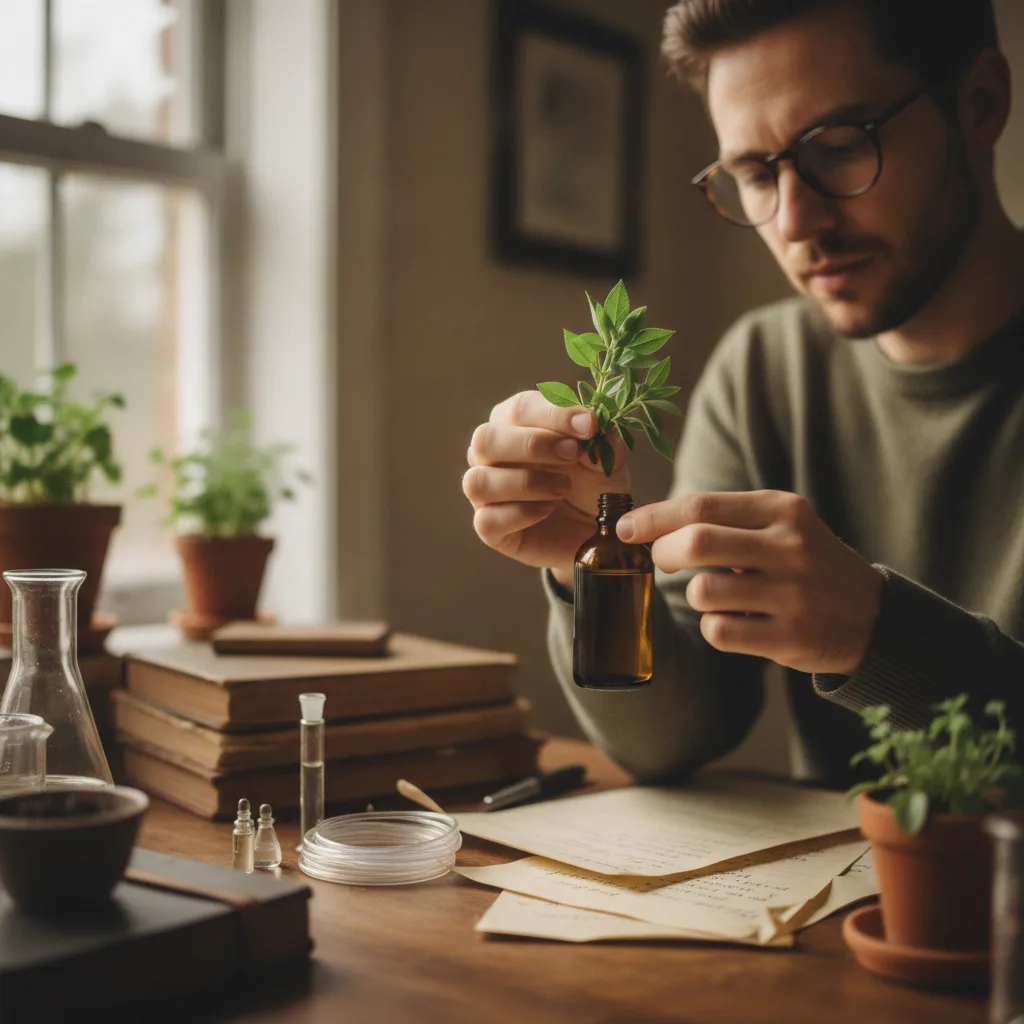
Selecting extracts for product development or research requires attention to cellular compatibility and safety profiles. Well-designed preclinical studies evaluate dose ranges, impacts on non-target cell types, and markers of membrane integrity. Priority is given to extracts with reproducible manufacturing practices and traceable botanical sourcing to reduce variability.
Those investigating this balance may benefit from recent research on Network Pharmacology for Herbal Medicines in Rheumatoid Health: Systems Science Insights 2026, which examines the links between complex herbal mixtures and systemic tolerability.
Advanced extraction techniques to preserve bioactive integrity
Modern extraction methods such as supercritical CO2, controlled hydroalcoholic extraction, and gentle fractionation techniques enhance the retention of delicate volatiles and polyphenols. Manufacturers aiming for high bioavailability focus on processes that preserve molecular synergy while minimizing degradation. These approaches support consistent outcomes in downstream use cases.
For evolving market trends, Plant Extracts Market Outlook 2026: Best Organic Growth, Bioavailability Trends & Sustainable Sourcing offers insight on innovations shaping extraction and sourcing standards.
Formulation strategies for optimized botanical synergy
Combining complementary phytochemical classes—flavonoids, terpenoids, and saponins—can produce formulations that emphasize balanced cellular support. Fractionation and targeted blending allow formulators to adjust profiles for stability and bioavailability while maintaining regulatory-compliant claims focused on support rather than treatment.
For broader perspectives on achieving such synergy, Liquid Herbal Supplements: Bioavailability, Tradition, and the Future of Clean Wellness 2026 explores how traditional formats and advanced science converge for practical wellness outcomes.
Sustainability, traceability, and quality assurance in 2026
Sustainable sourcing practices and transparent supply chains are increasingly central to credible botanical products. Ethical harvesting, non-GMO cultivation, and third-party verification of botanical identity and purity reduce ecological impact and enhance consumer confidence. Quality assurance protocols include phytochemical fingerprinting and batch-level documentation.
For those developing quality and sustainable initiatives, navigating the recommendations in Navigating Dietary Supplement Safety: Best Non-GMO Practices for 2026 ensures supply chain integrity.
Research gaps and opportunities for 2026 and beyond
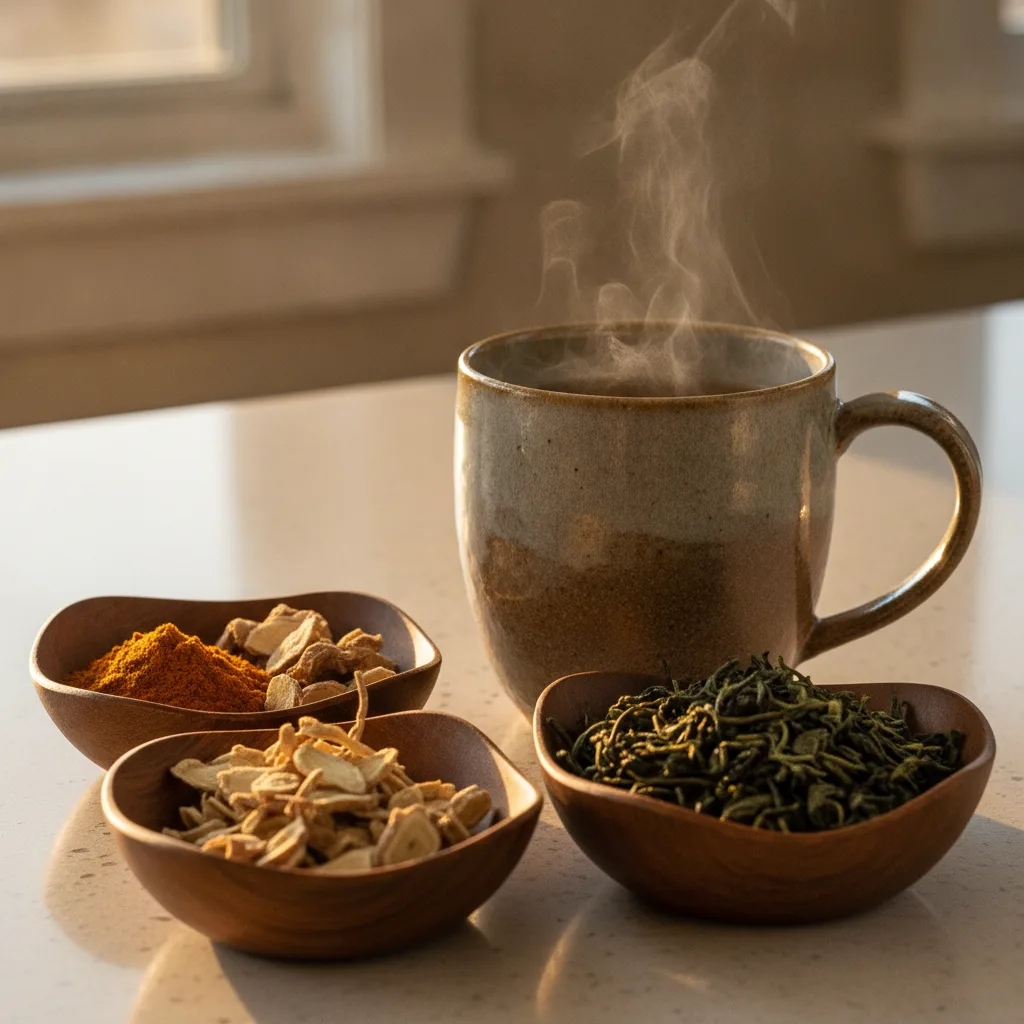
Despite robust laboratory data for many species, significant gaps remain in long-term safety, standardized dosing, and translational research. Future work that integrates genomics, metabolomics, and reproducible clinical endpoints will improve understanding of how anti-proliferative medicinal plants can be safely and effectively incorporated into evidence-informed wellness approaches. For comprehensive datasets and methodological details, refer to the 2026 literature synthesis.
Practical guidance for researchers and formulators
- Prioritize reproducible extraction and analytic methods to ensure batch-to-batch consistency.
- Use validated phytochemical assays and stability studies before upscaling formulations.
- Collaborate across ethnobotany, chemistry, and toxicology to design comprehensive biocompatibility assessments.
Topics such as Single-Marker Quantification in Rehmannia Root: Advanced Herbal QA for 2026 reveal the value of precise quantification and quality assessment in advancing the science of botanical safety.
Integrating botanical cellular support into responsible wellness practice
Botanical extracts selected for supporting normal cellular balance should be framed as components of broader lifestyle and nutritional strategies. Evidence-informed selection, emphasis on safety, and transparent sourcing align botanical use with modern expectations for accountability and sustainability. As the field evolves, careful translation of laboratory findings into practical, compliant messaging will remain essential.
Closing perspective: evidence-led, sustainable botanical science
Anti-proliferative medicinal plants represent a promising avenue for research into natural compounds that support healthy cellular balance. Continued investment in rigorous science, ethical sourcing, and formulation integrity will determine how these botanicals contribute to integrative wellness in the coming years.
Explore evidence-led botanical approaches by prioritizing sustainably sourced, traceable extracts and transparent analytical documentation. Whether researching formulations or selecting ingredients for responsible wellness offerings, choose suppliers who provide phytochemical data, evidence summaries, and reproducible extraction methods.
FAQs
1. What does ‘anti-proliferative’ mean when applied to plant compounds?
In botanical research, ‘anti-proliferative’ refers to the capacity of certain plant-derived compounds to influence cellular processes that regulate cell division and balance. It is used descriptively to denote laboratory-observed effects on cell cycle markers or regulatory pathways, not as a claim of disease treatment or prevention.
2. How do anti-proliferative medicinal plants support healthy cell function?
Many plant extracts contain flavonoids, terpenoids, and polyphenols that interact with cellular signaling and antioxidant systems. In controlled studies these interactions can promote balanced cell cycle regulation and maintain cellular resilience, supporting overall cellular homeostasis without implying therapeutic claims.
3. Which extraction methods best preserve bioactive plant compounds?
Techniques like supercritical CO2 extraction and controlled hydroalcoholic methods are widely used to preserve volatile oils and polyphenols. These approaches reduce heat and solvent stress, maintain molecular integrity, and improve the likelihood of delivering bioavailable phytochemicals in consistent profiles.
4. Why is sustainable sourcing important for botanical extracts?
Sustainable sourcing ensures ecological stewardship, traceability, and consistent raw material quality. Ethical harvesting, verified botanical identity, and non-GMO cultivation practices reduce variability, protect biodiversity, and align product supply chains with modern environmental and consumer expectations.
5. Can laboratory findings about plant extracts be applied directly to consumer products?
Laboratory and preclinical findings provide mechanistic insight but do not automatically translate to consumer use. Formulators should pursue stability, safety, and bioavailability studies and frame product messaging to reflect supportive, evidence-informed roles rather than therapeutic claims.
6. How should formulators assess biocompatibility of plant extracts?
Assessment includes cell-based cytotoxicity testing, dose-response studies, and marker analyses for membrane integrity and inflammatory signals. Combining in vitro data with phytochemical profiling and standardized manufacturing ensures compatibility with human wellness goals.
7. What role does phytochemical synergy play in botanical efficacy?
Synergy among flavonoids, terpenoids, and other secondary metabolites can enhance functional outcomes compared with isolated compounds. Synergistic profiles may modulate multiple pathways simultaneously, which is why full-profile extracts and careful fractionation are common approaches in formulation.
8. How can researchers address current knowledge gaps in the field?
Researchers can integrate targeted metabolomics, reproducible extraction protocols, and multi-center studies to standardize results. Longitudinal safety assessments, mechanistic studies, and translational research will strengthen the evidence base for cellular-supportive botanical approaches.
9. Where can I find the 2026 review that summarizes these botanical findings?
A comprehensive 2026 literature synthesis is available online and collates experimental and analytical studies that explore plant-derived compounds and their effects on cellular regulation. See the full synthesis here: https://bioengineer.org/medicinal-plants-show-anti-proliferative-potential-in-sweeping-review-of-natural-extracts/.
References & Further Reading
- Medicinal plants show anti-proliferative potential in sweeping review of natural extracts (2026)
- Navigating Herbal Remedies for Kidney Health: Unregulated Risks and Safe Choices in 2026
- Exploring Multigenerational Impact of Preconception Chinese Herbs: Bioavailability & PCOS Mouse Model 2026
- GLP-1 Herbal Nutrient Science: Best Botanical Satiety Support for 2026
- Understanding FDA Supplement Recalls and Safe Herbal Choices: Best Practices for 2026
- Nepal’s Ethnobotanical Map: 395 Plants Supporting Women’s Reproductive Wellbeing (2026)
- Network Pharmacology for Herbal Medicines in Rheumatoid Health: Systems Science Insights 2026
- Plant Extracts Market Outlook 2026: Best Organic Growth, Bioavailability Trends & Sustainable Sourcing
- Liquid Herbal Supplements: Bioavailability, Tradition, and the Future of Clean Wellness 2026
- Navigating Dietary Supplement Safety: Best Non-GMO Practices for 2026
- Single-Marker Quantification in Rehmannia Root: Advanced Herbal QA for 2026