


African Heritage Diets and Traditional Plant Medicine: Modern Wellness Revolution 2026
African Heritage Diets: Traditional Plant Wisdom for Modern Wellness in 2026
African heritage diets connect ancestral knowledge with modern nutritional science, emphasizing whole, minimally processed foods, diverse grains, leafy greens, legumes, roots, tubers, and traditional fermentation. This article explains how these dietary patterns support nutrient density, culinary diversity, and sustainable sourcing while offering practical steps for everyday integration.
Why these dietary patterns support nutrient density, sustainability, and resilience
African heritage diets provide a framework that emphasizes nutrient-dense plants, seasonality, and time-tested preparation techniques. These dietary patterns prioritize a variety of food groups to deliver broad micronutrient coverage and diverse phytonutrients. Grounded in community foodways and local ecosystems, the approach also aligns with sustainability goals for resilient agriculture.
Generational knowledge: Traditional plant-based practices in daily cooking
Traditional preparation approaches—soaking, fermenting, and slow-cooking—are intrinsic to African heritage diets. These techniques reduce certain anti-nutrients and can enhance palatability and digestibility. Communities have long relied on combinations of greens, legumes, and grains to provide balanced meals that adapt to local availability.
How fermentation and soaking enhance nutrient access
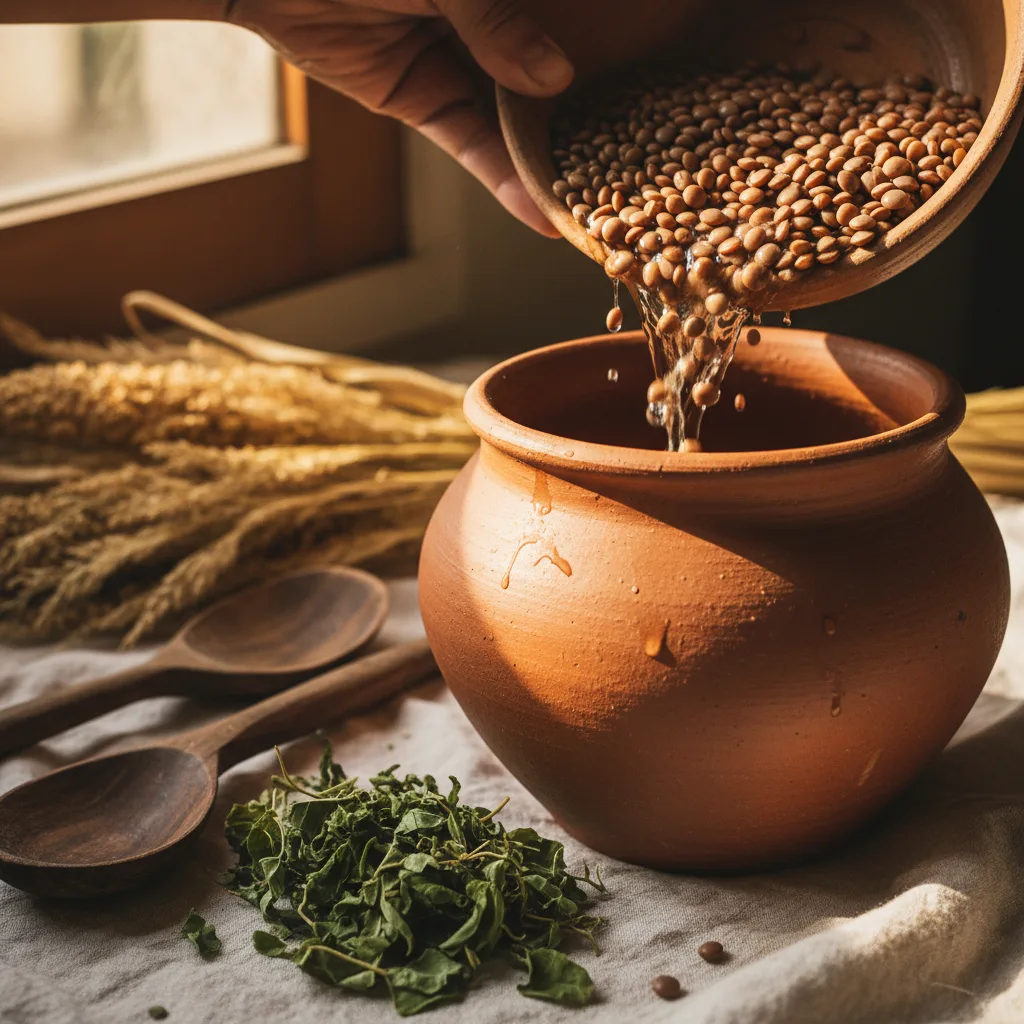
Fermenting cereals and vegetables, and soaking legumes and grains before cooking, are common methods across many African culinary traditions. These steps help break down naturally occurring compounds that can limit the absorption of minerals, improving the overall nutritional profile of dishes. Practical adoption is simple and fits modern kitchens, echoing many of the insights shared in Exploring Six Centuries of Herbal Wisdom: The Roots of Healing for 2026.
Greens, legumes, and staples: The building blocks
Dark leafy greens like amaranth and cowpea leaves, along with underutilized greens, are staples within African heritage diets. These vegetables bring vitamins A and K, minerals, and fiber to meals while offering culinary adaptability. Pairing greens with small amounts of healthy fats—common in traditional recipes—supports absorption of fat-soluble nutrients and reflects broader holistic healing insights for 2026.
Legumes and pulses: Sustainable plant proteins and satiety
Cowpeas, bambara groundnuts, lentils, and other pulses supply plant-based protein and fiber in African heritage diets. When prepared with soaking and traditional fermentation, many people notice improved digestibility. These staples are also resilient crops that can fit sustainable agricultural systems and diverse foodways, as explored in the Complementary and Alternative Medicine Market Trends & Innovations: Best Insights for 2026.
Whole grains, roots, and tubers: Slow-release energy and micronutrient diversity
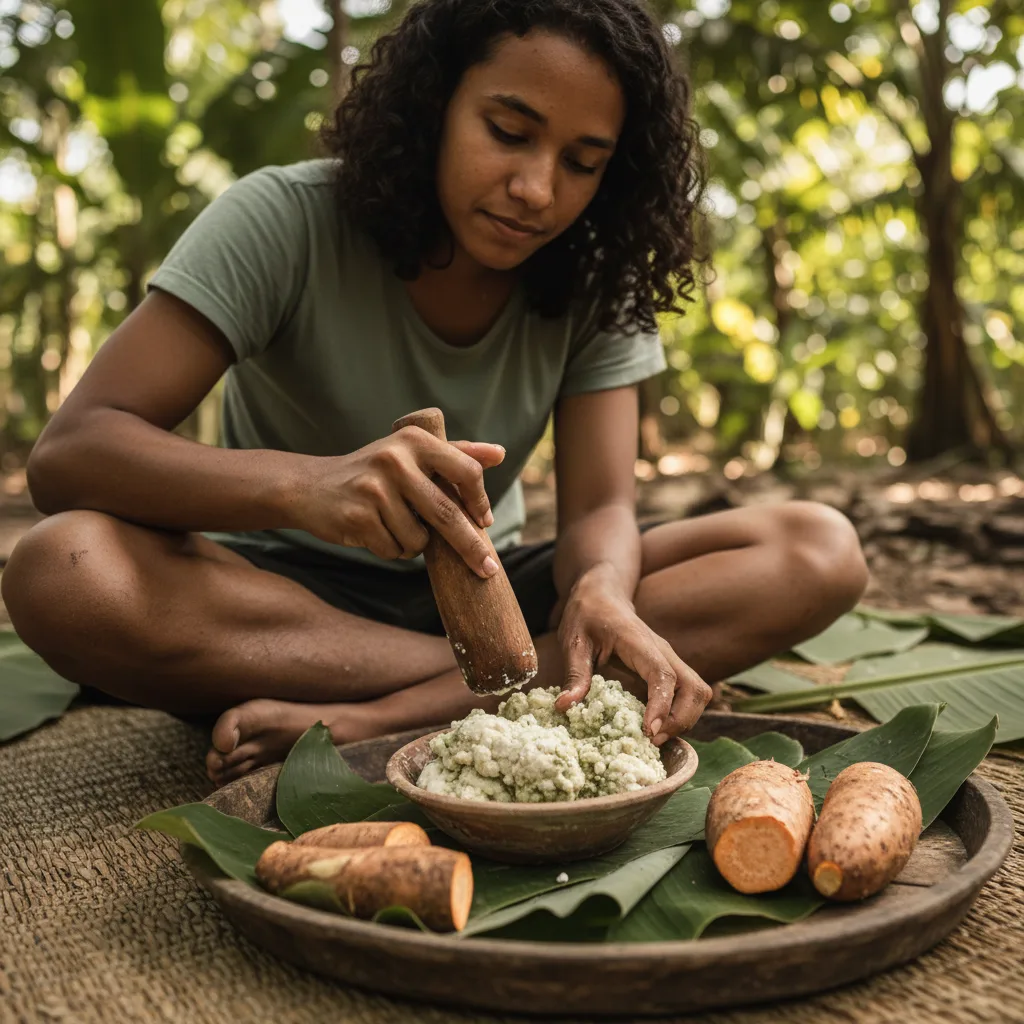
Millet, sorghum, fonio, yams, and other roots and tubers are foundational carbohydrate sources in African heritage diets. They provide slow-release energy, a variety of trace minerals, and texture diversity. Traditional processing—milling, soaking, and fermentation—can improve digestibility and flavor while maintaining nutrient integrity. Approaches discussed in the Top 10 Ways Turmeric Supports Wellness: Bioavailable Curcumin Insights for 2026 mirror these dietary strategies.
Fermented foods and gut-supportive dietary patterns
Fermented staples such as ogi and kenkey reflect a legacy of preservation and food safety that also contributes live cultures and fermentation-derived compounds to the diet. Including fermented foods as part of a varied dietary pattern can help support microbial diversity in the gut, and many contemporary studies explore links between fermented foods and measures of digestive comfort.
For an example press release and overview of renewed interest in traditional foodways, see this external source: detailed article and resources.
Practical fermentation tips for home cooks
Begin with small-batch ferments such as porridge starters or simple fermented vegetable relishes. Maintain cleanliness and use short fermentation times until you become familiar with the sensory cues. Fermentation can be integrated into weekly meal prep routines to add flavor complexity and dietary variety. Those keen to optimize their dietary routine can also benefit from understanding the bioavailability insights of common supplements.
Evidence framing: What science says about heritage dietary patterns and supportive outcomes
Contemporary nutritional research evaluates dietary pattern changes in observational and intervention contexts. Studies often report associations between increased intake of whole plant foods, fermented foods, and improved markers of dietary quality and digestive comfort. Framing results carefully is important: findings describe associations and supportive outcomes rather than definitive medical claims. This scientific messaging aligns with the growing transparency in health claims on food supplement labels.
For readers seeking further context and a synthesis of interest in traditional approaches, this resource provides a press-release style overview that highlights renewed research and publishing activity: read more here.
Culinary strategies to maximize bioavailability in everyday meals
Small culinary adjustments used in African heritage diets can boost nutrient uptake. Pairing leafy greens with healthy fats such as avocado or small amounts of traditional oils improves absorption of fat-soluble vitamins. Soaking grains and pulses, and using light steaming for greens, reduces compounds that can interfere with mineral uptake while preserving flavor.
Layered ingredient approaches for practical cooking
Create mixed bowls featuring a whole grain base, a legume, a cooked leafy green, and a fermented condiment. This combination delivers macronutrient balance alongside a range of micronutrients, fiber, and diverse flavors. These plates are adaptable for breakfast, lunch, or dinner and support varied nutrient exposure over time.
Sustainability, seed saving, and climate-resilient foodways
Many plant varieties central to African heritage diets are adapted to local climates and offer resilience against environmental stressors. Traditional seed-saving practices and decentralized agricultural knowledge contribute to biodiversity and promote local food sovereignty. These systems are increasingly relevant for sustainable food planning in a changing climate and resonate with wider emerging beauty and wellness trends.
How to begin integrating African heritage diets into modern routines
Start small by adding one heritage grain or green to your weekly rotation. Experiment with soaking pulses and trying a simple fermented side. Use recipes that honor traditional techniques while fitting your time constraints. Education and community engagement can deepen understanding and appreciation of both flavor and function. Lessons from the Latin America Herbal Supplements Market Growth & Trends: Best Organic Insights for 2026 illustrate the global relevance of traditional plant approaches.
Empowerment through education and community-driven knowledge
Community centers, culinary workshops, and culturally informed cookbooks are valuable resources for learning authentic techniques. Sharing meals and preparation methods preserves culinary heritage and supports intergenerational knowledge transfer. Prioritizing respectful sourcing and cultural appreciation ensures that incorporation is ethical and sustainable.
Summary: Relevance for modern wellness
African heritage diets combine biodiversity, culinary techniques, and sustainable crop choices to offer a resilient model for modern nutrition. The emphasis on whole plant foods, traditional preparation methods, and seasonal eating aligns with broader goals for nutrient density, digestibility, and environmental stewardship. Thoughtful application can support everyday wellness priorities without medical claims.
Next steps and resources
If you are curious to explore further, consider starting with a single new grain or ferment each month and tracking how meals feel and how cooking practices evolve. For additional reading and context, see the external overview linked above and use culturally respectful sources to deepen your learning.
Learn more about integrating heritage plant-based practices into everyday cooking through culturally informed resources and practical how-to guides. Start with one new grain, green, or fermented side each month and consult reputable educational materials to expand your culinary repertoire.
FAQs
-
What are the defining foods in African heritage diets?
African heritage diets commonly center on dark leafy greens, diverse legumes and pulses, whole grains such as millet and sorghum, and roots and tubers like yams. Traditional fermented condiments and porridges also appear frequently. For a deep dive into the plants and strategies that support these traditions, visit these 8 beginner-friendly plants can cut supplement costs in 2026.
-
How do traditional preparation techniques affect nutrient availability?
Soaking, fermenting, and light cooking can reduce naturally occurring anti-nutrients such as phytates and make minerals more accessible. Fermentation also creates flavor complexity and can introduce beneficial microbes. Find more about this in Exploring Six Centuries of Herbal Wisdom: The Roots of Healing for 2026.
-
Can fermented staples in African heritage diets support a healthy gut environment?
Including fermented staples such as sour porridges and fermented vegetables can introduce fermentation-derived microbes and compounds that contribute to microbial diversity. Many people experience improved digestive comfort when fermented foods are included in a plant-rich diet. Learn more in Best Organic Echinacea Supplement 2026: Non-GMO & Bioavailability Insights.
-
Are African heritage diet staples environmentally sustainable?
Many crops used in these foodways—like millet, fonio, and certain legumes—are adapted to low-water and resilient agricultural contexts, supporting climate-adaptive farming. These themes are expanded in Emerging Beauty and Wellness Trends: The Ultimate 2026 Non-GMO, Sustainable Guide.
-
How can someone outside Africa adapt these patterns respectfully?
Start by learning from reputable, culturally informed sources and community chefs. Use accessible analogues when original ingredients are unavailable and emphasize techniques like soaking and fermenting. Principles of cultural respect can be found in Latin America Herbal Supplements Market Growth & Trends: Best Organic Insights for 2026.
-
What practical steps make integrating heritage grains easier at home?
Begin by substituting a familiar grain with a heritage grain in a staple recipe—swap millet or sorghum into porridge. Try pre-soaking grains to improve cooking and texture. Small, manageable changes build confidence, as covered in Top 10 Ways Turmeric Supports Wellness: Bioavailable Curcumin Insights for 2026.
-
How do these diets align with modern nutritional guidance?
African heritage diets emphasize whole plant foods, fiber, and culinary diversity, aligning with contemporary dietary guidance for nutrient density and variety. For more, consult Analyzing Health Claims on Food Supplement Labels: Compliance, Consumer Understanding, and the Future of EU Regulation 2026.
-
Where can I find trustworthy resources to learn traditional techniques?
Look for community-led culinary workshops, culturally grounded cookbooks, and published literature that discuss dietary patterns and traditional food methods. In-depth information is provided in Exploring Potent Plant Alkaloids: The Paradox of Poisonous Herbs 2026.