
Herbal Tea: Best Organic Rituals and Bioavailable Benefits for 2026
Herbal Tea as a Daily Wellness Ritual: Organic Sourcing and Bioavailability Insights for 2026
Few daily habits are as simple and restorative as a warm cup of herbal tea. In this guide, herbal tea is presented as a practical, plant-based beverage that supports hydration, skin radiance, digestive comfort, restful sleep, and cognitive clarity when chosen and prepared thoughtfully. The primary focus here is on bioavailability, sustainable sourcing, and mindful brewing so your daily ritual maximizes botanical potential and enjoyment. For additional background on hydration and herbal beverages, see this external guide: what happens to your body when you drink certain teas.
How herbal tea enhances daily hydration and visible skin health
Hydration underpins many aspects of skin appearance and function. Herbal tea contributes to daily fluid intake and can help you meet hydration needs throughout the day. When consumed without added sugars, herbal infusions support a routine that favors clear hydration over calorie-dense beverages.
Polyphenol-rich botanicals, such as hibiscus, add antioxidant support to hydration strategies. These compounds provide localized benefits in the skin’s microenvironment and contribute to a more even appearance when included as part of a balanced dietary and skincare approach. For those interested in leveraging the skin health benefits of botanicals, explore Herbal Beauty Products Market Trends: Bioavailable, Organic, and Sustainable Solutions 2026.
Brewing methods that maximize bioavailable compounds
Extraction technique directly influences how many beneficial compounds move from plant to cup. Steeping time, water temperature, and herb particle size alter extraction profiles. Gentle infusions at moderate temperatures often preserve delicate volatile compounds like linalool and monoterpenes.
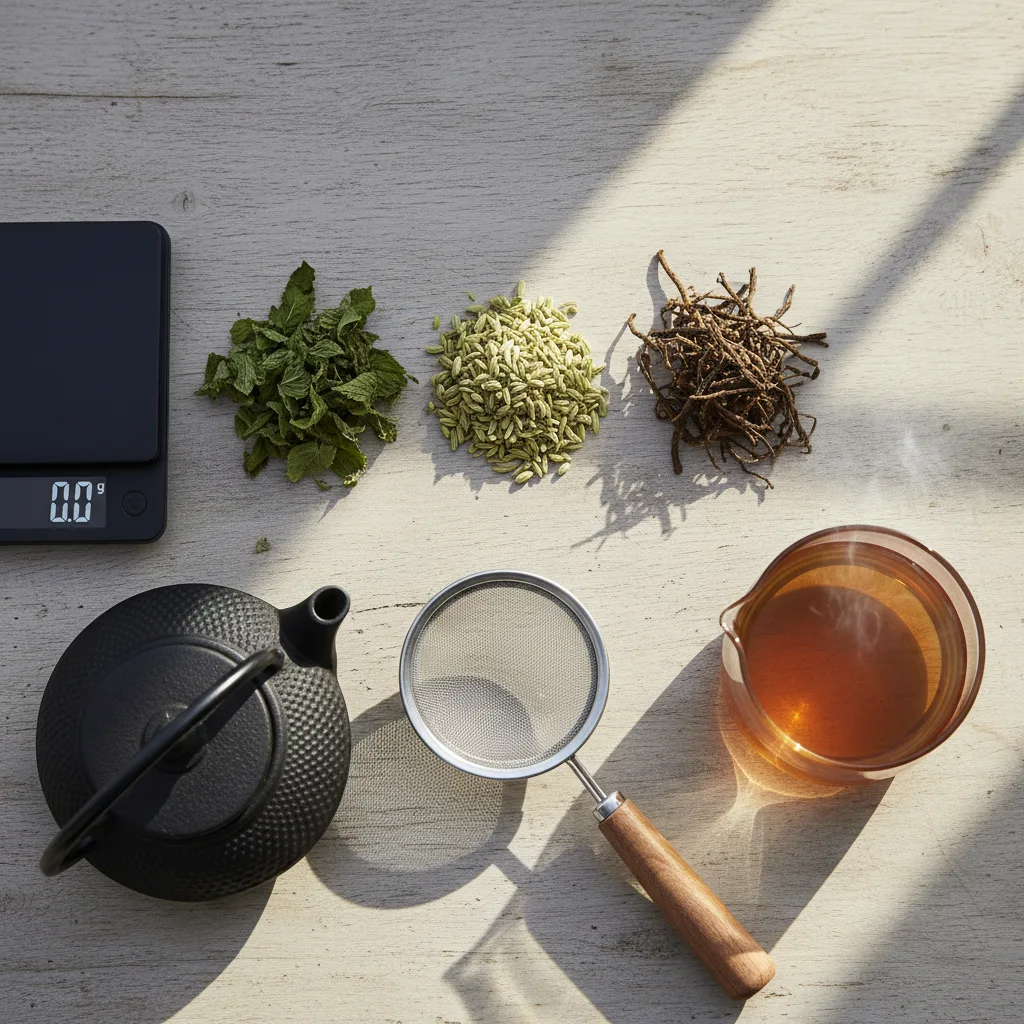
Recommended practice: measure herbs by weight or spoon, use filtered water, and adjust steeping time between 5–10 minutes depending on herb toughness. For resilient roots and barks, consider a longer infusion or decoction to release water-soluble compounds while avoiding overly long boiling that can degrade thermolabile phytochemicals. Those seeking more on boosting herb bioavailability may find value in Best Organic Echinacea Supplement 2026: Non-GMO & Bioavailability Insights.
Sourcing and sustainability: why organic and non-GMO choices matter
Selecting organic, non-GMO, and sustainably farmed herbs reduces the likelihood of unwanted agricultural residues and supports biodiversity at the source. Certification labels and third-party audits can help verify claims and trace origin when sustainability is a priority.
Choosing compostable packaging and suppliers that disclose farm practices improves supply chain transparency. This alignment between sourcing and environmental stewardship preserves botanical integrity while supporting ethical consumption. For an expanded look at non-GMO, sustainable options, see Emerging Beauty and Wellness Trends: The Ultimate 2026 Non-GMO, Sustainable Guide.
Botanical blends for digestive comfort and how to optimize absorption
Certain botanicals—peppermint, ginger, and fennel—are commonly used in blends that people find supportive for digestion. Peppermint contains menthol-rich essential oils, while ginger contributes gingerols and shogaols that complement digestive routines.
Formulation matters: pairing bitter-tasting botanicals (e.g., dandelion root) with carminative herbs can encourage balanced digestion and may improve the assimilation of some phytochemicals. Adjust blend ratios to tolerance and flavor preference to maintain both efficacy and enjoyment. To explore time-tested botanical wisdom, consult Exploring Six Centuries of Herbal Wisdom: The Roots of Healing for 2026.
Evening herbal rituals: calming botanicals and preparation timing
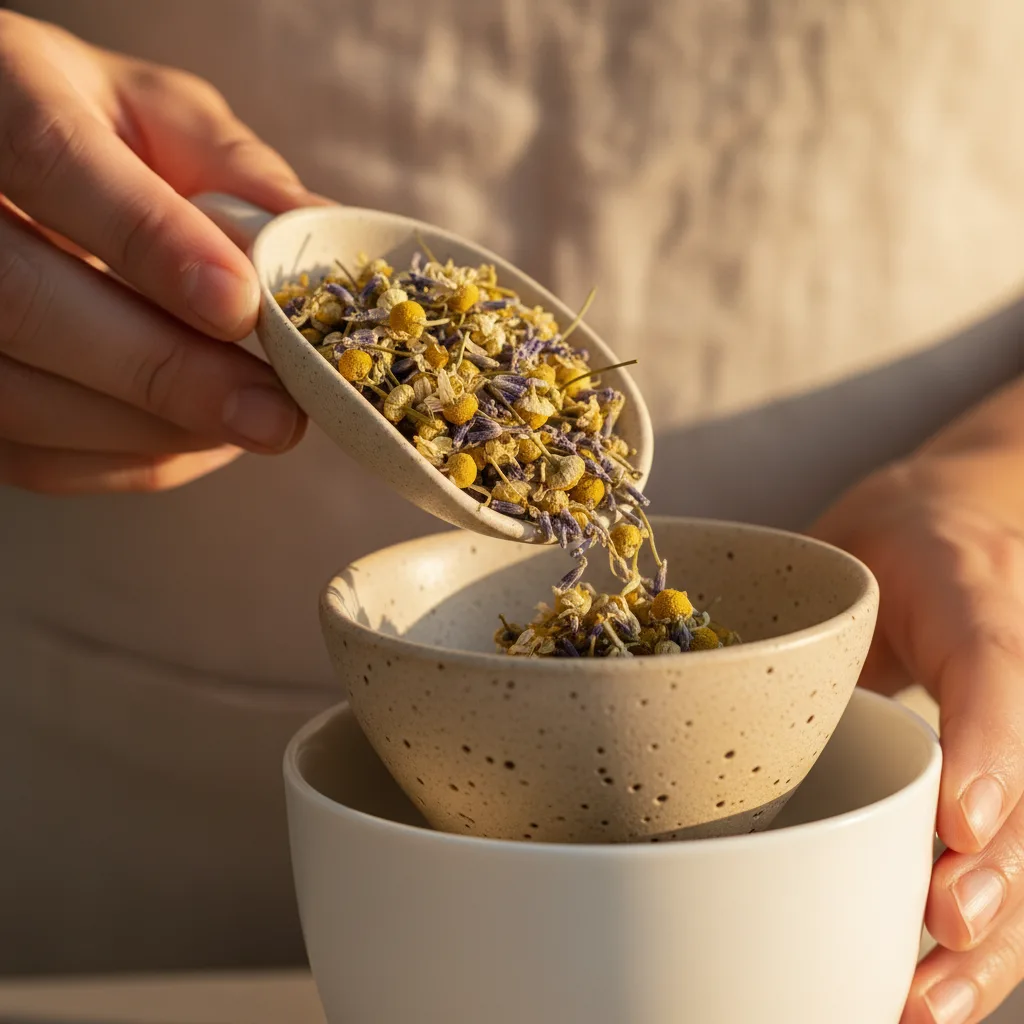
Evening teas centered on chamomile and lavender are popular because they contain apigenin and linalool, compounds linked in research to relaxation-supportive pathways. These botanicals are naturally caffeine-free and can be a gentle part of a wind-down routine.
Consume an evening infusion 30–60 minutes before bed and monitor individual fluid volume to reduce sleep interruptions. A single pre-sleep cup often provides calming sensory cues without adding excessive nocturnal awakenings.
Botanical approaches that may support cognitive focus and clarity
Herbs such as rosemary and certain standardized botanical extracts are sources of terpenoids and flavonoids associated with mental alertness and cognitive support in observational and controlled studies. When blended and brewed correctly, these herbs can complement lifestyle habits focused on focus and clarity.
Choose whole-leaf or minimally processed herbs to preserve complex phytochemical matrices, and use repeatable brewing routines to standardize intake while evaluating perceived effects over time. For more insights about optimal ingredient authenticity, Can You Trust Vitamin and Supplement Labels? Truths for 2026 Shoppers can be a helpful read.
Polyphenols, hibiscus, cinnamon, and circulatory wellness framing
Hibiscus and cinnamon are commonly highlighted in research for their rich polyphenol content. These botanicals contribute color, tartness, and antioxidant activity to blends. When used as part of a varied, whole-diet approach, they can be part of a routine that supports healthy circulation and overall wellness.
Balance and moderation are important. Rotate botanicals across your weekly routine to diversify phytochemical exposure and reduce the risk of overstimulation from any single compound class. If you’re interested in holistic approaches and current innovations, check out Complementary and Alternative Medicine Market Trends & Innovations: Best Insights for 2026.
Pairing tea with complementary wellness habits for amplified benefit
Herbal tea works best as one element of a holistic lifestyle. Combine consistent hydration, balanced nutrition, movement, restorative sleep, and stress-reduction habits to create a foundation where botanical beverages contribute meaningfully to overall well-being.
Mindful sipping—attending to aroma, flavor, and the ritual of preparation—adds a behavioral layer that supports stress reduction and presence. For a focus on hydration’s effect on skin and well-being, see Nourish Your Hair and Skin from Within: Discover the Benefits of Bamboo as a Natural Source of Collagen.
Practical sourcing checklist: what to look for on ingredient labels
Use this checklist when comparing options to ensure both ecological and phytochemical priorities are met:
- Certified organic claims verified by recognized third parties when available.
- Clear botanical names (Latin binomials) and plant parts used (e.g., flower, leaf, root).
- Transparent origin or farm-source information, including harvest and processing notes.
- Packaging that indicates compostability or recyclability.
For further perspective, Analyzing Health Claims on Food Supplement Labels: Compliance, Consumer Understanding, and the Future of EU Regulation 2026 offers some regulatory context.
Simple brewing recipes and timing for common herbal blends
Adjust amounts to personal preference and be mindful of steeping times to preserve volatile compounds. Below are straightforward recipes to try:
- Calming Evening Cup: 1 tsp chamomile + 1/2 tsp lavender; steep 6–8 minutes at 90°C.
- Digestive Support Infusion: 1 tsp peppermint + 1 tsp fennel; steep 5–7 minutes at 95°C.
- Antioxidant Hibiscus Blend: 1 tbsp hibiscus petals + 1/2 tsp cinnamon chips; steep 6–8 minutes at 95°C.
Explore additional ingredient synergy with Unlocking the Secrets of Blue Turmeric: Rare Medicinal Herb Spotlight 2026.
Mindful storage and handling to preserve herbal tea bioactivity
Store dried herbs in airtight containers away from light and moisture. Whole petals and leaves maintain freshness longer than finely ground powders. Proper storage protects volatile compounds and reduces risk of flavor and potency loss.
Rotate stock and note harvest or packaging dates where provided to enjoy fresher, more bioactive infusions.
Closing: integrating herbal tea into intentional modern lifestyles
Herbal tea is a versatile, low-friction way to support hydration and enjoyable daily rituals. By prioritizing organic, sustainably sourced ingredients and mindful brewing, you can maximize the bioavailability of beneficial plant compounds while aligning choices with environmental values. For practical insights into extraction, steeping, and hydration effects, see this resource: what happens to your body when you drink certain teas.
Explore sustainably sourced herbal tea options and refine your brewing ritual. Prioritize certified organic ingredients, mindful preparation, and diverse blends to align everyday sipping with personal and planetary well-being.
FAQs
-
What should I look for when choosing an organic herbal tea?
Look for certified organic labeling, clear botanical names (Latin binomials), and transparent origin statements. Choose suppliers that disclose harvesting and processing methods, and prefer compostable or recyclable packaging. These elements support both botanical integrity and environmental stewardship while reducing exposure to unwanted agricultural residues. For more, visit Emerging Beauty and Wellness Trends: The Ultimate 2026 Non-GMO, Sustainable Guide.
-
How does brewing affect the bioavailability of compounds in herbal tea?
Brewing variables—water temperature, steeping time, and herb particle size—change extraction efficiency. Gentle infusions preserve volatile compounds, while longer decoctions extract sturdier root and bark constituents. Adjust technique to the herb type to optimize overall extraction and maintain desirable flavor. Learn more in Best Organic Echinacea Supplement 2026: Non-GMO & Bioavailability Insights.
-
Can herbal tea contribute to daily hydration goals?
Yes. Herbal tea is primarily water and can contribute meaningfully to fluid intake when consumed without added sugars. Regular sips across the day support hydration needs and provide a flavorful alternative to plain water, helping people meet daily fluid targets more enjoyably. See additional herbal beauty product trends.
-
Which herbs are commonly used to support digestive comfort?
Peppermint, ginger, and fennel are frequently used in blends for digestive ease. Peppermint provides menthol-rich essential oils, ginger offers gingerols, and fennel supplies aromatic compounds. Combining these with bitter herbs can enhance digestive balance depending on individual tolerance. Discover more about traditional blending in Exploring Six Centuries of Herbal Wisdom: The Roots of Healing for 2026.
-
How can herbal tea be incorporated into an evening routine for relaxation?
Choose caffeine-free blends such as chamomile or lavender and sip them 30–60 minutes before bed. These botanicals are associated with relaxation-supportive compounds. Keep fluid volume moderate to minimize nighttime waking and create a consistent wind-down ritual to enhance expectancy and calm.
-
Are there sustainable packaging choices to prioritize for herbal tea?
Yes. Look for compostable tea bags, recyclable tins, or bulk loose-leaf options that reduce single-use plastics. Suppliers that disclose supply chain practices and offer recyclable or certified-compostable materials support reduced environmental impact. For further context, see Analyzing Health Claims on Food Supplement Labels: Compliance, Consumer Understanding, and the Future of EU Regulation 2026.
-
How often should I rotate herbal blends for variety?
Rotate herbs across your weekly routine to diversify phytochemical exposure and flavor experiences. A rotating practice reduces repeated exposure to any single compound class and enriches your sensory and nutritional profile.
-
What storage practices maintain herbal tea quality?
Store in airtight containers away from light, heat, and moisture. Whole leaves and petals retain volatile oils longer than powders. Note packaging or harvest dates and use stock on a first-in, first-out basis to enjoy fresher infusions.
-
Can botanical blends complement other wellness habits?
Absolutely. Herbal infusions are most effective as part of broader lifestyle habits including balanced nutrition, physical activity, restorative sleep, and stress management. The ritual of preparing and sipping tea can also support mindfulness and reduce perceived stress.
-
How do I evaluate claims about herbal tea research and benefits?
Assess the quality of evidence by checking study design, sample size, and whether effects are demonstrated in humans. Prefer sources that describe mechanisms, dosing, and context. Use research as guidance and combine it with personal experience to find what works best for you.
-
Are there other resources to learn about hydration and herbal beverages?
For additional background and approachable summaries, revisit: what happens to your body when you drink certain teas.