


Advanced Bio-Preservation: Radio Frequency and Blue Light for Fresh Medicinal Plants 2026
Radio Frequency and Blue Light Preservation for Fresh Botanical Harvests
Postharvest handlers and botanical processors increasingly adopt radio frequency and blue light preservation to support freshness and bioactive retention in fresh botanical harvests. This combined, non-chemical approach uses controlled radio frequency energy and targeted blue light to maintain appearance and compound stability without reliance on continuous refrigeration. For detailed experimental background and protocol descriptions see the original research here.
Why this preservation approach matters for botanical quality
Modern botanical supply chains require methods that maintain raw material integrity while minimizing chemical inputs and energy use. Radio frequency and blue light preservation provides a non-thermal, physical strategy that can reduce enzymatic deterioration and slow visual decline. These attributes help producers and processors retain the functional profile and market value of harvested roots and bulbs. This aligns with broader trends in herbal wellness supplements where product purity and shelf stability are key demands.
How precision-tuned radio frequency interacts with plant tissues
Radio frequency processing applies alternating electromagnetic fields that interact with tissue dielectric properties and intracellular water. Carefully tuned systems can generate only mild, localized heating—well below tissue-cooking thresholds—sufficient to alter enzyme active sites without compromising structural molecules. Operators select frequency, power, and electrode geometry to ensure even field distribution across batches. This principle is comparable to natural ingredient innovations and industry news focused on gentle processing techniques to safeguard nutritional and functional qualities.
Targeted blue light and metabolic modulation
Blue light at photosensitive wavelengths (near 450 nm) engages plant photoreceptors that influence transcriptional networks and oxidative metabolism. Short-duration, measured blue light exposure can downregulate select oxidase gene expression and help maintain antioxidant enzyme balance. When combined with radio frequency, the two modalities act on distinct biochemical layers for complementary stabilization.
Typical system parameters and environmental controls
In reported protocols, operators combined mid-frequency RF (tens of megahertz) at controlled power levels with continuous or pulsed blue light at ~450 nm and modest photon flux. Samples were treated in inert containers and then stored under controlled temperature and relative humidity to isolate the effects of the dual-energy treatment. Matching environmental setpoints to botanical type optimizes outcomes. The integration of such precise protocols reflects advancements similar to those shaping the plant extracts market outlook for 2026 where bioactive retention and sustainability are top priorities.
Adapting parameters to botanical morphology and composition
Roots and storage organs such as bulbs have unique moisture gradients, dielectric constants, and metabolite pools. Protocols are adapted to tissue thickness, water content, and target metabolites. For example, denser tissues may require altered electrode spacing or longer light exposure to achieve uniform effect without overexposure.
Observed effects on visual quality and enzyme activity
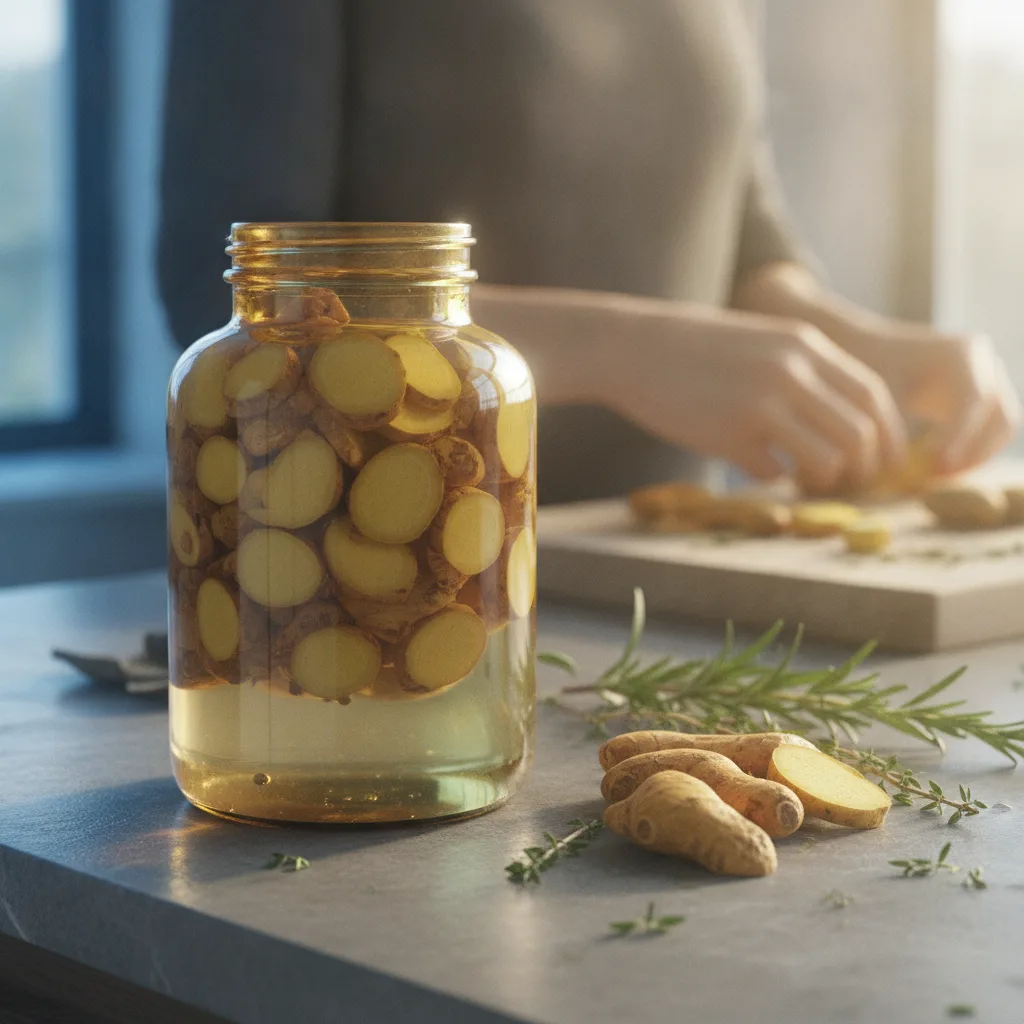
In comparative evaluations, combined RF and blue light preservation reduced visible browning and maintained tissue firmness relative to untreated controls. Measures of polyphenol oxidase (PPO) and peroxidase (POD) activity trended lower in treated samples, consistent with delayed enzymatic browning. These findings indicate the protocol supports visual and textural quality during short-term storage. Supply chain efficiency often parallels these endeavors, as seen in resilient supply chains and digital innovation in the supplement industry, which seek to maximize product quality and minimize waste.
Retention of polysaccharides and soluble metabolites
Analytical monitoring during storage windows showed higher retained levels of soluble polysaccharides and select phenolic compounds in dual-treated samples. While absolute retention varies by species and harvest conditions, the physical preservation approach consistently performed better than untreated baselines over mid-range storage periods.
Stabilizing phenolic and flavonoid profiles with low-energy processing
Phenolic compounds and flavonoids contribute to antioxidant capacity and sensory attributes. The combined RF and blue light method has been reported to slow declines in total phenolics and certain flavonoids, helping preserve redox-related qualities. This stabilization supports downstream uses where intact phytochemical profiles are desirable, which is increasingly valued in herbs as foundational wellness allies and holistic health.
Organ-specific outcomes: saponins and alkaloids
Some storage organs contain saponins or alkaloids that are sensitive to oxidative degradation. In controlled studies, dual-energy preservation showed higher measured concentrations of these compounds compared to untreated samples across defined storage intervals. Results suggest that managing enzymatic and oxidative drivers can positively influence organ-specific compound retention. This approach intersects with the focus on unlocking Africa’s herbal heritage, as preservation of rare and traditional botanicals is a growing need globally.
Energy and sustainability considerations
Because the protocol targets short, focused energy delivery rather than continuous temperature maintenance, energy consumption can be markedly lower than round-the-clock refrigeration. Reported comparisons indicate a fraction of the energy use of continuous refrigeration when the method is properly matched to batch size and product type. Reduced energy footprint aligns with sustainability goals in botanical production.
Mechanistic synergy without chemical inputs
Radio frequency and blue light preservation combines physical denaturation of enzyme active centers with photoreceptor-mediated transcriptional modulation. This multidimensional approach reduces the biochemical drivers of postharvest decline without introducing chemical preservatives. The synergy offers an attractive option for supply chains prioritizing chemical-free processing, resonating with those seeking non-GMO traditional medicine insights and clean-label products.
Design and scaling considerations for implementation
Scaling from laboratory studies to commercial lines requires attention to uniformity, throughput, and process validation. Key design components include electrode arrangement, light array uniformity, batch handling, and environmental controls. Process engineers should pilot protocols on realistic batch sizes and incorporate real-time monitoring for temperature and light intensity. The journey from pilot to full-scale implementation recalls challenges detailed in herbal medicine market growth, sustainability & trends where technology adoption is key for industry success.
Application scenarios for growers, processors, and retailers
Producers handling roots and bulbs for wholesale distribution can integrate this preservation into postharvest workflows to reduce spoilage and maintain marketable appearance. Retailers and packers may use it as a value-preserving step prior to packaging. The approach is most effective when combined with good harvest, cleaning, and cold-chain basics.
Safety, regulatory, and quality assurance notes
The technologies involved are physical and do not add chemical residues. Implementers should follow electrical safety codes and establish validated process parameters. Quality assurance programs should include chromatographic or spectrophotometric monitoring of target metabolites, as well as sensory and microbial surveillance where relevant.
Research directions and limitations
Current work focuses on broadening the botanical types that respond well to this protocol and refining species-specific parameters. Leaves, flowers, and delicate herbs may require different exposure regimes to avoid photodamage or moisture-induced issues. Continued research will map dielectric and photobiological properties across more taxa. These research efforts echo broader trends toward scientific rigor found in multi-ingredient botanical brain health research.
Where to find detailed protocols and experimental data
For researchers and practitioners seeking experimental details, instrumentation descriptions, and observed data, consult the full experimental write-up available at the research report here. That resource includes stepwise methods and comparative results relevant for scale-up planning.
Key considerations for adoption
Adoption decisions should weigh crop characteristics, desired shelf life, and existing postharvest infrastructure. Pilot testing across harvest lots, coupled with analytical verification of target compound retention, will inform parameter tuning. Integration with existing cold-chain steps can optimize both quality and energy use.
This integrated, physical preservation approach offers a science-driven option for maintaining the appearance and phytochemical profile of harvested roots and bulbs while reducing reliance on continuous refrigeration. For implementation guides and protocol variants, see the referenced study here.
Producers, processors, and retailers seeking to maintain botanical quality while reducing chemical inputs and energy use should evaluate radio frequency and blue light preservation through pilot trials and analytical verification. Prioritize process validation and safety compliance to align this evidence-based approach with your supply chain goals.
FAQs
-
What is radio frequency and blue light preservation and how does it differ from refrigeration?
Radio frequency and blue light preservation uses focused electromagnetic fields and specific light wavelengths to modulate enzyme activity and metabolic signaling. Unlike continuous refrigeration, it is a non-chemical, short-duration physical intervention that targets biochemical drivers of decline and can reduce energy use when integrated with appropriate storage conditions. These principles build on work seen in plant extracts market outlook 2026.
-
Which types of botanical tissues benefit most from this preservation approach?
Storage organs such as roots and bulbs typically respond well due to their higher moisture and dense tissue structure. These tissues exhibit measurable gains in appearance and retention of polysaccharides, phenolics, and certain organ-specific compounds when treated under optimized parameters. Consumers interested in best organic herbs for eye health may also find benefit from this preservation technology.
-
Does the technique add chemical residues to plant material?
No. The method relies on physical energy—radio frequency fields and blue light—and does not introduce chemical agents or preservatives. This makes it suitable for supply chains that prioritize chemical-free handling and non-GMO labeling practices, paralleling demands discussed in unlocking Africa’s herbal heritage.
-
How should processors validate that the method is working for their crop?
Validation should include controlled trials comparing treated and untreated lots, monitoring visual quality metrics, enzyme activities (e.g., PPO, POD), and target metabolite concentrations using chromatography or spectrophotometry. Data-driven parameter tuning and batch-level monitoring support reliable outcomes.
-
Are there safety or electrical considerations when deploying RF systems?
Yes. Systems must comply with applicable electrical safety codes and shielding standards to protect operators and nearby equipment. Manufacturers’ specifications and local regulatory guidance should inform installation, grounding, and routine maintenance procedures.
-
Can this method reduce overall storage energy consumption?
When correctly matched to product volumes and integrated with existing cold-chain practices, the method can reduce cumulative energy use compared with continuous refrigeration. Energy savings depend on treatment duration, system efficiency, and storage logistics.
-
How does blue light contribute to metabolite stability?
Blue light activates photoreceptors that influence gene expression and antioxidant pathways, which can reduce the transcription of oxidase enzymes. This modulation helps maintain redox balance and supports the stability of phenolics and flavonoids during storage.
-
Will the treatment change the texture or flavor of botanical ingredients?
Properly controlled parameters produce only mild, localized heating and photostimulation that preserve firmness and sensory attributes. Overexposure can risk textural or sensory changes; hence, process validation and sensory checks are important for consumer-facing ingredients.
-
Is the technology ready for commercial scale-up?
Elements of the technology are already demonstrated at pilot and laboratory scales. Commercial scale-up requires careful design of electrode geometry, light distribution, throughput, and monitoring systems. Pilot trials on representative batch sizes are recommended before full-scale deployment.
-
How should producers integrate this method with existing postharvest practices?
Best practice is to include the method as a postharvest step following cleaning and grading, then place products into controlled storage. Combining the approach with good temperature and humidity management and routine quality checks yields optimal results, a philosophy often echoed in herbal medicine market growth, sustainability & trends.