


Innovative Herbal Soap Formulations: Optimizing Skin Care with Tetrapleura Tetraptera and Ageratum Conyzoides Extracts in 2026
Harnessing traditional plant knowledge with modern formulation science unlocks new directions for herbal soap formulations. In this guide, herbal soap formulations are examined through laboratory findings, sustainable sourcing practices, and formulation strategies that support healthy skin resilience. The discussion centers on Tetrapleura tetraptera and Ageratum conyzoides extracts and emphasizes verification, safety testing, and transparent ingredient sourcing.
Botanical selection: Tetrapleura tetraptera and Ageratum conyzoides in balanced skin care
Tetrapleura tetraptera and Ageratum conyzoides have long histories in West African botanical use, and current research explores how their phytochemical constituents can be integrated into innovative cleansing products. For those interested in a broader context of regional plant traditions, see African Heritage Diets and Traditional Plant Medicine: Modern Wellness Revolution 2026. Careful extraction and formulation aim to preserve flavonoids, saponins, and tannins that may support skin barrier properties and microbial balance when used in topical cleansing products. Laboratory evaluations offer early insights but must be contextualized with broader safety and usability testing.
Traditional use and evidence synthesis for botanical selection
Tetrapleura tetraptera is valued regionally for aromatic and culinary uses, and its extracts are being characterized for topical applications. Ageratum conyzoides is similarly well documented in traditional contexts and now appears in contemporary extraction studies. When selecting botanicals for herbal soap formulations, formulators consider sustainability, chemotype consistency, and historical safety signals. To understand sustainable trends influencing ingredient choices, refer to Herbals Market 2026-2035: Best Organic Trends, Sustainability & Non-GMO Reviews.
Extraction science: maximizing stability and topical availability
Extraction approach strongly influences the composition of an extract and its stability during soap making. Techniques such as controlled solvent extraction, low-temperature drying, and standardized grinding reduce degradation of heat-sensitive components.
Addition protocols that introduce extracts at lower temperatures and under controlled pH conditions help maintain functional constituents throughout saponification and curing. These methods align with best practices for optimizing the benefits of bioactive plant extracts, as discussed in Medicinal Plants with Anti-Proliferative Potential: Science-Driven 2026 Review.
Formulation design: building soap bases that amplify botanical benefits
A thoughtfully designed soap base serves as a delivery matrix that preserves plant-derived compounds and supports skin comfort. Common carrier oils used in experimental formulations include coconut, olive, and sweet almond oil, which provide fatty acids and emollient properties. Selecting the right oil proportions affects lather, hardness, and post-wash feel. Integrating regional botanicals and traditional extraction aligns with innovation trajectories described in How Ayurvedic Innovation Redefined Global Herbal Wellness in 2026.
Balancing physical performance and botanical integrity
Formulators evaluate lather production, foam stability, texture, and hardness alongside chemical stability when incorporating extracts. In lab comparisons, varied extract concentrations influenced foam volume and residue removal under controlled test conditions.
Optimization balances sensory appeal with the goal of retaining beneficial extract constituents throughout production and use.
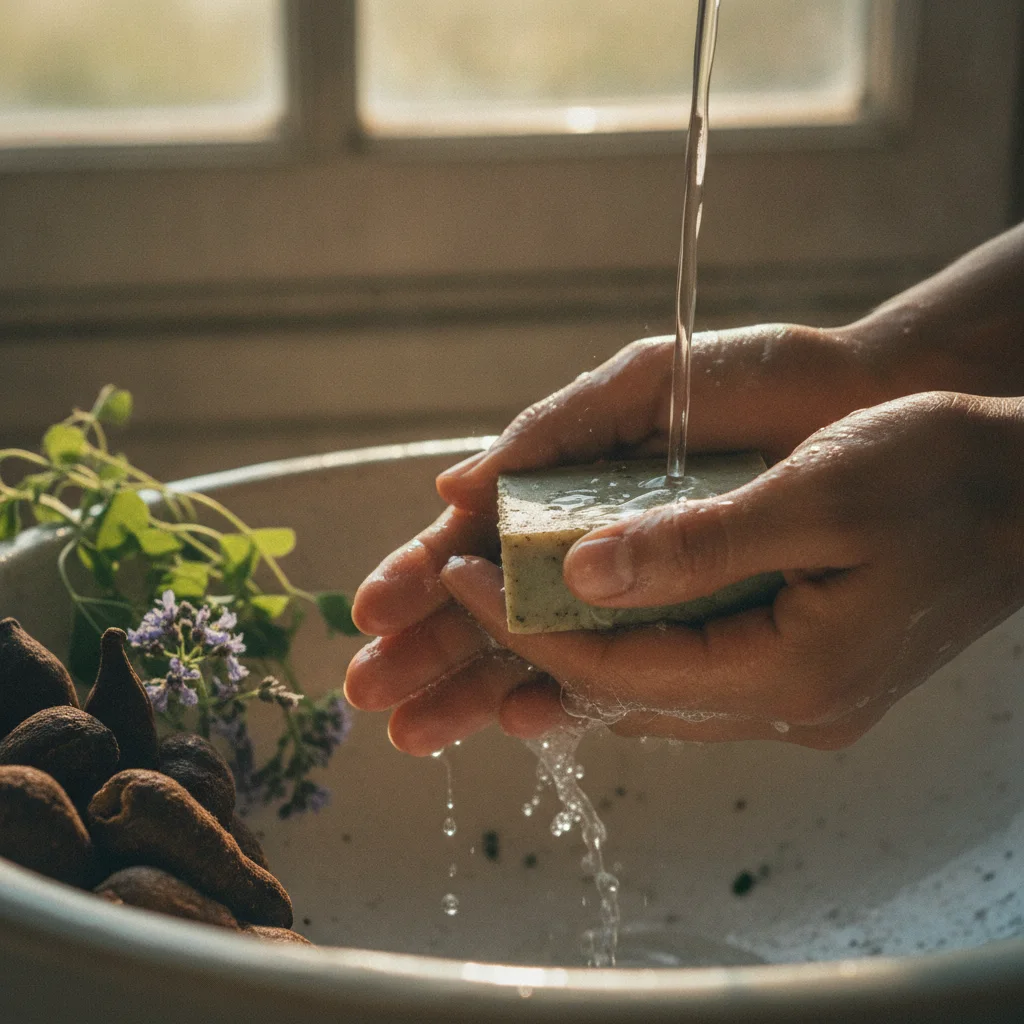
Concentration strategies and data-driven optimization
Concentration effects are not always linear; higher extract amounts may not yield proportional functional gains. Laboratory studies that systematically vary extract levels enable determination of effective inclusion rates for sensory attributes and for supporting the skin’s natural microbial balance. Those seeking insights into bioavailability optimization in wellness products may appreciate Best Organic Echinacea Supplement 2026: Non-GMO & Bioavailability Insights. Robust batch-to-batch controls remain essential to maintain consistent performance.
Stability, bioavailability, and quality control in botanical soap production
Preserving bioactive constituents requires process controls during extraction, formulation, and curing. Exposure to heat and alkaline conditions typical of saponification can alter certain phytochemicals. Approaches such as late-stage addition of concentrated extracts and validated mixing protocols support retention of target compounds.
Analytical and sensory quality control practices
Standardized assays for color, hardness, foam, and pH provide basic production controls. Complementary laboratory analyses—such as phytochemical profiling and stability testing—help document consistency. Sensory panels and consumer usability trials inform real-world acceptability and guide further formulation refinement. For a look at the role of analytics and user insight in wellness markets generally, see Inside-Out Wellness: Best Organic Beauty Gummies & Nutricosmetics for 2026.
Laboratory evaluation findings and practical interpretation
Recent laboratory work has evaluated experimental soap batches containing Tetrapleura tetraptera and Ageratum conyzoides extracts under controlled conditions. These studies reported differences in foam behavior, residue removal on test substrates, and effects on microbial population profiles in laboratory models. Such findings are informative for product development but should not be read as clinical claims. For more detail on laboratory research and methodologies, consult recent laboratory coverage. The same source provides additional guidance on extraction and testing protocols.
Interpreting laboratory results responsibly
Laboratory observations—such as enhanced residue removal in controlled tests or shifts in microbial balance in model systems—indicate formulation potential rather than guaranteed real-world outcomes. Soap is typically applied in diluted form and rinsed, so transfer and contact times differ from lab exposure. For a discussion of formulation approaches in advanced settings, consider Advancing Chronic Wound Management with MOFs and Natural Product Integration 2026. Further real-world and user-based studies are necessary to confirm practical benefits.
Safety, regulatory context, and consumer guidance for 2026
Safety assessment is central to responsible product development. Patch testing, repeat-insult protocols, and dermatological assessments provide evidence about skin compatibility across diverse user groups. Formulators should document raw material sourcing, extraction solvents, and analytical results to support labeling and consumer transparency.
Sourcing, traceability, and environmental responsibility
Choosing regionally abundant botanicals can reduce transport emissions and support local economies. Ethical harvest practices, clear traceability, and non-GMO status align with consumer priorities for sustainable personal care. To discover more about the evolution of sustainability in personal health markets, review Emerging Beauty and Wellness Trends: The Ultimate 2026 Non-GMO, Sustainable Guide. Process transparency—detailing extraction parameters and quality control measures—builds trust and supports product differentiation.

For additional background on the research trajectory and reporting, see this research summary and reporting.
Translating lab innovation into consumer-ready offerings
Bringing experimental formulations to market requires iterative refinement focused on safety, stability, and user experience. Manufacturers should prioritize standardized sourcing, validated extraction, and reproducible batch properties. Consumer feedback loops and expanded safety testing across skin types help identify optimal inclusion rates and labeling statements.
Formulation workflows that support scale and consistency
Key production controls include validated extraction SOPs, controlled addition points for extracts, and defined curing schedules. These steps support repeatable color, texture, foam, and pH across lots. Comprehensive documentation aids regulatory compliance and supports informed consumer communications.
Practical considerations for consumers and formulators
Consumers seeking botanical soaps should look for clear ingredient lists, evidence of quality control, and information about sustainable sourcing. Formulators should communicate extraction methods, concentration ranges, and recommended usage instructions. Both groups benefit from an emphasis on transparency and ongoing safety assessment. Interested readers exploring herbal trends and innovation in consumer care might also benefit from Herbal Toothpaste Market Trends and Insights: Best Organic Innovations by 2026.
Closing perspective: responsible innovation in botanical cleansing products
Research into Tetrapleura tetraptera and Ageratum conyzoides within herbal soap formulations illustrates how traditional botanicals can inform contemporary product design. Ongoing analytical work, user studies, and sustainability planning will determine how these extracts best fit mainstream product portfolios. Continued careful evaluation will allow formulators to responsibly translate lab promise into usable, well-documented consumer products.
Learn about best practices for sourcing, extraction, and formulation when exploring botanical inclusion in soap. Seek suppliers and technical partners who provide traceability, standardized extract testing, and transparent production protocols to support safe, high-integrity herbal soap formulations.
FAQs
-
How do Tetrapleura tetraptera and Ageratum conyzoides contribute to herbal soap formulations?
Extracts from Tetrapleura tetraptera and Ageratum conyzoides contribute phytochemicals such as flavonoids and saponins to soap formulations, supporting foam, texture, and skin surface interactions. For more on the science of bioactive botanicals, see Medicinal Plants with Anti-Proliferative Potential: Science-Driven 2026 Review.
-
What extraction methods help preserve botanical activity for soap making?
Low-temperature drying, controlled solvent extraction, and precise grinding help preserve heat-sensitive phytochemicals. Incorporating extracts at lower temperatures and after primary saponification steps can reduce degradation, as seen in trends reviewed in Herbals Market 2026-2035: Best Organic Trends, Sustainability & Non-GMO Reviews.
-
Are these botanical soaps safe for sensitive skin?
Safety depends on extract concentration, individual sensitivities, and product formulation. Patch testing and controlled user trials are recommended to assess compatibility. Transparency in ingredient reporting and adherence to regulatory practices, as emphasized in Emerging Beauty and Wellness Trends: The Ultimate 2026 Non-GMO, Sustainable Guide, helps inform consumer choices.
-
What does laboratory evaluation of botanical soaps typically measure?
Laboratory assessments of botanical soaps typically measure foam volume, cleansing efficacy, pH, hardness, color stability, and phytochemical retention. Advanced studies may assess microbial population changes. For a broader wellness science perspective, visit Inside-Out Wellness: Best Organic Beauty Gummies & Nutricosmetics for 2026.
-
How should formulators approach concentration selection for extracts?
Formulators should use data-driven, dose–response testing to identify extract inclusion rates that balance performance with stability. Higher levels do not always result in improved outcomes, so robust quality controls are essential. For more on product optimization, see Best Organic Echinacea Supplement 2026: Non-GMO & Bioavailability Insights.
-
What sustainability considerations matter when sourcing these botanicals?
Sustainability factors include ethical harvest practices, traceability, non-GMO status, and ecological impact. Choosing regionally abundant and certified sustainable botanicals helps reduce environmental footprints, a principle covered in African Heritage Diets and Traditional Plant Medicine: Modern Wellness Revolution 2026.
-
How do manufacturers ensure batch-to-batch consistency?
Standardized extraction SOPs, validated mixing processes, controlled curing, and analytical testing for color, pH, hardness, and phytochemical markers help achieve reliable product performance. Supplier and process documentation are key to safe, repeatable manufacturing and are discussed in How Ayurvedic Innovation Redefined Global Herbal Wellness in 2026.
-
Where can I find more information about the laboratory work that inspired these formulations?
For additional context on laboratory evaluations and reporting of these experimental formulations, consult the published coverage and methodology summary available at the research report: https://tribuneonlineng.com/ui-researchers-develop-herbal-soaps-to-fight-skin-infection-causing-germs/.