


Why Moringa, Ragi, and Amla Are the Best Organic Superfoods of 2026
Empowering Modern Nutrition: Practical Benefits of Moringa, Ragi, and Amla
The renewed attention on plant-rich diets in 2026 has shifted conversations toward accessible, nutrient-dense ingredients. Moringa, Ragi, and Amla are increasingly cited as versatile, non-GMO options that support everyday nutritional goals while aligning with sustainable sourcing practices. This article explains the nutritional profiles, culinary uses, sourcing considerations, and practical strategies for integrating these three botanicals into regular meals. For further perspective, consult this external review: desi superfoods overview.
How these ingredients fit into modern diets and lifestyles
This section clarifies why these ingredients are useful in contemporary meal planning, especially for people prioritizing whole-food nutrition and sustainability. Moringa, Ragi, and Amla each contribute distinct nutrient matrices that complement diverse dietary patterns. Selecting them thoughtfully increases the chance of meeting micronutrient needs and improving dietary variety.
Those interested in how plant-rich and heritage diets affect wellness may explore African Heritage Diets and Traditional Plant Medicine: Modern Wellness Revolution 2026 for more insights.
Nutrient profiles: what each plant brings to the table
Moringa: concentrated leaf nutrition for daily enrichment
Moringa leaf powders and whole forms provide a spectrum of plant-based vitamins and minerals, including provitamin A carotenoids, vitamin C, and plant iron. Its polyphenols and amino acid complement make it a practical additive for boosting nutrient density in small portions.
Regular culinary use can help diversify intake of micronutrients in plant-forward diets and is in line with trends noted in Emerging Beauty and Wellness Trends: The Ultimate 2026 Non-GMO, Sustainable Guide.
Ragi (finger millet): whole grain with mineral and fiber density
Ragi is valued for its prebiotic fiber, calcium content, and plant-derived amino acids. Its carbohydrate profile favors slower digestion compared with some refined grains, which supports sustained energy across meals.
Traditional and modern processing methods can help retain mineral availability and reduce nutrient loss during milling—a consideration echoed in Manjistha Extract Market Trends, Sustainability, and Bioavailability Insights for 2026.
Amla: high natural vitamin C and antioxidant matrix
Amla (Indian gooseberry) is notable for naturally occurring vitamin C and a mix of polyphenols and tannins. These phytonutrients contribute to antioxidant capacity when consumed within whole-food contexts.
Culinary uses of Amla can increase intake of vitamin C from whole-food sources rather than synthetic fortification. For additional reading on these ingredients in contemporary culinary contexts, see this overview: desi superfoods overview.
Bioavailability and synergy
Pairing plant foods can improve absorption of certain nutrients. For example, vitamin C from Amla can support non-heme iron uptake when consumed alongside iron-containing plants such as Moringa or Ragi. Thoughtful combinations enhance the functional benefit of whole-food meals without relying on synthetic additives.
The importance of Bioavailable Herbal Supplements: Optimizing Cellular Wellness in 2026 is reflected in choosing ingredient synergies for better absorption.
Sustainable sourcing and processing
Choose options that emphasize regenerative agriculture, transparent processing, and low-heat or traditional milling to preserve nutrient integrity. Non-GMO production is a common expectation for these botanicals; verify documentation or supplier transparency when possible.
Sustainable sourcing supports ecological outcomes and local agricultural communities, echoing principles from Herbal Beauty Products Market Trends: Bioavailable, Organic, and Sustainable Solutions 2026.
Culinary applications: practical daily uses
Quick ideas for Moringa
- Stir 1–2 teaspoons of Moringa leaf powder into smoothies, soups, or savory porridges. Use measured amounts to balance flavor.
- Add chopped fresh leaves to salads or lentil stews near the end of cooking to retain nutrients.
Simple Ragi preparations
- Use stone-ground or low-heat-milled Ragi flour for porridges, pancakes, or flatbreads. Mix with other flours for texture and flavor balance.
- Prepare overnight Ragi porridge with milk or plant milk and seeds for a high-fiber breakfast option.
Everyday Amla uses
- Incorporate fresh or powdered Amla into chutneys, herbal teas, or savory spice mixes to add vitamin C and tang.
- Use small amounts of dried Amla powder in dressings or marinades to boost acidity and micronutrient content.
For readers exploring herbal beverages or looking for ingredient variety in daily consumption, refer to Herbal Tea: Best Organic Rituals and Bioavailable Benefits for 2026, which includes applications for botanicals like Amla.
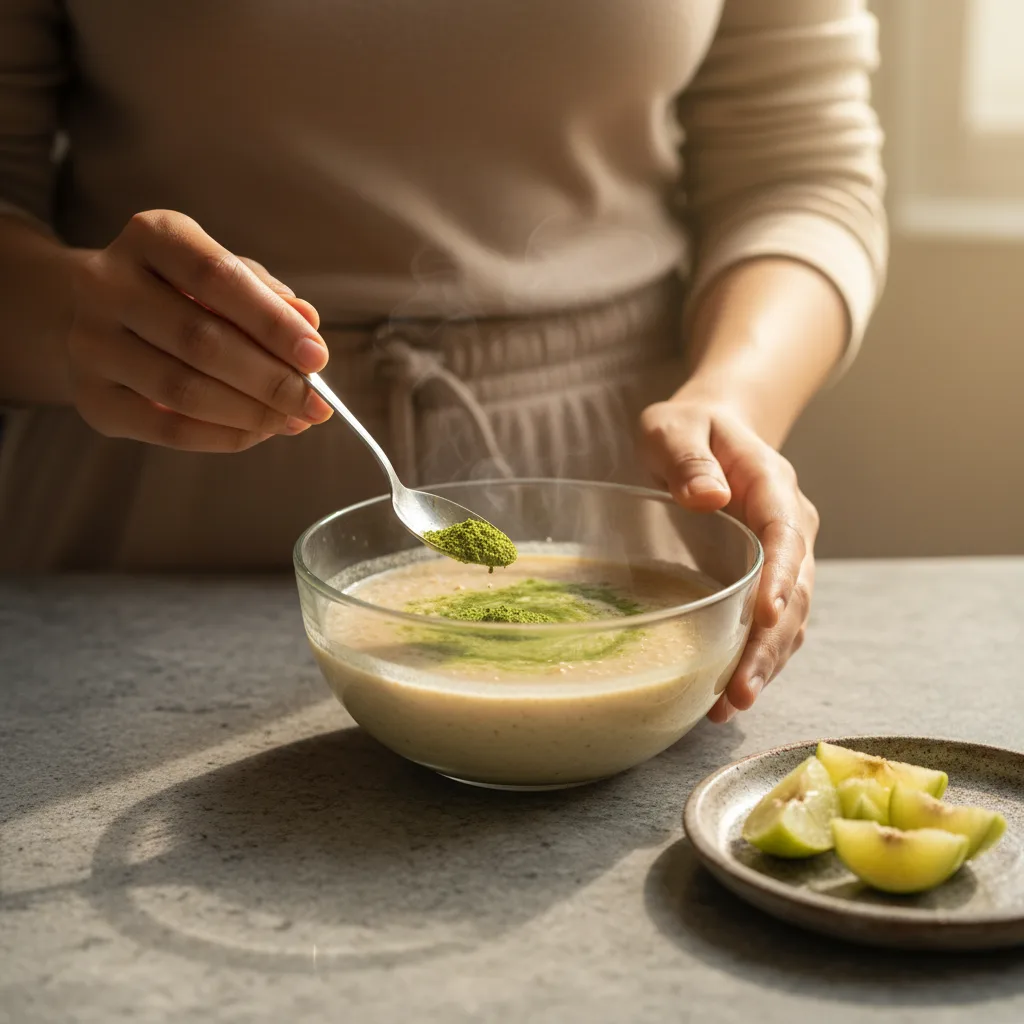
Processing and preparation tips to preserve nutrients
Low-heat processing and minimal refinement help retain heat-sensitive vitamins and phytonutrients. For home preparation, rapid cooking at lower temperatures and adding heat-sensitive ingredients toward the end of cooking preserve nutrient content.
Store powders in airtight, cool, dark conditions to maintain stability. Advice on nutrient retention aligns with concepts found in Are Daily Supplements Overhyped? 2026 Guide for Informed Choices, which emphasizes food-based nutrition over excess supplementation.
Practical selection guide: choosing quality ingredients
Look for supplier transparency on cultivation and processing. Certificates for organic production or third-party testing information can support selection, but absence of a certificate does not automatically indicate poor quality.
Consider small-batch and community-sourced options where possible, and prioritize non-GMO and regenerative farming practices. See the broader context of market transparency and consumer preferences in Herbal Supplements Market Trends, Segmentation, and Innovations 2026.
Safety, interactions, and sensible usage
These botanicals are primarily used as food ingredients. Individuals with specific medical conditions or those taking prescription medications should consult a healthcare professional or registered dietitian before making major dietary changes. Start with small servings to assess tolerance and monitor for any digestive or allergic reactions.

Recipes and meal planning: building a week of variety
Plan to rotate Moringa, Ragi, and Amla across meals rather than relying on a single ingredient. For example, use Ragi porridge for breakfast, a Moringa-enriched lentil dish for lunch, and Amla chutney with dinner. Rotating sources of micronutrients helps support long-term dietary variety and culinary enjoyment.
Measuring impact: tracking nutritional goals
Keep a simple food log to track how frequently you use these ingredients, portion sizes, and variety within meals. Pair usage with routine dietary assessments from reputable sources or with a registered dietitian to align food choices with individualized nutrition goals.
Forward-looking considerations for 2026 and beyond
The emphasis in 2026 is on foods that combine nutritional value with sustainable practice. Moringa, Ragi, and Amla exemplify this shift when sourced and prepared responsibly. Continued research into nutrient bioavailability and culinary adaptations will refine best practices for integrating these botanicals into everyday eating. For a current review of regional trends and sourcing practices, refer to this resource: desi superfoods overview.
Practical next steps
Introduce one of the three ingredients at a time and experiment with small recipes over two weeks. Observe how these additions affect meal satisfaction and variety. Use supplier transparency and processing methods as selection criteria, and consult a dietitian for personalized guidance if you have specific dietary needs.
Integrate Moringa, Ragi, and Amla into your meal planning by starting with small, measured additions and rotating use across the week. Prioritize suppliers that share cultivation and processing details for sustainable, non-GMO sourcing. If you have specific health conditions or take regular medications, consult a registered dietitian or healthcare professional for personalized guidance. Learn more via current sourcing and trend summaries: https://english.dainikjagranmpcg.com/life-style/desi-superfoods-2026-why-moringa-ragi-amla-are-beating/article-14960.
FAQs
-
Why are Moringa, Ragi, and Amla highlighted as top organic superfoods in 2026?
Moringa, Ragi, and Amla are highlighted because they combine diverse nutrient profiles with sustainable cultivation practices. Each offers different strengths—leaf-based vitamins and amino acids in Moringa, mineral-rich fiber in Ragi, and high natural vitamin C in Amla—making them practical additions to plant-forward diets focused on nutrient density and ecological considerations. Their importance is increasing in the context of Emerging Beauty and Wellness Trends: The Ultimate 2026 Non-GMO, Sustainable Guide.
-
How can I add Moringa, Ragi, and Amla to daily meals without changing my routine significantly?
Start small: sprinkle Moringa powder into smoothies, use Ragi flour for porridge or pancakes, and add Amla powder to chutneys or dressings. Rotating these ingredients across breakfasts, lunches, and snacks provides variety and makes integration easy without dramatic dietary changes or specialized equipment. For more inspiration, see Herbal Tea: Best Organic Rituals and Bioavailable Benefits for 2026.
-
Are there processing methods that preserve the nutrients in Moringa, Ragi, and Amla?
Yes. Low-heat drying and stone-ground or low-temperature milling help retain heat-sensitive vitamins and phytonutrients. Minimal refinement and airtight storage in cool, dark conditions also reduce nutrient loss. Seek suppliers that describe their processing methods for the best chance of nutrient preservation. See also Manjistha Extract Market Trends, Sustainability, and Bioavailability Insights for 2026.
-
Do Moringa, Ragi, and Amla work well together in recipes?
They can be complementary. For example, Amla’s vitamin C supports iron absorption from plant sources like Moringa and Ragi. Blending them into balanced meals—such as a Ragi porridge with Moringa-enriched milk and Amla chutney—boosts nutrient variety while maintaining enjoyable flavors.
-
How should I evaluate the sustainability claims for these superfoods?
Look for transparency on farming practices, water use, soil health measures, and third-party organic certifications where available. Supplier information about regenerative practices, fair procurement, and non-GMO production helps indicate lower ecological footprint and higher social value. For more on market and product claims, visit Herbal Supplements Market Trends, Segmentation, and Innovations 2026.
-
Are these ingredients appropriate for vegetarian and gluten-sensitive diets?
Yes. Ragi is naturally gluten-free and fits well in vegetarian diets along with plant-based Moringa and Amla. They offer plant proteins, fiber, and micronutrients that align with plant-forward dietary patterns, though individuals should monitor for personal tolerances and allergens. For more gluten-free options, see Winter Comfort Foods for Radiant Skin: Best Organic Nutrition Strategies 2026.
-
Is there a recommended serving approach to avoid overuse of concentrated powders?
Use measured portions and introduce powders gradually. Start with small amounts—such as 1 teaspoon of Moringa powder or 1–2 tablespoons of Ragi flour per serving—and observe tolerance. Balanced meals that include whole foods, protein, and healthy fats reduce the need for large concentrated servings. For a holistic approach, consult Are Daily Supplements Overhyped? 2026 Guide for Informed Choices.
-
Can these botanicals replace a varied diet or clinical nutrition guidance?
No single ingredient replaces a varied diet or individualized professional guidance. Moringa, Ragi, and Amla can complement a diverse eating pattern, but personalized nutrition needs should be discussed with a registered dietitian or qualified health professional for tailored recommendations.
-
How should I store Moringa, Ragi, and Amla products to maintain quality?
Store powders and flours in airtight containers away from light, heat, and moisture. Refrigeration is rarely necessary but can be helpful in warm, humid climates. Use within recommended shelf-life windows and inspect for off-odors or moisture before use.
-
Where can I find more practical, region-specific guidance about these ingredients?
Look for reputable culinary and agricultural resources, local extension services, or nutrition professionals who publish region-specific guidance. For an overview of recent trends and sourcing practices, review current articles such as this regional summary: https://english.dainikjagranmpcg.com/life-style/desi-superfoods-2026-why-moringa-ragi-amla-are-beating/article-14960.