

Papaya Leaf Extract for Chemotherapy-Induced Thrombocytopenia: Evidence and Best Practices 2026
Strategic Use of Papaya leaf extract for Platelet Support During Oncology Care
Papaya leaf extract platelet support is increasingly discussed as a complementary option for people experiencing low platelet counts associated with systemic oncology treatments. This article summarizes recent randomized clinical findings, mechanistic science, sourcing best practices, and practical selection criteria to help clinicians and informed consumers evaluate high-quality, evidence-aligned botanical options.
Clinical Evidence and Practical Implications for Platelet Support
A Phase III randomized trial reported in 2026 evaluated a standardized papaya leaf extract in adults receiving systemic oncology treatments who had low platelet counts. The study compared extract versus placebo alongside standard supportive measures and observed a faster restoration of platelet levels in the extract group, with fewer treatment schedule interruptions reported in study summaries. For primary source material and study details, see the official summary at Press Information Bureau.
These findings do not imply a definitive medical intervention but indicate that papaya leaf extract may support healthy platelet recovery kinetics in specific clinical settings. Clinicians and patients considering adjunctive botanical use should interpret results within individual clinical contexts and consult qualified healthcare professionals before integrating supplements into care plans.
For more about the latest market changes impacting papaya leaf extracts, including innovation and regulatory trends, see Papaya Leaf Extract Market: Bioactive Trends & Sustainable Growth Insights 2026.
How Papaya Leaf Extract May Support Healthy Platelet Function
Papaya leaf extracts contain a complex array of phytochemicals that can influence physiological pathways linked to cellular renewal and hemostatic balance. Key constituents include alkaloids (such as carpaine), flavonoids (including quercetin derivatives), and proteolytic enzymes (such as papain). These compounds are associated with antioxidant support, membrane stabilization, and modulation of cellular signaling relevant to platelet biology.
Mechanistic studies propose that the phytochemical matrix in whole-leaf extracts can act synergistically to promote cellular resilience and support pathways that help maintain healthy platelet levels. For clinicians exploring the contribution of botanicals with demonstrated history in oncology support, see Integrating Traditional East Asian Herbal Therapies for Oncology Support: Best Practices & 2026 Insight.
While mechanistic data are promising, these should be aligned with clinical evidence and quality-controlled formulations to ensure consistent outcomes. Individuals seeking optimal nutritional and supplemental synergy may also benefit from understanding how Bioavailable Herbal Supplements: Optimizing Cellular Wellness in 2026 are formulated for maximum absorption.
Extraction, Standardization, and Bioavailability Considerations
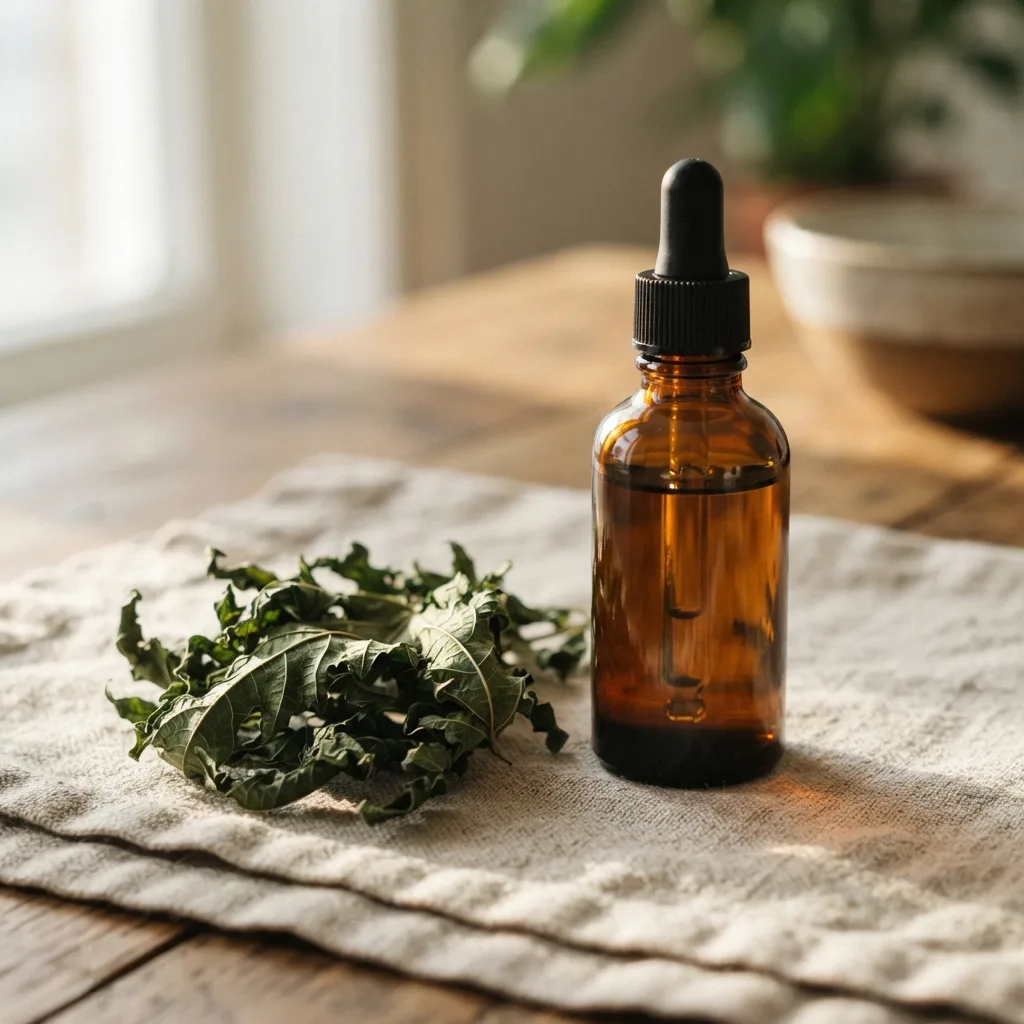
Not all papaya leaf extracts are equivalent. Extraction technique, standardization for target phytochemicals, and formulation strategy strongly influence bioavailability and reproducibility.
- Extraction: Methods such as aqueous-ethanolic extraction and supercritical CO2 can preserve a broad spectrum of phytonutrients when optimized for temperature and solvent polarity.
- Standardization: Consistent batch-to-batch levels of marker compounds (e.g., quantified carpaine and key flavonoids) improve predictability of supportive effects.
- Delivery systems: Micronization, encapsulation, and advanced dispersion technologies can enhance gastrointestinal uptake of phytonutrients, supporting more reliable bioavailability.
When assessing products, prioritize third-party testing for potency and contaminants and look for clear documentation of extraction method and marker compound concentrations. For broader market context on organic and non-GMO growth trends in Herbal Extracts Market Outlook 2026: Best Organic and Non-GMO Growth Trends, consider how sourcing integrity impacts both safety and efficacy.
Sourcing Integrity: Organic, Non-GMO, and Sustainable Practices
Sourcing directly affects phytochemical profiles and ethical considerations. Opt for extracts derived from organic, non-GMO papaya leaf grown with regenerative agricultural principles when available.
- Soil health and biodiversity: Farms following regenerative practices often yield plants with balanced secondary metabolite production.
- Traceability: Transparent supply chains with farm-to-extract documentation reduce adulteration risk and support reproducible clinical outcomes.
- Contaminant control: Independent testing for heavy metals, pesticide residues, and microbial contaminants is essential to ensure safety and consumer confidence.
The sustainability of herbal supplements is increasingly tied to market demands for transparency. You can explore overlapping issues in eco-ethical supply chains in Adaptogens Market Expansion: Sustainable Sourcing & Bioavailable Trends 2026.
Sourcing that prioritizes ecological stewardship also supports equitable access and aligns with broader public health goals. These principles are now central to the newest regulatory standards, as described in the Manjistha Extract Market Trends, Sustainability, and Bioavailability Insights for 2026.
Integrative Use and Safety Profile
Clinical summaries from recent trials indicate a favorable tolerability profile for standardized papaya leaf extract in study populations, with few serious adverse events reported. Common considerations for integrative use include potential herb–drug interactions, allergenicity in sensitive individuals, and variability in individual responses.
Before integrating any extract into care routines, individuals should consult with qualified healthcare professionals who can review concurrent medications, hematological status, and overall treatment objectives. Laboratory monitoring and coordination with treating teams help ensure safe, evidence-informed use. If seeking safe integration of botanicals, it’s valuable to review best practices discussed in Best Practices for Safe Herbal Remedy Use: 2026 Insights for Clinicians and Wellness Seekers.
For a concise summary of trial communications and study conclusions, see the official press summary.
Evaluative Checklist for Choosing a Clinical-Quality Papaya Leaf Extract
Use this practical checklist when evaluating formulations intended for platelet support in the context of systemic oncology care:
- Standardization: Confirm quantified marker compounds (carpaine, major flavonoids).
- Third-party analysis: Look for independent certificates of analysis covering potency and contaminants.
- Clear labeling: Extraction method, batch number, and recommended use should be on the label.
- Bioavailability features: Encapsulation, micronization, or dispersion technology noted.
- Sustainability credentials: Organic, non-GMO, and traceability documentation.
- Manufacturing quality: GMP adherence and sterility/contaminant testing.
For additional reading on botanicals widely used for immunity, visit Exploring Nature’s Potential: Top 5 Herbal Products for Immunity. This can help guide product selection for holistic care.
Research Directions and Practical Research Literacy
Ongoing studies are refining optimal dosing windows, standardization targets, and mechanistic pathways that explain observed clinical signals. Future research priorities include multi-center trials, pharmacopeial monographs for marker compounds, and comparative bioavailability studies of whole-leaf versus isolated constituents.
Clinicians and purchasers should favor products and studies that publish methodology, standardization metrics, and independent analytic verification to support informed decision-making. Those pursuing new advances in plant-based supplement innovation may find Revolutionizing Natural Product Research: Automated Plant Analysis for 2026 valuable for understanding how quality is being insured at every stage.

Practical Guidance for Clinicians and Informed Consumers
- Discuss botanical adjuncts during multidisciplinary care planning to align with therapeutic goals.
- Prioritize products with peer-reviewed clinical data and transparent manufacturing records.
- Monitor laboratory values and clinical status regularly when adjunctive botanicals are in use.
- Consider the sustainability and traceability credentials of supply chains as part of quality assessment.
Sustainability and transparency are themes underpinning many natural health markets. For related strategies, see African Heritage Diets and Traditional Plant Medicine: Modern Wellness Revolution 2026.
Responsible Communication and Ethical Considerations
Communicate botanical options in a balanced, evidence-aligned way that emphasizes supportive potential rather than implying disease-specific cures or guaranteed outcomes. Avoid language that suggests replacement of conventional therapies; instead, frame botanicals as possible complementary supports to be evaluated collaboratively with care teams.
Summary: Evidence-Informed, Quality-Focused Use of Papaya Leaf Extract for Platelet Support
Papaya leaf extract platelet support represents a promising adjunct avenue for supporting healthy platelet balance in certain clinical contexts associated with systemic oncology treatments. When selected with attention to standardization, bioavailability, and sourcing integrity, standardized whole-leaf extracts can be integrated into evidence-informed, patient-centered care plans under professional guidance.
For primary-source details of the 2026 randomized trial and official communications, review the press summary.
If you are considering papaya leaf extract as a complementary support for healthy platelet balance during systemic oncology treatments, consult a qualified healthcare professional. Prioritize standardized, third-party tested, and transparently sourced extracts, and review peer-reviewed evidence and clinical summaries before integrating botanicals into care plans.
FAQs
-
How does papaya leaf extract support healthy platelet levels during oncology care?
Papaya leaf extract contains phytochemicals—such as carpaine and flavonoids—that may support cellular pathways involved in platelet renewal and membrane stability. Clinical summaries suggest the extract can assist the body’s normal recovery of platelet counts in some settings, but it should be used under professional guidance and alongside standard medical oversight. Additional details on standardized botanicals may be explored in the Papaya Leaf Extract Market: Bioactive Trends & Sustainable Growth Insights 2026.
-
What should I look for on a label when choosing papaya leaf extract?
Choose extracts with clear standardization for marker compounds, third-party certificates of analysis, labeled extraction methods, batch numbers, and GMP manufacturing statements. Products that document organic, non-GMO sourcing and contaminant testing provide added assurance of quality and consistency. See the checklist provided above for specific criteria.
-
Are there safety concerns or interactions with other therapies?
Clinical summaries report a generally favorable tolerability profile, but potential herb–drug interactions and individual hypersensitivities can occur. Consult a qualified healthcare professional to review concurrent medications, monitor laboratory values, and determine appropriateness in each individual clinical context. Recommendations for careful use can be found in Best Practices for Safe Herbal Remedy Use: 2026 Insights for Clinicians and Wellness Seekers.
-
Why is standardization important for papaya leaf extracts?
Standardization ensures consistent levels of target phytochemicals across batches, which supports predictable biological activity and reproducible outcomes. Without standardization, potency and composition can vary widely between suppliers and harvests. Learn how it’s transforming the wider market in Herbal Extracts Market Outlook 2026: Best Organic and Non-GMO Growth Trends.
-
Does extraction method affect the efficacy of papaya leaf extracts?
Yes. Extraction methods (aqueous-ethanolic, supercritical CO2, etc.) and formulation technologies such as micronization or encapsulation influence which phytonutrients are preserved and how bioavailable they are, affecting the consistency of supportive effects. This is also discussed for various botanicals in Bioavailable Herbal Supplements: Optimizing Cellular Wellness in 2026.
-
Can sustainably sourced papaya leaf extracts make a difference?
Sustainable and regenerative farming practices can improve plant health and phytochemical balance, while supply-chain transparency reduces adulteration risk. Ethical sourcing also supports environmental and community health, improving long-term access to quality botanicals. For more, see Adaptogens Market Expansion: Sustainable Sourcing & Bioavailable Trends 2026.
-
How should clinicians integrate papaya leaf extract into care plans?
Clinicians should evaluate existing evidence, review product standardization and testing, discuss potential benefits and risks with patients, and coordinate monitoring of hematological markers. Integration should emphasize complementing—not replacing—standard supportive measures.
-
Where can I find primary information about recent clinical studies on papaya leaf extract?
Primary-source summaries and official communications for the 2026 randomized trial are available via the published press summary. Review study documentation and peer-reviewed publications to assess methodology, endpoints, and applicability to individual care contexts.