
Unlocking Practical Insights on Elderberry and Blood Pressure for Heart Support
Elderberry and blood pressure is a primary concern for many wellness-minded adults seeking botanical options that complement a heart-focused routine. This article summarizes recent mechanistic research, human data limitations, and practical steps for choosing high-quality elderberry ingredients that may support vascular resilience. It is written to guide informed decisions rather than to recommend clinical treatment choices.
How current science frames elderberry and blood pressure for informed choices
Elderberry’s nutrient profile—rich in anthocyanins and polyphenols—anchors most hypotheses about how it may support healthy vascular function. These compounds have antioxidant activity and can influence cellular signaling relevant to endothelial responsiveness. However, human clinical evidence that elderberry causes consistent changes in blood pressure is limited, so framing expectations around supportive vascular effects is most accurate. Many antioxidant-rich botanicals, including elderberry, are featured in traditional medicinal plants for men’s health, which also highlights their role in preservation and bioactive synergy.
Key elderberry constituents that support vascular function
Anthocyanins and other polyphenols are central to elderberry’s activity. They act as antioxidants that can modulate oxidative processes in vascular tissue. Research demonstrates mechanistic pathways such as modulation of nitric oxide signaling and antioxidant defense enzymes. Such pathways provide a plausible biological basis for elderberry’s role in promoting vascular flexibility under some conditions, similar to insights found in plant extracts market outlook 2026 discussing bioavailability and sourcing benefits of plant-based ingredients.
Mechanisms relevant to vascular tone and circulatory resilience
Laboratory studies show elderberry components can influence nitric oxide bioactivity, which is a foundational signaling molecule for vasodilation. Antioxidant and anti-inflammatory nutrient profiles can support endothelial cell health and reduce oxidative stress that otherwise impairs vessel flexibility. These mechanisms are plausible contributors to vascular resilience but do not equate to definitive clinical changes in blood pressure for all populations. For those seeking products that optimize cellular wellness, examining bioavailable herbal supplements can be useful for understanding absorption and efficacy.
Interpreting animal and preclinical findings responsibly
Animal models have demonstrated that concentrated elderberry extracts affect vascular reactivity and oxidative markers under experimental conditions. These studies provide mechanistic clues but also involve doses and formulations that differ from consumer products. Therefore, preclinical results should be treated as informative yet not determinative for human outcomes.
What controlled human studies currently say about elderberry and blood pressure
Small-scale human trials and randomized studies examining direct effects on blood pressure are sparse. Where human data exist, findings commonly suggest that elderberry consumption supports antioxidant status and is generally well tolerated, without consistent evidence of significant reductions in systolic or diastolic readings. For a lay summary of recent human research and review context, refer to this overview: Verywell Health elderberry and blood pressure summary. Additional trial details and meta-analytic context remain under active investigation.
Practical implications for people interested in vascular support
Integrating elderberry as part of a diet rich in vegetables, whole grains, and healthy fats may bolster overall antioxidant intake. Elderberry can be considered a complementary nutritional element that may promote endothelial health through its polyphenolic content. Individuals should not expect the herb to replace medical monitoring or prescribed cardiovascular regimens. Incorporating a diversity of botanicals, outlined among superfood market growth, supports a comprehensive dietary strategy.
Choosing elderberry ingredients with optimal bioavailability and integrity
Extraction method, freshness of the starting material, and formulation cofactors influence how effectively elderberry constituents are absorbed. Cold-extraction and water-based processes tend to preserve delicate anthocyanin structures. Formulations that combine elderberry with vitamin C or other bioavailability cofactors can support nutrient uptake. Verify third-party testing for identity, heavy metals, and microbial contaminants to reduce quality risk. Learn more about industry-wide focus on manjistha extract market trends, sustainability, and bioavailability insights to see parallels in botanical ingredient standards.

Safety considerations and proper product forms
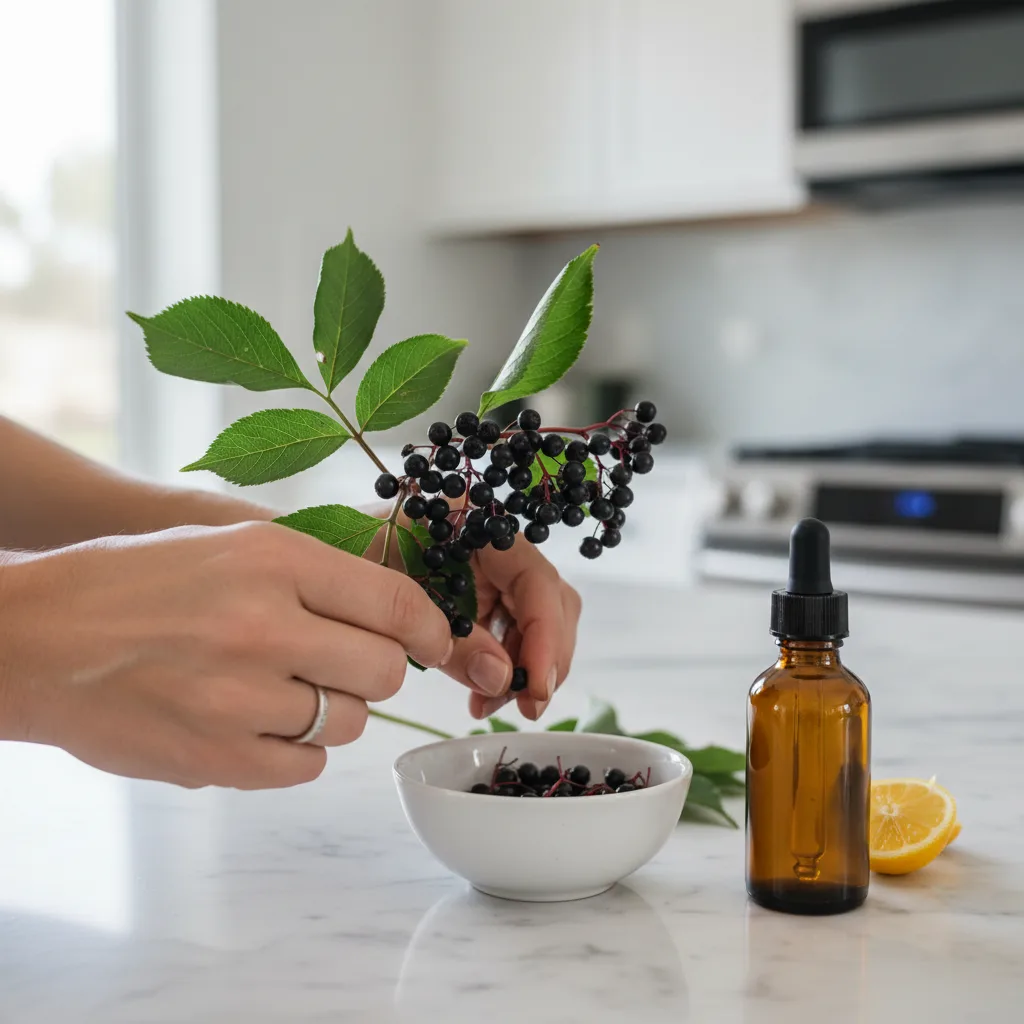
Only properly processed elderberry preparations are intended for ingestion; raw berries, stems, or leaves contain compounds that can cause gastrointestinal upset. Most commercial elderberry preparations are heat-processed or enzymatically stabilized to ensure safety. Consumers should follow label dosing, monitor personal tolerance, and consult a qualified healthcare professional when combining botanicals with prescription medications. If you are considering herbal detox options, always review are herbal detox supplements safe? for deeper insight into safety and ingredient selection.
How to evaluate product labels and sourcing claims
Look for transparent manufacturing disclosures and third-party certificates for potency and contaminant testing. Organic and non-GMO declarations can align with certain sourcing preferences, though these labels do not guarantee clinical effectiveness. Ethical and sustainable harvesting descriptions indicate stewardship of wild or cultivated populations and should be weighed alongside laboratory-based quality testing. Emerging discussions on natural food innovation and category growth may help inform label reading skills for those navigating supplement choices.
Integrating elderberry and lifestyle strategies for vascular wellbeing
Elderberry is most effective as a complement to proven lifestyle practices. Regular physical activity, dietary patterns that support healthy lipids and glucose metabolism, sleep optimization, and stress management remain central to vascular health. Use elderberry to enhance antioxidant variety rather than as a primary strategy for modifying clinical cardiovascular markers. Trending wellness approaches, including USDA-certified organic single-herb teas, may offer additional plant-based support within a holistic lifestyle.
Research priorities and the path to clearer evidence
Important research needs include larger randomized controlled trials in diverse human populations, standardized extraction and dosing methodologies, and long-term safety assessments. Harmonizing measurement endpoints (e.g., endothelial function assays, ambulatory blood pressure monitoring) will improve comparability. For a synopsis of ongoing reviews and human studies, see this accessible resource: Verywell Health elderberry and blood pressure summary.
Practical checklist: selecting and using elderberry responsibly
- Choose products with documented third-party testing for identity and contaminants.
- Favor gentle extraction methods that preserve anthocyanins and polyphenols.
- Start with label-recommended servings and monitor tolerance.
- Discuss herbal supplements with a healthcare professional if you are taking prescription medications.
For product research and study summaries in consumer-friendly language, this review can be helpful: Verywell Health elderberry and blood pressure summary.
Bottom line: realistic expectations for elderberry and blood-pressure-centered decisions
Elderberry contains bioactive nutrients that plausibly support vascular resilience and endothelial health. Current human clinical evidence does not consistently show measurable, clinically meaningful reductions in blood pressure. Therefore, the herb is best framed as a supportive nutritional component within a comprehensive lifestyle approach aimed at maintaining circulation and cardiovascular well-being.
Looking for reliable elderberry ingredients? Choose products with transparent sourcing, third-party testing, and gentle extraction methods. Integrate elderberry as part of a balanced diet and consult a qualified healthcare professional before combining supplements with prescription therapies.
FAQs
1. Does elderberry directly lower blood pressure in people?
Current human trials do not consistently demonstrate that elderberry causes meaningful reductions in blood pressure. Evidence supports its antioxidant effects and potential contributions to vascular health, but elderberry should be viewed as a complementary nutritional option rather than a direct blood pressure intervention. If you are interested in other supplements that impact overall wellness, see the 9 essential supplements for women over 40.
2. How does elderberry support vascular health without changing blood pressure readings?
Elderberry’s anthocyanins and polyphenols support antioxidant defenses and endothelial signaling such as nitric oxide pathways. These mechanisms help maintain vessel flexibility and cellular resilience, which supports vascular health without necessarily producing consistent changes in clinic-measured blood pressure.
3. Are there safety concerns with taking elderberry supplements?
Properly processed elderberry preparations are typically well tolerated. Raw berries, leaves, or stems may cause gastrointestinal upset. Choose products with third-party testing, follow label directions, and consult a qualified healthcare professional if you take prescription medications or have underlying health considerations. For additional tips on supplement safety, review are herbal detox supplements safe?
4. What extraction methods preserve elderberry’s active compounds?
Gentle, low-heat, or water-based extraction processes and cold-press methods tend to better preserve anthocyanins and polyphenols. Formulations that avoid harsh solvents and use stabilizing cofactors can improve retention of bioactive compounds and overall product quality.
5. Can elderberry interact with prescription medications?
Although major interactions are uncommon, any botanical can affect medication metabolism or therapeutic balance in individual cases. Discuss elderberry use with a qualified healthcare professional, especially if you are on cardiovascular or immunomodulating medications, to ensure safe, personalized integration.
6. How should I select a high-quality elderberry supplement?
Prioritize transparency: look for third-party testing, clearly described extraction methods, and contaminant screening. Organic and non-GMO labels align with some sourcing preferences. Confirm that the product specifies safe, processed fruit-only ingredients rather than raw plant parts. For more sourcing and label tips, you can also explore natural food innovation and category growth.
7. Is elderberry appropriate for long-term daily use?
Long-term use of elderberry appears generally well tolerated in typical supplement dosages, but long-duration safety data remain limited. Periodic reassessment of necessity, sourcing, and product quality is advisable, and consult a healthcare professional for ongoing use decisions.
8. What role should elderberry play in a heart-focused wellbeing plan?
Elderberry can be a complementary antioxidant-rich addition to a diet and lifestyle strategy that includes exercise, sleep, and balanced nutrition. It supports overall vascular resilience but should not displace medical monitoring, prescribed therapies, or evidence-based cardiovascular prevention practices. For more details about integrating various plant-based strategies, see herbal tea: best organic rituals and bioavailable benefits for 2026.