

Optimizing Cadmium Uptake Management with Tailored Biochar in 2026: Meta-Analysis Insights
How tailored herbaceous biochar supports reduced cadmium bioavailability in soils
Tailored herbaceous biochar is an engineered soil amendment that can support reduced cadmium bioavailability in agricultural and medicinal cropping systems. This article synthesizes 2026 meta-analysis insights and practical guidance for production, feedstock selection, and field application. The primary objective is to help land stewards adopt approaches that support soil resilience while aligning with organic and sustainability goals.
Mechanisms: how tailored herbaceous biochar reduces cadmium bioavailability
Understanding how tailored herbaceous biochar acts in soil helps growers apply it more effectively. The material’s porous carbon matrix and surface functional groups interact with free cadmium ions through adsorption, complexation, and changes to soil chemistry. These mechanisms can lower the pool of cadmium that is mobile and available for plant uptake, supporting safer crop production practices without implying absolute elimination of contaminants. Those interested in broader sustainable crop production solutions may find herb & spice extracts market insights informative.
Physicochemical interactions that enhance cadmium binding
When amended to soil, tailored herbaceous biochar can increase local pH, add binding sites, and raise cation exchange capacity. These changes promote the retention of cadmium on solid phases rather than its presence in soil solution. Carefully controlled pyrolysis conditions also change surface functional groups and porosity, influencing the balance between immediate adsorption and longer-term immobilization. This mirrors the approach seen in many superfood market growth strategies, where sustainability and chemistry are balanced for optimum outcomes.
Microbial and structural benefits beyond metal binding
Beyond direct adsorption, tailored herbaceous biochar supports soil structure and microbial niches. Increased soil organic matter and improved moisture retention may indirectly influence cadmium mobility by supporting microbial populations that transform soil chemistry. These secondary benefits contribute to improved nutrient availability and overall soil function—key concepts also reflected in herbal remedies for cellular support.
Meta-analysis summary: practical implications from aggregated data
A comprehensive meta-analysis of controlled experiments and field trials has clarified the production and application variables most consistently associated with reductions in cadmium bioavailability. Across multiple studies, carefully tailored herbaceous biochar was associated with meaningful shifts in soil properties and plant accumulation metrics when matched to site-specific conditions.
Key aggregated outcomes and effect sizes
Synthesis findings indicate average improvements in soil chemical properties and reductions in plant-available cadmium concentrations when appropriate biochar types and application rates were used. Reported benefits included increases in pH, cation exchange capacity, and soil organic matter, alongside decreases in extractable cadmium and reductions in plant accumulation under many trial conditions. These findings parallel trends in the U.S. complementary and alternative medicine market, highlighting a move toward evidence-based natural interventions.
Interpreting variability across studies
Outcomes vary due to differences in initial soil chemistry, contaminant speciation, biochar feedstock, pyrolysis conditions, and application rates. Meta-analysis emphasizes that tailored herbaceous biochar is not a one-size-fits-all solution; instead, optimization requires alignment of production conditions with local soil characteristics and crop needs.
Production parameters: how processing influences performance
Specific production choices strongly shape the properties of tailored herbaceous biochar and its ability to support reduced cadmium bioavailability. This is also true in emerging areas like the herbal extracts market outlook, where resource selection and processing define efficacy and sustainability.
Temperature, residence time and surface chemistry
Moderate pyrolysis temperatures in the 401–500°C range and residence times around 3–4 hours were frequently associated with a favorable balance of porosity and reactive surface functional groups. These processing windows help form stable aromatic structures while retaining oxygen-containing groups that can interact with metal ions.
Feedstock selection: advantages of herbaceous residues
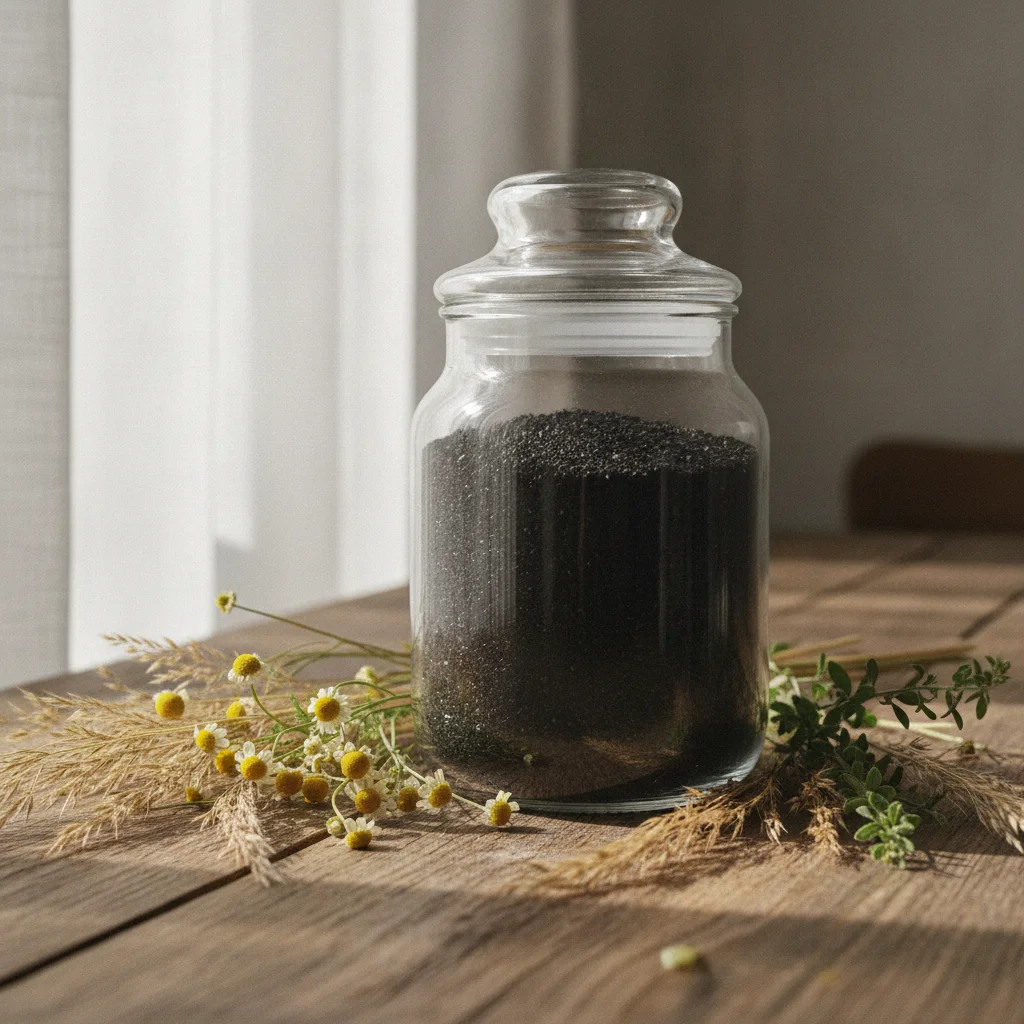
Herbaceous residues often yield biochars with higher surface oxygen and mineral contents compared with woody feedstocks. Selecting locally available herbaceous biomass can increase cost-effectiveness and tailor sorption properties to specific soil needs. Trials summarized in the meta-analysis demonstrated feedstock-specific effects on cadmium binding capacity. Considerations for eco-friendly sourcing echo those advised in safeguarding Haryana’s herbal wealth.
Application strategies for different cropping systems and soils
Applying tailored herbaceous biochar with attention to soil status and crop type improves practical outcomes and long-term soil function.
Recommended application rates and incorporation practices
Application rates around 1–3 percent by soil weight (commonly ~1–2 percent for many horticultural soils) were associated with measurable reductions in mobile cadmium in pot and greenhouse trials. Even distribution and proper incorporation into the root zone support contact between biochar surfaces and soil solution.
Soil testing and site-specific customization
Baseline soil testing for pH, cation exchange capacity, texture, and extractable cadmium is essential. Tailored herbaceous biochar selection should be guided by these data to select a feedstock and processing profile that complement the soil’s native buffering capacity and crop sensitivity.
Species- and crop-specific considerations
Different crops exhibit variable uptake patterns for cadmium, so tailored herbaceous biochar strategies should be adapted accordingly. For further insights on tailoring approaches to species and soil, Utah herbal supplement safety offers guidelines on matching interventions to site and crop needs.
Evidence from vegetable, herb, and medicinal crop trials
Meta-analysis and targeted pot trials have shown consistent reductions in extractable cadmium and plant accumulation for several vegetable and herbaceous species when appropriate biochar amendments were used. Results indicate that plants with high root uptake propensity may benefit substantially from properly tailored biochar, provided application rates and soil amendments are matched to crop and soil conditions.
Practical monitoring during the growing season
Post-application monitoring of soil solution chemistry and plant tissue testing provides feedback on amendment performance. Iterative adjustments to application timing, depth, and supplemental agronomic practices can refine outcomes across seasons. Discussion on personalized botanical supplements market trends similarly emphasizes ongoing monitoring and customization in management practices.
Laboratory-to-field translation: limitations and research needs
While laboratory and controlled environment trials often show strong effects, field-scale variability can reduce the magnitude of observed benefits. For comprehensive data and additional methodologies, consult the original meta-analysis at tailored herbaceous biochar restricts cadmium uptake across agricultural and medicinal plants.
Scaling challenges and the need for multi-site trials
Landscape heterogeneity, variable climate, and differing agricultural management practices can influence outcomes. Expanded multi-year, multi-site field trials are needed to validate and refine recommendations for diverse agroecosystems.

Ongoing priorities for validation and standardization
Standardized protocols for feedstock characterization, pyrolysis reporting, and extraction methods for mobile cadmium will improve comparability. Continued collaboration between soil scientists, agronomists, and growers will help translate meta-analytic insights into practical, region-specific guidelines.
Integrating tailored herbaceous biochar into sustainable production systems
When selected and applied thoughtfully, tailored herbaceous biochar can align with organic and regenerative practices. These principles resonate with trends in herbal toothpaste market innovations, where natural ingredient sourcing and functional benefits are prioritized.
Compatibility with organic and sustainability objectives
Using non-synthetic feedstock residues and low-impact production methods supports circular resource use and can meet many stewardship goals. Integration with compost, pH amendments, and targeted nutrient management creates synergistic benefits for soil health and crop productivity.
Evidence-informed decision making and ongoing research
Growers should combine meta-analysis findings with local trials to determine optimal production profiles and application strategies. For detailed experimental methods and the underlying dataset referenced in this summary, consult the original meta-analysis study.
Practical checklist for adoption
- Conduct baseline soil testing for pH, CEC, texture, and extractable cadmium.
- Select herbaceous feedstocks that are locally available and characterize them prior to processing.
- Aim for moderate pyrolysis temperatures (401–500°C) with residence times near 3–4 hours for balanced sorption properties.
- Start with conservative application rates (1–2 percent by soil weight) and monitor soil and plant responses.
- Integrate biochar placement with standard fertility and irrigation practices and track outcomes across seasons.
Final perspective
Tailored herbaceous biochar represents a science-informed component in the toolkit for managing cadmium bioavailability in soils. When grounded in soil testing, tailored production, and iterative monitoring, it can support improved soil properties and lower mobile cadmium pools while fitting within sustainable crop production frameworks.
For practitioners interested in evidence-informed approaches, consider integrating tailored herbaceous biochar into your soil management plan after conducting baseline soil tests and small-scale trials. Collaborate with local soil scientists or extension services to match feedstock and processing parameters to site needs, and consult the meta-analysis for experimental details: https://bioengineer.org/tailored-herbaceous-biochar-restricts-cadmium-uptake-across-agricultural-and-medicinal-plants/.
Frequently Asked Questions
-
What is tailored herbaceous biochar and how does it relate to cadmium management?
Tailored herbaceous biochar is a carbon-rich soil amendment produced from plant residues with controlled pyrolysis parameters to tune surface chemistry and porosity. When matched to site conditions, it can support reduced cadmium bioavailability by binding mobile metal ions and altering soil chemistry, thereby lowering the fraction of cadmium accessible to plant roots. This approach is informed by evidence from herbal remedies for cellular support research.
-
Which pyrolysis temperature and residence time are commonly recommended for cadmium-binding biochars?
Meta-analytic evidence frequently points to moderate pyrolysis temperatures between 401 and 500°C with residence times of roughly 3–4 hours as producing a favorable balance of porosity and reactive surface groups. These parameters often yield biochars with effective sites for metal interaction while maintaining structural stability.
-
How should a grower choose a feedstock for optimal cadmium adsorption?
Select locally abundant herbaceous residues and characterize their mineral and organic composition prior to processing. Herbaceous feedstocks tend to produce biochars with higher oxygen and mineral content, which can enhance metal sorption. Align feedstock choice with soil testing data to ensure complementary chemistry and cost-effectiveness.
-
What application rates are supported by the evidence for reducing cadmium bioavailability?
Controlled trials and meta-analysis commonly report meaningful reductions with application rates in the 1–3 percent soil weight range, with many horticultural trials using approximately 1–2 percent. Start conservatively, monitor soil solution and tissue concentrations, and adjust based on site-specific responses. For broader market trends, see the superfood market growth analysis.
-
Can tailored herbaceous biochar affect other soil properties besides cadmium availability?
Yes. Aside from influencing cadmium bioavailability, tailored herbaceous biochar can increase soil pH, organic matter content, and cation exchange capacity. These shifts often improve nutrient access, moisture retention, and microbial habitat—benefits that complement crop health and resilience over time.
-
How long before results are observed after biochar application?
Observable changes in soil chemistry and reductions in mobile cadmium can occur within months in controlled trials, but field responses may take longer due to soil heterogeneity and seasonal dynamics. Multi-season monitoring is recommended to assess lasting impacts and to guide iterative management decisions.
-
Are there crop types that benefit more from tailored herbaceous biochar applications?
Crops with higher root uptake propensity for metals, including some leafy vegetables and certain herbaceous medicinal species, have shown notable benefits in trials. Tailoring application timing and depth to root zones and crop phenology increases the likelihood of favorable outcomes across diverse species.
-
What testing and monitoring steps should be taken when adopting tailored biochar?
Before adoption, perform baseline soil tests (pH, CEC, texture, extractable cadmium). After application, monitor soil solution chemistry and plant tissue concentrations through the growing season. Document changes and adjust application rates or feedstock selection as needed for site-specific optimization.
-
Where can I find the original study and detailed methodologies referenced in this summary?
The comprehensive data and methods underlying the meta-analysis are available in the original study repository. For direct access to experimental protocols and the aggregated dataset, see: https://bioengineer.org/tailored-herbaceous-biochar-restricts-cadmium-uptake-across-agricultural-and-medicinal-plants/.