


Unveiling Konyak Naga Herbs: Bioactive Potential and Sustainable Discovery 2026
Konyak Naga Botanicals: Traditional Wisdom Meets Modern Scientific Prioritization
Konyak Naga botanicals are attracting attention for their historical use and emerging scientific characterization. This article focuses on bioactive profiles, sustainable sourcing practices, and computational methods that help prioritize promising natural compounds while emphasizing ethical sourcing and the need for rigorous validation.
How Konyak Naga Botanicals Can Support Balanced Physiological Function
Konyak Naga botanicals have been used for generations within local communities to promote wellness and maintain resilient bodily function. Ethnobotanical knowledge reflects repeated, context-driven observation of plant effects across seasons and preparations.
Modern analytical tools now complement this wisdom by mapping chemical profiles and exploring how individual compounds may interact with human biological pathways to support healthy regulation.
Learning from centuries of herbal wisdom, communities preserve insights into how botanicals can underpin well-being. This approach mirrors larger global trends that place value on sustainable, plant-based remedies, similar to those discussed in Five Essential Medicinal Plants for 2026: Best Bioavailable, Sustainably Sourced Herbals.
Local Knowledge Informing Targeted Botanical Research
Traditional practitioners often select plants for specific applications based on sensory, seasonal, and experiential criteria. Translational researchers use these selection cues to prioritize candidate species for phytochemical analysis, accelerating the identification of compounds with promising selectivity and absorption characteristics.
This combined approach helps focus laboratory resources on botanicals with the strongest cultural and preliminary scientific rationale.
Benefit-Led Insights: Selectivity, Bioavailability, and Safety Profiles
Selectivity: Interaction With Key Regulatory Proteins
Computational docking and related in silico methods suggest that certain molecules within Konyak Naga botanicals can preferentially bind to regulatory proteins associated with vascular and cellular homeostasis. Selectivity is important because it can indicate a lower probability of broad off-target interactions, supporting the notion that some plant constituents may modulate specific pathways in a controlled manner.
- Precision in binding patterns can reveal which botanical constituents warrant further laboratory characterization.
- Selective interactions reduce the theoretical chance of unintended pathway engagement.
Comparisons with Bioavailable Herbal Supplements: Optimizing Cellular Wellness in 2026 illustrate why selectivity is essential for safe and targeted effects, helping ensure beneficial action with lower risk of unwanted interactions.
Bioavailability: Considerations for Practical Use
Preliminary pharmacokinetic modeling highlights how some plant-derived molecules may be absorbed, distributed, and cleared with profiles compatible with routine dietary or supplemental exposure. Bioavailability influences whether a compound remains active at target tissues and therefore informs formulation and dosage research.
Early computational ADME (absorption, distribution, metabolism, excretion) assessments can help prioritize candidates for follow-up studies.
As seen in the advancements surrounding Liquid Herbal Supplements: Bioavailability, Tradition, and the Future of Clean Wellness 2026, the design of effective botanical interventions increasingly depends upon robust bioavailability data.
Safety: Comparative Patterns From Traditional Use to Computational Evaluation
Historical, community-based usage can suggest safety margins, especially when multiple generations report limited adverse outcomes. Computational toxicology and in vitro screening further help identify potential liabilities, enabling researchers to flag compounds with undesirable properties before resource-intensive laboratory work begins.
Combining empirical knowledge and modern analytics supports a precautionary, evidence-seeking approach. Safety and transparency in non-GMO and organic products echo the trends highlighted in Bioavailable Menopause Support Ingredients: Non-GMO Reviews & Analysis 2026, underscoring the importance of ingredient integrity for end users.

Ethical and Sustainable Sourcing: Protecting People and Place
Non-GMO, Organic-Forward Harvesting Practices
Many Konyak Naga harvesting traditions emphasize wildcrafting and stewardship, which often aligns with non-GMO and organic principles. These practices can help preserve phytochemical integrity and local biodiversity when performed with community consent and sustainable quotas.
Consumers and researchers should look for transparent sourcing statements and community engagement commitments when assessing botanical supply chains.
Current industry standards encourage an organic-forward mindset, as exemplified in USDA-Certified Organic Single-Herb Teas: Best Selection for 2026 Wellness Trends and broader sustainable sourcing perspectives discussed in Baobab Ingredient Market Trends, Segmentation, and Sustainable Sourcing Insights for 2026.
Community Rights and Benefit-Sharing
Respectful collaboration with indigenous custodians of plant knowledge requires equitable benefit-sharing and clear intellectual property safeguards. Ethical sourcing frameworks include prior informed consent, capacity building, and mechanisms that ensure local communities derive tangible and lasting value from scientific and commercial activities tied to their traditional knowledge.
In-depth analysis on collaborative, equitable practices can be found in Herbal Supplements Market Trends, Segmentation, and Innovations 2026.
For a research overview connecting indigenous knowledge and computational analysis, read this research overview: https://www.downtoearth.org.in/health/indigenous-knowledge-researchers-decode-cancer-fighting-potential-of-traditional-konyak-naga-herbal-medicine. This link provides background on the broader research context and highlights interdisciplinary approaches.
Computational Screening: Accelerating Natural Product Discovery
In Silico Tools for Prioritization
Modern molecular docking, virtual screening libraries, and cheminformatics pipelines enable researchers to evaluate thousands of plant-derived molecules rapidly. These tools estimate binding affinity, solvent interactions, and steric compatibility to produce ranked candidate lists.
Using computational pre-screening reduces the need for early-stage animal testing and focuses laboratory validation on the most promising leads.
Technology-driven analysis is increasingly central as demonstrated by interest in Emerging Trends in the Chrysin Extract Market: Best Bioavailable and Sustainable Options 2026, offering models for efficient natural product screening and prioritization.
From Virtual Hits to Laboratory Confirmation
Candidates identified in silico move into targeted laboratory workflows including extract standardization, in vitro functional assays, and safety testing. This staged approach manages research costs and environmental impact while generating the empirical data necessary to determine practical application boundaries.
Further reading on integrated indigenous and computational research is available here: https://www.downtoearth.org.in/health/indigenous-knowledge-researchers-decode-cancer-fighting-potential-of-traditional-konyak-naga-herbal-medicine.
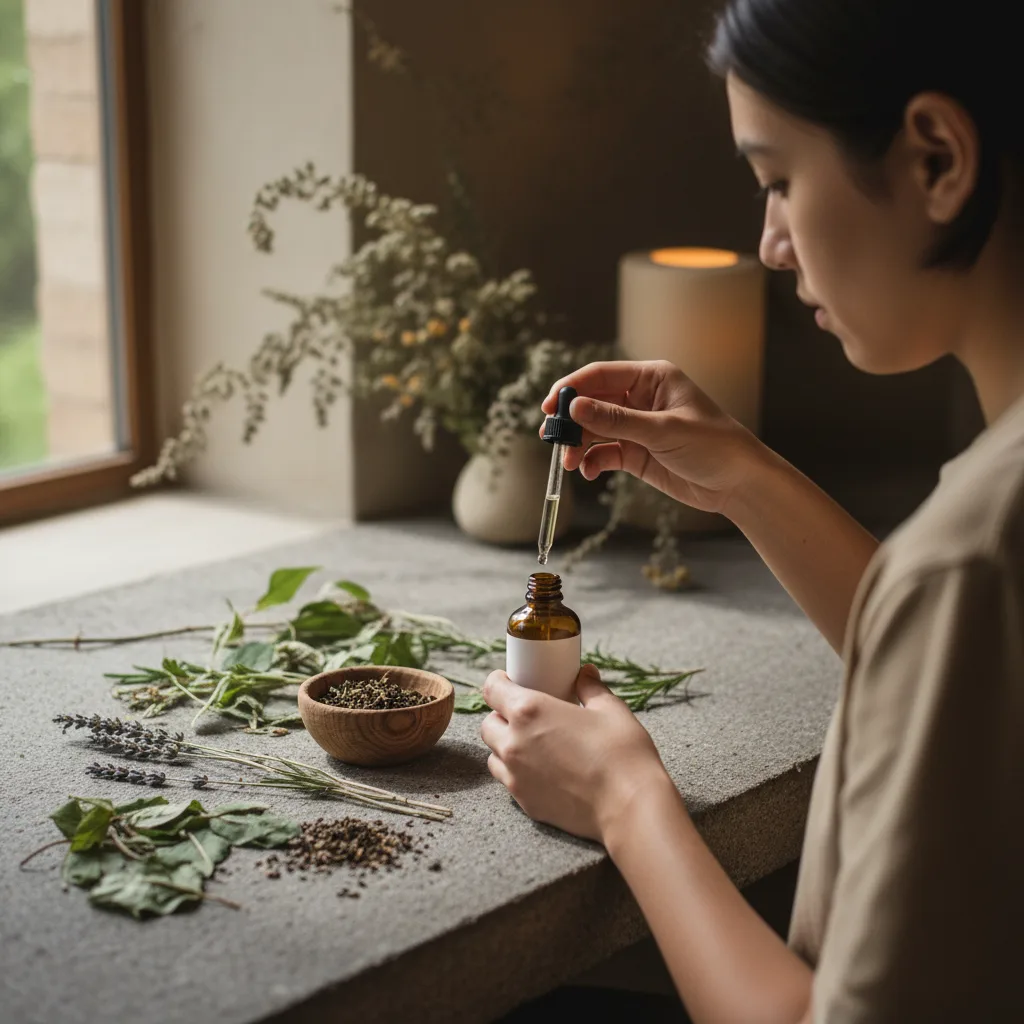
Practical Guidance for Responsible Integration of Konyak Naga Botanicals
Prioritize Verified, Sustainable Suppliers
When incorporating botanicals into personal regimens, prioritize suppliers who publish transparent sourcing information, third-party testing results, and community engagement policies. Validated analytical certificates (e.g., chromatographic profiles) help verify botanical identity and potency.
Ingredient trust builds on the same best practices used for identifying best organic superfoods, reinforcing the value of traceability.
Start With Low Exposure and Observe Responses
Begin with conservative exposures and track any subjective or measurable responses. Because individual physiology varies, monitoring tolerance and potential interactions with existing supplements or medications is prudent. Consult with qualified health professionals when in doubt about combining botanicals with other regimens.
Support Research With Ethical Participation
Consumers and practitioners can support ethically designed research by participating in community-led initiatives, donating to conservation efforts, or volunteering for observational studies that respect local governance and informed consent.
Responsible Next Steps: Validation, Transparency, and Conservation
Computational promise should be viewed as an initial filter rather than conclusive proof. Rigorous laboratory work, standardized extraction methods, and human observational research under appropriate oversight will be necessary to clarify practical applications.
Ongoing transparency about sourcing and benefit-sharing will help ensure that research benefits both scientific knowledge and the communities who steward these botanical traditions.
For additional context on research methods and indigenous collaboration, see this related analysis: https://www.downtoearth.org.in/health/indigenous-knowledge-researchers-decode-cancer-fighting-potential-of-traditional-konyak-naga-herbal-medicine.
Conclusion: Informed, Ethical, and Science-Minded Engagement with Traditional Botanicals
Konyak Naga botanicals represent a rich intersection of ancestral knowledge and modern analytical capability. By prioritizing sustainable sourcing, community rights, and stepwise validation through computational and laboratory methods, stakeholders can responsibly explore botanical contributions to maintaining balanced physiological function.
Continued interdisciplinary collaboration and transparency will be essential as this field progresses. Learn more about ethical research approaches and sustainable sourcing for traditional botanicals. Explore the interdisciplinary research overview linked in this article to deepen your understanding and support community-centered scientific pathways.
FAQs
-
What are the primary bioactive classes found in Konyak Naga botanicals?
Phytochemical surveys often identify alkaloids, flavonoids, terpenoids, and phenolic compounds within Konyak Naga botanicals. These classes are evaluated for binding selectivity, stability, and absorption characteristics in computational and laboratory assays to determine which molecules merit further study. Related insights on herbal bioactives can be found in Exploring Potent Plant Alkaloids: The Paradox of Poisonous Herbs 2026.
-
How does indigenous knowledge guide modern botanical research?
Indigenous knowledge provides species selection criteria, preparation methods, and contextual use patterns that help researchers prioritize candidates. Combining this lived experience with chemical analysis and in silico screening improves research efficiency and cultural relevance. For more on how tradition aligns with scientific inquiry, see Exploring Six Centuries of Herbal Wisdom: The Roots of Healing for 2026.
-
Are Konyak Naga botanicals typically non-GMO and sustainably harvested?
Traditional harvesting methods in the region tend to favor wildcrafting and stewardship, often aligning with non-GMO and low-intervention approaches. Sustainable outcomes depend on harvest protocols, quotas, and community management practices. Modern perspectives are echoed in Licorice Extract Market Outlook 2026–2036: Purity, Sustainability, and Non-GMO Trends.
-
What role does computational screening play in natural product discovery?
Computational screening rapidly evaluates thousands of natural molecules for predicted binding affinity, selectivity, and basic ADME properties. It narrows down candidates for focused laboratory validation, reducing time, cost, and unnecessary resource use. Real-world natural product discovery benefits from the techniques outlined in Liquid Herbal Supplements: Bioavailability, Tradition, and the Future of Clean Wellness 2026.
-
Can computational data alone confirm a botanical’s practical use?
No. Computational results are hypothesis-generating tools that identify promising candidates. Laboratory assays, standardized extraction, and appropriate human-context research are needed to determine real-world applicability and safety. For validated product trends, refer to Bioavailable Herbal Supplements: Optimizing Cellular Wellness in 2026.
-
How should consumers assess the quality of botanical sources?
Look for suppliers with transparent sourcing policies, third-party testing certificates (e.g., identity and purity assays), sustainable harvest statements, and documented community engagement or benefit-sharing practices. This aligns with standards in Superfood Market Growth, Sustainability, and Future Trends: Analysis 2026.
-
What safety precautions are recommended when exploring new botanicals?
Begin with low exposures, review potential interactions with existing supplements or medications, and consult qualified professionals if you have chronic conditions or are taking prescription therapies. Track any adverse effects and discontinue use if concerns arise. Guidance on safe supplement use is discussed in 7 ‘Natural’ Supplements That Can Affect Liver and Kidney Health: Non-GMO Safety Guide 2026.
-
How can researchers work ethically with indigenous communities?
Ethical research includes prior informed consent, equitable benefit-sharing, capacity building, and co-developed agreements that recognize community governance over traditional knowledge and biological resources. These best practices resemble those promoted in Herbal Supplements Market Trends, Segmentation, and Innovations 2026.
-
Are standardized extracts important for research comparability?
Yes. Standardized extracts with characterized phytochemical profiles enable reproducible laboratory results and clearer interpretation of biological activity across different studies and research groups. Learn more from Poria Cocos Extract Market Outlook 2026: Best Organic Trends and Bioactive Opportunities.
-
What are realistic next steps for validating promising botanical leads?
Next steps include reproducible extraction protocols, in vitro functional assays, ADME and toxicology profiling, and well-designed observational studies or controlled trials when ethically and legally appropriate, all conducted with community collaboration. These align with evolving standards in Herbal Tea: Best Organic Rituals and Bioavailable Benefits for 2026.
References & Further Reading
- Exploring Six Centuries of Herbal Wisdom: The Roots of Healing for 2026
- Five Essential Medicinal Plants for 2026: Best Bioavailable, Sustainably Sourced Herbals
- Bioavailable Herbal Supplements: Optimizing Cellular Wellness in 2026
- Liquid Herbal Supplements: Bioavailability, Tradition, and the Future of Clean Wellness 2026
- Emerging Trends in the Chrysin Extract Market: Best Bioavailable and Sustainable Options 2026
- Research overview: https://www.downtoearth.org.in/health/indigenous-knowledge-researchers-decode-cancer-fighting-potential-of-traditional-konyak-naga-herbal-medicine