


Decoding the Science of RMJ Herbal Formula: PI3K Pathway Support and Vascular Wellness 2026
Decoding Botanical Synergy for Vascular Wellness: The RMJ Herbal Formula in 2026
RMJ herbal formula is a six-herb botanical blend explored in 2026 research for its potential role in supporting vascular wellness. This article outlines how the RMJ herbal formula may engage the PI3K/Akt/mTOR signaling axis and influence lipid-related markers, based on computational, molecular, and preclinical evidence.
For detailed experimental methods and primary data, see the original 2026 study referenced below.
Formula composition and sustainable sourcing
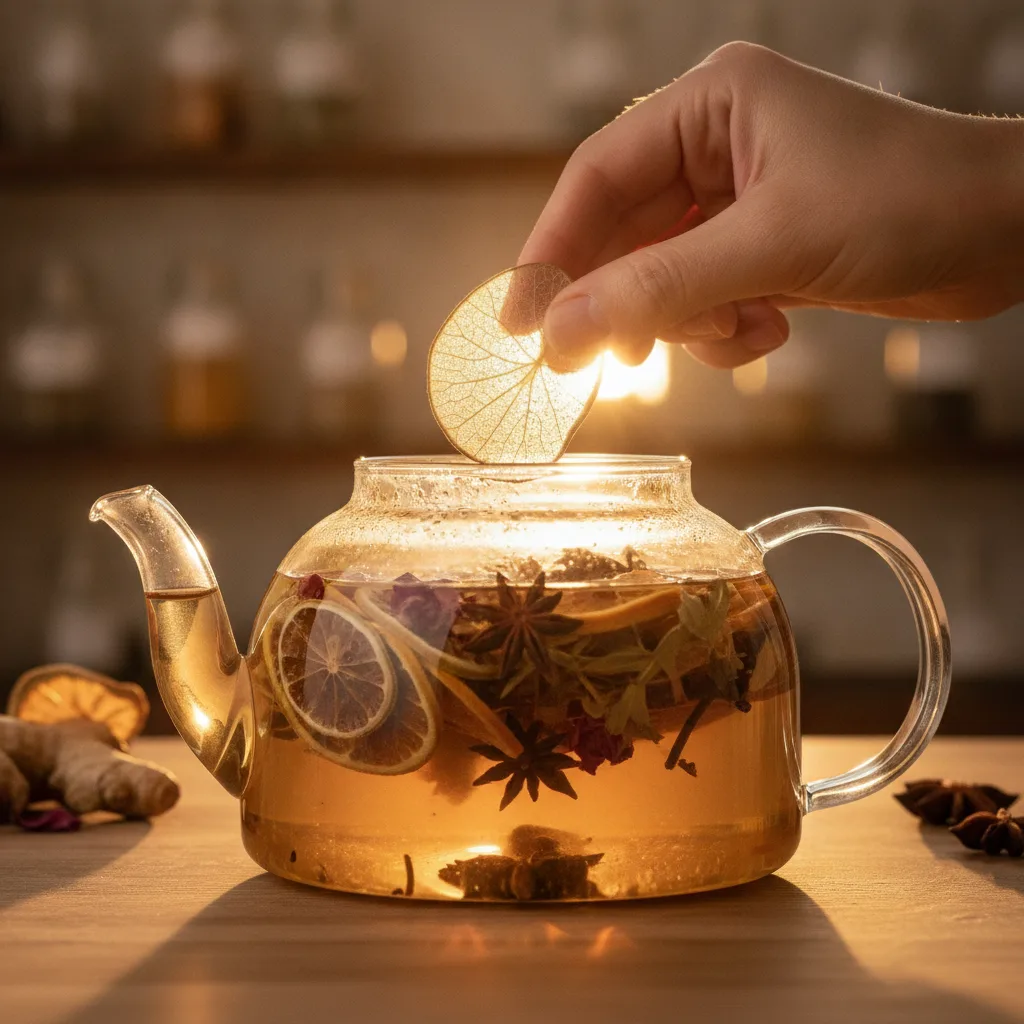
Understanding what goes into a formula is a first step toward evaluating potential biological effects. The RMJ herbal formula combines six botanicals in a defined ratio: Rehmannia glutinosa, Astragalus membranaceus, dried tangerine peel, Cistanche deserticola, lotus leaf, and Gynostemma pentaphyllum.
Ingredient ratios and sourcing practices in the referenced study were described to emphasize reproducibility. The authors highlighted non-GMO selection, sustainable harvesting principles, and standardized extraction techniques to increase consistency across batches. Those interested in broader trends for sustainable sourcing and bioavailable phyto-ingredients will benefit from reviewing the Adaptogens Market Expansion: Sustainable Sourcing & Bioavailable Trends 2026.
The study provides a full composition breakdown; for the primary source, consult the original 2026 study.
Bioactive profiling and oral bioavailability screening
A key component of the investigation was cataloging likely bioactives and screening them for oral bioavailability and drug-likeness criteria. The research team identified numerous putative compounds from each botanical component and applied filters for oral bioavailability (≥30%) and drug-likeness (≥0.18) to focus on molecules with higher translational potential.
Beyond merely cataloging bioactive prospects, these criteria are important when considering the future of Liquid Herbal Supplements: Bioavailability, Tradition, and the Future of Clean Wellness 2026, which aligns with ongoing trends in supplement delivery and efficacy.
This prioritization supports mechanistic mapping and helps narrow which molecules are most likely to achieve systemic exposure following oral administration. The underlying compound list and screening parameters are available in the referenced preclinical report: original 2026 study.
Network pharmacology: mapping multi-compound interactions to key targets
Network pharmacology approaches enabled the research team to predict probable molecular targets for the suite of botanical compounds. Overlapping target sets were cross-referenced with gene lists relevant to vascular structure and metabolism.
The analysis identified a substantial number of shared targets and highlighted hub genes associated with cellular signaling, metabolism, and tissue homeostasis. Those wanting to explore wider wellness implications of botanical synergies can reference Elevate Daily Wellness: Best Organic Routines & Non-GMO Reviews for 2026.
These predicted interactions framed subsequent molecular docking and pathway analyses.
The PI3K/Akt/mTOR signaling axis as a focal point
The PI3K/Akt/mTOR cascade emerged as a central axis in computational and pathway-enrichment analyses. This signaling network is widely studied for roles in cellular metabolism, nutrient sensing, and structural adaptation.
The research described modulation of markers linked to this pathway in preclinical models, suggesting a mechanistic basis by which botanical compounds may support vascular structure and lipid-related processes.
Molecular docking and dynamics: predicted compound–target engagement
To probe binding plausibility, the investigators performed molecular docking and dynamics simulations for prioritized bioactives. Representative findings indicated stable predicted interactions between specific phytochemicals and proteins relevant to vascular signaling.
Examples included predicted interactions between phytosterols and estrogen receptor elements, and between flavonoids and PI3K-related catalytic subunits. To understand more about the technical implementation of multi-compound analysis in herbal research, Herbal Supplement Manufacturing Plant Setup: Best Organic Industry Guide 2026 provides additional context for formulation science.
These in silico results are hypothesis-generating and were presented alongside experimental follow-up plans.
Preclinical observations in a rabbit model: interpret with caution
Preclinical oral administration of the RMJ herbal formula was conducted in a controlled rabbit model to explore biological signals consistent with the computational work. The study reported modulation of serum lipid-related markers and changes in histological measures associated with vascular structure.
Because these are preclinical observations, they should not be interpreted as clinical outcomes in humans. A parallel in recognizing the need for rigorous safety profiling for plant-based therapies can be drawn with contemporary research on Ghanaian Medicinal Plant Extracts: Non-GMO Cytotoxicity Insights for 2026. The authors emphasized species differences and the need for carefully designed human clinical studies before extrapolating to clinical practice.
Mechanistic highlights: autophagy and cellular homeostasis
Among pathway-level readouts, autophagy markers (for example, Atg5 and LC3II) and components of the PI3K/Akt/mTOR axis were assessed. The investigators reported shifts in these markers in treated animals, consistent with altered cellular turnover and metabolic signaling.
These mechanistic signals provide plausible routes by which multi-compound botanical blends may influence tissue-level homeostasis. However, definitive causal chains require more targeted, orthogonal validation.
Safety assessment and integrative context
The research included basic tolerability assessments in the preclinical model and discussed integrative safety monitoring for complex botanical preparations. Network-pharmacology analyses also highlighted the importance of considering multi-target interactions when evaluating potential adverse interactions.
Comprehensive approaches to safety and sourcing are echoed in Best Organic Supplements for Joint Support: Top Non-GMO Reviews 2026, which offers insights on multi-ingredient supplementation and quality measures.
For broader safety and use considerations, clinicians and researchers should review full toxicology and interaction datasets prior to recommending botanical regimens in clinical contexts.
Limitations, knowledge gaps, and next steps for research
Important limitations noted by the authors include the reliance on computational predictions, the need for direct binding assays, and the translational gap between rabbit physiology and human outcomes. The study authors recommended phase-appropriate human studies to determine safety, pharmacokinetics, and clinical effects.
Integrating standardized sourcing and analytical validation is crucial for research translation, an aspect that finds further exploration in Optimizing Metabolic Wellness with Sustainably Sourced Herbal Supplements in 2026.
Future work should include targeted pharmacokinetic profiling, dose-ranging evaluations, and randomized human research to determine whether preclinical mechanistic signals translate into meaningful, measurable outcomes in people.

Practical considerations for researchers and formulators
Researchers and formulators can use the RMJ dataset as a case study in multi-compound assessment. Key takeaways include the importance of reproducible sourcing, transparent analytic workflows, and pre-specified mechanistic endpoints.
For further information on creating innovative products in this field, refer to 2026 Organic Beauty Trends: Sustainably Sourced Hair, Scalp, and Skincare Innovations.
Those designing follow-on research should prioritize standardized extracts, validated analytical chemistry, and multi-level outcome measures that bridge molecular, tissue, and systemic readouts.
How to access the 2026 report and neutral resources
The referenced preclinical and computational work is openly accessible for methodological review. For readers who want to examine the primary data and methods, the original 2026 article offers the detailed experimental protocols and supplementary materials: full study report.
Balanced summary
In summary, the RMJ herbal formula is presented in the 2026 literature as a multi-botanical blend with a constellation of predicted molecular interactions and preclinical signals related to PI3K/Akt/mTOR pathway activity and lipid-related markers. These results are hypothesis-generating and point to areas for rigorous human-centered research.
Botanical health science continues to evolve, and practitioners can deepen their understanding of new therapeutic directions by consulting the latest trends in Synergistic Herbal Compounds for Neuroregeneration: Advancing Spinal Cord Recovery With Ancient Chinese Medicine 2026.
For those reviewing botanical mechanisms and preclinical evidence, the primary study provides a comprehensive technical foundation: original 2026 study.
Read the full 2026 preclinical report to review methods, compound lists, and raw data. Consult qualified researchers or healthcare professionals for personalized guidance before considering any botanical regimen.
Frequently Asked Questions
-
How does the RMJ herbal formula relate to PI3K pathway support?
The RMJ herbal formula was analyzed using computational and preclinical approaches that identified predicted interactions with components of the PI3K/Akt/mTOR signaling axis. These findings suggest the formula may influence cellular signaling related to metabolic regulation and structural homeostasis, but human studies are needed to confirm clinical relevance.
-
What evidence supports oral bioavailability for RMJ compounds?
Investigators screened identified phytochemicals for oral bioavailability and drug-likeness thresholds to prioritize molecules with higher translational potential. These in silico and in vitro filters guide selection, but definitive human pharmacokinetic data are required to confirm systemic exposure. Discover more about emerging herbal supplement formats in Liquid Herbal Supplements: Bioavailability, Tradition, and the Future of Clean Wellness 2026.
-
Are the study findings applicable to human cardiovascular health?
The 2026 work provides preclinical and computational evidence that is hypothesis-generating. Differences in species physiology and the controlled nature of the experiments mean that direct application to human cardiovascular health requires randomized clinical trials and thorough pharmacokinetic and safety evaluations.
-
Which botanicals are included in the RMJ herbal formula?
The RMJ herbal formula comprises Rehmannia glutinosa, Astragalus membranaceus, dried tangerine peel, Cistanche deserticola, lotus leaf, and Gynostemma pentaphyllum, combined in defined ratios. The referenced study reports the composition and rationale for each botanical choice.
-
Did the preclinical study measure lipid-related outcomes?
Yes, the preclinical model reported modulation of serum lipid-related markers and histological measures related to vascular structure. These results are presented as preclinical observations that require human-focused research before clinical interpretation.
-
What are the main methodological strengths of the 2026 study?
Strengths include integrated computational network pharmacology, molecular docking and dynamics, standardized compound prioritization, and controlled preclinical experimental design with randomized groups. These elements strengthen mechanistic hypotheses and reproducibility.
-
What limitations should readers keep in mind?
Key limitations include reliance on predicted targets from in silico approaches, the need for direct biochemical binding assays, species-specific differences in preclinical models, and the absence of human clinical outcome data in the current report.
-
How should safety considerations be handled for complex botanical blends?
Safety assessment for multi-component botanicals requires comprehensive toxicology, interaction screening, standardized sourcing, and pharmacokinetic profiling. Integrative monitoring and consultation with qualified professionals are recommended when researching or using complex herbal preparations. See contemporary perspectives in Best Organic Supplements for Joint Support: Top Non-GMO Reviews 2026.
-
What next steps are needed to advance this research?
Advancing research involves targeted pharmacokinetic studies, dose-ranging trials, validated biomarker selection, and randomized human clinical trials to evaluate safety and potential functional outcomes linked to the pathway-level signals observed preclinically.
-
Where can I read the primary 2026 study for technical details?
The full experimental methods, compound lists, and supplemental data are available in the original 2026 report. Reviewers can consult the study directly here: https://bioengineer.org/herbal-formula-rmj-reduces-atherosclerotic-plaques-in-rabbits-via-pi3k-signaling/ for complete technical transparency.